
Pruning
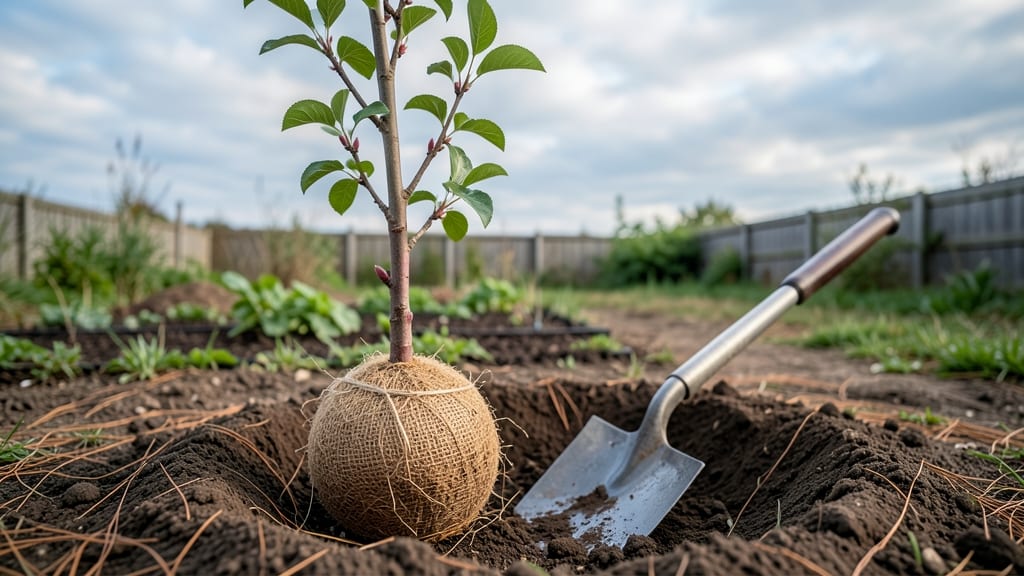
Planting a nectarine tree in spring means summer fruit that tastes like sunshine. 🌞 I learned the hard way that timing and placement make all the difference—my first attempt in fall left the roots vulnerable to winter freeze.
The secret? A well-drained spot with full sun, planted when soil warms to at least 60°F, and roots settled deep before the first heatwave hits.
You’ll need a hole twice as wide as the root ball, amended soil rich in organic matter, and a sturdy stake to support young trees. My nectarines now produce over 50 pounds of fruit annually because I skipped the cheap soil and took the time to prep properly.
The first year is about establishing roots, not harvests—so water deeply every 7-10 days once planted, and mulch heavily to lock in moisture.
What you’ll end up with is a tree that thrives through summer’s heat and bears fruit year after year. The peaches are juicy, fragrant, and ripen a full week earlier than store-bought varieties.
Just avoid planting near walnut trees (their roots release toxins) and prune suckers early—those are the two mistakes that trip up new growers.
Works in zones 5-9, though frost-sensitive varieties need winter protection in colder areas. Here’s how to get started without the common pitfalls that waste years of growth.
📚 In This Guide
- What you need
- Instructions
- Tips and common mistakes
- Wrapping up and next steps
What you need
- ● Nectarine tree: Choose a dwarf, semi-dwarf, or standard variety (e.g., 'Summergrand,' 'Fantasia,' or 'Redglobe') from a reputable nursery. Ensure it’s bare-root or potted (1-3 years old).
- ● Shovel: A round-point or digging shovel (16-18 inches wide) for digging the planting hole.
- ● Garden trowel: For finer adjustments around roots.
- ● Measuring tape: To ensure proper spacing (10-15 ft for standard, 8-10 ft for semi-dwarf, 5-6 ft for dwarf trees) from structures or other trees.
- ● Well-draining soil: Test your soil’s pH (ideal: 6.0-7.0). Amend with compost or organic matter if needed (e.g., 2-3 gallons per hole).
- ● Mulch: 2-4 inches of organic mulch (wood chips, straw, or pine bark) to retain moisture and suppress weeds.
- ● Watering can or hose: With a gentle spray nozzle for post-planting hydration.
- ○ Staking supplies (optional but recommended for young trees): 2-3 wooden or metal stakes (4-6 ft tall).
- ● Soft garden ties or rubber tree straps.
- ● Tree guard or cage: To protect against pests (e.g., deer or rabbits).
- ● Slow-release fertilizer: Balanced 10-10-10 or citrus-specific formula (apply sparingly at planting).
- ● Soil moisture meter: To monitor hydration levels during establishment.
- ● Pruning shears: For trimming any damaged roots or branches during planting.
- ● Epsom salt (magnesium sulfate): A 1 tbsp per gallon of water soak for roots if planting in poor soil.
- ● Timing: Plant in early spring (after last frost) or late summer for optimal root establishment.
- ● Location: Choose a sunny spot (6-8+ hours of sunlight daily) with well-draining soil and protection from strong winds.
- ● Climate: Nectarine trees thrive in USDA Zones 5-9 (avoid frost-prone areas).
- ● Cross-pollination: Plant a second nectarine variety within 50 ft for better fruit production.
How to plant a nectarine tree for long-term fruit bearing
Spring and summer are your best windows—here's how to plant with precision.
🪴 Step 1: Choose and Prepare the Planting Site
Nectarines thrive in full sun with at least 6-8 hours of direct light daily. Select a spot sheltered from strong winds, which can damage blossoms and developing fruit. The area should have well-draining soil—nectarines hate soggy roots, so avoid low spots where water pools.
Test your soil's drainage by digging a hole about 12 inches deep and filling it with water. If it drains completely within 4-6 hours, your site is ready. If water remains after that time, amend the soil with 3-4 inches of compost or sand to improve drainage before planting.
🌱 Step 2: Dig the Hole and Amend the Soil
Dig a hole that's twice as wide as the root ball but only as deep—planting too deep can suffocate the tree's roots. Loosen the sides of the hole with a shovel to encourage root spread. If your soil is heavy clay, mix in 1-2 gallons of compost with the native soil you remove.
Create a small mound in the center of the hole. This helps position the root flare—the bulge where roots meet the trunk—just above soil level. Nectarines need this to prevent water from pooling around the trunk, which causes rot. Gently place the tree on this mound so the root flare sits 1-2 inches above finished soil level.
💧 Step 3: Plant and Water Thoroughly
Spread the roots outward over the mound, ensuring they aren't twisted or bent. Fill the hole with soil, tamping lightly every 2-3 inches to eliminate air pockets. Stop when the hole is half full, then water deeply to settle the soil. This first watering helps remove air gaps and ensures roots make immediate contact with moist soil.
Complete filling the hole, keeping the root flare visible above soil level. Create a 4-inch high berm around the tree's base to catch water during irrigation. Water again until the soil is 6-8 inches deep is thoroughly moist. Mulch with 2-3 inches of organic mulch (like wood chips), keeping it 6 inches away from the trunk to prevent rot.
☀️ Step 4: Provide Immediate Care and Protection
Stake the tree only if necessary—nectarines develop strong root systems quickly. If staking, use 2 stakes placed diagonally and tie the trunk loosely with soft fabric strips. Avoid tight ties that can girdle the trunk as it grows. Prune only to remove any broken branches or those rubbing against each other.
Water the tree 2-3 times weekly for the first 2 months, keeping the soil consistently moist but never waterlogged. Young nectarine trees need 1-2 gallons of water per week during dry spells. Watch for signs of stress—wilting leaves or yellowing foliage means the roots aren't getting enough moisture or oxygen.
Tips & tricks for planting a nectarine tree
Here's what nobody tells you about planting that will set your nectarine tree up for decades of success.
Soil Test Tip: That 4-6 hour drainage test in Step 1 is your best indicator of whether your soil needs amending. If water lingers beyond 6 hours, you're dealing with heavy clay—mix in that 3-4 inches of compost or sand right away. I learned this the hard way after watching a neighbor's tree struggle for years in compacted soil. The key is to improve drainage before planting, not after.
Root Flare Position: Getting that root flare 1-2 inches above soil level in Step 2 is more important than most gardeners realize. I've seen trees planted too deep where the flare sits below ground level—this causes water to pool around the trunk and leads to rot. Use a small stake to mark your desired flare height before planting, then check again after filling the hole.
Watering Strategy: When you're creating that 4-inch berm in Step 3, think of it as your tree's personal water catchment system. This simple trick prevents water from running away during irrigation, giving those young roots exactly what they need. I've seen trees withered because water was draining too quickly—this berm makes all the difference during those first critical months.
Mulch Placement: That 2-3 inches of organic mulch should stay 6 inches away from the trunk to prevent rot, but here's the secret: refresh it every spring. Mulch breaks down over time, losing its insulating properties. I top up mine with fresh wood chips annually—this keeps the soil temperature stable and conserves moisture year-round.
Pro Tips for Planting Nectarine Tree
- Here's what nobody tells you about planting that will set your nectarine tree up for decades of success.
- Soil Test Tip: That 4-6 hour drainage test in Step 1 is your best indicator of whether your soil needs amending.
- Root Flare Position: Getting that root flare 1-2 inches above soil level in Step 2 is more important than most gardeners realize.
Frequently asked questions
Got questions about planting your nectarine tree? You’re not alone! Here are answers to the most common concerns—so you can dive in with confidence.
When is the best time to plant a nectarine tree?
Plant in early spring (before buds swell) or late fall (6-8 weeks before frost). Avoid summer heat—roots need time to establish without stress. If you must plant in summer, water deeply daily and use shade cloth for the first 2 weeks.
How far apart should I space nectarine trees?
Space trees 20–25 feet apart for proper airflow and sunlight. If growing near a fence or wall, leave 15–20 feet of clearance. Overcrowding leads to disease, poor fruit quality, and competition for nutrients.
Can I plant a nectarine tree in a container?
Yes, but only as a dwarf variety (like ‘Springcrest’ or ‘Fantasy’). Use a 15–20 gallon pot with drainage holes, and repot every 2–3 years. Containers limit root growth, so expect smaller yields. Move pots to a sunny spot in winter if frost is likely.
What pests should I watch for after planting?
Keep an eye out for aphids, peach tree borers, and scale insects. Use neem oil or insecticidal soap for early infestations. Wrap the trunk with tree guard to deter borers. Healthy soil (rich in compost) boosts natural pest resistance!
Do nectarine trees need winter protection?
Young trees (<3 years old) benefit from mulch (3–4 inches) and burlap wraps in freezing climates (below 10°F). Prune damaged branches in early spring. Mature trees are hardier but may need protection if your zone drops below -15°F.
| Quick Tip | Do This |
|---|---|
| Soil Test First | Check pH (6.0–7.0 ideal) and amend with lime or sulfur if needed. |
| Watering Hack | Water deeply 2–3 times/week for the first month, then taper to 1–2 times/week. |
Wrapping up and next steps
Planting a nectarine tree is a rewarding journey that combines patience, care, and a touch of springtime magic. 🌱 By choosing the right location, preparing the soil, and following proper spacing and planting techniques, you’ll set the stage for a thriving, fruit-bearing tree.
Remember, consistency in watering, pruning, and seasonal maintenance will ensure your nectarine tree flourishes for years to come.
Now that you’re armed with the knowledge, roll up your sleeves and get started! Grab your tools, mark that perfect spot in your yard, and watch your nectarine tree grow into a delicious, shade-providing centerpiece. Happy planting—your future harvest awaits! 🍑✨