
How To
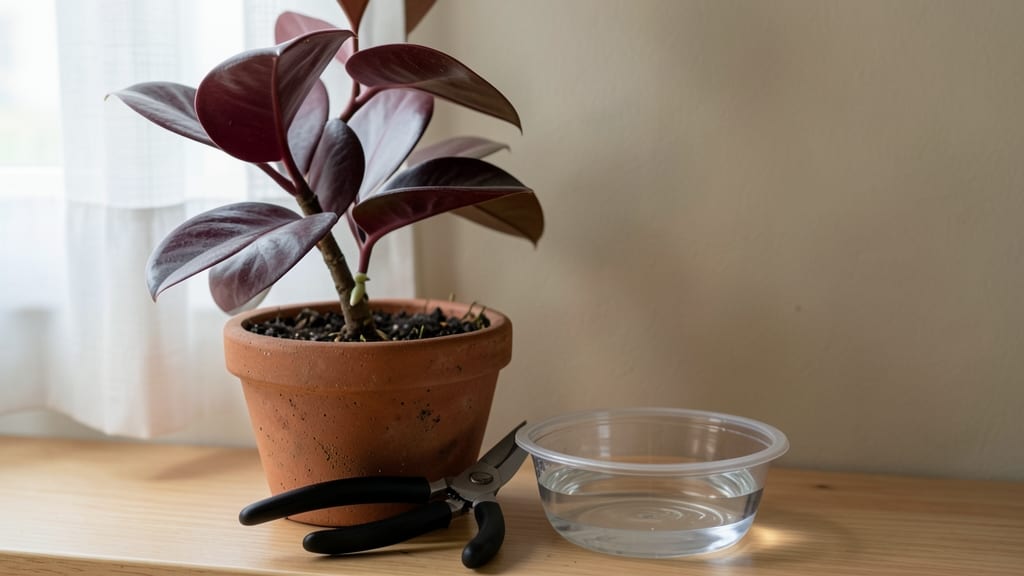
Learn how to stop rubber tree growing too tall—it begins with pruners and patience, not just hacking away at that lanky giant. to trigger bushier regrowth instead of just taller stems.
You’ll need clean pruning shears, rubbing alcohol for sterilizing cuts, and a spray bottle with water to refresh new growth. The magic happens in late spring when your plant is already pushing new leaves—snip just above a leaf node at a 45-degree angle to encourage branching.
Over-prune and you’ll shock the plant; under-prune and it’ll keep reaching for the ceiling.
📚 In This Guide
- What you need
- Instructions
- Tips and common mistakes
- Wrapping up and next steps
What you need
- ● Pruning shears or bypass pruners: Choose sharp, clean tools with a blade length of 5–7 inches to handle thicker branches (up to ½ inch in diameter). Disinfect with rubbing alcohol before and after use to prevent disease spread. 🔪
- ● Loppers: For branches ½–1½ inches thick, opt for bypass loppers with a 10–12-inch blade for better leverage.
- ○ Hand saw (optional but helpful): For branches over 1½ inches thick, use a pruning saw with a curved blade for smoother cuts.
- ● Gloves: Wear thick, cut-resistant gardening gloves to protect your hands from sap and sharp edges.
- ● Rubbing alcohol (70% isopropyl) or hydrogen peroxide: 1 small bottle (8 oz) for sterilizing tools.
- ○ Pruning sealant (optional but recommended): A small tube of tree wound sealant to coat larger cuts and prevent sap leakage.
- ● Ladder or step stool: Ensure it’s stable and tall enough to reach the highest branches safely (or enlist a helper!).
- ● Trash bag or bucket: For collecting pruned branches and debris.
- ● Disposable pruning saw: For one-time use on thick branches to avoid cross-contamination.
- ● Plant food or fertilizer: A balanced, slow-release fertilizer (10-10-10 or 20-20-20) to help your rubber tree recover post-pruning.
- ● Spray bottle with water: To mist the plant and reduce stress after pruning.
- ● Camera or phone: To document the pruning process for future reference!
Step-by-step instructions for pruning a tall rubber tree
Here's how to tame your towering rubber tree and encourage fuller growth.
Choose the Right Time and Tools
Prune your rubber tree in early spring just as new growth begins. This timing lets the plant recover before summer heat stress. Avoid pruning in fall or winter when growth slows—you'll risk stunted recovery or dead branches. I always use clean, sharp pruning shears to make precise cuts without tearing the bark.
Disinfect your tools with rubbing alcohol before and after pruning to prevent spreading disease. A small pair of bypass pruners works best for branches up to ½ inch thick. For thicker stems, use loppers. Never use dull tools—they crush stems instead of cutting cleanly, inviting infections.
Identify and Remove Problem Branches
Look for branches growing straight up from the trunk—these are the ones causing your tree's height. Cut these back to a bud or side branch just above where it meets the trunk. The goal is to redirect energy toward lateral growth rather than vertical spikes. I like to make cuts at a 45-degree angle about ¼ inch above the bud to prevent water from pooling.
Remove any dead, crossing, or weak branches first. Dead branches look dry and brittle, while crossing branches rub against others and create wounds. Weak branches are thin and bend easily. These cuts help improve airflow and light penetration to the lower canopy, which encourages bushier growth.
Prune for Shape and Balance
Step back and assess your tree's shape. The top should be slightly narrower than the base to create a natural taper. Cut back any branches that disrupt this balance or grow too close together. I aim for a full, rounded silhouette—this not only controls height but also makes the tree more visually appealing.
Focus on the upper third of the tree first. Prune about ⅓ of the new growth from each branch to encourage branching. You'll see new buds forming along the cut stems within a few weeks. Avoid removing more than 25% of the tree's total foliage in one session—this can stress the plant.
Encourage Bushier Growth Through Light and Care
After pruning, move your rubber tree to a brighter spot with indirect light for at least 6 hours daily. This light level triggers new growth and helps the tree recover faster. If your tree was in low light before, expect slower recovery—be patient and avoid overwatering during this adjustment period.
Water deeply but less frequently after pruning. Let the top 2 inches of soil dry out between waterings to prevent root rot. A balanced houseplant fertilizer every 4-6 weeks during the growing season provides the nutrients needed for new growth. You'll notice fresh leaves emerging from the pruned areas within 4-6 weeks.
Tips & tricks for pruning a tall rubber tree
Here's what nobody tells you about pruning your rubber tree for the best results.
Timing Secret: Early spring is your golden window because that's when your rubber tree naturally starts pushing new growth. If you prune at this exact moment, you're working with the plant's natural rhythm rather than against it. I've learned the hard way that pruning too early in spring or too late in summer can leave your tree stressed and vulnerable to pests. The goal is to give it just enough time to recover before the heat of summer sets in.
Cutting Technique: When you make those 45-degree angle cuts about ¼ inch above the bud, you're not just trimming—you're redirecting the tree's energy. Think of it like teaching your rubber tree to grow sideways instead of upward. I use a small piece of tape on my pruners to mark that ¼ inch distance, so I don't accidentally cut too close or too far. This precision makes all the difference in how quickly new branches form.
Shape Strategy: That ⅓ of new growth you're pruning from each branch in Step 3 is actually a magic number for rubber trees. It's enough to encourage branching without shocking the plant. I like to visualize the tree's final shape before I start cutting—imagine a rounded dome rather than a tall spike. This mental picture helps me make more balanced cuts throughout the entire canopy, not just the top.
Recovery Care: The 6 hours of indirect light you'll provide after pruning is crucial for photosynthesis, which fuels new growth. But here's the thing: if your tree was previously in low light, don't expect miracles overnight. I've had to be patient with trees that took 8-10 weeks to show new buds rather than the typical 4-6 weeks. The key is consistency—keep that light steady and don't overwater during this adjustment period.
Pro Tips for Stop Rubber Tree Growing Too Tall
- Here's what nobody tells you about pruning your rubber tree for the best results.
- Timing Secret: Early spring is your golden window because that's when your rubber tree naturally starts pushing new growth.
- Cutting Technique: When you make those 45-degree angle cuts about ¼ inch above the bud, you're not just trimming—you're redirecting the tree's energy.
Frequently asked questions
Got questions about controlling your rubber tree’s height?
You’re not alone! Here are answers to common concerns—from timing tricks to troubleshooting tips—so you can keep your plant lush and manageable.
How often should I prune my rubber tree to keep it from getting too tall?
Prune your rubber tree once a year (spring or early summer) for best results. If it’s growing aggressively, you can do light trims every 6–8 months. Avoid heavy pruning in fall or winter—it stresses the plant and slows recovery. Pro tip: Focus on removing 10–20% of the top growth per session to encourage bushiness without shocking the tree.
Will pruning my rubber tree stunt its growth permanently?
No—pruning won’t permanently stunt growth, but it will encourage a stockier, fuller shape over time. Rubber trees are resilient and will regrow leaves and branches from the cut points. Think of it like training the plant: consistent pruning guides its energy toward lateral (side) growth instead of vertical spikes.
Can I prune a rubber tree in winter, or will it die?
Winter pruning is not ideal because the tree’s growth slows down, making recovery harder. If you must prune in cold months, do so lightly and avoid cutting into old wood (gray/brown stems). Wait until spring when temperatures rise above 60°F (15°C) and new growth appears.
What if my rubber tree keeps growing tall after pruning?
If your tree still shoots up, it might need more frequent pruning or better light conditions. Check its spot: rubber trees thrive in bright, indirect light (like near a window with sheer curtains). If it’s in a dark corner, move it or supplement with a grow light. Also, fertilize lightly in spring with a balanced houseplant food to support bushier growth.
Are there alternatives to pruning if I don’t want to cut my rubber tree?
Yes! If pruning feels too drastic, try these low-maintenance options:
- Slow-release fertilizer: Use a low-nitrogen formula to reduce rapid vertical growth.
- Rotate the pot: Turn the plant weekly so all sides get equal light, promoting even growth.
- Choose a dwarf variety: Opt for Ficus elastica ‘Burgundy’ or ‘Doescheri’—they stay shorter naturally.
Wrapping up and next steps
Stopping your rubber tree from towering out of control doesn’t have to be stressful—with the right pruning techniques, you can shape it into a lush, manageable plant that thrives in your space! 🌿 The key is consistent care, patience, and a little creativity.
Whether you’re trimming for aesthetics or practicality, your efforts will pay off with a healthier, bushier tree.
Ready to take the next step? Grab your pruners, dust off that watering can, and give your rubber tree the love it deserves! 💚 Start small—prune a few branches today, and watch your green friend transform over time.