
Pruning
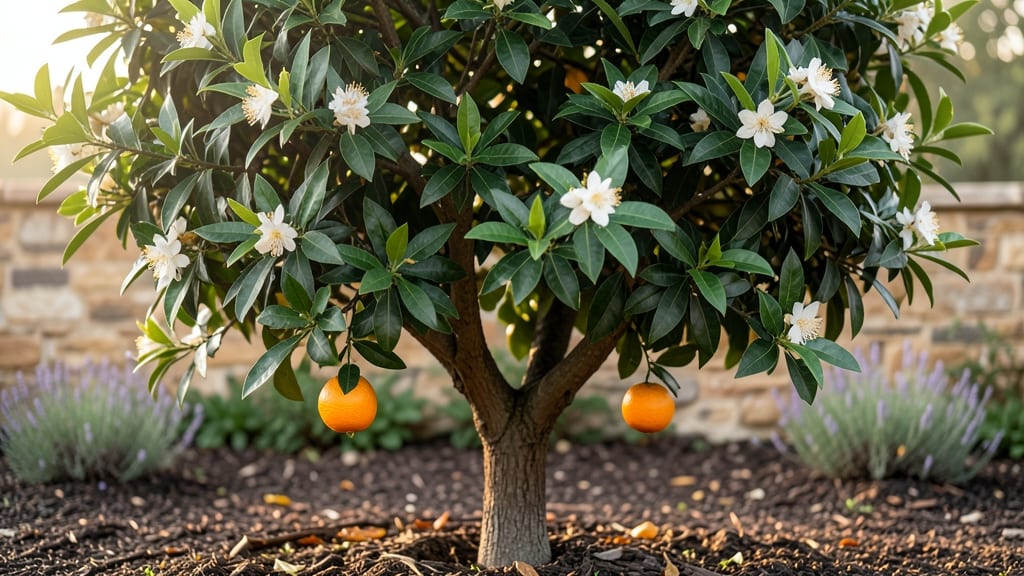
Pruning an orange palm tree transforms its look from scraggly to showstopping—year-round trimming keeps that lush, golden canopy vibrant and healthy. 🌿 I’ve spent years watching my Chamaerops humilis 'Orange Beauty' go from tangled fronds to a structured, sunlit masterpiece, and the secret isn’t complicated: it’s timing, technique, and a little patience.
The key? Pruning when fronds turn brown but before they fall naturally—usually every 3-4 months for tropical varieties like Syagrus romanzoffiana 'Aurea'.
You’ll need basic tools: sharp pruning shears, gloves, and a ladder (or a sturdy stool for smaller palms). Safety first—always wear eye protection, as fronds can whip unexpectedly. The goal is to remove only dead or damaged fronds, never more than a third of the canopy at once.
For Mediterranean dwarf palms like Chamaerops, focus on the oldest fronds near the trunk, while Brazilian orange palms benefit from lighter, more frequent trims to maintain their bright foliage.
What you’ll end up with is a palm that looks like it belongs in a tropical resort, not your backyard. The new growth will be tighter, the trunk more defined, and those golden fronds will glow even brighter against your landscape.
Plus, you’ll prevent pests and diseases from nesting in dead fronds—a game-changer for long-term health.
Works for both in-ground and container palms, and adapts to different climates. In warmer zones (USDA 9-11), you can trim year-round, while cooler zones (USDA 8-9) should wait until late spring. Let’s get those fronds looking sharp!
📚 In This Guide
- What you need
- Instructions
- Tips and common mistakes
- Wrapping up and next steps
What you need
- ● Pruning saw – A bow saw (20-24" blade) or pruning saw with a fine-toothed blade for clean cuts.
- ● Heavy-duty pruning shears – Bypass pruners (8-12" blades) for smaller branches and fronds.
- ○ Ladder or lift – A stable extension ladder (20-30 ft) or an aerial lift (optional but recommended for tall trees).
- ● Safety gear: Work gloves (cut-resistant, like mechanics gloves)
- ● Safety goggles (ANSI-rated)
- ● Ear protection (if using a chainsaw)
- ● Non-slip boots or shoes
- ● Disposable pruning bags or tarp – To collect and dispose of debris (50-100 gallon capacity).
- ● Rope or bungee cords – For securing branches during trimming (¼" nylon rope, 20-30 ft).
- ● Hand pruners (felco or similar) – For precision cuts on smaller stems.
- ○ Loppers (optional but helpful) – For medium-sized branches (24-32" cutting capacity).
- ● Chainsaw (with safety chain) – For thick, woody fronds (if your palm requires heavy-duty cuts).
- ● Tree wound dressing – Pruning sealant (like Tanglefoot Tree Wound Pruning Seal) to protect large cuts.
- ● Pole saw – Extendable saw for high branches (12-16 ft reach).
- ● Spray bottle with water – To dampen fronds and reduce dust while cutting.
- ● First-aid kit – For minor cuts or scrapes during the process.
Step-by-step guide to pruning your orange palm tree
Here’s how to keep your palm healthy and full without overdoing it.
🌿 Step 1: Identify Dead or Damaged Fronds
Start by inspecting your palm from top to bottom. Look for fronds that are completely brown, dry, or hanging limp—these are dead and need removal. Healthy fronds should be green with some flexibility, while dead ones will crumble easily when touched.
Use your fingers to gently test each frond. If it snaps or falls apart, it’s ready to go. Avoid cutting live fronds, even if they look yellow or weak—palms often shed older leaves naturally. Focus only on the ones that are clearly dead or diseased.
✂️ Step 2: Use the Right Tools for Clean Cuts
Grab your sharp pruning shears or a clean, sterilized hand saw for thicker stems. Dull tools tear fibers, leaving jagged cuts that heal poorly. Wipe the blades with rubbing alcohol before and after use to prevent spreading disease between cuts.
Make your cuts about 6-12 inches below the point where the frond meets the trunk. This prevents water from pooling and rotting the trunk. For larger fronds, cut in stages if needed—don’t force a single cut. If a frond is too heavy, lower it slowly to avoid damaging the tree.
🌱 Step 3: Remove Fronds in Sections for Balance
Start with the oldest, outermost fronds first. These are the ones closest to the ground and least visible, so removing them first keeps your palm looking fuller. Work your way upward, always cutting from the outside in. This maintains the natural shape of the canopy.
Stop when about 30% of the fronds remain—this ensures your palm still has enough leaves for photosynthesis. Never remove more than one-third of the fronds at once, even if they look overgrown. Your palm needs its leaves to produce energy for new growth.
☀️ Step 4: Clean Up and Monitor for New Growth
After pruning, collect and dispose of all debris. Leaving dead fronds on the ground can attract pests or fungi. Rake up any fallen leaves and trim any remaining ragged edges with your shears for a tidy finish.
Watch for new fronds emerging from the center of the palm over the next 4-8 weeks. These indicate healthy regrowth. If no new fronds appear within two months, your palm may need extra care—check for pests, overwatering, or nutrient deficiencies.
Tips & tricks for pruning orange palm trees
Pruning your orange palm tree properly makes all the difference between a thriving specimen and one struggling to recover. Here’s what I’ve learned from years of working with these tropical beauties—tricks that’ll keep your palm looking lush and healthy.
Timing is Everything: The best time to prune is during the late winter or early spring when new growth begins. Avoid pruning during extreme heat or cold, as this stresses the tree. If you must prune outside this window, do it on a mild day and water thoroughly afterward to help recovery. This timing aligns with the tree’s natural growth cycle, ensuring it can quickly replace what you remove.
Tool Prep Prevents Problems: Sterilizing your tools between cuts is non-negotiable. I use rubbing alcohol on my pruning shears between each cut to prevent spreading disease from any infected fronds. Also, make sure your blades are sharp—dull tools crush fibers instead of cutting cleanly, which can invite infections. This step alone has saved me from dealing with fungal issues in the past.
Frond Removal Strategy: When you’re working through your palm, always cut from the outside in. This maintains the natural shape of the canopy and prevents you from accidentally removing too many healthy fronds. I’ve seen people cut from the inside out and end up with a bald spot in the center—trust me, it’s not a look you want. Aim to leave about 30% of the fronds intact, as this ensures your palm can still photosynthesize efficiently.
Watch for New Growth: After pruning, monitor your palm closely for new fronds emerging from the center. Healthy regrowth should appear within 4-8 weeks. If you don’t see any new growth after two months, it’s a sign your palm might be stressed—check for pests, overwatering, or nutrient deficiencies. This is your tree’s way of telling you something’s off, so don’t ignore it.
Pro Tips for Orange Palm Tree
- Pruning your orange palm tree properly makes all the difference between a thriving specimen and one struggling to recover.
- Timing is Everything: The best time to prune is during the late winter or early spring when new growth begins.
- Tool Prep Prevents Problems: Sterilizing your tools between cuts is non-negotiable.
Frequently asked questions
Got questions about keeping your orange palm tree looking its best? Here are some common concerns and quick answers to help you trim with confidence!
When is the best time to prune an orange palm tree?
The ideal time is year-round, but focus on late spring or early summer for major trimming. Avoid heavy pruning in winter or during extreme heat—your palm can be more vulnerable to stress. Light maintenance (like removing dead fronds) can happen anytime, though!
How do I know which fronds to cut?
Remove only dead, brown, or yellow fronds—never more than ⅓ of the crown at once. Healthy green fronds should stay! Look for fronds hanging limp or with crispy edges. Never cut live fronds unless they’re diseased or blocking sunlight.
What if my palm tree starts looking sad after pruning?
Over-pruning is the usual culprit! If your tree looks too bare, it’s recovering. Water deeply, avoid fertilizing for 2–3 months, and keep it shaded if temps spike. Yellowing new fronds may signal stress—give it time (or check for pests!).
Can I prune an orange palm tree myself, or should I hire a pro?
Small trees or light trimming? DIY is fine! Use sharp tools, wear gloves, and follow safety steps. For tall trees, large fronds, or structural issues, call a certified arborist—safety first! Pro tip: Never use a chainsaw unless trained.
How often should I prune my orange palm tree?
Light maintenance (dead fronds) every 3–6 months
keeps it healthy. Major pruning (like removing large dead fronds) should happen once a year in spring/summer. Consistency prevents overgrowth and pests!
| Quick Troubleshooting | Likely Cause |
|---|---|
| Fronds turn brown after trimming | Thirsty! Water deeply and mulch. |
| New fronds grow twisted | Possible nutrient deficiency—test soil. |
| Tree stops growing | Over-pruned or root stress—give it time. |
Wrapping up and next steps
Pruning your orange palm tree isn’t just about keeping it tidy—it’s the secret to a thriving, lush canopy that stands out in your landscape. 🌿 By following year-round care, you’ll encourage healthy growth, prevent pests, and even boost fruit production.
Whether you’re trimming dead fronds, shaping the crown, or removing suckers, consistency is key!
Ready to give your palm the love it deserves? Grab your tools, follow the steps, and watch your orange palm flourish! Start small—even a single session makes a difference. Happy pruning! 🌟