
Pruning
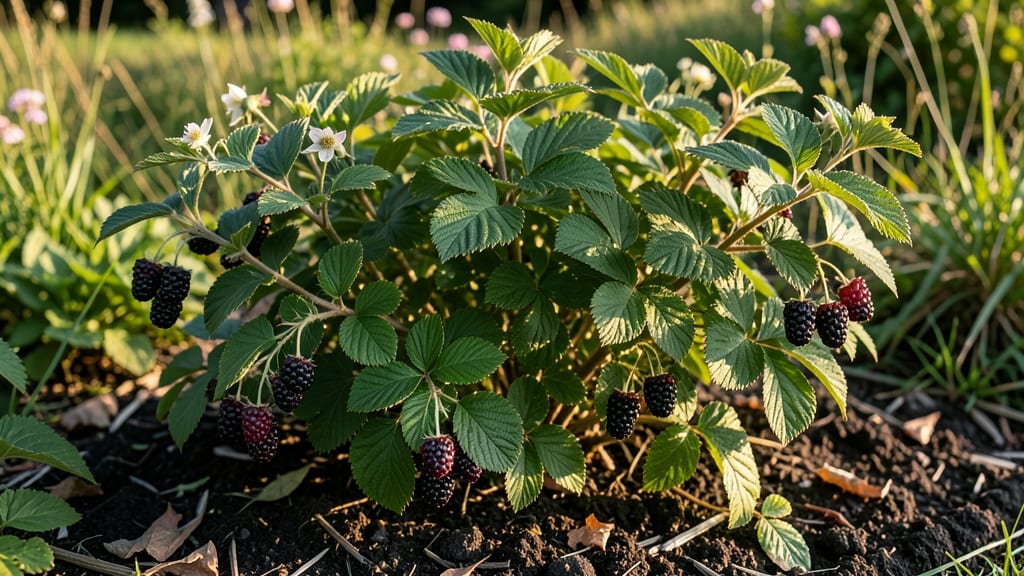
The black raspberry tree’s lush canopies thrive with the right pruning—year-round care that turns tangled growth into a productive, sunlit paradise. 🌿 I’ve spent years watching these plants transform from wild thickets into manageable, fruit-bearing powerhouses, and the secret lies in timing, technique, and a little seasonal finesse.
Most gardeners prune black raspberries just once a year, but the real magic happens when you treat it like a living sculpture—shaping it in winter, cleaning up in spring, and guiding growth through summer.
You’ll need basic tools (pruners, gloves, and a tarp for cleanup), but the process itself is straightforward once you know the right cuts to make and when to make them.
By summer’s end, you’ll have a tree that’s easier to harvest, produces more berries, and resists disease better than ever before. The branches will open up to sunlight, the canes will strengthen, and you’ll spend less time wrestling with vines and more time enjoying the sweet, deep-black fruit they produce.
Whether you’re working with an established tree or a new planting, this approach works for both in-ground and container-grown black raspberries. Let’s get those branches in shape—your future harvests will thank you.
📚 In This Guide
- What you need
- Instructions
- Tips and common mistakes
- Wrapping up and next steps
What you need
- ● Pruning shears: Sharp, bypass-type shears (for clean cuts) – 1 pair (or 2 if you have a large tree).
- ● Loppers: Heavy-duty, 16-20 inch (for thicker branches) – 1 pair.
- ● Pruning saw: Curved-tooth saw (for stubborn, thick stems) – 1.
- ● Gloves: Heavy-duty, cut-resistant (black raspberries have thorns!) – 1 pair.
- ● Disinfectant: 70% isopropyl alcohol or bleach solution (1 part bleach : 9 parts water) – small spray bottle.
- ● Rubbing alcohol or hydrogen peroxide: For sterilizing tools between cuts – small bottle.
- ● Tarp or drop cloth: 4x6 ft (to collect debris) – 1.
- ● Garden twine or ties: 1/8-inch (for supporting new growth) – small roll.
- ● Hand pruners: Compact, ergonomic (for precision work) – 1 pair.
- ● Extension pole: 3-5 ft (for high branches) – 1.
- ● Mulch: Organic (wood chips, straw) – 5-10 gallons (for post-pruning care).
- ● Fertilizer: Balanced (10-10-10) or compost – small bag (if amending soil).
- ● Safety glasses: (to protect from debris) – 1 pair.
Step-by-step guide for pruning black raspberry canopy
Here's how I keep my black raspberry bushes thriving through every season.
✂️ Step 1: Prune Dormant Season (Late Winter/Early Spring)
Wait until after the last frost but before buds swell—this is your 3-4 week window before new growth begins. I start by removing last year's canes at ground level with clean, sharp pruners. These are the thick, woody stems that produced fruit last season. They won't bear again and compete for nutrients.
Next, cut back any weak, diseased, or crossing canes to open the center. This prevents fungal issues and improves airflow. I make cuts at a 45-degree angle about ¼ inch above an outward-facing bud. The goal is to create an open vase shape—no more than 12-15 canes remaining per plant. Too many will shade the center and reduce fruit production.
🌿 Step 2: Summer Maintenance (June-August)
During the growing season, I focus on light pruning to encourage bushier growth. Pinch back new shoots that appear at the base to promote branching. These are the tender green growths emerging from the ground level—just snip them with your fingers or small pruners.
Remove any suckers growing outside the main plant area. These are the vigorous shoots that appear beyond the plant's natural spread. They drain energy from fruit production. I also thin out overcrowded canes in the center, cutting them back to 12-18 inches to maintain an open structure. Watch for yellowing leaves—this signals overcrowding or disease.
✂️ Step 3: Post-Harvest Cleanup (Fall)
After harvesting, I remove all spent canes—these are the thin, fruiting stems that turned brown after producing berries. Cut them at the base to prevent disease overwintering. I also trim back any overly vigorous new growth that hasn't hardened off yet. This prevents winter damage from heavy snow or ice.
Rake up and remove all fallen leaves and debris from around the base. Raspberry canes are prone to cane blight, and leaving organic matter creates a moist environment where pathogens thrive. I apply a 2-inch layer of mulch (like wood chips) to protect roots from freezing temperatures while keeping the center of the plant open.
⏰ Step 4: Winter Adjustments (If Needed)
In cold climates, I check for winter damage in late winter before bud break. Look for blackened or mushy canes—these must be cut out immediately. I also adjust the structure if any canes grew too tall over summer. Shorten overly long canes by one-third to maintain balance and prevent wind damage.
This is also when I reassess the plant's shape. If the center is still too dense after summer pruning, I'll make small cuts to open it further. The key is to never remove more than 25% of the plant's foliage in any single season—raspberries need their leaves for energy. You'll know you're doing well when the plant has sunlight reaching the center and no more than 15-20 canes remaining.
Tips & tricks for pruning black raspberry trees
These simple tricks will help you maintain a healthy, productive black raspberry bush all year long.
Timing is Everything: That 3-4 week window after the last frost is critical—wait too long, and you'll encourage new growth that can't survive another freeze. I always check my local frost date calendar and mark the window on my gardening planner. If you're unsure when the last frost occurred, wait until you see the first blooms on your fruit trees as a signal. This ensures your black raspberries have time to harden off before winter's end.
Tool Selection Matters: Never use dull pruners—they crush stems instead of making clean cuts. I keep a pair of sharp, bypass pruners specifically for my raspberries, and I clean them with rubbing alcohol between cuts to prevent spreading disease. For larger branches, I use loppers with a 6-inch cutting blade for better leverage. Always make cuts at a 45-degree angle to prevent water from pooling on the wound, which can lead to rot.
Visual Cues for Healthy Growth: In Step 2, when you're pinching back new shoots, look for these visual clues: healthy shoots should have bright green leaves with smooth edges, while weak ones will have yellowing or curled leaves. I also check for small, red spider mites on the undersides of leaves—an early sign of infestation. If you find any, treat immediately with neem oil to prevent spread. The goal is to maintain a balanced plant where sunlight reaches all canes, not just the outer ones.
Seasonal Shape Maintenance: After your fall cleanup, take a step back and visualize the plant's shape from all sides. You want an open vase form with sunlight reaching the center. If you're still seeing dense areas, make small cuts to thin out the center gradually over the next season. I find it helpful to sketch a simple diagram of my plant's structure before and after pruning to track progress. This prevents over-pruning, which can stress the plant and reduce fruit production.
Pro Tips for Black Raspberry Tree
- These simple tricks will help you maintain a healthy, productive black raspberry bush all year long.
- Timing is Everything: That 3-4 week window after the last frost is critical—wait too long, and you'll encourage new growth that can't survive another freeze.
- Tool Selection Matters: Never use dull pruners—they crush stems instead of making clean cuts.
Frequently asked questions
Got questions about keeping your black raspberry tree thriving with the right pruning? You’re not alone! Here are answers to the most common queries—from timing to troubleshooting—to help you maintain a productive, healthy canopy year-round.
When is the best time to prune a black raspberry tree?
The ideal window is late winter or early spring (just before buds swell) to remove dead wood and shape the tree. Summer pruning (after harvest) can encourage new growth, but avoid heavy cuts—focus on thinning dense areas to improve airflow. Pro tip: Never prune in fall, as it can stimulate tender new growth vulnerable to frost damage.
How much can I prune a black raspberry tree without harming it?
Black raspberries are hardy but respond best to moderate pruning. Remove up to 25–30% of the canopy annually to maintain vigor. Cut back old canes (2+ years) to the ground—they won’t produce fruit—and thin out crowded branches to reduce disease risk. Over-pruning (beyond 30%) can stress the tree, so prioritize quality over quantity.
Why are my black raspberry canes dying after pruning?
Dead or dying canes often signal disease (like cane blight) or environmental stress. If canes turn black, ooze sap, or wilt post-pruning, check for:
- Improper cuts: Always prune at a 45° angle ¼” above a bud (never leave stubs).
- Overcrowding: Thin canes to 6–8 inches apart for airflow.
- Pests/fungus: Sterilize tools with rubbing alcohol and remove infected canes immediately.
If the issue persists, test soil pH (ideal: 5.5–6.5) or consult a local extension office.
Can I prune black raspberry trees in fall, or should I wait?
Fall pruning is discouraged because it stimulates new growth that won’t harden off before winter, making canes susceptible to frost damage. However, you can remove dead/diseased wood anytime for sanitation. Save major structural pruning for dormant season (Jan–Feb) to give the tree a fresh start.
What’s the difference between pruning black raspberries vs. red raspberries?
Black raspberries are primocanes fruiting (fruit on first-year canes), while red raspberries are floricane fruiting (fruit on second-year canes). This means:
Key takeaway: Black raspberries need aggressive summer cleanup, while reds rely on winter pruning.
Black Raspberries
Red Raspberries
Prune old canes to ground after harvest (summer).
Prune old fruited canes in winter; keep new canes for next year.
Focus on airflow to prevent botrytis (gray mold).
Thin canes to 6–10 per plant for better yield.
Wrapping up and next steps
Mastering the art of black raspberry tree pruning is your ticket to vibrant, productive bushes year after year! 🌿 By following seasonal best practices—whether it’s winter cleanup, spring shaping, or summer maintenance—you’ll encourage healthier growth, better fruit yields, and a stunning canopy.
Remember, consistency is key, and even small efforts make a big difference.
Ready to transform your garden? Grab your tools, roll up your sleeves, and give your black raspberry tree the TLC it deserves. Start with one small pruning session this weekend—your future harvest will thank you! 🍇✨