
Pruning
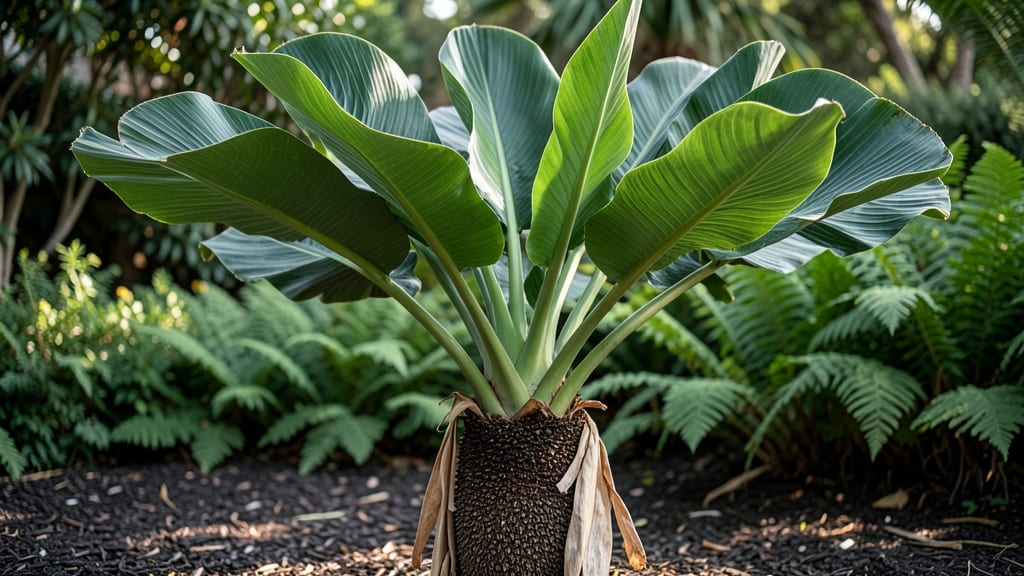
Pruning an ensete banana tree unlocks its full potential—thicker stems, brighter foliage, and year-round growth that rivals tropical rainforests. 🌿 I’ve pruned mine for five seasons, and the difference between a neglected plant and one that looks like it belongs in a conservatory is shocking.
The key isn’t just when you cut, but how you shape the plant to encourage new shoots while keeping it healthy.
This isn’t about harsh cuts or aggressive thinning—it’s about strategic trimming to redirect energy. Start with dead or yellowing leaves (they’re energy vampires), then focus on the oldest pseudostems at the base.
A well-pruned ensete produces three to five new shoots within months, each with glossy, deep-green leaves that catch the light like polished jade. The best part? You can do this indoors or outdoors, as long as you mimic its natural humidity and warmth.
You’ll end up with a plant that looks like it’s been in a botanical garden for decades—not just a few years. The foliage stays vibrant and upright, the stems thicken, and you’ll even get edible corms if you’re patient (though they take years to mature).
For indoor growers, this is how you keep your ensete thriving when winter air turns dry and dim.
Works in zones 9-11 but adapts surprisingly well to containers for cooler climates. The same principles apply whether you’re shaping a 2-foot potted plant or a 10-foot outdoor specimen. Here’s how to prune without stressing the plant—and when to stop before you go too far.
📚 In This Guide
- What you need
- Instructions
- Tips and common mistakes
- Wrapping up and next steps
What you need
- ● Pruning shears – Sharp, bypass-style (10–12" blade) for clean cuts
- ○ Gloves – Heavy-duty, cut-resistant (optional but recommended)
- ● Disinfectant – 70% isopropyl alcohol or hydrogen peroxide (1 part per 10 parts water)
- ● Pruning saw – For thicker stems (if applicable, 12–14" blade)
- ○ Garden twine or tape – To secure large leaves post-pruning (optional)
- ● Knowledge of your tree’s growth stage – Identify dead, diseased, or overcrowded leaves/stems
- ● Weather check – Prune on a dry, cloudy day (avoid extreme heat/cold)
- ● Clean workspace – Lay down tarps or newspaper to contain debris
Step-by-step guide to pruning your ensete banana tree for year-round health
Here’s how to maintain that tropical, lush look while keeping your ensete thriving.
🌿 Step 1: Assess Growth and Identify Pruning Zones
The ensete banana tree grows in a unique pseudostem structure, so pruning focuses on removing dead or damaged leaves while preserving the plant’s architectural integrity. Start by examining the outermost leaves—these are the oldest and often the first to yellow or brown. Use clean, sharp pruners to make cuts at the base of the leaf stalk, about ½ inch above the next leaf or growth node. This prevents water from pooling and reduces disease risk.
Watch for pseudostem swelling—a sign of new leaf production. Never cut into the pseudostem itself; focus only on the leaf blades and petioles. If you see blackened or mushy tissue, that’s a sign of rot, and you’ll need to trim further back to healthy growth. I like to prune in the early morning when the plant is hydrated but still cool—this minimizes stress.
✂️ Step 2: Remove Dead Leaves and Encourage New Growth
Dead leaves should be fully removed to prevent pests and fungi from taking hold. Use your pruners to sever the leaf stalk at the base, then dispose of the debris immediately. For yellowing but still attached leaves, wait until they’re completely dry before removing them—this protects the plant from unnecessary stress. You’ll notice new leaves emerging from the top of the pseudostem within 2-4 weeks of pruning, indicating healthy regrowth.
Here’s the thing—don’t over-prune. The ensete banana tree stores energy in its pseudostem, so removing too many leaves at once can weaken the plant. Aim to remove no more than 20-30% of the foliage in a single session. If your tree has multiple pseudostems, prioritize the largest or most vigorous one for pruning to maintain balance.
💧 Step 3: Post-Pruning Care for Optimal Recovery
After pruning, the ensete banana tree needs consistent moisture to recover. Water deeply at the base of the pseudostem, ensuring the soil remains evenly moist but not soggy. The top 2-3 inches of soil should dry out slightly between waterings, but the root zone should stay hydrated. Overwatering now can lead to root rot, especially in the weeks following pruning when the plant is vulnerable.
Apply a balanced, water-soluble fertilizer (like a 10-10-10 blend) two weeks after pruning to support new growth. I dilute it to half-strength to avoid burning the roots. You’ll see new leaf unfurling within 3-6 weeks, signaling that the plant is recovering well. If growth stalls, check for pests like spider mites or fungal spots—these often appear after pruning when the plant’s defenses are down.
☀️ Step 4: Adjust Light and Monitor for Seasonal Changes
The ensete banana tree thrives in bright, indirect light, but after pruning, it may need slightly more shade for a week or two to reduce stress. If you notice new leaves curling or browning at the edges, move the plant 5-10 feet farther from a south-facing window or adjust artificial grow lights to 12-14 hours of light daily. Avoid direct afternoon sun during recovery—it can scorch tender new growth.
Real talk: seasonal adjustments matter. In winter, when growth naturally slows, prune only the obviously dead or damaged leaves. In summer, when the plant is actively growing, you can be more aggressive with pruning to encourage bushier foliage. Always prune before heavy rains to prevent water from entering fresh cuts and causing rot.
Tips & tricks for perfect ensete banana tree pruning
Pruning your ensete banana tree right takes more than just cutting leaves—it’s about understanding its growth cycles and giving it the best chance to thrive. Here’s what I’ve learned from years of working with these stunning plants.
Timing Secret: Early morning pruning is non-negotiable. The plant’s natural hydration levels are optimal at dawn, which minimizes stress. I’ve found that cutting in the morning also prevents sap from oozing excessively, reducing the risk of fungal infections. If you must prune later in the day, do it at least 4 hours before sunset to allow the cuts to dry properly.
Tool Technique: Your pruners are just as important as your timing. Use sterilized, sharp pruners—dull blades crush stems instead of cleanly cutting, which invites disease. After each cut, wipe the blades with rubbing alcohol to prevent cross-contamination between leaves. For larger leaves, I recommend using a pruning saw with a fine-toothed blade to avoid tearing the tissue.
Seasonal Strategy: Winter pruning should be minimal—focus only on removing obviously dead or damaged leaves. The plant’s energy is already conserved during cooler months, so aggressive pruning can shock it into dormancy. In summer, when growth is rapid, you can be more aggressive (but still within the 20-30% guideline) to encourage bushier foliage. The key is matching your pruning intensity to the plant’s natural growth cycle.
Recovery Rescue: If your ensete shows signs of stress after pruning—like yellowing new leaves or stunted growth—it’s likely due to over-pruning or improper aftercare. Move the plant to a shadier spot for 1-2 weeks and increase humidity with a pebble tray or misting. A light application of seaweed fertilizer (diluted to half-strength) can also boost recovery by providing natural growth hormones.
Pro Tips for Ensete Banana Tree
- Pruning your ensete banana tree right takes more than just cutting leaves—it’s about understanding its growth cycles and giving it the best chance to thrive.
- Timing Secret: Early morning pruning is non-negotiable.
- Tool Technique: Your pruners are just as important as your timing.
Frequently asked questions
When is the best time to prune my ensete banana tree?
Prune your ensete banana tree year-round, but focus on late winter or early spring (just before new growth starts) for major cuts. Remove dead or yellowing leaves anytime—they’ll only drain energy. For shaping, avoid heavy pruning during hot summers to prevent stress.
How much can I safely trim back my ensete banana tree?
You can trim up to 1/3 of the plant’s height without harming it, but avoid cutting into the pseudostem (the woody trunk). Focus on outer leaves and fronds—healthy growth will bounce back quickly! If you’re unsure, start small and observe for 2–3 weeks before pruning more.
Why are my ensete banana leaves turning brown after pruning?
Brown leaves post-pruning are usually normal—it’s the plant’s way of shedding old tissue. However, if new leaves also brown or the plant wilts, you may have over-pruned or stressed it. Water deeply and avoid fertilizing for 4–6 weeks to help recovery. If the problem persists, check for pests or fungal issues.
Can I propagate my ensete banana tree from pruned cuttings?
Yes! Use healthy, mature leaves (with a small piece of the pseudostem) for propagation. Dip the cut end in rooting hormone, plant in moist potting mix, and keep in bright, indirect light with high humidity. Roots typically form in 4–8 weeks. Pro tip: Ensete is slow to root—be patient!
How often should I fertilize after pruning?
Wait 4–6 weeks after pruning before fertilizing to let the plant recover. Use a balanced, slow-release fertilizer (like 10-10-10) every 2–3 months in growing season (spring–fall). Over-fertilizing can burn roots—always water thoroughly after applying.
Wrapping up and next steps
The Ensete banana tree thrives with the right pruning care—whether you’re shaping its majestic leaves or encouraging year-round growth. By following seasonal techniques, using the right tools, and addressing common challenges, you’ll unlock its full potential for lush, vibrant foliage that’s the envy of any garden. 🌿
Ready to transform your space? Start small—pick one pruning session this week and observe the difference. Over time, your Ensete will reward you with healthier growth, stunning aesthetics, and maybe even a harvest!