
Pruning
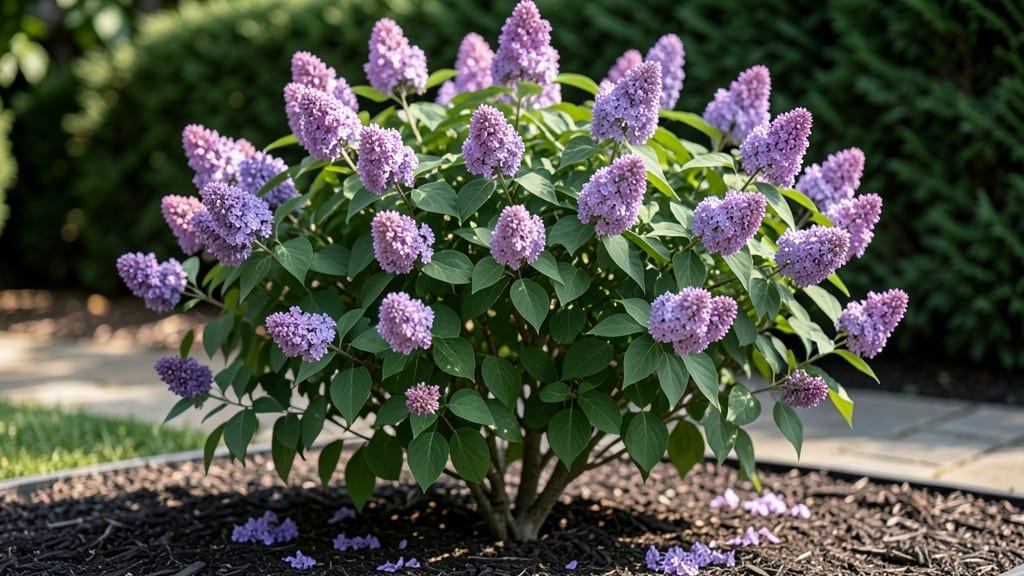
The old-fashioned lilac tree (Syringa vulgaris) brings backyards to life with its intoxicating purple blooms every spring. 🌿 I still remember the first time I walked past one in full bloom—it stopped me in my tracks with that sweet, heady fragrance that lingers in the air for days.
These classic shrubs aren’t just beautiful; they’re hardy, low-maintenance, and packed with history, making them a staple in gardens since the 1800s.
Pruning is where most gardeners stumble, but lilacs thrive when you follow a few simple rules. The key is timing—prune right after blooming, never in late summer, or you’ll sacrifice next year’s flowers.
With the right tools (sharp bypass pruners, gloves, and a ladder if needed), you can shape your lilac into a fragrant, sun-dappled canopy that lasts for decades. My 80-year-old 'Katherine Haviland' still blooms like it’s fresh out of the nursery.
What you’ll get is a shrub that’s easier to care for than it looks, with fewer pests and diseases than most flowering trees. The blooms return year after year, and the scent alone makes pruning worth it.
Once you master the technique, you’ll see lush, glossy foliage and a structure that’s both elegant and sturdy—perfect for borders, hedges, or that centerpiece spot in your garden.
Works for zones 3-7, though southern gardeners should prune earlier to avoid summer heat stress. Whether you’re restoring an heirloom variety or starting fresh, this guide keeps your lilac thriving for generations. Let’s get those shears ready!
📚 In This Guide
- What you need
- Instructions
- Tips and common mistakes
- Wrapping up and next steps
What you need
- ● Pruning shears: Bypass pruners (for clean cuts on small branches, 2-3 pairs recommended for efficiency).
- ● Loppers: Bypass or anvil type (for thicker branches, 18-24" cutting length).
- ● Pruning saw: Curved-tooth saw (for branches thicker than 2" in diameter).
- ● Gloves: Heavy-duty gardening gloves (to protect hands from thorns and sap).
- ● Disinfectant: 70% isopropyl alcohol or rubbing alcohol (to sterilize tools between cuts and prevent disease spread).
- ● Rags or paper towels: (for wiping tools clean).
- ● Ladder or step stool: (if your lilac tree is taller than 6 feet).
- ● Trash bags or bucket: (for collecting pruned branches and debris).
- ○ Sharpie or marker: (optional, for marking branches to remove).
- ● Hand pruners with a crimping mechanism: (for smaller branches, easier to use).
- ● Extension pole saw: (for high branches without a ladder).
- ● Pruning sealant: (to coat larger cuts and prevent disease entry).
- ● Safety glasses: (to protect eyes from debris).
- ● Knee pads: (for comfort if you’re working on the ground).
- ● Spray bottle with water: (to mist tools and reduce dust while cutting).
Step-by-Step guide for pruning your old-fashioned lilac tree
Here's how I keep my lilacs blooming abundantly while maintaining their classic shape and health.
✂️ Step 1: Prune Immediately After Flowering
Timing matters most with lilacs. Always prune right after the blooms fade—never in fall or winter. This ensures next year's flower buds form properly on old wood. I wait until about one-third of the flowers have dropped to confirm blooming is finished. Use sharp, clean pruners to make cuts at a 45-degree angle, about ¼ inch above a bud that faces outward.
Remove any dead, diseased, or crossing branches first. These compete with healthy growth and reduce airflow. If you see branches rubbing together, cut the smaller one completely. Lilacs hate crowded limbs—they produce fewer flowers when branches tangle. I like to step back every few cuts to check the overall shape, aiming for an open, vase-like form.
✂️ Step 2: Thin Out Overcrowded Branches
Lilacs naturally grow multiple stems from the base, but too many weak branches mean fewer strong blooms. Select 3-5 of the healthiest, most vigorous stems to keep—these should be evenly spaced around the tree. Remove any thin, spindly growth at the base, cutting all the way back to the ground. These won't produce quality blooms and just take energy from the main stems.
Look for branches that grow inward or downward—they block sunlight and air circulation. These should go next. I make these cuts gradually over 2-3 years if needed, removing about one-third of the oldest wood each time. This prevents shock and keeps the tree productive. Never remove more than 25% of the canopy in a single pruning session.
☀️ Step 3: Shape for Airflow and Sunlight
Lilacs need full sun to bloom their best, so prune to create an open center that lets light reach all branches. Start by shortening the longest branches by about one-third, cutting just above an outward-facing bud. This encourages bushier growth. Avoid cutting back into old wood—you'll sacrifice next year's flowers.
For a classic, rounded shape, focus on the outer branches. Remove any that grow straight up or down—they create weak, leggy growth. Step back often to visualize the tree's silhouette. A well-pruned lilac should look like a natural vase, with branches spreading outward at all levels. If you see water sprouts (thin, upright shoots from the trunk or branches), cut them off immediately—they drain energy from flowering.
⏰ Step 4: Light Maintenance Pruning Through the Year
After the main pruning, keep an eye on your lilac throughout the growing season. In early summer, remove any suckers that sprout at the base. These compete with the main stems and produce weak, non-flowering growth. Cut them off at ground level. Also watch for any dead or diseased branches—they can spread problems to healthy wood.
In late summer, do a quick check for any branches that grew too fast this season. If they're leggy or block sunlight, trim them back by one-third. This keeps the tree balanced and prevents overgrowth. I also remove any seed pods that form after flowering—they drain energy from the plant. A well-maintained lilac will reward you with stronger blooms next year and a healthier, more attractive canopy.
Tips & tricks for perfect old-fashioned lilac care
Here's what I've learned after years of keeping my lilacs thriving—small details make all the difference.
Timing is Everything: The one-third flower drop rule in Step 1 is non-negotiable. I've seen people prune too early and lose next year's blooms completely. If you're unsure, wait until half the flowers have faded—better late than too soon. The buds form on last year's wood, so don't cut into old growth. Think of it like giving your tree a haircut after its big show rather than mid-performance.
Branch Selection Strategy: When choosing your 3-5 main stems in Step 2, look for branches that are at least pencil-thick with smooth bark. Thin, white-barked branches rarely flower well. I always keep one dominant leader (the central stem) and two strong side branches for balance. This creates that classic lilac vase shape naturally. If you're unsure which to keep, imagine looking at your tree from above—you want even spacing like clock hands.
The One-Third Rule: Whether you're shortening branches in Step 3 or doing maintenance in Step 4, that one-third guideline works wonders. It's the sweet spot between encouraging new growth and not shocking the tree. I mark my pruners with masking tape at the one-third point to make it easy. For older trees, you can remove up to one-third of the oldest wood over several years—never all at once. Patience pays off with bigger blooms.
Tool Maintenance: Your pruners are more important than you think. Always clean them with rubbing alcohol between cuts to prevent spreading disease. I sharpen mine every spring using a fine file—dull blades tear wood instead of making clean cuts. A sharp cut heals faster and looks better. Store them in a dry place to prevent rust. Think of your pruners as your lilac's health partner.
Pro Tips for Old Fashioned Lilac Tree
- Here's what I've learned after years of keeping my lilacs thriving—small details make all the difference.
- Timing is Everything: The one-third flower drop rule in Step 1 is non-negotiable.
- Branch Selection Strategy: When choosing your 3-5 main stems in Step 2, look for branches that are at least pencil-thick with smooth bark.
Frequently asked questions
Got questions about keeping your old-fashioned lilac tree thriving with that signature fragrant canopy? Here are answers to the most common ones—because even classic beauties need a little TLC!
When is the best time to prune my lilac tree?
The ideal window is right after flowering (late spring to early summer), but you can do a light shaping prune in late winter if needed. Avoid pruning in fall—it encourages tender new growth that won’t survive winter. Pro tip: Never cut back more than 1/3 of the plant in one year!
Why aren’t my lilacs blooming as much as they used to?
Overgrown branches or old wood (more than 3 years old) can reduce blooms. Rejuvenate by cutting back 1/3 of the oldest stems to the ground in early spring. Poor blooming can also signal underwatering, over-fertilizing, or shade. Adjust care and watch those fragrant clusters return!
How do I prune for more flowers next year?
Focus on selective pruning: Remove dead, crossing, or weak branches first. Then, trim back last year’s blooms to the first set of healthy buds (about 1/4 inch above). This encourages stronger, bushier growth and bigger blooms. Skip heavy pruning! Lilacs flower on old wood.
Can I grow an old-fashioned lilac in a container?
Yes, but choose a large container (at least 24 inches wide) with drainage holes. Use well-draining potting mix and prune aggressively to control size. Container lilacs need more frequent watering and may bloom less than in-ground plants. Bonus: Move them to a sunny spot in summer for extra fragrance!
Are lilacs prone to pests or diseases?
Lilacs are generally tough, but watch for borers, aphids, or powdery mildew. Prune for airflow to prevent mildew. Treat pests with neem oil or insecticidal soap. If you see yellow leaves or holes in stems, act fast—borers can be destructive. Healthy soil and proper pruning keep most issues at bay!
Wrapping up and next steps
An old-fashioned lilac tree thrives when you embrace patience and precision in pruning—it’s all about timing, technique, and a little love! 🌿 By following the right steps, you’ll enjoy a year-round fragrant canopy that blooms beautifully and stays healthy.
Whether you’re trimming for shape, health, or fragrance, your efforts will pay off with stunning results.
Ready to take the next step? Grab your pruners and schedule your first pruning session—spring or early summer is your best bet! With each cut, you’re not just shaping a tree; you’re nurturing a legacy of sweet, fragrant blooms for seasons to come. Happy pruning! 🌸