
Pruning
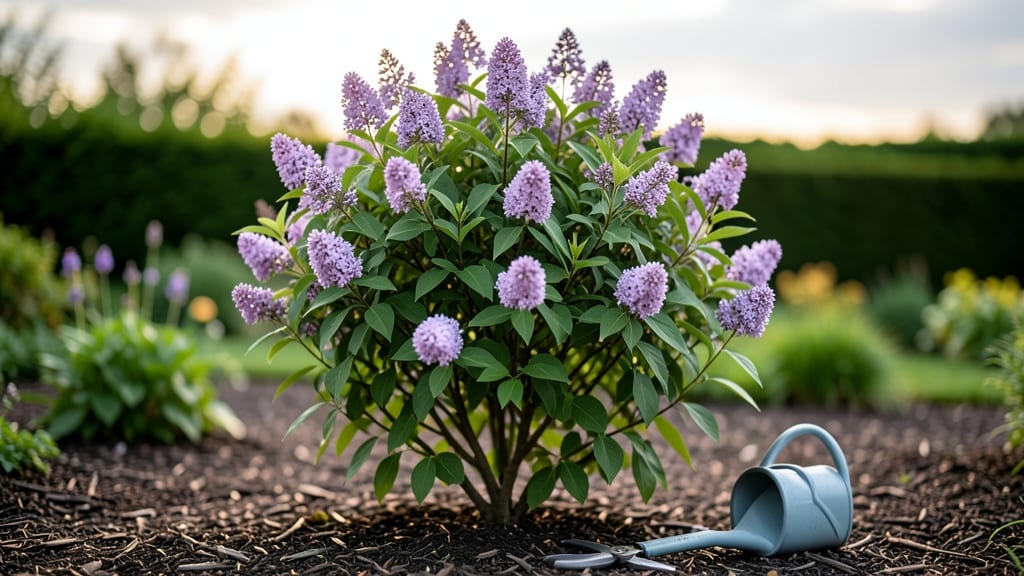
The dwarf Korean lilac tree (Syringa meyeri) brings year-round fragrance to small gardens without the bulk of traditional lilacs. I planted mine last spring, and now it’s the star of my patio—compact enough for containers yet packed with intoxicating blooms that last from spring through fall.
The key to keeping it lush and fragrant? Pruning it right after flowering, before new growth starts. That single habit transformed my lilac from a scraggly shrub into a neat, blooming machine every season.
This little powerhouse thrives in partial sun to full sun and tolerates most soils, but it hates soggy roots. I learned that the hard way when my first one nearly drowned in a heavy clay spot—now it sits in a raised bed with fast-draining mix.
The dwarf variety stays under 6 feet tall, making it perfect for tight spaces, balconies, or even large pots. And yes, it does bloom on old wood, so you can prune anytime after flowering without sacrificing next year’s scent.
By following the three-step pruning method I’ll share, you’ll encourage bushier growth, more flowers, and a shape that looks intentional (not hacked). The payoff? A fragrant cloud that lingers in your yard for months, with minimal effort.
Plus, the dark green leaves stay glossy all year—even in winter—adding texture when most shrubs go dormant. Ready to make yours the neighborhood’s most talked-about lilac?
Works just as well in containers as in-ground, so whether you’ve got a postage-stamp yard or a sunny balcony, this tree delivers. The secret’s in the timing and cuts—no guesswork, just reliable blooms and that signature lilac perfume. Let’s get your pruners ready.
📚 In This Guide
- What you need
- Instructions
- Tips and common mistakes
- Wrapping up and next steps
What you need
- ● Pruning shears: Bypass pruners (sharp, clean, and sterilized) for clean cuts on small branches.
- ○ Loppers: For thicker stems (optional if your tree is young or small).
- ● Garden gloves: Heavy-duty, cut-resistant gloves to protect your hands from thorns and sharp branches.
- ● Disinfectant (70% isopropyl alcohol or bleach solution): 1 part bleach to 9 parts water to sterilize tools between cuts.
- ○ Pruning sealant (optional): For sealing larger cuts (e.g., Tanglefoot Tree Wound Pruning Sealer).
- ● Trash bags or bucket: For collecting pruned branches and debris.
- ● Choose a dry, sunny day to prune—avoid wet or windy conditions.
- ● Wear protective clothing (long sleeves, closed-toe shoes) to avoid scratches.
- ● Have a clear plan: Sketch or mentally map out which branches to trim for shape and airflow.
- ● Water the tree 1–2 days before pruning to reduce stress.
- ● 🔥 Timing matters: Prune after flowering (late spring/early summer) to encourage new blooms.
- ● ✨ Safety first: Always cut above a bud or branch collar to promote healing.
- ● 🌡️ Tool care: Sharpen blades annually and store tools in a dry place to prevent rust.
Step-by-Step pruning guide for your dwarf Korean lilac tree
Here’s how to shape your compact lilac for abundant blooms and tidy growth all season.
Time Your First Pruning After Flowering
Wait until late spring or early summer, right after your lilac finishes blooming. This ensures you never cut off next year’s flower buds, which form on last year’s growth. Look for spent blooms to fully brown before pruning—this is your cue that the tree has finished flowering.
If you prune too early, you risk removing flower buds before they develop. If you wait too long (fall or winter), you’ll encourage weak, leggy growth. I like to prune in June in most climates, but adjust based on your local frost dates.
Remove Dead or Crossing Branches First
Start by thinning out dead, diseased, or crossing branches—these compete with healthy growth and reduce airflow. Use clean, sharp pruning shears to make 45-degree cuts just outside the branch collar (the swollen area where the branch meets the trunk). Avoid leaving stubs, as they invite rot.
If a branch is thicker than ½ inch, use a pruning saw for a clean cut. Remove any branches rubbing against others or growing inward—they’ll weaken the tree over time. This step keeps your lilac’s structure open and airy, which prevents fungal issues.
Shape the Tree by Selective Trimming
Focus on light shaping—never remove more than ⅓ of the tree’s foliage in one season. Start at the bottom and work upward, cutting back 1-2 inches from the tips of branches to encourage bushier growth. Avoid heavy pruning, as dwarf lilacs bloom on old wood and need their established framework.
For a rounded shape, trim outward-facing branches slightly shorter than inward ones. This creates balance and prevents a lopsided appearance. If a branch is overcrowded, thin it out by removing the smallest stems—this improves light penetration and flower production.
Lightly Prune for Renewal in Late Summer
In late August or early September, give your lilac a light renewal prune to stimulate new growth for next year. Trim back 10-15% of the oldest stems by about ⅓ of their length. This encourages fresh, vigorous shoots that will bloom more heavily in spring.
Skip this step if your tree looks stressed—over-pruning in late summer can weaken dwarf lilacs. Instead, focus on removing only the most vigorous, overgrown branches. The goal is to refresh the tree without shocking it before winter.
Clean Up and Prepare for Winter
After your final pruning of the year (by October), collect all clippings and dispose of them in the trash—not the compost pile. Lilac prunings can harbor pests or diseases that may re-infect the tree. Rake up fallen leaves and debris around the base to reduce fungal risks.
Apply a 2-3 inch layer of mulch (like the 4 cubic feet of shredded bark you’ll use) around the tree’s base, keeping it 6 inches away from the trunk. This protects roots from freeze-thaw cycles and retains moisture. Water deeply before winter if your area gets little rainfall.
Tips & tricks for pruning your dwarf Korean lilac tree
Mastering the art of pruning your compact lilac ensures those fragrant blooms return year after year without stressing the tree.
Timing is Everything: In Step 1, when you're waiting for spent blooms to fully brown, take note of the tree's natural rhythm. The June target window works for most climates, but if your area has late frosts, push it to early July. I've seen lilacs bloom as late as mid-June in cooler zones—wait until those final flowers fade completely before pruning. This patience prevents accidentally removing next year's flower buds, which form on last year's growth.
Tool Precision Matters: For Step 2, when dealing with branches thicker than ½ inch, invest in a quality pruning saw with a fine-tooth blade. The clean, angled cut you make at the branch collar (that swollen area) is critical—it prevents water from pooling and causing rot. I always disinfect my tools with rubbing alcohol between cuts to prevent spreading any potential diseases lurking in the tree.
Structural Balance Tip: In Step 3, when shaping your tree, think of it like sculpting—you're not just cutting branches, you're creating an architectural masterpiece. For a naturally rounded shape, trim outward-facing branches about ¼ inch shorter than inward ones. This creates that perfect dome shape while maintaining airflow. And remember, those 1-2 inches you're cutting back encourage bushier growth without overstressing the tree.
Late Summer Renewal Strategy: The 10-15% of oldest stems you trim in Step 4 might seem like a small percentage, but it makes all the difference. Focus on stems that are visibly weaker or have fewer blooms—they're the ones holding back your tree's potential. Cutting them back by ⅓ of their length stimulates fresh growth that will produce more abundant flowers next spring. This is where you'll see the biggest reward for minimal effort.
Pro Tips for Dwarf Korean Lilac Tree
- Mastering the art of pruning your compact lilac ensures those fragrant blooms return year after year without stressing the tree.
- Timing is Everything: In Step 1, when you're waiting for spent blooms to fully brown, take note of the tree's natural rhythm.
- Tool Precision Matters: For Step 2, when dealing with branches thicker than ½ inch, invest in a quality pruning saw with a fine-tooth blade.
Frequently asked questions
Got questions about keeping your dwarf Korean lilac tree in tip-top shape? Here are some of the most common ones—and their answers!
When is the best time to prune my dwarf Korean lilac?
The ideal time to prune is right after flowering (late spring to early summer). This ensures you don’t cut off next year’s blooms while keeping the tree tidy. Light shaping can also be done in late winter, but avoid heavy pruning then—it stresses the plant.
How much can I trim back without harming the tree?
Aim to remove no more than 1/3 of the foliage in one pruning session. For dwarf varieties, this usually means trimming just the leggy stems or overgrown branches. Avoid "topping" (cutting the top flat)—it encourages weak growth. Pro tip: Use sharp, sterilized shears for clean cuts!
Why isn’t my dwarf Korean lilac blooming as much as it used to?
Over-pruning, poor sunlight (needs 6+ hours of sun daily), or nutrient deficiencies can reduce blooms. Check for dead wood, thin out crowded branches, and fertilize lightly in early spring with a balanced, slow-release formula. If pests like aphids are present, treat with neem oil.
Can I grow a dwarf Korean lilac in a container?
Yes! Dwarf varieties thrive in containers (15–20 gallons) with well-draining soil. Just ensure the pot has drainage holes and replant every 2–3 years to refresh the soil. Place it in a sunny spot and water when the top inch of soil is dry. Bonus: Container-grown lilacs are easier to move for winter protection!
How do I protect my dwarf Korean lilac in winter?
Mulch the base with 2–3 inches of shredded bark to insulate roots, and wrap the trunk with burlap if temperatures drop below 10°F (-12°C). Avoid heavy snow buildup—gently brush it off to prevent branch damage. Most dwarf varieties are hardy to Zone 4, but young trees may need extra care.
Wrapping up and next steps
The dwarf Korean lilac tree is a fragrant, low-maintenance gem that rewards you with year-round beauty and minimal effort! With the right pruning techniques—like timing, tool selection, and gentle shaping—you’ll keep it lush, compact, and blooming effortlessly.
Whether you’re a novice gardener or a seasoned pro, these steps ensure your lilac stays healthy and vibrant for seasons to come.
Ready to transform your space? Grab your tools and get pruning! 🌿✂️ Start small, observe your tree’s growth, and soon, you’ll have a thriving, fragrant centerpiece that brings joy all year. Happy gardening!