
Pruning
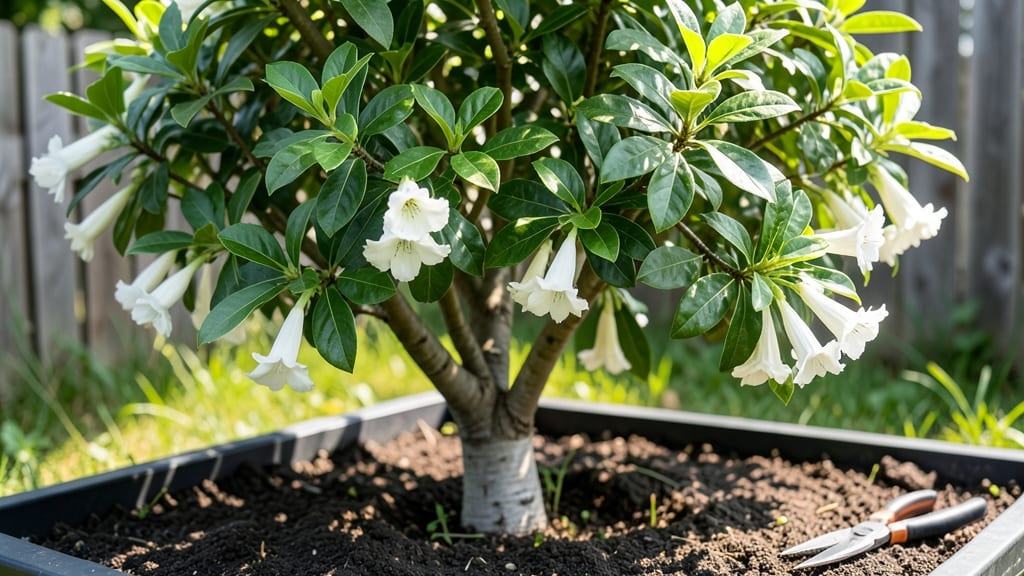
Caring for a mock orange tree means waking up to that intoxicating fragrance every spring—something I learned the hard way after nearly killing mine with over-pruning.
These trees thrive when you respect their natural shape and seasonal rhythms, and the payoff is flowers that smell like heaven before they even bloom. The secret lies in understanding when to cut, how much to feed, and exactly where to plant them for that effortless, lush look.
Mock orange trees (Philadelphus) love well-draining soil and full sun to partial shade, but they’ll forgive a little neglect if you get the basics right. You’ll need basic pruning tools, a balanced fertilizer, and patience—these aren’t fast growers, but they reward loyalty with decades of fragrant blooms.
The best time to plant is in early spring or fall, when roots can establish before extreme heat or cold.
Once established, they’re nearly foolproof: water deeply once a week unless it rains, and prune right after flowering to shape the tree without sacrificing next year’s blooms.
You’ll end up with a compact, fragrant shrub that hummingbirds adore and neighbors envy. The key is timing—cut too late, and you lose next season’s flowers.
Works beautifully in foundations, borders, or even containers for smaller spaces. Here’s how to keep yours thriving year after year without the guesswork.
📚 In This Guide
- What you need
- Instructions
- Tips and common mistakes
- Wrapping up and next steps
What you need
- ● Pruning shears – Sharp, bypass-style shears (4-6 inch blades) for clean cuts.
- ● Loppers – For thicker branches (8-10 inch blades), ideal for 2+ inch stems.
- ● Pruning saw – A curved-tooth saw for large branches (12+ inches in diameter).
- ● Gloves – Heavy-duty, gardening gloves (leather or reinforced) to protect hands from thorns.
- ● Disinfectant – 70% isopropyl alcohol or a 10% bleach solution (1 part bleach to 9 parts water) to sterilize tools.
- ● Rag or paper towels – For wiping down tools between cuts.
- ○ Garden twine or zip ties – To secure large branches during pruning (optional but helpful).
- ● Hand pruners (felco) – For precision work on smaller branches.
- ● Pole saw – If your tree is tall (10+ feet) and hard to reach.
- ● Tree wound dressing – Pruning sealant (controversial but useful for large cuts).
- ● Ladder or step stool – For safe, high-reach pruning.
- ● Notebook & pen – To sketch your tree’s shape before pruning.
Instructions for year-round mock orange tree care
Here's how to keep your mock orange tree blooming beautifully through every season.
🌿 Step 1: Understand Your Tree's Light and Soil Needs
Mock orange trees thrive in full sun to partial shade, with at least 6 hours of direct sunlight daily. If you notice leaves yellowing or sparse blooms, it's likely getting too little light. Plant in well-draining soil with a slightly acidic to neutral pH (6.0-7.0)—mock oranges hate soggy roots.
I always test soil drainage before planting by digging a hole and filling it with water. If it drains within 15-30 minutes, the soil is perfect. Amend heavy clay with 1-2 inches of compost mixed into the top 12 inches of soil. This prevents root rot while keeping nutrients available for those fragrant spring blooms.
✂️ Step 2: Master Seasonal Pruning for Continuous Blooms
Prune mock orange trees right after flowering (late spring) to encourage next year's blooms. Use clean, sharp pruners to make cuts at a 45-degree angle just above a bud or branch collar. Remove dead, diseased, or crossing branches first—this opens the canopy for better airflow and light penetration.
Here's the thing—mock oranges bloom on old wood, so avoid heavy pruning in fall or winter. Limit yourself to no more than 20-25% of the tree's total growth per year. You'll know you're doing it right when you see new growth emerging from the sides within 4-6 weeks of pruning.
💧 Step 3: Water Deeply and Strategically
Water deeply once a week during the first growing season to establish strong roots. Mock orange trees develop deep taproots, so 1-2 inches of water per week is plenty once established. Check moisture by sticking your finger 3 inches into the soil—if it's dry, water thoroughly until it runs out the drainage holes.
Overwatering is the biggest mistake I see with mock oranges. Yellowing leaves or wilting despite moist soil usually means root rot from poor drainage. If you notice this, reduce watering and improve drainage by adding 2-3 inches of organic mulch around the base (but keep it 3-4 inches away from the trunk to prevent rot).
☀️ Step 4: Fertilize for Vibrant Growth and Blooms
Feed your mock orange tree once in early spring with a balanced 10-10-10 fertilizer (about ¼ cup per inch of trunk diameter). Spread the granules evenly in a 12-inch circle around the base and water deeply to activate them. This timing gives roots time to absorb nutrients before new growth begins.
Skip fall fertilization—mock oranges go semi-dormant in cooler months, and extra nutrients can encourage weak, late-season growth that won't survive winter. You'll know fertilization is working when you see darker green leaves and more abundant blooms the following spring. If leaves turn brown at the tips, you've overdone it—reduce fertilizer by half next time.
⏰ Step 5: Protect Through Winter and Prepare for Spring
Mock orange trees are hardy but benefit from winter mulching in colder climates. Apply 3-4 inches of shredded bark or leaves around the base in late fall, then remove it in early spring before new growth starts. This insulates roots while preventing moisture buildup that could cause rot.
Watch for late winter frost damage—if buds swell before last frost, cover the tree with frost cloth for a few nights. Once spring arrives, prune out any frost-damaged branches (they'll be brown and brittle) to redirect energy to healthy growth. You'll see new shoots emerging by late April or early May, signaling it's time to step up watering and fertilization.
Tips & tricks for perfect mock orange tree care
Common pitfalls—and how to sidestep every one—when keeping your mock orange tree thriving year-round.
Light and Soil Mastery: Don't just guess at sunlight—use a simple trick to test your spot. Place a small white plate where your tree will live and check it every few hours. If the plate gets sun for at least 6 hours, you're good. For soil, the 15-30 minute drainage test is non-negotiable. If water pools after 30 minutes, amend with more compost or consider raised beds. Mock oranges despise soggy roots, and this simple test prevents years of frustration.
Pruning Precision: When you prune right after flowering in late spring, focus on the "one-third rule"—never remove more than 20-25% of the tree's total growth in one year. I learned this the hard way after over-pruning and watching my tree struggle to bloom the next season. Make your cuts just above a bud at a 45-degree angle, and always sterilize your pruners with rubbing alcohol between cuts to prevent disease spread.
Watering Wisdom: The key to watering mock orange trees is patience. During the first year, water deeply once a week—but don't just splash at the surface. Stick your finger 3 inches into the soil. If it's dry, water until it runs out the drainage holes. Once established, you'll rarely need to water more than once a week, even in summer. Overwatering causes more problems than underwatering, so resist the urge to check on your tree daily.
Fertilizer Timing: That early spring feeding with 10-10-10 fertilizer is your secret weapon for abundant blooms. But here's what nobody tells you—measure the trunk diameter at chest height, then use exactly ¼ cup per inch. Spread it evenly in a 12-inch circle around the base, then water deeply to activate. If you see brown tips on leaves after fertilizing, you've overdone it. Cut your next application in half and give the tree time to recover before blooming season.
Pro Tips for Mock Orange Tree Care
- Common pitfalls—and how to sidestep every one—when keeping your mock orange tree thriving year-round.
- Light and Soil Mastery: Don't just guess at sunlight—use a simple trick to test your spot.
- Pruning Precision: When you prune right after flowering in late spring, focus on the "one-third rule"—never remove more than 20-25% of the tree's total growth in one year.
Frequently asked questions
about mock orange tree care—because even pruning pros need a little guidance!When is the best time to prune a mock orange tree?
The ideal time is late winter or early spring (just before new growth starts), but you can also light prune in summer to shape it. Avoid heavy pruning in fall—it may stimulate tender growth that won’t survive winter. Pro tip: If you missed the window, a light trim in early spring is better than none!
Can I prune mock orange trees in winter?
While mock orange trees are dormant in winter, pruning then can expose branches to harsh cold, risking dieback. Light deadwood removal is fine, but save major pruning for late winter/early spring. If you must prune in winter, do it on a mild day (above freezing) and avoid heavy cuts.
How much can I prune my mock orange tree?
Mock orange trees tolerate moderate pruning—never remove more than 25-30% of the canopy in one session. Heavy pruning can reduce flowering or harm the tree. Focus on dead, crossing, or overcrowded branches first, then shape lightly. Pro tip: Step back often to check balance!
Why aren’t my mock orange flowers blooming?
Poor blooming often stems from over-pruning, nutrient deficiencies, or stress (like drought or root damage). Ensure your tree gets full sun (6+ hours/day), well-draining soil, and balanced fertilizer in early spring. If blooms are sparse, prune less aggressively next year.
Are there dwarf mock orange varieties for small gardens?
Yes! If space is limited, try ‘Compacta’ or ‘Scented Wonder’—both stay under 4-6 feet tall while still producing fragrant blooms. They require the same care as standard varieties but are perfect for containers or tight spaces. Bonus: Their smaller size makes pruning easier!
What should I do if my mock orange tree has brown leaves?
Brown leaves usually signal overwatering, underwatering, or fungal issues. Check soil moisture (it should be damp but not soggy) and adjust watering. If fungal disease (like powdery mildew) is suspected, prune affected branches 1 inch below the damage and treat with fungicide. Pro tip: Improve airflow with strategic pruning!
Wrapping up and next steps
Caring for your mock orange tree is all about balance—pruning at the right time, providing the right conditions, and staying patient as it grows. With the right tools, techniques, and a little love, your tree will reward you with fragrant blooms and lush foliage for years to come! 🌸
Ready to take the next step? Grab your pruners and schedule that first trim—your mock orange tree is waiting for you! 🌱