
Planting
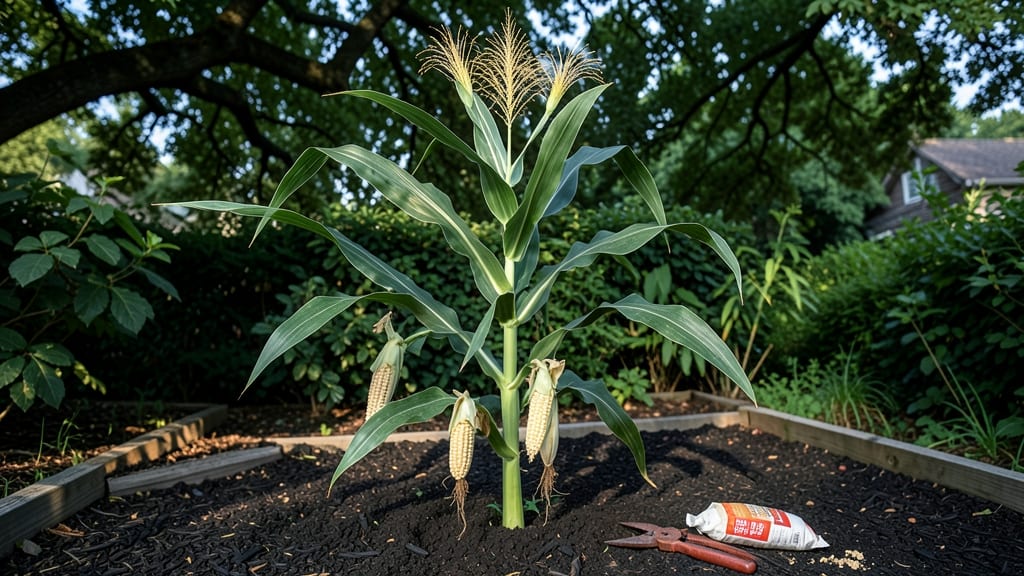
Mastering corn tree plant care for your Dracaena fragrans ensures a thriving, fuss-free houseplant that only gets more stunning with time—even if you occasionally skip watering. 🌱 I’ve had mine for five years, and it’s only ever looked better—no brown tips. no droopy leaves, just steady, reliable growth.
The secret lies in understanding its simple needs: bright, indirect light, occasional watering, and the occasional dusting of its leaves.
This plant tolerates neglect better than most, making it perfect for busy gardeners or first-time plant parents. You’ll need well-draining soil, a pot with drainage holes, and a spot where it gets a few hours of morning sun—no harsh afternoon rays.
Overwatering is the biggest mistake, but even then, it’ll bounce back if you catch it early.
By the end of the year, you’ll have a corn tree that’s taller, fuller, and more vibrant than when you started. The leaves stay glossy, the stems stay sturdy, and it even purifies the air—all while requiring less attention than most houseplants. Let’s get yours thriving without the guesswork.
Whether you’re dealing with yellowing leaves or wondering how to prune it back, this care guide covers everything you need to keep your corn tree happy for years. No green thumb required—just a little patience and the right approach.
📚 In This Guide
- What you need
- Instructions
- Tips and common mistakes
- Wrapping up and next steps
What you need
- ● Corn Tree Plant: A healthy Cornus florida (spring or fall transplant, 3–5 gallons in size). Pro tip: 🌡️ Choose a plant with firm stems and vibrant leaves!
- ● Well-Draining Soil: 5–10 bags (2–3 cubic feet each) of loamy, slightly acidic soil (pH 4.5–6.0). Mix with 1 part compost for nutrients.
- ● Organic Mulch: 2–3 bags of pine bark or shredded leaves (3–4 inches thick) to retain moisture and regulate soil temp.
- ● Watering Can or Hose: A 1–2 gallon watering can (or garden hose with a gentle spray nozzle).
- ● Fertilizer: Balanced 10-10-10 or slow-release granular fertilizer (1–2 lbs per 100 sq. ft.).
- ● Pruning Tools: 1 pair bypass pruners (for small branches).
- ● 1 pruning saw (for thicker stems).
- ● Garden Gloves: Heavy-duty gloves to protect hands during planting/pruning.
- ● Staking System: 2–3 bamboo stakes + soft ties (if planting in windy areas).
- ○ Soil pH Test Kit: To verify soil acidity before planting (optional but helpful!).
- ● Pest Control: Neem oil spray (for aphids or borers—apply as needed).
- ○ Decorative Stones: Landscape rocks (for mulch aesthetics, optional).
Step-by-Step guide to nurturing your corn tree for lush, year-round growth
Here's how I keep my corn trees thriving with just a few key adjustments—no fuss, just consistent results.
🌿 Step 1: Select the Perfect Spot for Light and Airflow
The corn tree (Dracaena fragrans) thrives in bright, indirect light—think east or west-facing windows where sunlight filters through sheer curtains. Direct afternoon sun can scorch its broad leaves, while dim corners cause leggy growth and pale foliage. I position mine near a window but slightly back from the glass, where it gets morning sun and afternoon shade.
Air circulation matters just as much as light. Place your corn tree in a spot where air moves gently—near an open window with a breeze or a small fan on low. Stagnant air encourages spider mites, which love the dry conditions these plants often create indoors. You'll notice healthier leaves and fewer brown tips when airflow is consistent.
☀️ Step 2: Master the Watering Balance for Healthy Roots
Corn trees hate soggy soil but also despise dryness. Water when the top 2 inches of soil feel dry to the touch, typically every 7-10 days depending on humidity and temperature. I use room-temperature water to avoid shocking the roots, and I always water until it drains freely from the bottom—no sitting in saucers of water, which leads to root rot.
Here's the thing—corn trees store water in their leaves, so they can handle occasional missed waterings better than overwatering. If you're unsure, underwater slightly. Drooping leaves usually bounce back within hours of a good drink, but yellowing or mushy stems signal overwatering. Adjust your schedule based on the season: less in winter, more in summer when the air dries out faster.
💧 Step 3: Feed and Fertilize for Vibrant Growth
Use a balanced, water-soluble fertilizer (like 10-10-10) diluted to half-strength every 4-6 weeks during spring and summer. This gives your corn tree the nutrients it needs without overwhelming its system. I skip fertilizing in fall and winter when growth naturally slows. Over-fertilizing causes salt buildup in the soil, which burns roots and leaves—you'll see brown tips or crispy edges as a warning sign.
For extra care, I occasionally wipe the leaves with a damp cloth to remove dust, which helps them absorb more light. This also gives me a chance to check for pests like spider mites or mealybugs. Healthy leaves should feel firm and slightly leathery to the touch. If they feel soft or discolored, it's time to adjust your care routine.
✂️ Step 4: Prune and Shape for Fullness and Health
Corn trees respond beautifully to pruning. Trim back leggy stems or yellowing leaves with clean, sharp scissors just above a leaf node. This encourages bushier growth and prevents the plant from becoming top-heavy. I prune in early spring to shape the plant and remove any dead or damaged foliage. Never prune more than one-third of the plant at a time, or you'll stress it unnecessarily.
You can also propagate cuttings from healthy stems. Dip the cut end in rooting hormone and place it in moist potting mix. Keep it warm and humid until roots form—usually in 4-6 weeks. This is a great way to expand your collection without spending money. Just watch for signs of new growth, like tiny leaves or firm stems, to confirm successful rooting.
Tips & tricks for perfect corn tree plant care
Between us, these small adjustments make all the difference for your corn tree's long-term health.
Light Positioning: Notice how I mentioned bright, indirect light in Step 1? The key is finding that sweet spot where your corn tree gets morning sun but is shaded from harsh afternoon rays. If you notice leaves turning yellow or brown near the edges, it's getting too much direct sun—move it back another foot. For apartments without ideal windows, a grow light on a timer for 12-14 hours daily works wonders.
Watering Technique: The "top 2 inches dry" rule from Step 2 is crucial, but here's what nobody tells you—use your finger to check moisture, not just the surface. Stick it in about 2 inches deep; if it feels dry, water thoroughly until it drains from the bottom. I've learned the hard way that saucers under pots are the enemy—always empty excess water after 10 minutes to prevent root rot.
Fertilizer Strategy: When you're using that half-strength 10-10-10 fertilizer every 4-6 weeks, here's my secret: flush the soil with plain water after 3 months of fertilizing. This prevents salt buildup that causes those unsightly brown tips. I mix a cup of plain water with a drop of dish soap in a spray bottle and lightly mist the leaves monthly—it doubles as a dust remover and pest deterrent.
Pruning Insight: That one-third rule in Step 4 is non-negotiable, but here's how to maximize your pruning: cut just above a leaf node at a 45-degree angle for better regrowth. Save your clippings—you can root them in water for free new plants! Just be patient; it takes about 4-6 weeks to see roots form, and you'll know it's working when you see tiny new leaves emerging.
Pro Tips for Corn Tree Plant Care
- Between us, these small adjustments make all the difference for your corn tree's long-term health.
- Light Positioning: Notice how I mentioned bright, indirect light in Step 1?
- Watering Technique: The "top 2 inches dry" rule from Step 2 is crucial, but here's what nobody tells you—use your finger to check moisture, not just the surface.
Frequently asked questions
How often should I water my corn tree?
Water your corn tree when the top 1–2 inches of soil feel dry. Typically, this means watering every 1–2 weeks, but adjust based on humidity, pot size, and season. Overwatering is the #1 killer—always ensure the pot has drainage holes to prevent root rot.
Can a corn tree survive winter indoors?
Corn trees (like the Dracaena fragrans) thrive indoors year-round. Keep them in bright, indirect light (like near a north or east-facing window) and maintain moderate humidity (mist leaves or use a pebble tray). Avoid cold drafts—60–75°F is ideal.
Why are my corn tree leaves turning yellow?
Yellow leaves usually signal overwatering or poor drainage. Check the soil—if it’s soggy, let it dry out. Other causes? Underwatering, nutrient deficiency, or fluoride sensitivity (common in tap water). Switch to filtered or distilled water and trim yellowed leaves to encourage new growth.
How do I prune a corn tree for bushier growth?
Prune in spring or early summer to encourage fuller growth. Trim dead or yellow leaves at the base, and cut back leggy stems by 1/3 just above a leaf node. Use clean, sharp scissors to avoid damaging the plant. Never prune more than 25% at once—go slow for the best results!
Are corn trees toxic to pets?
Yes, corn trees are toxic to cats and dogs if ingested. They contain saponins, which can cause drooling, vomiting, or diarrhea. Keep your plant out of reach, and watch for signs of pet curiosity. If your pet nibbles, contact your vet or the ASPCA Poison Control immediately.
Wrapping up and next steps
Caring for a corn tree plant is a rewarding experience—with just a little attention to its light, water, and soil needs, you’ll enjoy lush foliage and even edible ears year-round! 🌱 Whether you’re a beginner or a seasoned gardener, these simple steps ensure your plant thrives with minimal fuss.
Ready to take the next step? Start by planting your corn tree in a sunny spot, and soon you’ll be harvesting fresh ears or admiring its vibrant leaves. Happy growing!