
Flowers
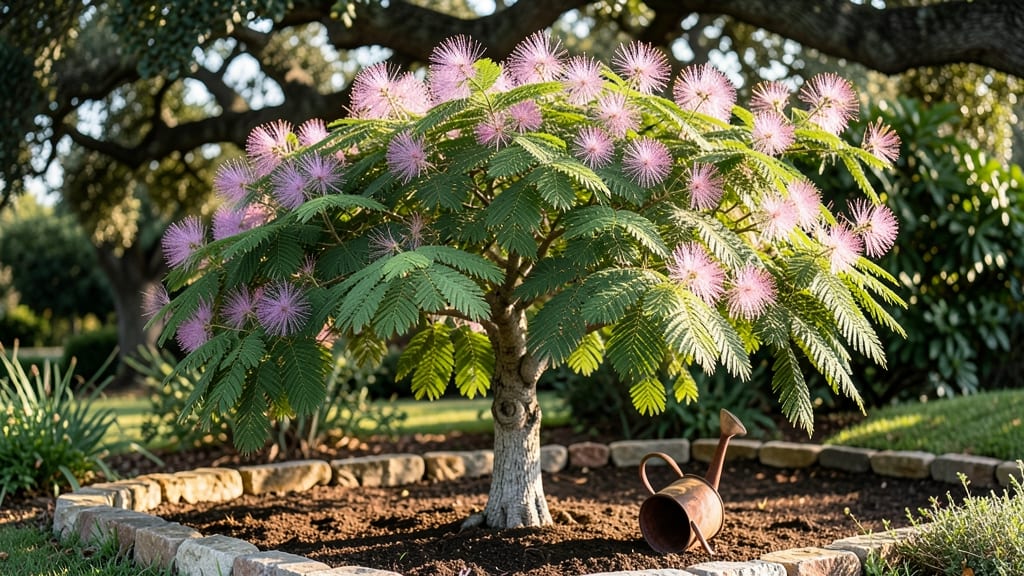
Mimosa tree flowers turn summer into a cloud of pink, fluffy magic—if you know how to coax them into full bloom. 🌸 I've learned the hard way that these delicate puffs don't just happen; they need the right pruning rhythm, sunlight balance, and a little seasonal patience.
The difference between a tree that bursts with color and one that barely blooms comes down to timing and technique.
Start with well-draining soil and a spot where the tree gets full sun for at least 6 hours daily. Mimosa trees thrive in zones 6-9, but they're surprisingly adaptable to different climates once established. The key to those signature flowers?
Pruning in late winter or early spring—right before new growth starts. This isn't just about shaping; it's about encouraging the tree to focus its energy on blooms instead of excess foliage.
By summer, you'll be rewarded with cascading clusters of pink, fuzzy flowers that smell like cotton candy on a warm day. The more you prune strategically, the more dramatic the display becomes—think of it as training a showstopper.
Just be ready for the trade-off: mimosa trees drop their leaves in fall, but their winter skeleton adds its own kind of beauty to the landscape.
Perfect for cottage gardens, urban streetscapes, or even large containers—just give them space to grow. The secret to long-term success? A little maintenance now means years of fragrant, eye-catching blooms that neighbors will envy. Ready to transform your yard into a mimosa dream?
📚 In This Guide
- What you need
- Instructions
- Tips and common mistakes
- Wrapping up and next steps
What you need
- ● Mimosa tree seeds or sapling: Choose Albizia julibrissin (common mimosa) for best results. If using seeds, ensure they’re fresh or pre-soaked for 24 hours to break dormancy.
- ● Well-draining potting mix: A blend of 60% garden soil, 30% perlite, and 10% compost (for pots) or amended native soil (for in-ground planting). Mimosa trees hate soggy roots!
- ○ Container (optional but recommended for young trees): Minimum 15-gallon pot for saplings (2–3 years old).
- ● Drainage holes mandatory—use a pot saucer to catch excess water.
- ● Slow-release fertilizer (5-10-5 ratio): 1–2 tablespoons per plant at planting time, or a granular fertilizer for in-ground trees.
- ● Hand trowel or spade: For digging holes (1.5x wider than the root ball) or transplanting.
- ● Pruning shears (sharp & sterilized): Disinfect with rubbing alcohol before use to prevent disease.
- ● Garden gloves: Mimosa saplings have delicate thorns—protect your hands!
- ● Watering can or hose with a gentle spray nozzle: Mimosa trees prefer deep but infrequent watering (1–2 gallons per week for young trees).
- ○ Mulch (optional but helpful): 2–3 inches of wood chips or straw to retain moisture and regulate soil temperature.
- ● Sunlight access: Full sun (6+ hours/day) is non-negotiable—mimosa flowers thrive in warmth!
- ○ Patience (🌟 optional but recommended): Mimosa trees grow 2–3 feet per year and may take 3–5 years to bloom fully.
- ● Overwatering: Mimosa trees are drought-tolerant once established—let the soil dry slightly between waterings.
- ● Heavy clay soil: Amend with sand or compost if your soil is dense.
- ● Fertilizer overuse: Too much nitrogen = fewer flowers! Stick to the 5-10-5 ratio.
Step-by-step guide to cultivating vibrant mimosa tree flowers
Here's how to coax those signature fluffy blooms into full, fragrant display.
🌱 Step 1: Plant in Well-Draining, Sunlit Soil
Choose a location with full sun exposure (6-8 hours daily) and soil that drains quickly—mimosa trees despise soggy roots. Amend heavy clay with 2-3 inches of compost to improve aeration. Dig a hole twice as wide as the root ball but only as deep as the container it came in. This prevents burying the trunk too deeply, which can cause rot.
Gently remove the tree from its container and loosen any circling roots with your fingers. Place it in the hole so the top of the root ball sits level with the surrounding soil. The mimosa's natural resilience means it tolerates a bit of rough handling, but you'll see stronger growth when roots establish quickly.
☀️ Step 2: Water Deeply After Planting
After positioning the tree, fill the hole with water and let it drain completely. This settles the soil around the roots and eliminates air pockets that could strangle new growth. Water again until 2 inches of soil feels moist—you're aiming for dampness, not saturation. Mimosa trees are drought-tolerant once established, but young plants need consistent moisture for root development.
Here's the thing—overwatering is the biggest mistake with mimosa trees. After the initial watering, wait until the top 3 inches of soil feel dry before watering again. You'll know it's time when the soil pulls away slightly from the pot edges. This prevents the root rot that can silently kill mimosa trees.
✂️ Step 3: Prune Strategically for Flower Production
Prune mimosa trees in late winter or early spring before new growth begins. Use clean, sharp pruners to cut back one-third of the previous year's growth just above a leaf bud. This encourages bushier growth and more abundant flowering. Never remove more than a third in one season—you'll sacrifice blooms for years if you over-prune.
Watch for "water sprouts"—those weak, vertical shoots growing from the trunk or branches. Remove these immediately as they drain energy from the tree. You'll see healthier, more compact growth when you keep the canopy open and air circulating. The goal is a tree that looks like a rounded umbrella rather than a lopsided tower.
🌿 Step 4: Fertilize Lightly for Season-Long Blooms
Apply a balanced 10-10-10 fertilizer in early spring when new growth appears. Use only half the recommended dose—mimosa trees are light feeders and respond poorly to heavy applications. Scatter the granules evenly around the drip line (the edge of the tree's canopy) and water deeply to activate them. You'll notice fresh, vibrant green leaves within two weeks of proper feeding.
Skip fall fertilization entirely. Mimosa trees need to harden off for winter, and feeding late in the season encourages tender new growth that won't survive cold snaps. The tree's natural dormancy period is when it stores energy for next year's blooms—don't interrupt that process.
⏰ Step 5: Protect Flowers Through the Season
Mimosa flowers are delicate and easily damaged by wind or rain. If your tree is in an exposed location, consider installing a lightweight trellis or support structure during bloom season. The fluffy seed pods are particularly fragile—you'll see them shatter if they're whipped by strong winds, losing their ornamental value.
Remove any dead or damaged blooms promptly to encourage new flower production. You'll know it's working when you see fresh clusters forming at the branch tips. The more you maintain the tree, the more consistently it will produce those signature pink puffs throughout the growing season.
Tips & tricks for cultivating vibrant mimosa blooms
Between us, these small details make the difference between a mimosa tree that just survives and one that bursts with those iconic pink puffs every season.
Sunlight Strategy: Mimosa trees need that full 6-8 hours of sunlight daily, but here's the thing—morning sun is more important than afternoon sun. Position your tree where it gets bright, direct light in the morning hours. This prevents afternoon sunburn that can scorch delicate leaves and buds. If you're in a hot climate, provide afternoon shade during peak summer months to protect the flowers.
Root Ball Handling: When planting, don't be tempted to bury the root ball too deeply—this is a common mistake that leads to rot. The top of the root ball should sit level with the surrounding soil, not buried. I've seen people plant too deep and end up with a tree that struggles to establish. Also, loosen any circling roots before planting—this helps roots spread outward instead of growing in tight circles.
Watering Wisdom: That initial deep watering after planting is crucial, but don't overdo it. After the first 2 inches of soil feels moist, let the top 3 inches dry out before watering again. I've had mimosa trees die from overwatering—it's a silent killer. For young trees, water consistently but never let them sit in soggy soil. Once established, mimosa trees are surprisingly drought-tolerant, but young plants need that consistent moisture.
Pruning Precision: When you're cutting back that one-third of last year's growth in Step 3, look for branches that are crossing or rubbing against each other. These create weak points where diseases can enter. Also, make your cuts just above a leaf bud—this ensures new growth will sprout from that exact spot. I always use clean, sharp pruners to make clean cuts that heal faster. Never remove more than a third in one season, or you'll sacrifice next year's blooms.
Pro Tips for Mimosa Tree Flowers
- Between us, these small details make the difference between a mimosa tree that just survives and one that bursts with those iconic pink puffs every season.
- Sunlight Strategy: Mimosa trees need that full 6-8 hours of sunlight daily, but here's the thing—morning sun is more important than afternoon sun.
- Root Ball Handling: When planting, don't be tempted to bury the root ball too deeply—this is a common mistake that leads to rot.
Frequently asked questions
Got questions about mimosa tree flowers? You’re not alone! Here are answers to the most common queries—from pruning to blooms—so you can keep your fragrant canopy thriving.
When do mimosa tree flowers bloom, and how long do they last?
Mimosa trees (like Albizia julibrissin) typically bloom in late spring to early summer (May–June in most U.S. zones). Their fluffy, pink or white flowers last 2–4 weeks per flush, but some trees produce a second, lighter bloom in late summer. Pro tip: Warm, sunny days trigger blooming—so water consistently if drought hits!
Why aren’t my mimosa tree flowers opening, even though the buds look healthy?
Bud drop or failure to open often signals stress. Check these fixes:
- Watering: Mimosas hate soggy roots—ensure 1–1.5 inches of water weekly (drip irrigation > overhead).
- Pruning timing: Trim after blooming (late summer/fall) to avoid cutting off next year’s buds.
- Nutrients: A light phosphorus-rich fertilizer (like 5-10-5) in early spring can boost blooms.
- Pests/disease: Yellowing leaves or sawdust-like frass? Spider mites or aphids may be sucking sap—spray with neem oil.
If the issue persists, your tree might need more sunlight (6+ hours daily) or a warmer microclimate.
Can I grow mimosa trees in containers, or do they need to be planted in the ground?
Yes, but with caveats! Mimosa trees can thrive in large containers (20+ gallons) for 3–5 years if:
- You use well-draining soil (mix potting soil with perlite/sand).
- Repot every 2–3 years to accommodate root growth.
- Move containers indoors (or to a garage) in winter zones below 10°F—they’re tender perennials!
Warning: Containers limit root spread, so blooms may be smaller or less frequent than ground-planted trees.
How (and when) should I prune mimosa trees to encourage more flowers?
Prune after the main bloom cycle (late summer/fall) to:
- Remove dead/diseased wood (cut to the branch collar).
- Thin out crowded branches (aim for an open vase shape) to improve airflow.
- Avoid heavy pruning—mimosa trees bloom on new growth, so don’t trim more than 25% of the canopy at once.
Pro tip: Use sterilized pruners to prevent bacterial infections, and seal cuts with pruning sealant if branches are >2 inches thick.
Are there mimosa tree alternatives with similar flowers but fewer allergies?
If you love the look of mimosa blooms but hate the pollen allergies, try these low-allergen alternatives:
Tree/Plant
Flower Color
Bloom Time
Notes
Cercis canadensis (Eastern Redbud)
Pink/purple
Early spring
Deciduous, drought-tolerant, no major allergens.
Lagerstroemia (Crape Myrtle)
Pink, purple, white
Summer
Heat-loving, minimal pollen, great for small spaces.
Hibiscus syriacus (Rose of Sharon)
White, pink, purple
Mid-to-late summer
Fragrant, low-maintenance, attracts pollinators.
Note: All trees produce some pollen, but these are far less allergenic than mimosas.
Wrapping up and next steps
Mastering the art of growing mimosa tree flowers is a rewarding journey that brings beauty, fragrance, and seasonal charm to your garden. With the right pruning techniques, soil care, and patience, you’ll cultivate a stunning canopy that thrives year after year. 🌸
Ready to take the next step? Start by observing your tree’s growth patterns and adjusting your pruning schedule to match its needs. Whether you’re a seasoned gardener or a beginner, every trim brings you closer to a lush, fragrant masterpiece—so grab those shears and get growing!