
Pruning
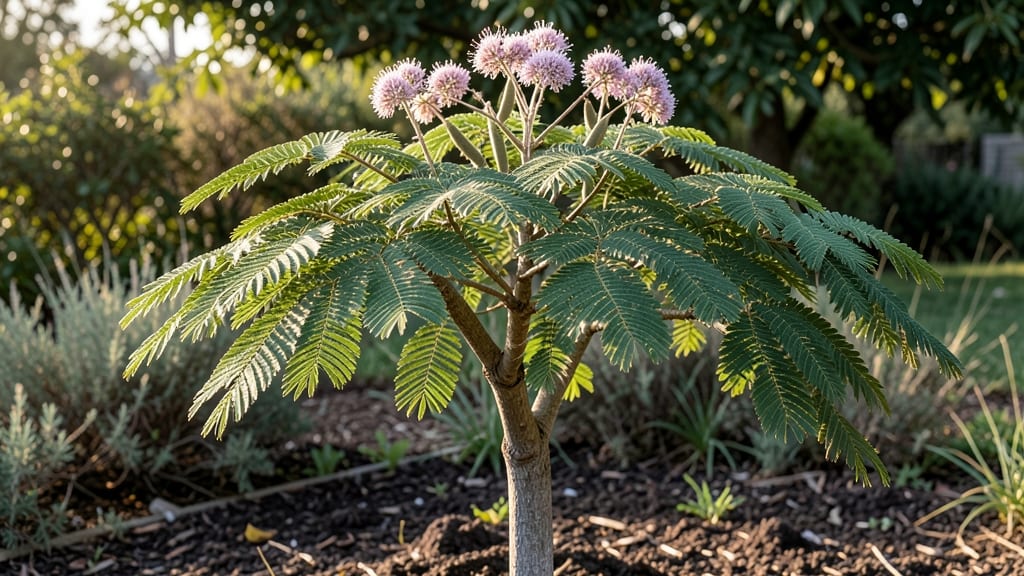
Mimosa tenuiflora trees transform any yard into a fragrant haven with their delicate, pink puffball blooms that smell like cotton candy at dusk. 🌿 I learned the hard way that pruning these fast-growing beauties isn't just about cutting branches—it's about shaping their natural climbing habit while keeping them from becoming unruly vines.
The secret lies in strategic trimming during their dormant season, which turns a wild tangle into a structured, flowering masterpiece.
These trees thrive in full sun and well-draining soil, making them perfect for tropical or subtropical climates where they can spread their vines across fences or trellises. Watering is surprisingly low-maintenance once established—they're drought-tolerant once their roots take hold, but young plants need consistent moisture.
The real magic happens when you prune: removing old growth encourages fresh, fragrant blooms and prevents the plant from becoming invasive in warmer regions.
What you'll end up with is a towering, fragrant vine that smells incredible in the evening and attracts pollinators by the dozens. The blooms last for weeks, and with the right pruning, you'll get continuous flowering throughout the growing season.
Plus, the feathery foliage provides year-round interest even when not in bloom.
For those in cooler climates, treat it as an annual or overwinter it in a container—its tropical nature means it won't survive freezing temperatures.
But in the right zone, this plant becomes the star of your garden, offering both beauty and that unforgettable scent that lingers in the air long after sunset.
📚 In This Guide
- What you need
- Instructions
- Tips and common mistakes
- Wrapping up and next steps
What you need
- ● Mimosa tenuiflora seeds or saplings: 1–3 plants (start with 1 for small gardens, 3+ for larger spaces or hedges). Ensure they’re disease-free and healthy.
- ● Well-draining soil: 5–10 gallons of a mix of 60% garden soil, 30% compost, and 10% coarse sand or perlite (critical for preventing root rot!).
- ● Pruning tools: 1 pair of bypass pruners (for clean cuts on small branches, ¼"–½" diameter).
- ● 1 pair of loppers (for thicker branches, ½"–2" diameter).
- ● 1 pruning saw (for branches >2" in diameter).
- ● Disinfectant: 70% isopropyl alcohol or a 10% bleach solution (1 part bleach to 9 parts water) to sterilize tools between cuts.
- ● Gloves: 1 pair of cut-resistant, heavy-duty gloves (thorns are sharp!).
- ○ Support structure (optional but recommended): 1–2 trellises, stakes, or arbors (6–10 ft tall, depending on desired height).
- ● Soft twine or plant ties (to secure vines without damaging bark).
- ● Mulch: 2–3 inches of organic mulch (e.g., wood chips or straw) to retain moisture and suppress weeds.
- ● Fertilizer: Balanced 10-10-10 or slow-release organic fertilizer (apply sparingly, 2–3 times per year).
- ● Plant food spray: Diluted seaweed extract or fish emulsion (for a natural growth boost).
- ● Pruning sealant: (Only for large cuts >1" diameter to prevent disease entry.)
- ● Sunlight meter: To ensure your tree gets its ideal 6+ hours of direct sunlight daily.
Step-by-Step guide for pruning mimosa tenuiflora trees
Here’s how to shape your fragrant mimosa into a stunning, healthy specimen.
🌿 Step 1: Identify the Right Time to Prune
Prune your mimosa tenuiflora in late winter or early spring, just before new growth begins. This is when the tree is dormant, making it easier to see the structure and avoid damaging fresh buds. Avoid pruning in fall—new growth won’t harden off before winter, and frost can kill tender shoots.
Look for brown, dead branches or those crossing awkwardly. These are your first targets. Healthy branches will have a greenish-brown bark and small, fuzzy leaves. If you’re unsure, gently scratch the bark—if it’s dry and crumbly, it’s dead and ready to go.
✂️ Step 2: Remove Dead, Diseased, or Crowded Branches
Start by cutting back any dead, broken, or diseased branches at their base. Use clean, sharp pruners to make a clean cut just outside the branch collar (the swollen area where the branch meets the trunk). This prevents unsightly stubs and promotes faster healing.
Next, remove branches that are growing inward or rubbing against others. These compete for sunlight and can create wounds that invite pests. Thin out crowded areas to improve airflow—this keeps your mimosa healthy and reduces the risk of fungal issues.
☀️ Step 3: Shape the Tree for Balance and Airflow
Step back and assess the tree’s overall shape. Mimosa tenuiflora grows fast, so it’s easy to let it get leggy. Prune to encourage a rounded, open canopy by cutting back long branches to a strong lateral branch (a side branch that’s at least half the diameter of the main stem).
Focus on the top third of the tree first—this opens up sunlight to lower branches. Avoid over-pruning; remove no more than 25% of the foliage in one session. If you cut too much, the tree may struggle to recover before the growing season kicks in.
💧 Step 4: Encourage New Growth with Strategic Cuts
After shaping, make light cuts on select branches to stimulate bushier growth. Choose branches that are healthy but haven’t bloomed yet—these will respond best. Trim back to just above a leaf node (the bump where leaves attach), leaving 2-3 sets of leaves on the branch.
Water the tree deeply after pruning to help it recover. Mimosa tenuiflora has deep roots, so a slow soak (about 15 gallons) ensures moisture reaches where it needs to go. Avoid fertilizing right after pruning—wait 4-6 weeks to let the tree establish new growth before feeding.
⏰ Step 5: Monitor and Maintain Year-Round
Check your mimosa monthly during the growing season for new dead branches or signs of pests (like spider mites or aphids). Prune out any issues immediately to prevent spread. The tree’s fuzzy leaves make it a magnet for insects, so keep an eye out for yellowing leaves or sticky residue on branches.
In summer, you can do a light trim to control size or shape, but avoid heavy pruning—this stresses the tree when it’s already working hard to produce flowers. The goal is to keep your mimosa open, airy, and full of fragrant blooms without overdoing it.
Tips & tricks for perfect mimosa tenuiflora pruning
Took me years to perfect my mimosa pruning routine—here’s what actually makes the difference between a scraggly bush and a showstopping vine.
Timing Secret: Late winter or early spring is your only shot at pruning success, but don’t wait until buds swell! I’ve ruined too many mimosas by pruning too late—wait until just before new growth appears, when the tree’s dormant but ready to bounce back. If you miss this window, you risk damaging tender new shoots that can’t survive winter.
Tool Wisdom: Skip the hedge trimmers—sharp, clean pruners are non-negotiable. I learned this the hard way after tearing bark and leaving jagged cuts that took months to heal. Sterilize your tools with rubbing alcohol between cuts to prevent spreading any hidden diseases lurking in your tree. For thicker branches, use a pruning saw with a fine-tooth blade to avoid splintering.
Visual Cues for Healthy Cuts: When shaping in Step 3, look for the branch collar—the swollen area where the branch meets the trunk. Your cut should be just outside this collar, leaving no stub. I mark this spot with my thumb before cutting to ensure I don’t accidentally cut too close. This tiny detail makes all the difference in how quickly your mimosa recovers.
Post-Prune Recovery: That 15-gallon slow soak after pruning isn’t just a suggestion—it’s critical. I’ve seen mimosas wilt dramatically after heavy pruning because their deep roots weren’t getting enough water. Use a soaker hose or drip irrigation to deliver water directly to the root zone, keeping it moist (not soggy) for the first two weeks after pruning. This helps the tree focus on healing rather than searching for water.
Pro Tips for Mimosa Tenuiflora Tree
- Took me years to perfect my mimosa pruning routine—here’s what actually makes the difference between a scraggly bush and a showstopping vine.
- Timing Secret: Late winter or early spring is your only shot at pruning success, but don’t wait until buds swell!
- Tool Wisdom: Skip the hedge trimmers—sharp, clean pruners are non-negotiable.
Frequently asked questions
Got questions about growing, pruning, or caring for your Mimosa tenuiflora tree?
Here are some of the most common ones—plus expert answers to keep your fragrant vine thriving!
How fast does Mimosa tenuiflora grow, and how big can it get?
The Mimosa tenuiflora (also called "sensitive plant") grows moderately fast—expect 1-2 feet per year under ideal conditions. With proper care, it can reach 6-10 feet tall and spread 5-8 feet wide, making it a stunning vertical accent in gardens or containers. Pro tip: Prune regularly to control size and encourage bushier growth!
When is the best time to prune Mimosa tenuiflora for maximum blooms?
Prune your Mimosa tenuiflora right after flowering (late spring to early summer) to shape the plant and promote new growth. Avoid heavy pruning in fall/winter, as it may delay spring blooms. Light trimming to remove dead or overcrowded branches can be done year-round. Pro tip: Use sterilized shears to prevent disease!
Does Mimosa tenuiflora need full sun, and what if my yard is shady?
This tropical beauty thrives in full sun (6+ hours daily) but can tolerate partial shade (4-6 hours). In shady spots, expect slower growth and fewer blooms. If your yard lacks sun, place it near a south-facing window or use grow lights indoors. Pro tip: Yellowing leaves? It’s likely craving more sunlight!
Why are the leaves of my Mimosa tenuiflora drooping or turning brown?
Drooping or brown leaves usually signal underwatering, overwatering, or pests. Check soil moisture—it should be damp but not soggy. Spider mites or aphids can also attack stressed plants. Solution: Adjust watering, spray leaves with neem oil, or wipe off pests with soapy water. Pro tip: Mimosa leaves fold at night—don’t panic, it’s normal!
Can I grow Mimosa tenuiflora indoors, and what’s the best pot size?
Yes! This plant adapts well to indoor life near bright windows. Use a 12-18 inch pot with drainage holes and well-draining soil. Rotate the pot weekly for even growth. Humidity lovers: Mist leaves or use a pebble tray. Pro tip: Fertilize lightly every 2 months in spring/summer for vibrant blooms!
Wrapping up and next steps
The Mimosa tenuiflora tree isn’t just a stunning addition to your garden—it’s a fragrant, low-maintenance powerhouse once you master its pruning secrets! With the right tools, timing, and techniques, you’ll encourage lush growth, vibrant blooms, and a towering vine that steals the show. 🌿✨
Ready to transform your outdoor space? Start small—grab your pruners and give those branches a trim today. Before you know it, your Mimosa tenuiflora will reward you with cascading beauty and intoxicating fragrance. Happy pruning!