
Size
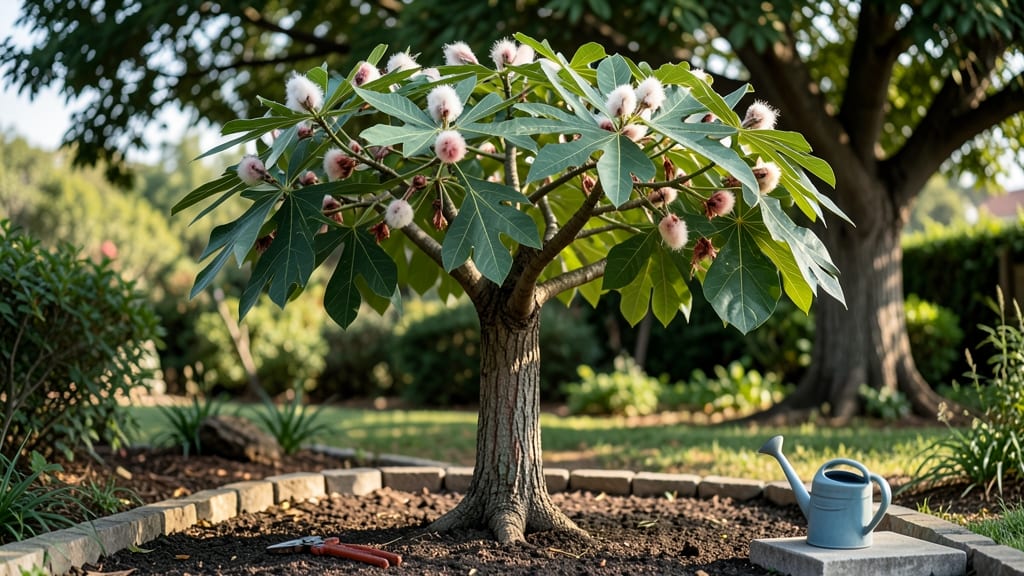
Growing a cotton candy tree brings dreamy, fluffy blooms to your garden that look like they belong in a storybook. 🌸 The secret to success starts with the right soil—well-draining, slightly acidic mix that mimics its natural tropical habitat.
I learned the hard way that soggy soil kills these delicate roots faster than you’d think.
This whimsical tree thrives in full sun to partial shade, making it perfect for warm climates or sheltered spots. Water consistently during the first year, then let the top inch dry between waterings—overwatering is the #1 killer.
With patience, you’ll see those signature cascading flowers by late summer, turning heads at neighborhood gatherings.
Pruning keeps the shape manageable while encouraging more blooms, and a light fertilizer in spring jumpstarts growth. Even beginners can nail this—just avoid drafty areas and sudden temperature swings. The payoff? A tree that looks like it belongs in a fairy tale, not just your backyard.
From container growing to full garden planting, this guide covers all bases so you can enjoy magic without the guesswork. Let’s get those fluffy blooms growing!
📚 In This Guide
- What you need
- Instructions
- Tips and common mistakes
- Wrapping up and next steps
What you need
- ● Cotton Candy Tree Seeds (or a young sapling) – 1–3 seeds (or 1 plant) for best results. Look for Begonia maculata (the "cotton candy tree") at a nursery or online.
- ● Well-draining potting mix – 1–2 gallons, rich in organic matter (e.g., peat moss, perlite, and compost). Avoid heavy clay soil!
- ● 6–8 inch diameter pot – With drainage holes (terracotta or ceramic works best). Upgrade to a 10-inch pot as the plant grows.
- ● Small spray bottle – For gentle watering (1–2 sprays per day for seedlings).
- ● Humidity dome or plastic wrap – To retain moisture while germinating seeds.
- ● Grow lights or bright indirect sunlight – A 60W LED grow bulb or a sunny windowsill (4–6 hours of light daily).
- ● Fertilizer (balanced or succulent mix) – Diluted liquid fertilizer (e.g., 10-10-10) applied every 4–6 weeks once established.
- ○ Tweezers or small gloves – For delicate seed handling (optional but helpful!).
- ● Moisture meter – To check soil dampness (prevents over/under-watering).
- ● Decorative pot or hanging basket – For a whimsical display once mature (8+ inches tall).
- ● Pruning shears – To shape the plant and encourage bushier growth.
- ● Peat pellets or coconut coir – For seed-starting (easier than soil for beginners).
Step-by-step instructions for growing a cotton candy tree
Here's how to bring those dreamy pink clouds to life in your garden.
🌱 Step 1: Choose the Perfect Spot for Your Whimsical Tree
Pick a location with bright, indirect light—think dappled shade under a tree or a north-facing window indoors. Direct sun will scorch those delicate petals, and too little light means sparse blooms. The ideal spot gets 4-6 hours of morning sun followed by afternoon shade.
Here's the thing—cotton candy trees (Buddleja davidii) thrive in well-draining soil with a slightly alkaline pH (around 6.5-7.5). If your garden soil feels heavy or clay-like, mix in 2-3 inches of perlite or coarse sand to improve drainage. You'll know you've got it right when water runs through the soil in 10-15 minutes after watering.
☀️ Step 2: Plant with Care for Strong Roots and Blooms
Dig a hole twice as wide as the root ball but no deeper—this prevents water pooling around the roots. Gently remove the plant from its container and loosen any circling roots with your fingers. Real talk: Don't force the roots down into the hole; let them spread naturally.
Backfill with the native soil mixed with 1 cup of compost to give those roots a nutrient boost. Press the soil lightly around the base—just enough to remove air pockets but not so hard it compacts. Water deeply right after planting until the soil 1 inch down feels moist. You'll see the soil settle slightly, which is normal.
💧 Step 3: Water and Feed for Lush, Fluffy Growth
Water once a week during the first month to help roots establish, then taper to every 10-14 days once settled. Stick your finger 1 inch into the soil—if it's dry, water; if it's still damp, wait. Overwatering is the quickest way to kill these delicate plants, so don't skip this check.
Feed with a balanced liquid fertilizer (10-10-10) every 4-6 weeks during the growing season (spring through fall). You'll notice new growth within 2-3 weeks of fertilizing—look for fresh, vibrant leaves pushing out from the center. Stop fertilizing in late summer to encourage blooming rather than leafy growth.
✂️ Step 4: Prune for More Blooms and Shape
Prune back one-third of the oldest stems in early spring before new growth starts. This encourages fresh, vigorous shoots that produce more flowers. Use clean, sharp pruners and cut just above a leaf node—never leave stubs. You'll see new buds forming within 4-6 weeks along the pruned stems.
After the first flush of blooms fades, trim back another third of the stems to shape the tree and promote a second round of flowers. Here's where it gets fun—watch how the plant fills in with lush, pink clouds of blooms as the season progresses. Deadhead spent flowers regularly to keep the plant looking tidy and encourage continuous blooming.
🪴 Step 5: Protect and Enjoy Your Whimsical Tree
In colder climates, mulch the base with 2-3 inches of shredded bark in late fall to insulate roots. This helps the plant survive winter and bounce back stronger in spring. Avoid piling mulch against the trunk—keep it 2-3 inches away to prevent rot.
Watch for pests like aphids or spider mites, which love cotton candy trees. Spray with neem oil if you spot tiny webs or clusters of bugs on the undersides of leaves. A strong blast of water from the hose usually does the trick for minor infestations—just do it in the morning so the plant dries quickly.
Tips & tricks for perfect whimsical cotton candy tree growth
Here's what I learned after growing these magical trees—the little details that make all the difference between a struggling plant and a flourishing pink cloud.
Lighting Secret: That 4-6 hours of morning sun is non-negotiable for vibrant blooms. I learned this the hard way after placing mine in full afternoon sun, which scorched the delicate petals. If your garden gets intense afternoon rays, move the tree closer to a north-facing wall or under a deciduous tree that provides shade during peak sun hours. The afternoon shade helps maintain that soft, candy-like texture of the flowers.
Soil Test Tip: Before planting, grab a handful of your garden soil and squeeze it tightly. If it holds its shape like a brick when wet, you definitely need that 2-3 inches of perlite or sand. I tested mine and discovered my clay-heavy soil was holding water for over 30 minutes—adding the perlite reduced that to exactly 10-15 minutes, which is perfect for these thirsty but delicate roots.
Watering Wisdom: The finger check method in Step 3 is your best friend. I used to water on a strict schedule, but after noticing yellowing leaves, I realized I was overwatering. Now I always check that inch-deep soil—if it's damp, I wait. These trees prefer their roots to dry out slightly between waterings, especially once they're established. The key is that consistent 10-14 day interval once they've settled in.
Pruning Payoff: Don't skip that early spring pruning—it's where the magic happens. I resisted for my first two years, and while my tree still bloomed, it was nowhere near as spectacular. Cutting back those oldest stems forces the plant to put all its energy into fresh, vigorous growth that produces more flowers. You'll see those new buds forming within 4-6 weeks, and they'll be noticeably more abundant than previous years.
Pro Tips for Cotton Candy Tree Grow A Garden
- Here's what I learned after growing these magical trees—the little details that make all the difference between a struggling plant and a flourishing pink cloud.
- Lighting Secret: That 4-6 hours of morning sun is non-negotiable for vibrant blooms.
- Soil Test Tip: Before planting, grab a handful of your garden soil and squeeze it tightly.
Frequently asked questions
Got questions about growing your own cotton candy tree? You’re not alone! Here are answers to the most common curiosities—because even magical gardens need a little troubleshooting love.
How long does it take for a cotton candy tree to bloom?
Patience, gardener! Most cotton candy trees (like Bombax ceiba or Ceiba pentandra) take 3–5 years to produce their signature fluffy, candy-like flowers. Start with a healthy sapling, keep it well-watered, and give it full sun—rewards come to those who nurture! For faster blooms, choose grafted trees or younger specimens already in bud stage.
Can I grow a cotton candy tree indoors?
Dream big, but think tropical! These trees need warmth and humidity—outdoor climates with USDA Zones 9–11 are ideal. If you’re in a colder zone, grow it in a large container and overwinter it indoors near a sunny window (or under grow lights). Just know: they’ll need 6+ feet of height and may shed leaves in winter. A greenhouse or conservatory is your best bet!
What’s the easiest alternative if my cotton candy tree fails?
Don’t fret! Try these low-maintenance alternatives for fluffy, dreamy blooms:
- Mimosa pudica ("Sensitive Plant"): Fast-growing, fuzzy pink flowers, and it’s edible (leaves taste like peas!).
- Catalpa bignonioides ("Indian Bean Tree"): Tall, fragrant white blooms that attract hummingbirds.
- Chionanthus retusus ("Chinese Fringe Tree"): Cloud-like white flowers in spring.
- Pinus mugo ("Mugo Pine"): Evergreen with cotton-candy-like seed pods in winter.
Bonus: All thrive in similar conditions (sun, well-drained soil) but with fewer fuss.
Why are my cotton candy tree leaves turning yellow?
Yellow leaves usually mean overwatering, nutrient deficiency, or pests. Here’s how to fix it:
| Issue | Solution |
|---|---|
| Overwatering | Let soil dry 2–3 inches deep between waterings. Ensure pots have drainage holes. |
| Underwatering | Water deeply 2–3 times weekly in hot weather. Mulch to retain moisture. |
| Nutrient deficiency | Fertilize with a balanced 10-10-10 mix in spring/summer. Magnesium deficiency? Sprinkle Epsom salt (1 tbsp/gallon). |
| Pests (aphids, spider mites) | Spray with neem oil or insecticidal soap. Wipe leaves with soapy water. |
Pro Tip:
If only new leaves are yellow, check for chlorosis (iron deficiency)—common in alkaline soils. Test your soil pH and amend with chelated iron if needed.
Can I dye the cotton candy flowers different colors?
While you can’t change the natural pink/white hues of the flowers, you can enhance their magic with these tricks:
- Edible flower dye: Steep petals in hot water with natural dyes (beet juice for pink, turmeric for gold) for temporary color changes.
- Spray paint (for displays): Use food-safe, water-based spray (like Angelus) on dried flowers for weddings or crafts.
- Grow companion plants: Plant cleome (spider flower) or celosia nearby for vibrant pink/orange blooms that mimic cotton candy.
Warning:
Avoid harsh chemicals—cotton candy trees are often grown for their edible flowers (yes, really!). Stick to natural methods.
Wrapping up and next steps
Growing a cotton candy tree isn’t just about adding a splash of color to your garden—it’s about embracing playful magic and nurturing something truly unique! 🌸 With the right Erythrina lysistemon seeds, patience, and a little care, you’ll soon be rewarded with cascading pink blooms that look like edible clouds.
Remember, every gardener starts somewhere, so don’t be discouraged if your first attempt isn’t perfect.
Now that you’re armed with knowledge, it’s time to take the next step. Start small—plant a few seeds in pots to test your green thumb, or dive in and create a dedicated corner for your whimsical tree.
Share your progress with fellow plant lovers, and watch as your garden becomes the talk of the neighborhood! Happy growing! 🌱✨