
Container Gardens
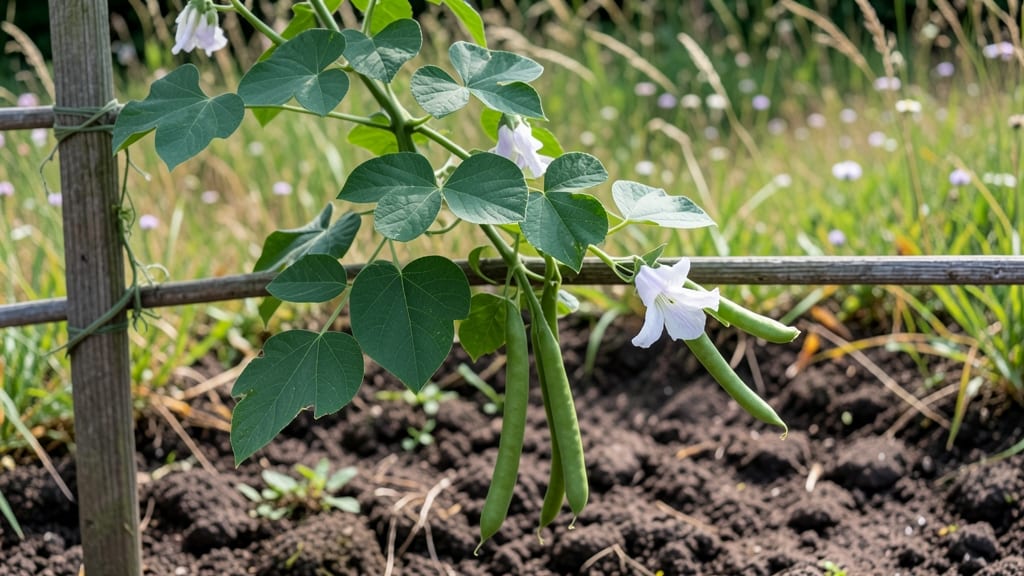
The ideal ice cream bean tree growing conditions are all about that perfect mix of damp earth and bright sun—skip either, and you’ll be left with bitter disappointment instead of sweet pods. 🌿 Trust me, I’ve tried. disappointment, but once I got the conditions right, my tree exploded with fragrant white flowers and those famous custard-like pods.
The secret isn't complicated: think of it like a thirsty traveler from the Amazon rainforest dropped into your garden.
This tree craves bright, indirect sunlight—at least 6 hours daily—but burns easily in harsh afternoon rays. Well-draining, rich soil (think compost-heavy loam) keeps roots happy, while regular watering prevents the pods from turning bitter.
Mulching helps retain that crucial moisture, especially in containers where roots dry out faster. And yes, it will grow in pots—just use something 15+ gallons for mature trees.
What you'll end up with is a lush, nitrogen-fixing tree that feeds your soil while feeding you. Those pods taste like vanilla ice cream when young and firm, and the flowers attract pollinators like crazy.
Prune lightly to shape it, but avoid heavy cuts—this tree grows 10-20 feet tall if left wild, so plan accordingly. Frost kills it, so bring potted trees indoors before winter or grow them in Zone 10-11 permanently.
Common mistakes? Overwatering (root rot) or underwatering (dropped leaves) are the biggest pitfalls. Start with a 5-gallon container for seedlings, then upgrade as it grows. Patience pays off—it takes 3-5 years for a tree to produce pods, but once it does, you'll be the neighborhood's sweetest gardener.
Ready to grow your own dessert tree?
📚 In This Guide
- What you need
- Instructions
- Tips and common mistakes
- Wrapping up and next steps
What you need
- ● Seeds or Seedlings: 2–3 high-quality ice cream bean seeds (ensure they’re fresh or sourced from a reputable supplier).
- ● OR a healthy 6–12-month-old seedling (check for strong stems and vibrant leaves).
- ● Well-Draining Potting Mix: 50% cactus/succulent mix (for aeration).
- ● 30% peat moss or coco coir (for moisture retention).
- ● 20% perlite or pumice (to prevent root rot).
- ● Container: A 10–15 gallon pot with drainage holes (minimum 12" diameter for mature growth).
- ○ Fabric grow bag (optional, for better root aeration).
- ● Fertilizer: Balanced 10-10-10 or 20-20-20 fertilizer (diluted to half-strength).
- ● Organic options: worm castings, compost tea, or fish emulsion.
- ● Tools: Trowel or small shovel for planting.
- ● Spray bottle (for seed germination).
- ● pH testing kit (ideal soil pH: 6.0–7.0).
- ● A humidity dome or plastic wrap (to retain moisture during germination).
- ● Mulch (straw or wood chips to retain soil moisture).
- ● A trellis or support stake (for climbing varieties).
- ● Grow lights (if indoor growing lacks natural sunlight).
- ● Misting system (for consistent humidity in dry climates).
Step-by-step guide to cultivating ice cream bean trees in ideal conditions
Here's how to create the perfect balance of sun and moisture for thriving ice cream bean trees.
🌱 Step 1: Select the Perfect Sunny Location
Ice cream bean trees (Inga edulis) need bright, indirect light for at least 6-8 hours daily—think dappled sunlight under high-canopy trees or a south-facing window with sheer curtains. Direct midday sun can scorch tender new leaves, so I always position mine where they get morning sun and afternoon shade.
Watch for leaf color changes—healthy leaves stay glossy green, while sunburn shows as crispy brown edges. If your tree starts leaning toward the light, rotate the pot a quarter turn weekly to encourage even growth. These trees grow 20-40 feet tall in the wild, so give them space to stretch vertically indoors or outdoors in warm climates.
💧 Step 2: Master the Moisture Balance
This is where most growers stumble—ice cream bean trees hate soggy roots but need consistent moisture. Water when the top 2 inches of soil feel dry to the touch, then soak thoroughly until water runs from the drainage holes. I use lukewarm water to avoid shocking the roots, and I always check the soil with my finger before watering again.
Real talk: Overwatering causes root rot, which turns leaves yellow and wilts the plant overnight. If you notice this, reduce watering and ensure the pot has drainage holes. For container-grown trees, I add 1 inch of mulch (like bark chips) to retain moisture without suffocating roots—just keep it 2 inches away from the trunk to prevent rot.
☀️ Step 3: Adjust Conditions for Seasonal Growth
During spring and summer, when growth is most active, aim for 70-80°F and 60-70% humidity. If your home runs dry, mist the leaves lightly in the morning or place the pot on a pebble tray with water (just ensure the pot isn’t sitting in standing water). I’ve found that a humidifier nearby works wonders for preventing leaf curl, a common sign of dry air.
In fall and winter, growth slows, so reduce watering to every 7-10 days and move the tree away from cold drafts. Ice cream bean trees are tropical and won’t tolerate temperatures below 50°F—if you live in a chilly climate, bring potted trees indoors before the first frost. Watch for bud dormancy: If new leaves stop emerging, it’s time to cut back on water and fertilizer until spring.
✂️ Step 4: Prune and Fertilize for Long-Term Health
Prune once a year in late winter to shape the tree and encourage bushier growth. Remove any dead, yellowing, or crossing branches with clean, sharp pruners, cutting just above a leaf node. I also trim back leggy growth to maintain a compact shape—this prevents the tree from becoming top-heavy and encourages stronger branching.
Feed with a balanced 10-10-10 fertilizer every 4-6 weeks during growing season (spring through summer). Dilute it to half-strength to avoid burning the roots, and always water the tree 24 hours before fertilizing to prevent salt buildup. You’ll know it’s working when you see new leaves emerging within 2-3 weeks—that’s your signal the tree is thriving.
Tips & tricks for perfect ice cream bean tree growing conditions
Between us, these tropical beauties thrive when you nail the light and moisture balance—here's what nobody tells you.
Light Positioning: That 6-8 hour daily light requirement isn't just about quantity—it's about quality. Position your tree where it gets morning sun and afternoon shade to prevent leaf scorch. I've found that rotating the pot a quarter turn weekly prevents lopsided growth, especially as your tree reaches those 20-40 foot heights it's genetically programmed for. Watch for leaves leaning toward the light—that's your cue to reposition.
Soil Moisture Secret: The top 2 inches dry test works, but here's the thing: ice cream bean trees hate soggy roots but need consistent moisture. I use a moisture meter to verify—anything below 40% moisture means it's time to water. For container trees, that 1 inch of mulch (2 inches from trunk) is non-negotiable—it mimics their natural forest floor environment while preventing root rot.
Seasonal Temperature Transition: When temperatures drop below 50°F, your tree's growth slows dramatically. I move mine indoors before first frost and place it near a south-facing window where it gets bright indirect light. The key is maintaining that 70-80°F range during active growth—any colder and you'll see leaf drop, any hotter and you risk sunburn despite the indirect light.
Fertilizer Timing: That 4-6 week fertilization schedule during growing season is critical, but here's what I learned the hard way: always water 24 hours before fertilizing. The roots need time to hydrate fully to absorb nutrients properly. I've seen trees develop salt buildup when I skipped this step—look for crispy leaf edges if you're overdoing it.
Pro Tips for Ice Cream Bean Tree Growing Conditions
- Between us, these tropical beauties thrive when you nail the light and moisture balance—here's what nobody tells you.
- Light Positioning: That 6-8 hour daily light requirement isn't just about quantity—it's about quality.
- Soil Moisture Secret: The top 2 inches dry test works, but here's the thing: ice cream bean trees hate soggy roots but need consistent moisture.
Frequently asked questions
Got questions about growing your own ice cream bean tree? You’re not alone! Here are some of the most common concerns—plus straightforward answers to help you nurture this tropical treat into a thriving plant.
How long does it take for an ice cream bean tree to produce edible pods?
The ice cream bean tree (Inga edulis) typically takes 3 to 5 years to mature and produce its signature sweet, custard-like pods. Patience is key—focus on providing ideal growing conditions (warmth, humidity, and consistent moisture) to speed up the process. Once established, healthy trees can yield pods for decades!
Can I grow an ice cream bean tree in a cold climate?
Unfortunately, ice cream bean trees are tropical plants and thrive only in USDA zones 10-11 (or warmer). If you live in colder areas, grow it in a large container and bring it indoors during winter. A greenhouse or sunroom with supplemental grow lights can work too—just mimic its natural tropical habitat!
How often should I water my ice cream bean tree?
Keep the soil consistently moist but not soggy. Water deeply 2-3 times per week during hot, dry spells, and more frequently in containers (which dry out faster). Mulch the root zone to retain moisture and protect roots. Pro tip: Yellowing leaves often signal underwatering, while brown edges or wilting can mean overwatering—adjust as needed!
What are some alternatives if my ice cream bean tree isn’t thriving?
If growing conditions are challenging, consider these similar tropical edible trees:
- Soursop (Annona muricata): Cold-sensitive but produces creamy fruit.
- Jackfruit (Artocarpus heterophyllus): Hardy and fast-growing with sweet, versatile pods.
- Mango (Mangifera indica): Easier to grow in containers and yields delicious fruit.
Why are my ice cream bean tree’s leaves turning yellow or dropping?
Yellowing or dropping leaves usually indicate overwatering, nutrient deficiencies, or pests. Check for:
- Root rot: Ensure pots have drainage holes and avoid waterlogging.
- Pests: Inspect for spider mites or scale insects (use neem oil if spotted).
- Nutrients: Feed with a balanced tropical fertilizer every 4-6 weeks.
Wrapping up and next steps
Growing an ice cream bean tree is an exciting journey that rewards patience with sweet, edible surprises! 🌱 With the right mix of sunlight, well-draining soil, and consistent moisture, your tropical beauty can thrive—even in containers.
Whether you’re a beginner or a seasoned gardener, these growing conditions unlock the magic of harvesting your own "ice cream" from the tree.
Now that you’re armed with the secrets, take the next step! Start with a healthy sapling, nurture it with love, and soon you’ll be enjoying the unique flavor of this tropical gem. Happy growing—your future ice cream bean harvest awaits! 🍦✨