
Pruning
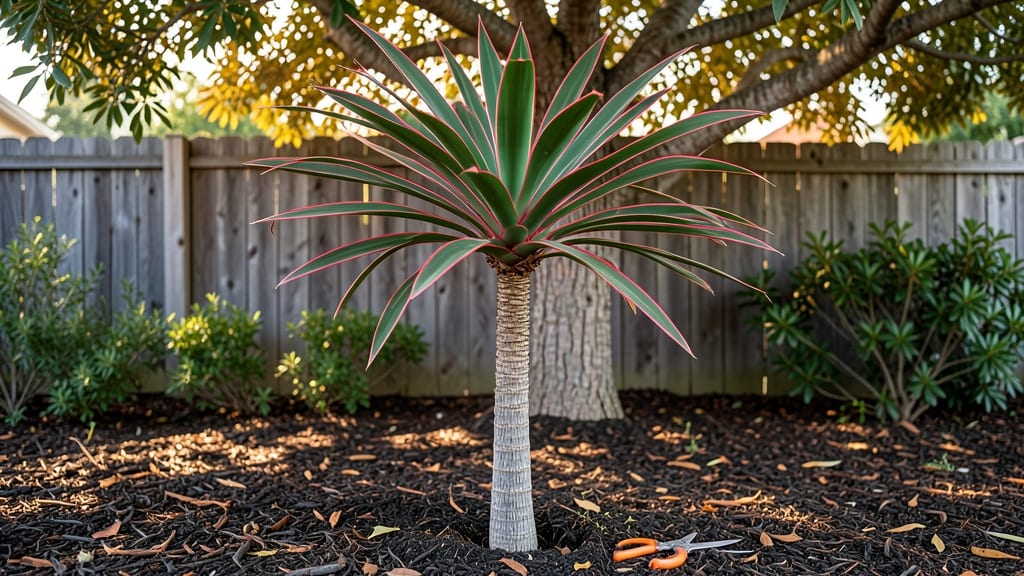
Growing the Madagascar dragon tree (Dracaena marginata) outside transforms any space into a striking architectural statement. 🌿 I’ve nurtured these plants through summers and winters, and their bold, arching canopies become the focal point of my garden—even when they’re dormant.
The key isn’t just placement; it’s understanding how to prune year-round to encourage that dramatic, layered growth you’ve always admired.
This plant thrives in zones 10-12, but with the right care, it can survive brief dips below freezing—though it’ll need winter protection in colder climates.
It’s not fussy about soil as long as it drains well, and it tolerates partial shade to full sun, making it adaptable for patios, containers, or even as a dramatic accent in landscaped beds. The real secret?
Pruning isn’t just about shaping—it’s about encouraging new growth where you want it.
You’ll end up with a plant that’s denser, fuller, and more resilient, with those signature red-edged leaves cascading in waves. The best part? It’s low-maintenance once established—just watch for overwatering and occasional spider mites.
With the right approach, your dragon tree won’t just survive outside; it’ll become the showstopper of your outdoor space.
Whether you’re working with a single plant in a container or a cluster in the ground, the techniques scale easily. Let’s get into the details so you can keep yours thriving—no matter the season.
📚 In This Guide
- What you need
- Instructions
- Tips and common mistakes
- Wrapping up and next steps
What you need
- ● Sharp bypass pruners – 1 pair (sterilized with rubbing alcohol to prevent disease).
- ● Pruning shears – 1 pair (for thicker branches, 1.5"–2" cutting capacity).
- ● Gloves – 1 pair (gardening gloves for protection against sap and thorns).
- ○ Horticultural sealant – 1 small bottle (optional but recommended for sealing cuts).
- ● Disinfectant spray – 1 bottle (70% isopropyl alcohol or diluted bleach solution).
- ● Bucket or tray – 1 medium-sized (for collecting clippings or sap).
- ○ Measuring tape – 1 (optional) (for precise pruning measurements).
- ● Mature Dragon Tree – Ensure your plant is at least 3–5 years old (younger trees are more sensitive to pruning).
- ● Outdoor-ready location – Full sun to partial shade (6+ hours of sunlight daily for optimal growth).
- ● – Mix of cactus/succulent soil + perlite (amend heavy clay soil with compost).
- ● Watering can or hose – 1 (for post-pruning hydration).
- ● Weather check – Prune on a mild, dry day (avoid rain for 24–48 hours post-pruning).
- ● Rooting hormone – For propagating cuttings from pruned branches.
- ● Mulch – 2–3 inches of organic mulch (e.g., bark chips) to retain moisture.
- ● Plant support stakes – If your tree is top-heavy or in a windy area.
- ● Camera or sketchpad – To map out pruning plans before you start!
Step-by-Step instructions for pruning your Madagascar dragon tree outdoors
Here's my foolproof method for keeping your dragon tree lush and full—no guesswork, just results.
✂️ Step 1: Identify Pruning Zones and Tools
First, inspect your dragon tree for overcrowded branches or leggy growth—these are your targets. I always use clean, sharp pruning shears (sterilized with rubbing alcohol) to make precise cuts. Avoid dull tools—they crush stems and invite rot.
Look for nodes (those little bumps where leaves grow) and leaf scars (raised areas on stems). These mark where new growth will sprout. I mark these spots with a soft pencil so I don’t cut too close or too far.
✂️ Step 2: Prune for Shape and Airflow
Start by removing dead or yellowing leaves at their base—these sap-suckers drain energy. Cut just above a leaf node at a 45-degree angle to prevent water pooling. For thicker branches, trim back to a healthy node to encourage bushier regrowth.
Step back and visualize the shape. Dragon trees respond well to open-canopy pruning—think of a rounded globe rather than a tight pyramid. Remove branches that grow inward to improve airflow and sunlight penetration. This is the moment that matters: balance form with function.
🌿 Step 3: Encourage New Growth with Strategic Cuts
After shaping, focus on stimulating new shoots. Cut back overly long stems to within 2-3 inches of a node—this triggers lateral branching. Dragon trees are forgiving, but don’t go overboard: never remove more than one-third of the foliage at once.
Watch for sap bleeding at the cut—this is normal. Wipe it away with a damp cloth to prevent sticky residue. In warm weather, new growth will appear in 4-6 weeks. If you prune in late summer, hold off until spring to avoid winter stress.
☀️ Step 4: Post-Pruning Care for Recovery
Water deeply right after pruning to help the plant recover. Dragon trees store water in their leaves, but fresh cuts need hydration. Avoid fertilizing for 2-3 weeks—let the plant focus on healing before pushing new growth.
Place the pruned plant in bright, indirect light for a week. If you notice wilting or yellowing, it’s a sign of stress—move it to a shadier spot temporarily. Real talk: Over-pruning is the fastest way to shock a dragon tree, so trust your instincts.
Tips & tricks for perfect Madagascar dragon tree pruning
Between us, pruning your dragon tree outdoors is where the magic happens—but only if you do it right. Here's what I've learned after years of trial and error with these striking plants.
Tool Precision Matters: That 45-degree angle in Step 2 isn't just for show—it prevents water from pooling at the cut site, which would otherwise lead to rot. I've seen too many well-intentioned gardeners skip this detail and end up with sap oozing down the stem. Sterilize your shears between cuts too—bacteria from one cut can spread quickly through the plant's system.
Visualize the Shape First: Step back and squint at your dragon tree before making any cuts. The goal is that open-canopy look that lets sunlight penetrate all the way to the center. I always imagine a rounded globe rather than a tight pyramid—this creates that dramatic, full appearance while maintaining airflow. Think of it like sculpting: you're shaping the plant's natural growth pattern, not hacking it randomly.
Seasonal Timing is Everything: While the instructions mention warm weather for new growth, I've found spring pruning (March-April) gives the best results. The plant enters its active growth phase then, and those 4-6 weeks of warm weather become 4-6 weeks of vigorous new shoots. Late summer pruning? Only if you're prepared to protect it from winter stress—dragons trees need time to harden off before cold weather arrives.
Post-Pruning Hydration Hack: That deep watering right after pruning? I take it a step further by adding a root stimulator to the water—just a few drops of diluted liquid seaweed extract. It's not in the instructions because it's optional, but it helps the plant recover faster by promoting cell division at the cut sites. The 2-3 week no-fertilizer rule is still critical, though—let those roots focus on healing first.
Pro Tips for Madagascar Dragon Tree Outside
- Between us, pruning your dragon tree outdoors is where the magic happens—but only if you do it right.
- Tool Precision Matters: That 45-degree angle in Step 2 isn't just for show—it prevents water from pooling at the cut site, which would otherwise lead to rot.
- Visualize the Shape First: Step back and squint at your dragon tree before making any cuts.
Frequently asked questions
Got questions about growing your Dracaena marginata (Madagascar Dragon Tree) outside? You're not alone!
Here are some of the most common concerns—and their solutions—to keep your plant thriving in outdoor conditions.
Can I grow a Madagascar Dragon Tree outside year-round, or should I bring it in during winter?
While Dracaena marginata thrives in USDA Zones 10-12 year-round, most outdoor growers in colder climates (Zones 7-9) will need to protect it from frost. Move it indoors or wrap the pot in burlap and use a heating mat if temps drop below 50°F (10°C). If you must leave it out, choose a sheltered, south-facing spot and mulch heavily.
How do I prune my outdoor Dragon Tree to encourage bushier growth?
Prune in late winter or early spring (before new growth starts) to shape your plant. Cut back 1/3 of the tallest stems just above a leaf node to stimulate branching. Use sterilized pruners and seal cuts with pruning sealant to prevent sap loss. Never prune more than 30% at once—this can stress the plant.
Why are the tips of my outdoor Dragon Tree turning brown? Is it overwatering or something else?
Brown tips usually signal underwatering, low humidity, or fluoride/chlorine in tap water. First, check the soil moisture—stick your finger 2 inches deep; if dry, water deeply but avoid soggy soil. For humidity, mist leaves regularly or place the pot on a pebble tray. If using tap water, let it sit out 24 hours before watering to reduce chemicals.
Are there any outdoor-friendly alternatives to the Madagascar Dragon Tree with similar care needs?
If you love the Dracaena marginata’s drama but want hardier outdoor options, consider:
- Yucca (Yucca elephantipes) – Drought-tolerant, architectural, and thrives in full sun (Zones 7-11).
- Dracaena reflexa (Song of India) – More cold-hardy (Zone 9) and handles partial shade better.
- Cordyline (Ti Plant) – Colorful foliage, Zone 9-11, and loves humidity like the Dragon Tree.
How do I protect my outdoor Dragon Tree from pests like spider mites or mealybugs?
Prevention is key! Inspect leaves weekly for webbing (mites) or cottony patches (mealybugs). Spray with neem oil solution (1 tsp per quart of water) or insecticidal soap every 7-10 days during warm months. For severe infestations, isolate the plant and treat with horticultural oil. Encourage beneficial insects like ladybugs by planting marigolds nearby.
Wrapping up and next steps
Growing a Madagascar Dragon Tree (Dracaena marginata) outside is a rewarding journey that blends tropical beauty with year-round care. By mastering pruning techniques—like shaping its bold canopy, encouraging bushier growth, and handling seasonal adjustments—you’ll unlock its full potential. Whether you’re trimming for aesthetics or health, consistency is key! 🌿
Ready to transform your outdoor space? Start by observing your tree’s growth patterns and scheduling your first pruning session this season. With the right tools and confidence, your Dragon Tree will thrive as the stunning focal point it deserves! 🌟