
Trees
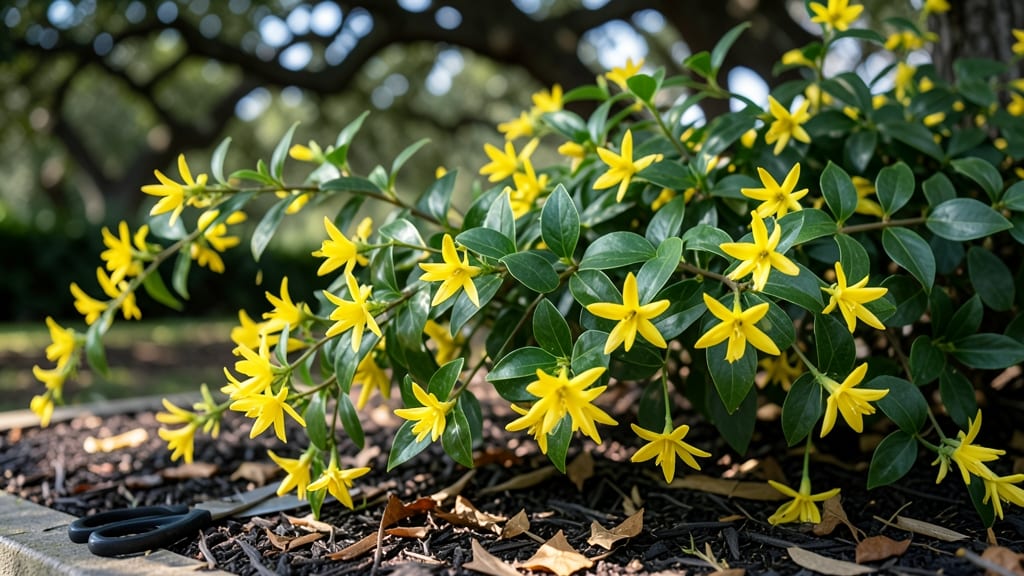
Growing a yellow jasmine tree means waking up to a yard that smells like sunshine—its golden blossoms and intoxicating fragrance turn any space into a tropical escape.
I planted mine last spring, and by summer, the vines were already climbing my trellis, heavy with blooms that scent the air for hours after sunset.
This vine thrives in partial shade to full sun, making it perfect for patios, trellises, or even container gardens. The soil just needs to drain well—no soggy roots here—and watering should be consistent but not drowning. Once established, it’s shockingly drought-tolerant, which is a lifesaver for busy gardeners.
📚 In This Guide
- What you need
- Instructions
- Tips and common mistakes
- Wrapping up and next steps
What you need
- ● Yellow jasmine plant: Choose between: Seeds (soaked overnight for faster germination)
- ● Cuttings (4-6 inches long, from healthy vines)
- ● Young sapling (3-5 feet tall, from a nursery)
- ● Well-draining potting mix: 50% peat moss, 30% perlite, and 20% compost (or a pre-mixed cactus/succulent blend). For outdoor planting: Amend native soil with compost (1 part compost to 3 parts soil).
- ● Container (if potted): 12-18 inches in diameter with drainage holes (terracotta or fabric pots work best).
- ● Slow-release fertilizer: 10-10-10 or 5-5-5 NPK ratio (1 tbsp per gallon of soil).
- ● Mulch: 2-3 inches of organic mulch (e.g., pine bark or shredded leaves) to retain moisture.
- ● Pruning shears (sterilized with rubbing alcohol)
- ● Garden trowel or shovel (for transplanting)
- ● Watering can with a fine rose nozzle
- ● Spray bottle (for misting seedlings)
- ● Gloves (to protect from thorns and soil)
- ○ pH testing kit (optional, to check soil acidity—ideal range: 6.0-7.0)
- ● Sunlight: Full sun (6+ hours daily) or bright indirect light (for potted plants).
- ● Climate: USDA Zones 9-11 (hardy to 20°F). In colder zones, grow as a container plant and overwinter indoors.
- ● Watering routine: Keep soil consistently moist but not soggy (water when top 1-2 inches are dry).
- ● Patience: Seeds take 4-8 weeks to germinate; cuttings root in 4-6 weeks.
How to cultivate a thriving yellow jasmine tree
This fragrant climber thrives with the right balance of sunlight, soil, and strategic pruning.
Choose the Perfect Planting Location
Yellow jasmine (Gelsemium sempervirens) craves full sun to partial shade, with at least 6 hours of direct sunlight daily for optimal flowering. I always scout locations with morning sun and afternoon shade—this prevents leaf scorch while ensuring vibrant blooms. A south- or west-facing wall or trellis works best, but avoid spots where afternoon heat lingers without relief.
Check the soil drainage before planting. Yellow jasmine roots rot easily in soggy conditions, so amend heavy clay with 2-3 inches of coarse sand or perlite if needed. The ideal spot also has 3-4 feet of vertical space for climbing support, as mature vines can reach 15-20 feet if unpruned. A sturdy trellis or arbor will keep growth manageable and prevent sprawl.
Plant with Proper Spacing and Support
Dig a hole twice as wide as the root ball but only as deep as the container’s base. This prevents burying the stem too deeply, which can suffocate the plant. Gently loosen the roots if they’re circling and position the jasmine so the top of the root ball sits 1 inch below soil level. This slight depth encourages root establishment without stress.
Install a 5-6 foot tall trellis or fence at least 6 inches behind the planting hole—yellow jasmine climbs by twining, not clinging, so it needs something to wrap around early. I use a wooden lattice or metal grid for durability. Water deeply after planting to settle the soil and remove any air pockets around the roots. Mulch with 2-3 inches of organic mulch (like shredded bark) to retain moisture and suppress weeds.
Water and Fertilize for Healthy Growth
Water deeply once a week during the first 4-6 weeks after planting, allowing the top 6 inches of soil to dry out between waterings. Overwatering is the fastest way to kill yellow jasmine—its roots need oxygen, not soggy conditions. Once established, it tolerates drought-like conditions, but flowers will be more abundant with consistent moisture during the growing season.
Fertilize lightly in early spring with a balanced, slow-release fertilizer (10-10-10 ratio). Yellow jasmine is not a heavy feeder, so avoid over-fertilizing, which can lead to excessive leaf growth at the expense of flowers. I use half the recommended dose to prevent fertilizer burn. Stop fertilizing by mid-summer to encourage blooming rather than foliage.
Prune Strategically for Shape and Blooms
The key to lush yellow jasmine is pruning in four strategic cuts: after flowering, in late winter, to shape vines, and to remove deadwood. Start by cutting back spent flower clusters to the nearest leaf node—this redirects energy to new growth. Next, in late winter or early spring, prune any weak, crossing, or leggy stems back to a strong bud or branch. This ensures airflow and prevents disease.
For shaping, trim overly long vines to maintain a balanced, bushy form. Never remove more than one-third of the plant’s foliage in a single pruning session. Finally, remove any dead, diseased, or damaged branches at the base with clean, sharp pruners. Sterilize tools with rubbing alcohol between cuts to prevent bacterial spread. Pruned vines will reward you with more abundant blooms the following season.
Tips & tricks for cultivating a thriving yellow jasmine tree
Here's what nobody tells you about keeping your fragrant climber thriving for years.
Sunlight Strategy: The 6 hours of direct sunlight in Step 1 is non-negotiable for flowering, but timing matters just as much. I've found that morning sun paired with afternoon shade prevents leaf scorch while maximizing bloom production. If your location gets intense afternoon heat, consider using a sheer white shade cloth during peak hours—it reduces heat by up to 50% without blocking light. The key is maintaining that balance between light exposure and heat protection.
Soil Preparation Insight: When amending heavy clay with 2-3 inches of coarse sand or perlite as mentioned in Step 1, don't stop there. I recommend adding a handful of organic compost to the mix—this improves moisture retention while providing essential nutrients. The compost helps create that perfect balance between drainage and nutrient availability that yellow jasmine craves. Think of it as creating a "sweet spot" for your plant's roots to thrive in.
Pruning Precision: The four strategic pruning cuts in Step 4 deserve special attention, particularly the late winter pruning. This is when you should look for those "strong bud" indicators—they're typically at the base of leaves where new growth emerges. I've learned the hard way that cutting too close to these buds can stunt new growth. When in doubt, make your cut just above the bud at a slight angle to prevent water from pooling and causing rot.
Watering Wisdom: The deep watering schedule in Step 3 works beautifully, but there's a trick to perfecting it. I've found that watering in the early morning allows the soil to absorb moisture before the heat of the day. This mimics natural rainfall patterns and prevents fungal issues. Plus, it gives the plant a head start on using that water throughout the day. Just remember to let the top 6 inches dry out between waterings—this prevents overwatering while keeping the roots happy.
Pro Tips for Yellow Jasmine Tree
- Here's what nobody tells you about keeping your fragrant climber thriving for years.
- Sunlight Strategy: The 6 hours of direct sunlight in Step 1 is non-negotiable for flowering, but timing matters just as much.
- Soil Preparation Insight: When amending heavy clay with 2-3 inches of coarse sand or perlite as mentioned in Step 1, don't stop there.
Frequently asked questions
Got questions about growing and caring for your yellow jasmine tree? You’re not alone! Here are some of the most common queries—plus quick, practical answers to keep your fragrant vine thriving.
How fast does a yellow jasmine tree grow?
A healthy yellow jasmine (Gelsemium sempervirens) can grow 12–24 inches per year under ideal conditions. With proper sunlight (full sun to partial shade) and well-draining soil, expect rapid vine growth, especially in warm climates. In cooler regions, growth may slow but remains steady with consistent care.
When is the best time to prune a yellow jasmine tree?
Prune your yellow jasmine late winter or early spring (just before new growth begins) to encourage bushier, fragrant blooms. Avoid heavy pruning in fall—this can stimulate tender new growth that may not survive winter. Pro tip: Deadhead spent flowers regularly to redirect energy into more blooms!
Why aren’t my yellow jasmine leaves turning yellow?
Yellowing leaves could signal overwatering, poor drainage, or nutrient deficiency. Check soil moisture—it should be damp but not soggy. If roots sit in water, repot or improve drainage. Yellow jasmine also needs balanced fertilizer (like 10-10-10) in spring and summer. Warning: Yellow leaves can also indicate fungal issues—prune affected areas immediately.
Can I grow yellow jasmine in a container?
Yellow jasmine thrives in 15–20 gallon containers with drainage holes. Use a light, well-draining potting mix (add perlite or sand for aeration). Place the pot in full sun to partial shade and water when the top inch of soil dries out. Bonus: Container-grown vines are perfect for trellises or arbors—just ensure the pot is large enough for its mature size (up to 20 feet!).
Is yellow jasmine toxic to pets or humans?
Yes, it’s toxic!
All parts of the yellow jasmine—leaves, flowers, and stems—contain gelsemine, a neurotoxin harmful to dogs, cats, and humans if ingested. Symptoms include vomiting, drooling, weakness, or seizures. Keep it out of reach of pets and children. Note: While beautiful, opt for pet-safe alternatives like jasmine (Jasminum) if needed.
Wrapping up and next steps
The yellow jasmine tree is a fragrant, low-maintenance gem that can transform any garden or patio with its sweet blooms and lush vines. With the right care—especially strategic pruning—you’ll enjoy its beauty and aroma for years to come. 🌿✨
Ready to level up your outdoor space? Start by planting your yellow jasmine tree in a sunny spot, then follow the pruning tips shared here to keep it thriving. Grab your shears, and let the sweet scent of success fill your garden!