
Pruning
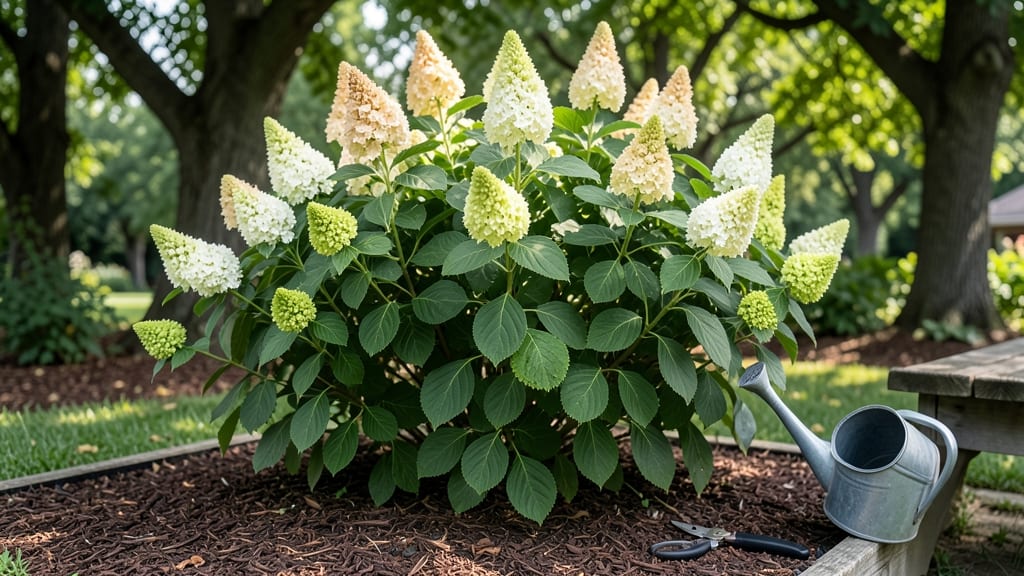
The care of a Limelight hydrangea tree transforms any yard into a showstopper with its bold lime-green blooms that last from early summer through fall—✨ and the secret to those long-lasting clusters isn’t complicated. cuts, and knowing exactly when to step back.
Most gardeners over-prune in spring, which sends energy into leafy growth instead of flowers. My tree now bursts with blooms every year because I prune after the first flush of flowers fades.
You’ll need basic tools—a pair of clean pruners, a ladder (for taller trees), and a sharp saw if branches exceed 2 inches in diameter. The pruning window is short but critical: late winter to early spring for shaping, and mid-summer for deadheading spent blooms.
This two-step approach keeps your tree compact, healthy, and flowering longer than the average hydrangea. Even beginners can master it—just follow the "third bud" rule for clean cuts.
By summer’s end, you’ll have a tree that stays vibrant and full without the leggy, sparse look of over-pruned hydrangeas. The foliage stays glossy, the blooms stay bright, and you’ll skip the frustration of waiting for flowers that never arrive.
The best part? This method works for both young trees and mature specimens, so you’re set for years of drama-free blooms.
Whether you’re dealing with a new sapling or a tree that’s outgrown its space, the same principles apply. We’ll cover how to handle each season, spot early signs of stress, and keep your Limelight looking like the star of the neighborhood. Let’s get those pruners ready!
📚 In This Guide
- What you need
- Instructions
- Tips and common mistakes
- Wrapping up and next steps
What you need
- ● Pruning shears: Sharp, bypass-style (for clean cuts), with a 4- to 6-inch blade (e.g., Felco F-2 or similar). Disinfect with rubbing alcohol between cuts to prevent disease.
- ● Loppers: For thicker branches (1- to 2-inch diameter), with a long handle (24+ inches) for reach.
- ● Hand pruners: Small, anvil-style (for fine-tuning) with a 3-inch blade.
- ● Gloves: Heavy-duty, cut-resistant (e.g., Mechanix or leather gardening gloves) to protect from thorns.
- ● Pruning saw: Curved-tooth for branches 2+ inches thick.
- ● Ladder or stool: Sturdy, 6-foot extension ladder (for mature trees) or a stable step stool (for younger plants).
- ● Disposable pruning bags: 10-gallon capacity (for collecting debris).
- ● Rubbing alcohol (70% isopropyl) or bleach solution: 1 part bleach to 9 parts water (for sterilizing tools).
- ● Hydrangea-specific fertilizer: Balanced (10-10-10) or acidic (e.g., 8-3-9) for post-pruning nourishment.
- ● Mulch: 2-3 inches of organic mulch (e.g., shredded bark) to retain moisture.
- ● Plant tie or twine: For supporting weak branches during regrowth.
- ● Spray bottle with water: For rinsing tools or misting fresh cuts.
- ● Notebook or app: To log pruning dates and observations (e.g., Gardenate or PlantNet).
- ● Knowledge of hydrangea growth habits: Limelight trees bloom on new wood—prune after flowering!
- ● Weather check: Prune on a dry, overcast day (avoid extreme heat or frost).
- ● Safety first: Wear closed-toe shoes and avoid pruning near power lines.
- ● Tree health assessment: Inspect for pests/diseases (e.g., aphids or powdery mildew) before pruning.
Step-by-step guide to pruning your Limelight hydrangea tree
Here's the method I've used for years to keep my Limelight hydrangeas blooming bigger and longer.
✂️ Step 1: Prune Immediately After Flowering
This is the most critical time—wait until late summer or early fall, when blooms have faded but new buds are still visible. Limelight hydrangeas bloom on old wood, so pruning too early removes next year's flowers. I like to wait until after Labor Day in most climates to be safe.
Start by removing any dead, diseased, or crossing branches first. These compete with healthy growth and reduce air circulation. Use clean, sharp pruners to make cuts just above a leaf node or outward-facing bud. Avoid leaving stubs—they invite rot and weaken the tree.
Real talk: If you missed this window, don't panic. Just wait until early spring before buds swell, but you'll sacrifice some bloom size that season.
✂️ Step 2: Shape and Thin in Late Winter
In late February or early March, when the tree is still dormant but before new growth starts, it's time to shape. I focus on opening the center of the tree first—Limelight hydrangeas can get dense, and too many branches rubbing together creates weak spots.
Remove about one-third of the oldest stems at the base to encourage new growth. These stems are often the thickest and produce smaller blooms anyway. For the remaining branches, cut back any that are thinner than a pencil—they won't support many flowers and take energy from stronger stems.
Here's the thing—don't overdo it. You want to maintain a balanced shape, not turn your tree into a bare skeleton. Aim for an open vase-like form that lets light reach all branches.
☀️ Step 3: Light Maintenance Through the Growing Season
During spring and summer, I do minimal pruning—just remove any deadheading spent blooms as they fade. This keeps the tree looking tidy and prevents seed formation, which diverts energy from new flowers. I also watch for any branches growing inward or rubbing against others and trim them immediately.
Watch for new shoots growing from the base—these are called "suckers." While they might look vigorous, they weaken the main tree. Snip them off at the base as soon as you see them. You'll know you're doing it right when you see fresh, green growth on the main branches instead.
Don't skip this step. Regular light maintenance prevents the tree from becoming overgrown and ensures those signature limelight yellow blooms stay vibrant all season.
⏰ Step 4: Fall Cleanup Before Dormancy
In October or November, before the first hard frost, do a final cleanup. Remove any remaining dead or weak branches, and trim back any growth that looks leggy or overcrowded. This is also the perfect time to check for any pests or diseases—look for holes in leaves, sticky residue, or unusual spots.
I like to give my tree a light feeding with balanced fertilizer (10-10-10) after this pruning to prepare for next year's growth. Water deeply to help the roots recover from any stress. The goal is to send the tree into winter with clean branches and strong roots.
This final step sets you up for next year's blooms. If you skip it, you'll likely see fewer flowers and more pests in spring.
Tips & tricks for perfect Limelight hydrangea pruning
Here's what nobody tells you—these small details make all the difference between a healthy hydrangea and one struggling to bloom.
Timing is Everything: That late summer/early fall window (after Labor Day) is non-negotiable for Limelight hydrangeas. I learned this the hard way after pruning too early and losing next year's blooms completely. The key is waiting until flowers fade but new buds are still visible—this tells you the tree has already set next year's blooms on old wood. If you're unsure, check for tiny green buds forming at the base of last year's stems.
Pruning Technique Matters: When you're removing those one-third of oldest stems in Step 2, cut all the way back to the base rather than just shortening them. This encourages vigorous new growth from the root collar. For the pencil-thin branches, make your cuts at a 45-degree angle just above an outward-facing bud—this prevents water from pooling and causing rot. I always sanitize my pruners with rubbing alcohol between cuts to prevent spreading disease.
Seasonal Maintenance: During the growing season, I make it a habit to do a quick "once-over" every two weeks. Look for branches growing toward the center—they'll rub against each other and create weak spots. Snip them immediately with clean pruners. For suckers at the base, I use small hand pruners to avoid damaging the main trunk. The goal is to redirect energy to the main branches where you want those big blooms.
Pest Prevention: That fall cleanup isn't just about aesthetics—it's your chance to catch pests before they overwinter. I always inspect leaves for signs of lace bugs (tiny yellow specks) or spider mites (fine webbing). If you find any, treat with horticultural oil before putting the tree to bed for winter. A healthy fall cleanup means fewer pest battles come spring.
Pro Tips for Limelight Hydrangea Tree Care
- Here's what nobody tells you—these small details make all the difference between a healthy hydrangea and one struggling to bloom.
- Timing is Everything: That late summer/early fall window (after Labor Day) is non-negotiable for Limelight hydrangeas.
- Pruning Technique Matters: When you're removing those one-third of oldest stems in Step 2, cut all the way back to the base rather than just shortening them.
Frequently asked questions
Got questions about keeping your Limelight hydrangea tree in tip-top shape? You’re not alone!
Here are some of the most common queries—plus quick, actionable answers to keep those showstopping blooms coming year after year.
When is the best time to prune my Limelight hydrangea tree?
Prune your Limelight hydrangea in late winter or early spring (before new growth starts), or right after blooming if you prefer summer flowers. Avoid heavy pruning in fall—it can stimulate tender growth that won’t survive winter. For shaping, light trims can be done anytime, but save major cuts for dormancy season.
How much can I prune without hurting the tree?
Stick to the 1/3 rule: Never remove more than one-third of the tree’s foliage in a single pruning session. For Limelight hydrangeas, this means cutting back old wood (last year’s stems) by about 1/3 to encourage new, vibrant growth. If you’re unsure, err on the side of caution—you can always prune more next year!
Why aren’t my Limelight hydrangeas blooming as much as they used to?
Several factors could be at play: over-pruning (cutting back too late or too aggressively), poor sunlight (they need full sun to partial shade), or nutrient deficiencies. Check for yellowing leaves (nitrogen deficiency) or stunted growth (phosphorus/potassium). Feed with a balanced fertilizer in early spring and adjust pruning timing.
Can I grow Limelight hydrangeas in containers, and how do I care for them?
Limelight hydrangeas thrive in large containers (at least 15-gallon) with well-draining soil. Use a slow-release fertilizer and water consistently (containers dry out faster!). Move pots to partial shade in summer to prevent leaf scorch. Prune container-grown trees the same way as in-ground plants, but avoid root-bound stress by repotting every 2–3 years.
Are there pests or diseases I should watch out for?
Keep an eye out for aphids, spider mites, or powdery mildew—common issues for hydrangeas. Aphids (tiny green bugs) can be washed off with water, while powdery mildew (white fuzzy coating) responds to neem oil or fungicide. For prevention, prune for airflow and avoid overhead watering. If leaves turn brown or drop unexpectedly, check for root rot (a sign of overwatering).
Wrapping up and next steps
Caring for your Limelight Hydrangea Tree is all about patience, timing, and a little love—just like nurturing any prized plant! 🌸 With the right pruning techniques, you’ll reward yourself with stunning, long-lasting blooms that steal the show year after year.
Remember: spring is your best friend, and a little maintenance goes a long way.
Now that you’re armed with the know-how, roll up your sleeves and give your hydrangea the attention it deserves! Ready to transform your garden into a vibrant, eye-catching oasis? Start pruning today—your future blooms will thank you! 🌿✨