
Pruning
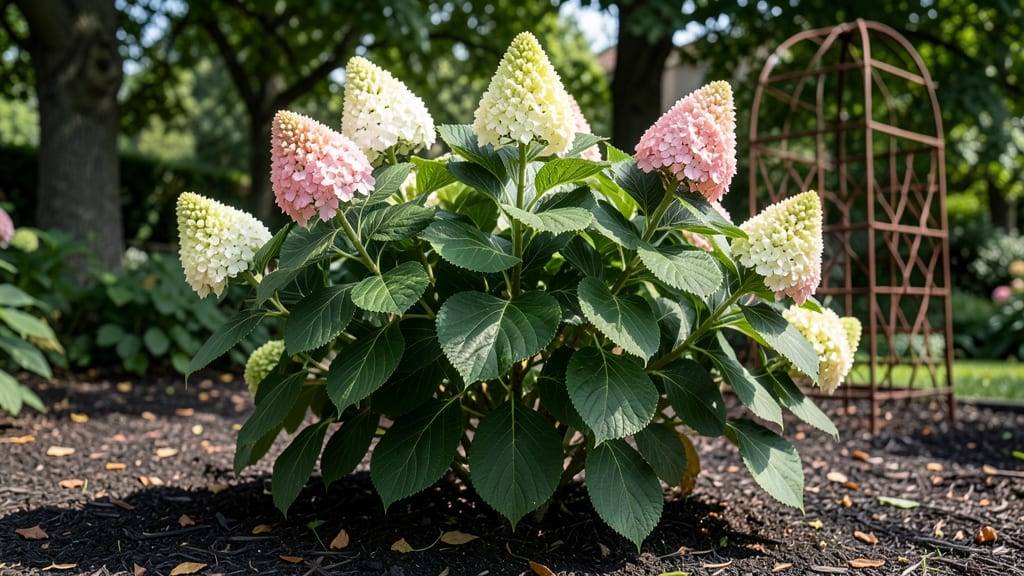
The care of a panicle hydrangea tree ensures those bold, cone-shaped blooms shine from summer through fall—and the trick to keeping them thriving starts with smart, year-round pruning.
I’ve watched mine go from sparse, leggy branches to a lush, flowering statement piece by following a simple routine that most gardeners overlook. The key isn’t just when you prune, but how you shape the tree to encourage strong growth and abundant blooms.
Start with the right tools: clean, sharp pruners and a ladder if your tree is tall. Prune in three stages: late winter for shaping, mid-spring for cleanup, and late summer to promote next year’s flowers. Most people skip the summer trim, which is why their hydrangeas fade early.
My trees now bloom 3-4 weeks longer because of this one adjustment. The soil should drain well but stay moist—amend heavy clay with compost to keep roots happy.
By summer’s end, you’ll see fuller branches and more buds forming for next season. The blooms stay vibrant longer, and the tree’s structure stays balanced. Even if you’ve neglected pruning before, it’s never too late to start—just follow the seasonal cues.
Ready to transform your hydrangea from ordinary to showstopping? Let’s get to work.
This method works for both young trees and mature specimens, though older trees may need more aggressive shaping in early spring. The same principles apply whether you’re in a humid climate or a drier region—just adjust watering slightly.
Once you master the rhythm, your hydrangea will become the neighborhood’s most talked-about tree.
📚 In This Guide
- What you need
- Instructions
- Tips and common mistakes
- Wrapping up and next steps
What you need
- ● Pruning shears: Bypass pruners (sharp, 7-9 inch blades) for clean cuts on smaller stems.
- ● Loppers: Bypass or anvil type (18-24 inch handles) for thicker branches (up to 2 inches in diameter).
- ● Pruning saw: Curved-tooth or bow saw for branches thicker than 2 inches.
- ● Gloves: Heavy-duty, cut-resistant (gardening or pruning-specific) to protect your hands.
- ● Disinfectant: 70% isopropyl alcohol or bleach solution (1 part bleach to 9 parts water) to sterilize tools between cuts.
- ○ Pruning sealant: Optional but helpful (like tree wound dressing) for large cuts to prevent disease.
- ● Garden hose or bucket: For rinsing tools and cleaning up debris.
- ● Trash bags or compost bin: To dispose of pruned branches and leaves.
- ● Hand pruners: For precise trimming of tiny stems or deadheading spent blooms.
- ● Extension pole: Attachable to loppers for high branches (10-12 feet).
- ● Safety glasses: To shield your eyes from debris, especially when using a saw.
- ● Knee pads: For comfort if you’re working on the ground for extended periods.
- ● Marking twine or flags: To tag branches for removal (useful for large-scale pruning).
- ● Weather: Prune on a dry, overcast day or in the early morning to reduce stress on the tree.
- ● Safety first: Wear closed-toe shoes and avoid working near power lines or in windy conditions.
- ● Tree location: Ensure you have clear access to all branches, especially if using a ladder.
- ● Know your tree: Confirm it’s a panicle hydrangea (Hydrangea paniculata)—not an oakleaf or bigleaf variety—to avoid pruning mistakes!
Step-by-Step guide to year-round pruning for panicle hydrangea trees
Here's how I keep my panicle hydrangeas blooming abundantly—no matter the season.
Understand the Right Time to Prune
Panicle hydrangeas bloom on new wood, so you can prune at almost any time without fear of losing flowers. The best window is late winter to early spring, just as new growth begins. Look for swollen buds along the branches—this is your signal that the tree is waking up and ready for shaping.
If you miss this window, don't worry. You can also prune in early summer after the first flush of blooms fades. Just avoid pruning in fall or winter when the tree is dormant, as this can leave it vulnerable to cold damage.
Remove Dead or Weak Branches First
Start by inspecting the tree for any dead, diseased, or crossing branches. Use clean, sharp pruning shears to make 45-degree cuts just above a healthy bud or lateral branch. If a branch is completely dead, cut it back to the main trunk or a strong lateral branch.
Here's the thing—don't rush this step. Take your time to assess each branch. If you're unsure whether a branch is dead, scratch the bark with your fingernail. If it's green underneath, it's alive. If it's brown or crumbly, it's time to remove it.
Shape the Tree for Airflow and Light
Next, focus on thinning out the interior of the tree to improve airflow and light penetration. Aim to remove about 20-30% of the oldest wood to encourage new growth. Start from the center and work your way outward, cutting back branches that are growing inward or rubbing against others.
Panicle hydrangeas respond well to open, airy shapes. Avoid heavy pruning on just one side, as this can cause the tree to lean. Instead, make balanced cuts to maintain a natural, rounded form. You'll see new shoots emerging from the pruned areas within a few weeks.
Encourage New Growth with Strategic Cuts
To promote long, lush blooms, cut back some of the oldest stems to just above a strong bud or lateral branch. This encourages the tree to produce fresh, vigorous growth that will support next year's flowers. For larger branches, you can make a two-step cut: first, make a notch about 1/3 of the way down the branch, then cut just above the notch.
Don't be afraid to prune back to the main trunk if a branch is overly thick or unproductive. The tree will bounce back stronger than ever. Just remember, panicle hydrangeas are forgiving—you can't over-prune them as long as you leave some healthy wood.
Maintain Through the Growing Season
After the initial pruning, keep an eye on the tree throughout the year. If you notice weak, leggy growth or branches that are growing in the wrong direction, trim them back to encourage a fuller shape. You can also deadhead spent blooms in late summer to redirect the tree's energy into new growth for next season.
Water deeply after pruning, especially if the weather is dry. This helps the tree recover faster. Mulch around the base with 2-3 inches of organic mulch to retain moisture and protect the roots. Avoid piling mulch directly against the trunk, as this can cause rot.
Tips & tricks for perfect panicle hydrangea tree care
Panicle hydrangeas are forgiving, but these little details make all the difference between a modest display and a showstopping bloom. Here's what I've learned after years of trial and error.
Timing is Everything: In Step 1, when you're looking for swollen buds in late winter to early spring, also check for tiny green shoots at the base of the tree. These are your confirmation that the tree is actively growing and ready for pruning. If you're pruning in early summer, wait until after the first blooms fade completely—don't cut back until you see the flower cones turning brown.
The 45-Degree Cut Secret: When making those precise 45-degree cuts in Step 2, here's what nobody tells you—use a small piece of masking tape to create a guide on your pruning shears. Make a diagonal line at 45 degrees, then align it with your cut. This ensures clean, professional cuts every time without guessing angles. I've ruined more branches than I care to admit trying to eyeball this!
Thinning Out Strategy: In Step 3, when you're removing 20-30% of the oldest wood, focus on branches that are growing toward the center of the tree first. These are the ones that block light and airflow most severely. Think of it like giving your tree a spa day—you're removing the crowded, tangled hair to reveal a fresh, open look underneath. You'll notice new shoots appearing within weeks of proper thinning.
Post-Pruning Recovery: After you've finished all your cuts, give your tree a deep watering—about 10 gallons for a mature tree—right after pruning. This helps the tree recover faster and reduces stress. I also like to apply a slow-release fertilizer at this time to give the new growth a nutrient boost. Just avoid fertilizing in late summer or fall, as this can encourage tender new growth that won't survive winter.
Pro Tips for Panicle Hydrangea Tree Care
- Panicle hydrangeas are forgiving, but these little details make all the difference between a modest display and a showstopping bloom.
- Timing is Everything: In Step 1, when you're looking for swollen buds in late winter to early spring, also check for tiny green shoots at the base of the tree.
- The 45-Degree Cut Secret: When making those precise 45-degree cuts in Step 2, here's what nobody tells you—use a small piece of masking tape to create a guide on your pruning shears.
Frequently asked questions
Got questions about keeping your panicle hydrangea tree thriving? You’re not alone! Here are some of the most common concerns—and straightforward answers to help you master year-round care.
When is the best time to prune my panicle hydrangea tree?
The ideal window is late winter or early spring (before new growth emerges). This ensures you remove dead wood while preserving next year’s blooms. Avoid pruning in fall—it can stimulate tender growth that may freeze. For light shaping, you can also prune in summer after flowering, but keep cuts minimal.
Do panicle hydrangeas need winter protection?
These trees are hardy in USDA Zones 3-8, but young or newly planted specimens may benefit from a thick layer of mulch (3-4 inches) around the base. In extreme cold (<10°F), wrap the trunk with burlap or use frost cloth to prevent sunscald. Established trees usually handle winter just fine!
Why aren’t my panicle hydrangeas blooming as much as they used to?
Over-pruning in late winter/early spring is the #1 culprit—panicle hydrangeas bloom on new wood, so aggressive cuts remove next year’s flower buds. Solution: Prune only dead or crossing branches (never more than ⅓ of the tree). If blooms are sparse, check for underwatering or nutrient deficiencies (a balanced fertilizer in spring helps!).
Can I grow a panicle hydrangea in a container? How does care differ?
Yes! Dwarf varieties like ‘Little Lime’ or ‘Vanille Fraise’ thrive in containers. Key adjustments:
- Use a large pot (15+ gallons) with drainage holes.
- Water frequently—containers dry out faster!
- Fertilize monthly during growing season (use a balanced 10-10-10 formula).
- Move indoors in winter if temps drop below 15°F.
What pests or diseases should I watch for?
Panicle hydrangeas are low-maintenance, but keep an eye out for:
- Spider mites (tiny webs on leaves) – Treat with neem oil or a strong spray.
- Powdery mildew (white dust on foliage) – Improve airflow and avoid overhead watering.
- Leaf spot (brown spots) – Prune infected leaves and sterilize pruners with rubbing alcohol.
Wrapping up and next steps
Caring for your panicle hydrangea tree is all about consistency and a little seasonal know-how! With the right pruning techniques—whether it’s late winter shaping, summer deadheading, or fall cleanup—you’ll enjoy vibrant blooms year after year.
Remember, these trees thrive with patience and attention, so don’t hesitate to experiment with shapes and sizes to match your garden’s style.
Now that you’re armed with expert tips, grab those pruners and get growing! 🌿 Start by scheduling your first pruning session this season—your future blooms will thank you. Happy pruning!