
Pruning
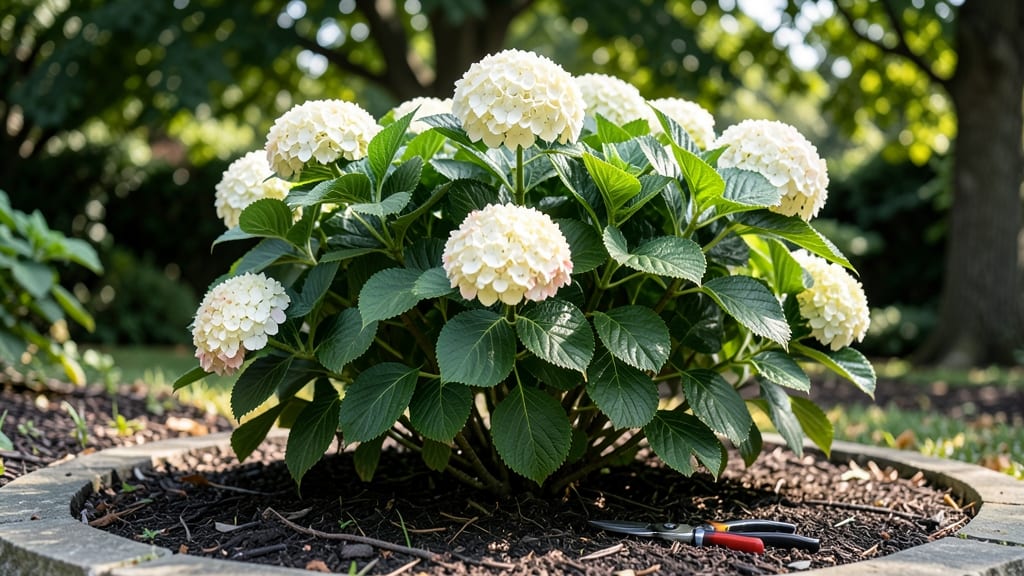
The strawberry hydrangea tree isn’t just a pretty face—it’s a fragrant, edible powerhouse that turns any yard into a showstopper. 🌿 I’ve grown mine for three seasons now, and the secret to its towering blooms and sweet little berries?
Pruning it right, not just often. Most people overlook the early spring cuts that set the stage for summer’s floral spectacle, and that’s when the magic fades.
This isn’t your average shrub—it thrives in partial shade and well-draining soil, and its white, fragrant flowers smell like a cross between gardenia and vanilla. The real kicker? Those tiny red berries (edible, though tart) add a pop of color after the blooms fade.
The catch? It needs three pruning sessions a year—not the one-and-done approach most gardeners use. Skip the spring cleanup, and you’ll end up with a leggy mess by summer.
By mastering the year-round pruning rhythm, you’ll watch it grow 8-10 feet tall with dense, lush foliage and foot-long flower clusters. The first flush of blooms arrives in late spring, and with the right cuts, you’ll get a second round in early fall.
No more sparse stems or weak growth—just a towering, fragrant centerpiece that keeps giving.
The best part? It’s drought-tolerant once established, meaning less fuss once you nail the pruning. Whether you’re dealing with a small urban yard or a sprawling garden, this tree adapts—just adjust your cuts to its shape. Ready to transform your landscape into a fragrant, berry-producing dream?
📚 In This Guide
- What you need
- Instructions
- Tips and common mistakes
- Wrapping up and next steps
What you need
- ● Pruning shears: Sharp, bypass-style shears (for clean cuts on smaller stems). Quantity: 1 pair.
- ● Loppers: For thicker branches (½"–1" diameter). Quantity: 1 pair.
- ● Pruning saw: For stubborn, woody branches (>1" diameter). Quantity: 1.
- ● Rubbing alcohol (70% or higher): To sterilize tools between cuts. Quantity: Small bottle.
- ● Garden gloves: Heavy-duty, cut-resistant (to protect from thorns and sap). Quantity: 1 pair.
- ○ Disposable pruning bags: To collect debris (optional but handy for cleanup). Quantity: 1–2.
- ● Marking twine or paint: For tagging branches to prune (e.g., white latex paint for visibility). Quantity: Small amount.
- ● Water and small spray bottle: To rinse tools and clean sap off cuts.
- ● Hand pruners with a crimping tool: For sealing larger cuts (reduces sap bleeding).
- ● Ladder or step stool: If your tree is tall (3+ feet). Safety note: Use a stable, non-slip model!
- ● Pruning sealant: For sealing cuts >½" (controversial—skip if your climate is dry).
- ● Camera or phone: To document "before" shots for tracking growth.
Step-by-Step year-round pruning for your strawberry hydrangea tree
Here's how to coax towering growth and fragrant blooms from your hydrangea—season by season.
⏰ Step 1: Late Winter Dormant Season Pruning (January-February)
This is the most critical time to shape your tree. Wait until after the last frost when the plant is fully dormant—you'll see no leaves or bud swellings. I always prune on a dry day to reduce disease risk, using sharp, sterilized pruning shears.
Start by removing any dead, damaged, or crossing branches at the base. Look for branches that rub against each other—they'll create wounds that invite pests. Cut back to an outward-facing bud or lateral branch to encourage an open growth habit. For the main structure, prune back to about 1/3 of the plant's height to stimulate vigorous new growth in spring.
Here's the thing—don't overdo it. You're not trying to create a bonsai; you want to maintain that natural, tree-like form. Step back frequently to visualize the plant's shape. The goal is to create a strong framework that can support those heavy flower clusters later.
☀️ Step 2: Spring Growth Pruning (April-May)
Once new growth appears—you'll see 1-2 inch green shoots—it's time for your second pruning. This is about maintenance and directing energy. Remove any weak, spindly growth that's growing inward toward the center of the plant. These branches will never get enough sunlight and will produce poor-quality blooms.
Pinch back the tips of vigorous new shoots to encourage bushier growth. You're essentially telling the plant, "Grow wider, not taller." For each branch, look for the fourth or fifth leaf set from the base and make your cut just above that point. This creates more lateral branches where your flowers will form.
I always carry a small pair of hand pruners for this step. It's easier to make precise cuts when you're right there with the plant. Remove any suckers at the base too—those are the little shoots growing from the roots. They'll drain energy from your main tree if left unchecked.
✂️ Step 3: Summer Bloom Maintenance (June-August)
During the blooming season, your focus shifts to preservation. After flowers fade, deadhead them by cutting back to the first set of healthy leaves below the bloom. This prevents the plant from putting energy into seed production and encourages more flowers for next season.
Watch for any branches that become overcrowded. You'll see clusters of leaves growing so densely that sunlight can't penetrate to the center. Select the weakest branch in each cluster and remove it completely. This improves air circulation, which is crucial for preventing fungal diseases that love the humid conditions hydrangeas thrive in.
This is also when you'll notice if your pruning from earlier worked. You should see strong, upright branches with plenty of flower buds forming. If you spot any branches that grew too long and leggy, you can make light pruning cuts to encourage bushier growth at the tips. Just don't remove more than 1/4 of the branch length at this stage.
🌿 Step 4: Fall Cleanup (October-November)
As temperatures drop and leaves begin to yellow, it's time for your final pruning of the year. Remove any dead or diseased branches first—they're just waiting to harbor pests over winter. Then look for any branches that grew in odd directions or created an unbalanced shape.
For the main structure, you can make slightly more aggressive cuts this time. Prune back to 1/2 inch above a outward-facing bud to encourage strong growth next spring. The key is to leave the plant with a clean, open structure that won't trap moisture over winter.
Here's where it gets fun—watch how your tree responds to each season's pruning. You'll start to notice patterns in how it grows. If you see too much leggy growth in spring, you might need to be more aggressive with summer pinching next year. If blooms are sparse, you may need to reduce pruning in winter to preserve more flower buds.
Tips & tricks for perfect strawberry hydrangea tree pruning
These seasoned strategies will help you transform your hydrangea into a thriving, fragrant centerpiece with minimal effort.
Pruning Tool Essentials: Invest in a pair of sharp, bypass pruners for clean cuts that heal faster. I also keep a small pair of hand pruners for precision work during spring growth pruning. Sterilize your tools with rubbing alcohol between cuts to prevent spreading disease—this is especially important when working with crossing branches in Step 1. The cleaner your cuts, the healthier your plant will grow.
Seasonal Visual Cues: In Step 2, when you're looking for 1-2 inch green shoots, focus on the color rather than just length. Healthy new growth should be a vibrant green, not yellow or purple-tinged. This vibrant color indicates the plant is ready for your spring pruning. In Step 3, when deadheading, look for the first set of healthy leaves below the bloom—they should be fully formed and green, not just tiny buds.
Pruning Ratio Guidance: The 1/3 pruning ratio in Step 1 might feel aggressive at first, but trust me—this is what stimulates that vigorous spring growth. For a 6-foot tree, that means cutting back about 2 feet from the top. In Step 3, when dealing with leggy branches, never remove more than 1/4 of the branch length. This preserves the plant's energy while encouraging bushier growth at the tips.
Winter Preparation Secret: After your fall cleanup in Step 4, apply a 2-3 inch layer of mulch around the base of your tree. This protects the roots from freezing temperatures and retains moisture. I also like to wrap the lower trunk with burlap for extra protection during harsh winters. This simple step can make all the difference in your tree's survival and next year's blooms.
Pro Tips for Strawberry Hydrangea Tree
- These seasoned strategies will help you transform your hydrangea into a thriving, fragrant centerpiece with minimal effort.
- Pruning Tool Essentials: Invest in a pair of sharp, bypass pruners for clean cuts that heal faster.
- Seasonal Visual Cues: In Step 2, when you're looking for 1-2 inch green shoots, focus on the color rather than just length.
Frequently asked questions
Got questions about keeping your strawberry hydrangea tree thriving with year-round pruning? Here are some common ones—and their answers!
When is the best time to prune my strawberry hydrangea tree?
The ideal time to prune is late winter or early spring (just before new growth begins). For light shaping or deadheading, prune after blooms fade in summer. Avoid heavy pruning in fall—it can encourage tender new growth that won’t survive winter. Pro tip: Use sharp pruners to avoid tearing branches!
Can I prune my strawberry hydrangea tree in winter?
Light pruning (removing dead or broken branches) is fine in winter, but avoid heavy cuts until late winter. Cold snaps can stress fresh cuts, and late bloomers (like some hydrangeas) may lose next year’s flower buds. If you must prune in winter, do it on a mild day and sterilize tools to prevent disease.
Why aren’t my strawberry hydrangeas blooming as much as last year?
Over-pruning, poor nutrition, or wrong pruning timing are common culprits. Strawberry hydrangeas bloom on old wood, so avoid cutting back into last year’s growth. Feed with acidic fertilizer in spring and ensure it gets morning sun (but afternoon shade in hot climates). Check for pests too!
What can I do if my strawberry hydrangea tree looks leggy?
Leggy growth often means it needs more light or pruning. Trim back overgrown stems by ⅓ to ½ in late winter to encourage bushier growth. If outdoors, move it to a sunnier spot (but avoid harsh afternoon sun). For container-grown trees, ensure the pot isn’t root-bound—repot if needed!
Are there smaller alternatives to strawberry hydrangea trees?
Yes! If space is tight, try ‘Limelight’ hydrangea (compact shrub) or ‘Endless Summer’ hydrangeas (reblooming, smaller varieties). For a tree-like shape, oakleaf hydrangea (e.g., ‘Pee Wee’) grows to 4–6 feet tall. All thrive with similar care—just adjust pruning for size!
How do I prevent powdery mildew on my hydrangea leaves?
Powdery mildew loves humid, shaded conditions. Improve airflow by pruning dense growth, water at the base (not leaves), and space plants 3–4 feet apart. For treatment, spray with neem oil or a fungicide labeled for hydrangeas. Bonus: Mulch to keep soil moist but not soggy!
Wrapping up and next steps
The strawberry hydrangea tree is a stunning addition to any garden, offering year-round beauty with its fragrant blooms and lush foliage. By mastering the art of pruning, you can encourage vibrant growth, fuller blooms, and a healthier tree.
Whether you're a seasoned gardener or just starting, these techniques will help you keep your hydrangea thriving for seasons to come!
Ready to transform your outdoor space? Grab your pruners and get started today! 🌿✨