
Pruning
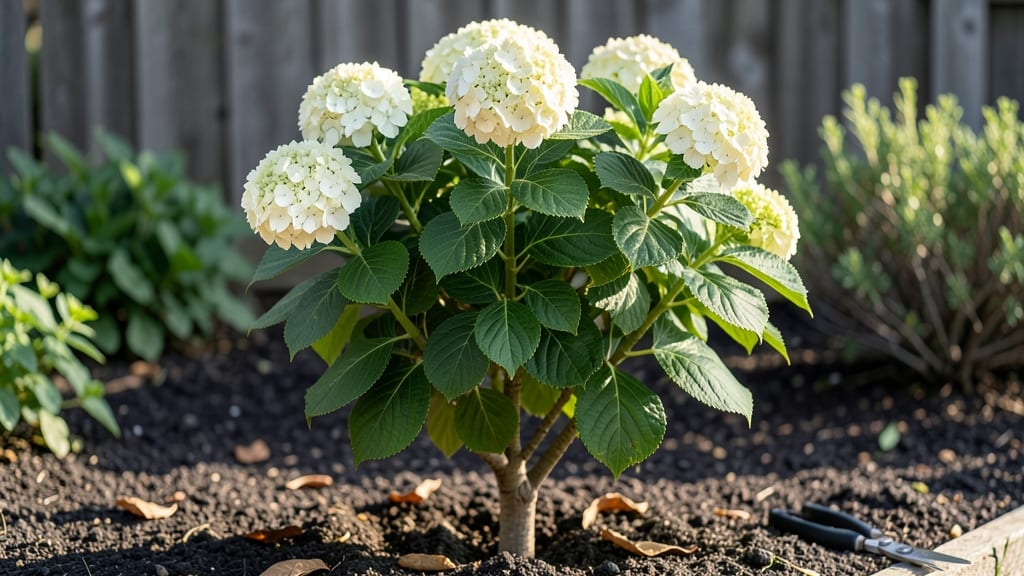
Creating a strawberry vanilla hydrangea tree form transforms your garden into a fragrant, layered masterpiece that blooms from summer through fall. 🌸 The secret lies in strategic pruning—shaping the plant like a miniature tree with a single trunk and tiered branches—while preserving its signature vanilla-scented blooms and deep green foliage.
Start with a young plant or prune an established hydrangea in late winter or early spring. Use sharp pruners to remove competing stems, leaving just 3-5 strong branches spaced evenly around the trunk.
The goal is a balanced silhouette that lets light filter through the layers, enhancing the fragrance and encouraging lush regrowth.
By midsummer, your tree form will showcase cascading clusters of vanilla-scented blooms in shades of pink and white, their sweet aroma drawing hummingbirds and butterflies. Pair it with dwarf conifers for structure or ornamental grasses for movement—both complement the hydrangea’s soft, romantic texture while keeping the design modern or cottage-inspired.
Year-round care keeps the drama alive: mulch to protect roots in winter, prune lightly after blooming to shape for next season, and feed with acid-loving fertilizer in spring. This isn’t just a plant—it’s the centerpiece that makes your garden smell like a stroll through a secret garden.
📚 In This Guide
- What you need
- Instructions
- Tips and common mistakes
- Wrapping up and next steps
What you need
- ● Strawberry Vanilla Hydrangea Plant: A healthy Hydrangea paniculata 'Limelight' or similar variety (ensure it’s at least 2–3 years old for best results).
- ● Pruning Tools: Bypass pruners (sharp, clean, and sterilized with rubbing alcohol).
- ● Loppers (for thicker branches, 1–2 inch cut capacity).
- ● Hand pruners (for fine-tuning smaller stems).
- ● Safety Gear: Garden gloves (cut-resistant for protection).
- ● Safety goggles (to shield from debris).
- ○ Pruning Paste or Sealant: (Optional but recommended for large cuts to prevent disease).
- ● Disinfectant Wipes: For cleaning tools between cuts.
- ● Stake and ties (if supporting new growth during shaping).
- ● Fertilizer (balanced 10-10-10 or slow-release granules for post-pruning recovery).
- ● Mulch (2–3 inches of organic mulch to retain moisture).
- ● Spray bottle with water (to keep cuts clean while pruning).
Step-by-step instructions for crafting a strawberry vanilla hydrangea tree form
Here’s how to layer fragrant blooms and edible accents into a living work of art.
🌿 Step 1: Select and Prepare Your Base Plants
Start with four 1-gallon hydrangea plants (preferably Hydrangea macrophylla 'Vanille Fraise' for its vanilla-scented blooms) and two strawberry plants (everbearing varieties like 'Alpine' or 'Seascape'). Choose hydrangeas with established canes—thicker stems bend better for shaping. Prune any leggy growth now to encourage bushier branching later.
Plant the hydrangeas in a square or circular pattern, spacing them 12 inches apart at the center of your designated area. The strawberries will weave between them, so place them 6 inches from the hydrangea stems but outside the main cluster. Use well-draining soil (amend with compost if needed) to prevent root rot—hydrangeas hate soggy feet.
✂️ Step 2: Train and Weave the Canes
This is where the magic happens: bend, not break. Select the three strongest hydrangea canes and gently arch them outward in a spiral or circular pattern, securing each with soft plant ties (nylon stockings work in a pinch). The goal is a tree-like form with layers—think of a living chandelier. Space the ties every 6 inches to distribute weight evenly.
Weave the strawberry runners through the gaps between hydrangea canes, tucking them just below the soil surface where new roots form. Water deeply after planting—1 inch of water per week—to encourage root establishment. Mulch with 2 inches of shredded bark to retain moisture and suppress weeds, but keep mulch 6 inches away from stems to prevent rot.
☀️ Step 3: Prune and Maintain for Year-Round Interest
Prune hydrangeas immediately after flowering in late summer to shape the form. Cut back one-third of the oldest canes to encourage new growth, and trim any crossing branches to improve airflow (this prevents fungal diseases). For strawberries, remove spent fruit to redirect energy into next year’s harvest and pinch off new runners unless you want to expand the plant.
Fertilize lightly in early spring with a balanced 10-10-10 formula—hydrangeas need phosphorus for blooms, but too much nitrogen makes them leafy and sparse. Watch for yellowing leaves (a sign of overwatering) or drooping blooms (underwatering). Hydrangeas thrive in morning sun with afternoon shade, especially in hot climates.
🌱 Step 4: Layer Fragrance and Edible Accents
Here’s the thing—timing matters. Plant scented annuals like jasmine or sweet alyssum at the base in spring to fill gaps until hydrangeas leaf out. By midsummer, the strawberries will trail down, their red berries contrasting with vanilla-scented hydrangea blooms. In fall, add ornamental grasses (like Miscanthus) to sway through the branches for winter texture.
Harvest strawberries as they ripen—pick when fully red and slightly soft to touch. Enjoy the hydrangea blooms in late summer, when their vanilla-cinnamon fragrance peaks. Deadhead spent blooms to encourage a second flush, but leave some for winter interest (dried blooms add texture to arrangements).
Tips & tricks for perfect strawberry vanilla hydrangea tree forms
Creating this fragrant garden masterpiece takes patience and precision—here’s how to avoid common pitfalls and elevate your design.
Plant Selection: For the best vanilla-scented blooms, insist on Hydrangea macrophylla 'Vanille Fraise' from a reputable nursery. I’ve learned the hard way that cheaper varieties often lack the signature vanilla-cinnamon fragrance. Look for plants with multiple canes (at least 3-4) to create that dramatic layered effect right from planting. The thicker the canes, the better they’ll hold their shape when trained.
Timing Secret: The 1 inch of water per week guideline is critical during the first 6 weeks after planting—this is when roots establish. I recommend watering in the morning so the soil has time to dry slightly before evening, which prevents fungal issues. For the strawberries, their runners need consistent moisture to root properly when tucked between hydrangea canes, so don’t skip this step even when it rains.
Pruning Precision: When you cut back one-third of the oldest canes in late summer, make your cuts just above a leaf node where new growth will emerge. I always mark the canes with colored tape before pruning to avoid cutting healthy growth by mistake. This strategic pruning creates that lush, layered look while encouraging next year’s blooms—don’t skip it, even if your hydrangeas look full!
Seasonal Layering: The spring-planted annuals like jasmine and sweet alyssum are your secret weapon for filling gaps while hydrangeas leaf out. I plant mine 3 inches from the hydrangea stems to create a dense base that contrasts beautifully with the trailing strawberries. In fall, add ornamental grasses 6-8 weeks before first frost—they’ll provide winter interest while protecting the base from erosion.
Pro Tips for Strawberry Vanilla Hydrangea Tree Form
- Creating this fragrant garden masterpiece takes patience and precision—here’s how to avoid common pitfalls and elevate your design.
- Plant Selection: For the best vanilla-scented blooms, insist on Hydrangea macrophylla 'Vanille Fraise' from a reputable nursery.
- Timing Secret: The 1 inch of water per week guideline is critical during the first 6 weeks after planting—this is when roots establish.
Frequently asked questions
Got questions about growing and maintaining your strawberry vanilla hydrangea tree form? You’re in the right place! Here are answers to the most common queries—from pruning tips to fragrance secrets and troubleshooting.
What’s the best time to prune my strawberry vanilla hydrangea tree form?
Prune your hydrangea in late winter or early spring (before new growth starts) to shape it and encourage blooms. Avoid heavy pruning in fall—it can damage tender stems. For strawberry vanilla, focus on removing dead wood and thinning crowded branches to improve airflow and fragrance.
How do I encourage more fragrance in my tree form?
Fragrance thrives with sunlight and proper pruning. Place your tree in morning sun or dappled shade (avoid harsh afternoon rays). Prune to open the canopy—this lets air circulate, intensifying the strawberry-vanilla scent. Mulch well to retain moisture, which also boosts floral oils.
Can I grow a strawberry vanilla hydrangea in a container?
Yes! Use a large container (at least 15 gallons) with drainage holes and well-draining potting mix. Choose a tree form grafted onto a dwarf rootstock (like Hydrangea macrophylla ‘Vanille Fraise’ on Hydrangea paniculata roots). Repot every 2–3 years and prune annually to control size.
Why aren’t my hydrangea leaves turning purple like they should?
Purple foliage fades due to too much sunlight, over-fertilizing, or poor soil pH. Move your tree to partial shade and amend soil with organic matter (like compost). For strawberry vanilla, aim for slightly acidic soil (pH 5.5–6.2)—test kits help! Avoid high-phosphorus fertilizers, which can dull color.
Are there fragrant alternatives to strawberry vanilla hydrangea?
Try these fragrant hydrangea varieties:
- Hydrangea paniculata ‘Limelight’ – Vanilla-like scent, heat-tolerant
- Hydrangea macrophylla ‘Annabelle’ – Sweet, honeyed fragrance
- Hydrangea quercifolia ‘Snow Queen’ – Oakleaf hydrangea with spicy notes
Wrapping up and next steps
The Strawberry Vanilla Hydrangea Tree Form isn’t just a plant—it’s a fragrant, year-round masterpiece that brings layers of texture, color, and scent to your garden. With the right pruning techniques, you’ll unlock its full potential, ensuring lush blooms, vibrant foliage, and that intoxicating vanilla-strawberry aroma.
Whether you’re a seasoned gardener or just starting, this guide gives you the confidence to shape your hydrangea into a stunning focal point.
🌿 Ready to transform your garden? Grab your pruners, roll up your sleeves, and give your hydrangea the care it deserves—your backyard (and senses!) will thank you. Start pruning today and watch your fragrant layers flourish!