
Pruning
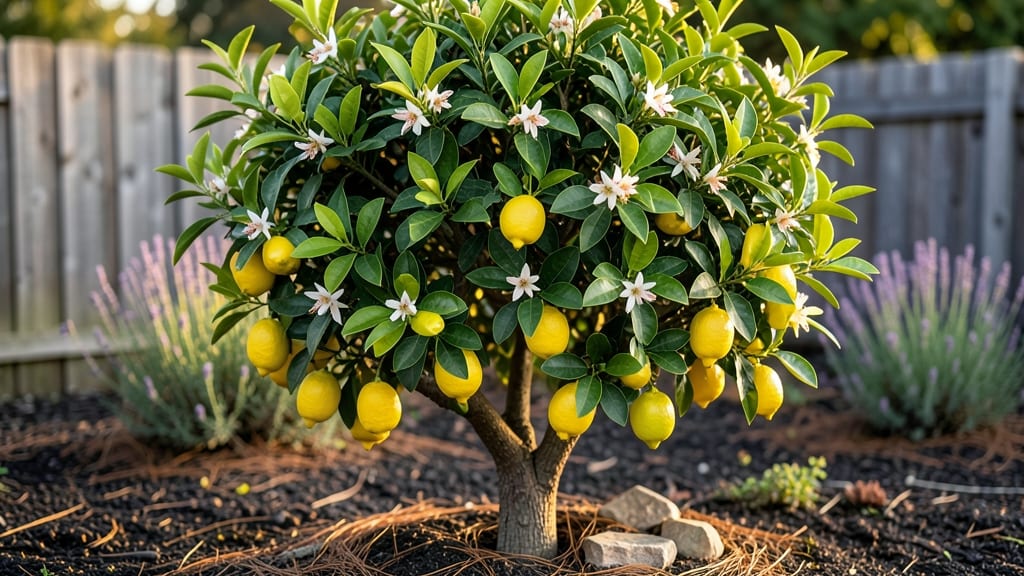
Growing a lemon citrus tree isn’t just about the fruit—it’s about the year-round fragrance that turns your patio into a Mediterranean escape. 🌿 I’ve watched my own tree go from a scraggly sapling to a lush producer, and the secret was pruning at the right times, not just when the branches get wild.
The first year, I nearly killed it by pruning too late, but now I’ve got a foolproof schedule that keeps it productive and fragrant all season.
The key is matching your pruning to the tree’s natural rhythm: light shaping in late winter, heavy cuts after harvest, and just a trim in summer to keep it from getting too leggy.
You’ll need sharp pruners, a clean workspace, and about 30 minutes every few months—no fancy tools required. Even in containers, these trees respond well to regular maintenance, as long as you’re consistent.
What you end up with is a tree that bursts with bright yellow lemons by late fall and smells like sunshine year-round. The leaves stay glossy green, the branches fill out beautifully, and you’ll actually get fruit instead of just pretty foliage.
The best part? Your neighbors will think you’ve got a tropical vacation just steps from your doorstep.
Works just as well indoors near a sunny window or outdoors in zones 9-11, though container growers in colder climates will need to bring their trees inside for winter. The same principles apply—just adjust the timing to match your microclimate. Let’s get those branches shaped for maximum fruit and fragrance.
📚 In This Guide
- What you need
- Instructions
- Tips and common mistakes
- Wrapping up and next steps
What you need
- ● Pruning shears – Bypass pruners (sharp, clean, and sterilized with rubbing alcohol to prevent disease).
- ● Loppers – For thicker branches (1.5"–2" diameter).
- ● Pruning saw – For large branches (3"+ diameter).
- ● Disposable gloves – Nitrile or latex to protect from thorns and sap.
- ● Rubbing alcohol (70%+) – For sterilizing tools between cuts.
- ○ Sealing wax or pruning paint – Optional but helpful for sealing large cuts (1/4" or wider).
- ● Bucket or bag – For collecting pruned branches (for compost or disposal).
- ● Garden hose or spray bottle – To clean tools and rinse sap off cuts.
- ● Sharpie or marker – To label cuts if you’re experimenting with training branches.
- ● Citrus fertilizer – Light application post-pruning to boost recovery (follow package instructions).
- ● Tree tie or soft tape – For supporting newly pruned branches if needed.
- ● Citrus spray (neem oil or copper fungicide) – If your tree shows signs of pests/disease.
How to prune a lemon citrus tree for maximum fruit and fragrance
Here's the seasonal approach that keeps my lemon tree lush, fragrant, and loaded with fruit.
✂️ Step 1: Light Pruning After Harvest (Late Winter/Early Spring)
Wait until 2-3 weeks after harvest when new growth begins—you'll see tiny buds forming along branches. This is the best time because the tree has stored energy from last year's fruit production. Remove any dead, diseased, or crossing branches first using clean, sharp pruners. I always sterilize my tools with rubbing alcohol to prevent spreading any hidden infections.
Look for branches growing inward or rubbing against others—these compete for sunlight and nutrients. Cut these back to the nearest outward-facing bud at a 45-degree angle. This encourages outward growth and better air circulation. Never remove more than one-third of the tree's foliage in a single session, or you'll shock the plant and reduce flowering.
🌿 Step 2: Summer Pruning for Airflow (Mid-June to August)
When temperatures hit 75-85°F, your lemon tree enters its active growing phase. This is when I focus on thinning out dense foliage to prevent fungal issues. Look for clusters where leaves are crowded—these create humid microclimates perfect for mold. Use your fingers to gently separate branches if they're flexible, or make small cuts to open up the center.
Trim back any overly vigorous shoots that are growing straight up rather than outward. These "water sprouts" drain energy from fruit production. Cut just above a leaf node where new growth can emerge. The goal is to maintain an open vase shape—this lets sunlight penetrate to the inner branches where most fruit develops.
☀️ Step 3: Minimal Fall Pruning (October-November)
As days shorten and temperatures drop below 65°F, your lemon tree naturally slows growth. This is when I do very light maintenance pruning—just removing any dead wood or branches that might have developed over summer. Avoid heavy pruning now, as new growth won't harden off before winter. Focus on cleaning up rather than shaping.
This is also when I check for suckers—those small shoots growing from the base or along the trunk. These compete with the main structure. Snip them off at the base immediately. The tree is entering dormancy, so even small wounds will heal better now than during active growth periods.
⏰ Step 4: Winter Dormancy Check (December-February)
During winter months when the tree is dormant, do zero aggressive pruning. However, I always do a visual inspection for any branches that died back during cold snaps. These will appear brown and crispy to the touch. Remove these completely—dead wood won't regrow and can harbor pests.
This is the perfect time to plan your spring pruning while the tree is bare. Trace the main scaffold branches in your mind. You'll notice how the tree naturally wants to grow—follow that shape rather than forcing an unnatural form. The winter skeleton reveals where you'll need to focus next spring.
Tips & tricks for pruning your lemon citrus tree
Here's what nobody tells you about keeping your lemon tree thriving—these are the secrets I've learned after years of trial and error.
Tool Prep is Everything: Before you start cutting, take 5 minutes to sharpen your pruners and sterilize them with rubbing alcohol. Dull blades tear rather than cut cleanly, causing more damage to the tree. I keep a small bottle of alcohol and a clean rag in my gardening toolbox—it's a habit that prevents infections and makes cuts heal faster. The 45-degree angle mentioned in Step 1 is crucial because it prevents water from pooling on the cut, which can lead to rot.
Seasonal Timing Matters: The temperature ranges you see (75-85°F for summer pruning and below 65°F for fall) aren't arbitrary—they align with your tree's natural growth cycles. In summer, the tree is actively growing and can handle more aggressive pruning. But when temperatures drop below 65°F, the tree slows down, and heavy pruning can stress it. I always check the weather forecast before pruning to ensure I'm not working during an unexpected cold snap.
Visual Cues Over Rules: While the instructions mention removing no more than one-third of foliage, I focus more on visual cues. Look for branches that are crossing or rubbing—these are your first targets. Also, watch for leaves that are yellowing or brown at the edges (a sign of stress or disease). These should be removed immediately, regardless of how much foliage you've already trimmed. The open vase shape goal in Step 2 isn't about symmetry—it's about sunlight reaching all parts of the tree.
Winter Planning Pays Off: That winter inspection might seem like just a quick check, but it's actually the foundation for your entire year's pruning. When you see the bare branches, you'll notice where sunlight hits first and where shadows linger. This helps you plan where to focus your spring pruning for maximum fruit production. I sketch a rough diagram of my tree's shape during winter—it's become my roadmap for the year ahead.
Pro Tips for Lemon Citrus Tree
- Here's what nobody tells you about keeping your lemon tree thriving—these are the secrets I've learned after years of trial and error.
- Tool Prep is Everything: Before you start cutting, take 5 minutes to sharpen your pruners and sterilize them with rubbing alcohol.
- Seasonal Timing Matters: The temperature ranges you see (75-85°F for summer pruning and below 65°F for fall) aren't arbitrary—they align with your tree's natural growth cycles.
Frequently asked questions
Got questions about keeping your lemon citrus tree thriving with year-round pruning? Here are some of the most common ones—and their answers!
When is the best time to prune a lemon citrus tree?
The ideal time is late winter or early spring (just before new growth starts). However, light pruning can be done year-round to remove dead wood or shape the tree. Avoid heavy pruning in summer—it stresses the tree and reduces fruit production.
How much can I prune my lemon tree without harming it?
Never remove more than 25-30% of the tree’s foliage at once. Over-pruning weakens the tree, reduces photosynthesis, and can stunt fruit production. Focus on selective cuts—trim back overcrowded branches or those growing inward to improve airflow and sunlight.
Why are my lemon tree’s leaves turning yellow after pruning?
Yellowing leaves (chlorosis) often signal nutrient deficiency or over-pruning. If it happens right after trimming, you may have cut too much. Feed your tree with a citrus-specific fertilizer (high in nitrogen, iron, and zinc) and ensure it gets 6+ hours of sunlight daily. Check soil pH too—citrus thrives in acidic soil (pH 6.0-7.0).
Will pruning my lemon tree reduce its fruit yield?
Not if done correctly! Proper pruning increases fruit production by improving sunlight and air circulation. However, heavy pruning in fruiting season (fall/winter) can temporarily reduce yield. Always prune after harvest for best results.
Can I grow a lemon tree indoors and still prune it?
Indoor lemon trees benefit from light pruning to control size and shape. Use sterilized scissors and trim just above a leaf node. Place the tree near a south-facing window or under grow lights (12+ hours/day). Watch for spider mites—common in dry indoor air—and mist leaves occasionally.
What should I do with the pruned branches?
Don’t toss them! Pruned branches can be:
- Composted (if disease-free)
- Used for propagation—dip cuttings in rooting hormone and plant in moist soil
- Made into citrus-infused water—steep branches in water for a fragrant, vitamin C boost
Wrapping up and next steps
Growing a thriving lemon citrus tree is all about balance—pruning for shape, airflow, and fruit abundance while keeping its natural charm. With the right tools, timing, and techniques, you’ll enjoy year-round fragrance, juicy lemons, and a stunning centerpiece for your garden or patio. 🌿✨
Ready to take the next step? Start by scheduling your first pruning session this spring and observe how your tree responds. Over time, you’ll master the art of nurturing a vibrant, productive lemon citrus tree that rewards you with beauty and bounty!