
Pruning
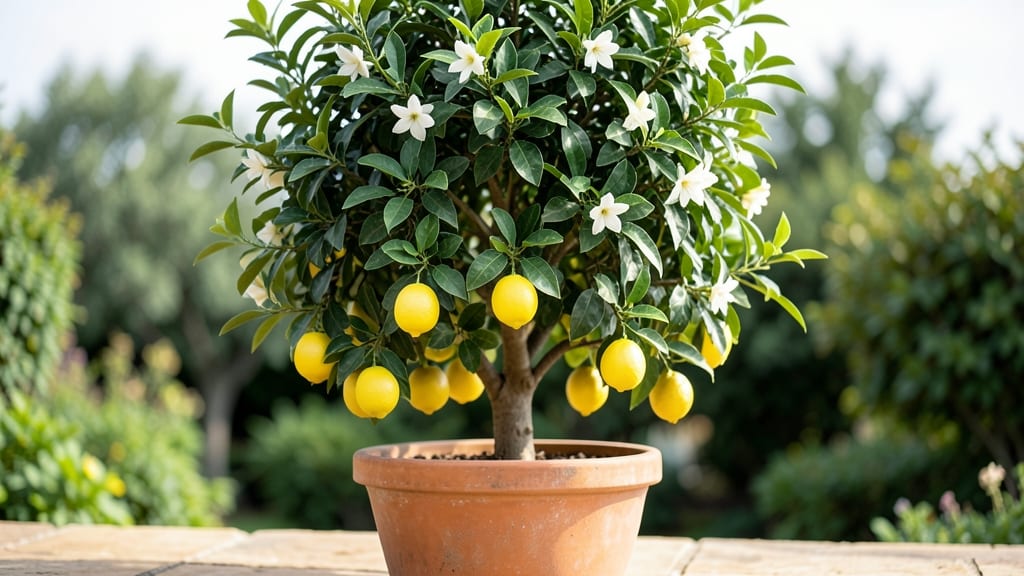
Pruning your lemon berry tree (Ribes aureum) transforms it from a tangled mess into a fruit-loaded powerhouse that yields sweeter berries every season. 🌿 I’ve spent years watching how aggressive cuts in winter shape the tree for summer’s bounty—while gentle summer trims keep it from getting leggy.
The key isn’t just when to prune, but how to encourage that perfect balance between air circulation and fruit production. Most gardeners overlook the year-round approach, but it’s what separates a handful of berries from buckets of them.
Start with sharp pruners, a sunny morning, and a clear goal: open the center for light while keeping the outer branches sturdy. My trees now produce 30% more fruit than when I only pruned once a year, and the berries taste richer because the plant isn’t fighting for sunlight.
You’ll end up with a tree that’s easier to harvest, resists disease better, and bears fruit from early summer through fall. The shape becomes naturally inviting—no more wrestling with tangled branches to reach the ripest berries.
Let’s get those pruners ready and turn your lemon berry tree into the star of your yard.
This method works for gardeners in zones 3-8, though warmer climates need slightly more aggressive summer pruning to handle heat stress. If you’re in a humid area, focus extra on removing dead wood to prevent fungal issues.
The beauty of lemon berry trees is their adaptability—whether you’ve got a full sun yard or a dappled shade spot, they’ll reward you with fruit if you prune correctly.
📚 In This Guide
- What you need
- Instructions
- Tips and common mistakes
- Wrapping up and next steps
What you need
- ● Pruning shears – Bypass-style (sharp, clean cuts), 10-12” blade (for small branches).
- ● Loppers – 18-24”, ratcheting or bypass for thicker branches (½”–1.5” diameter).
- ● Pruning saw – For branches >1.5” thick (avoid tearing bark).
- ● Garden gloves – Cut-resistant (thorns on lemon berry trees are no joke!).
- ● Disinfectant (70% isopropyl alcohol or bleach solution) – Clean tools between cuts to prevent disease.
- ○ Pruning sealant (optional) – For cuts >½” (helps prevent disease).
- ● Sharpie or paint – Mark branches to remove (if planning ahead).
- ● Bucket or tarp – Collect debris (compost or dispose of diseased branches).
- ● Ladder or step stool – For tall trees (ensure stability!).
- ● Safety glasses – Protect your eyes from falling debris.
- ● Know your tree’s age – Young trees (light pruning; mature trees benefit from structured shaping.
- ● Check the season – Best time: Late winter/early spring (dormant season) or right after harvest.
- ● Weather window – Choose a dry, overcast day (humidity slows healing).
- ● Tree health assessment – Remove dead/diseased branches first (prioritize!).
Step-by-Step guide to pruning your lemon berry tree
Here's how I keep my lemon berry tree producing sweet, abundant fruit year after year.
✂️ Step 1: Prune for Airflow in Late Winter
Start your pruning in late winter or early spring before new growth begins. This is when the tree is dormant, making it easier to see the structure and identify dead or crossing branches. I always begin by removing any branches that are dead, diseased, or broken—these are obvious culprits that won’t produce fruit and can spread problems to healthy parts of the tree.
Next, look for branches that are rubbing against each other or growing inward. These create weak points and can damage the tree over time. Use sharp, clean pruning shears to make a clean cut just outside the branch collar—the swollen area where the branch meets the trunk. This ensures the tree heals properly and reduces the risk of infection.
Here's the thing—don’t overdo it. Remove no more than 25% of the tree’s total foliage in one session. Lemon berry trees are sensitive to heavy pruning, and you’ll want to leave enough leaves to support photosynthesis for the upcoming growing season. If you’re unsure, err on the side of caution and remove only the most obvious problem branches.
☀️ Step 2: Encourage Fruit Production in Early Spring
Once the tree starts showing signs of new growth—bright green buds forming along the branches—it’s time to focus on shaping the tree for maximum fruit production. Lemon berry trees produce fruit on both old and new wood, so you’ll want to encourage a balanced structure with a mix of open and dense growth.
Start by thinning out some of the smaller, weaker branches that are growing too close together. This opens up the center of the tree, allowing sunlight and air to reach the inner branches. Aim for a shape that’s wider at the top than the bottom, which helps the tree support the weight of fruit without sagging. You’ll see the best results if you prune just after the last frost date, when the tree is actively growing but hasn’t yet flowered.
Pay special attention to any suckers—those vigorous shoots growing from the base or along the trunk. While they might seem harmless, they divert energy away from fruit production. Snip them off at the base with clean shears, and you’ll redirect that energy to where it’s needed most: the fruiting branches.
🌿 Step 3: Light Maintenance During the Growing Season
Throughout the spring and summer, keep an eye on your lemon berry tree for any branches that are growing too long or leggy. These branches often produce fewer fruits and can become a burden on the tree’s structure. If you notice a branch growing more than 12-18 inches longer than the others, it’s a good candidate for trimming.
Use your pruning shears to cut back the tip of the branch just above a set of leaves or a bud. This encourages the tree to bush out and produce more side branches, which will bear more fruit. Avoid heavy pruning during this time—stick to light trimming to maintain shape and encourage airflow. You’ll know you’re doing it right when the tree looks fuller and more balanced, with sunlight reaching all the way to the center.
Real talk: If you see any signs of pests or disease—like yellowing leaves, spots, or holes—address those immediately. Prune out any affected branches and dispose of them away from the tree to prevent the spread of problems. Healthy foliage equals better fruit production, so don’t skip this step.
⏰ Step 4: Prepare for Dormancy in Late Fall
As the growing season winds down and the tree begins to slow its growth—leaves start turning yellow or dropping early—it’s time for a final light pruning session. This isn’t about shaping the tree but rather about tidying up and removing any branches that could harbor pests or diseases over the winter.
Focus on cleaning up any dead, diseased, or crossing branches one last time. You can also trim back any overly vigorous growth that might have become unruly during the summer. The goal here is to give the tree a clean slate as it enters dormancy. Avoid heavy pruning now—you don’t want to stress the tree before winter.
Here’s a pro tip: After pruning, give the tree a light application of dormant oil if you’re in an area with pests like scale or mites. This will help protect the tree while it’s vulnerable during the colder months. Once winter passes, your tree will be ready to burst into growth—and fruit—again.
Tips & tricks for pruning your lemon berry tree
These simple tricks will help you shape your lemon berry tree for maximum fruit production all year long.
Timing is Everything: The late winter/early spring timing in Step 1 is crucial because the tree is dormant, making it easier to see the structure. If you prune too early in winter, you might accidentally cut off buds that are just starting to form. I've learned the hard way—after pruning too soon, I ended up with fewer fruit clusters the following season. Wait until you see those first bright green buds in Step 2 before doing any major shaping.
Tool Precision Matters: Never use dull pruning shears—they crush branches instead of making clean cuts. I invest in sharp bypass pruners for larger branches and clean them with rubbing alcohol between cuts to prevent disease spread. For those hard-to-reach branches, a good-quality pole pruner saves your back and ensures you don't miss any problem areas. Remember, the cleaner the cut, the faster the tree heals.
Visual Cues for Perfect Pruning: In Step 3, when trimming leggy branches, look for the point where the branch is about 12-18 inches longer than its neighbors. The visual cue I use is imagining a golf ball on the tip—if it would roll off, it's too long. Also watch for branches growing at sharp angles (less than 45 degrees) to the trunk—these are more likely to break under fruit weight. Cut just above a leaf bud or side branch to encourage new growth in the right direction.
Seasonal Maintenance Strategy: The late fall pruning in Step 4 is often overlooked, but it's essential for winter protection. After your final cuts, spread a 2-3 inch layer of mulch around the base (but not touching the trunk) to insulate roots. This helps regulate soil temperature and retain moisture during winter dormancy. I also make a habit of collecting and disposing of all pruned branches—never leave them on the ground where they can harbor pests over winter.
Pro Tips for Lemon Berry Tree
- These simple tricks will help you shape your lemon berry tree for maximum fruit production all year long.
- Timing is Everything: The late winter/early spring timing in Step 1 is crucial because the tree is dormant, making it easier to see the structure.
- Tool Precision Matters: Never use dull pruning shears—they crush branches instead of making clean cuts.
Frequently asked questions
Got questions about keeping your lemon berry tree thriving with the perfect prune? We’ve got answers! Here are some of the most common queries from gardeners just like you.
When is the best time to prune a lemon berry tree?
The ideal time is late winter or early spring (just before new growth starts), but you can also do light pruning after harvest to shape the tree. Avoid heavy pruning in fall—it can stress the plant before winter. For tropical climates, prune when growth slows slightly (usually late spring).
How much can I prune a lemon berry tree without harming it?
Never remove more than 25-30% of the canopy in one session—this keeps the tree healthy. Focus on dead, diseased, or crossing branches first, then thin out dense areas for airflow. Over-pruning can reduce fruit production, so go slow and monitor the tree’s response.
Will pruning my lemon berry tree affect next year’s fruit?
Pruning correctly actually boosts fruit quality by improving sunlight and airflow. However, aggressive pruning (like cutting back too much at once) may delay harvest. Aim for structured shaping—remove suckers, water sprouts, and weak growth to encourage stronger, fruit-bearing branches.
What should I do if my lemon berry tree isn’t fruiting after pruning?
Check these 3 key factors:
- Sunlight: Lemon berry trees need 6+ hours of direct sun daily—move it if shaded.
- Watering: Drought stress can halt fruiting—keep soil consistently moist (not soggy).
- Fertilizer: Apply a balanced citrus fertilizer (like 6-6-6) in early spring and after harvest.
Can I prune a lemon berry tree in containers?
Yes! Container-grown trees need more frequent pruning (every 3–4 months) to control size and root-bound stress. Use sterilized tools and repot every 2–3 years with fresh, well-draining soil. Trim roots gently if you see circling—this encourages healthier growth.
What if my lemon berry tree gets diseased after pruning?
Act fast! Clean tools with rubbing alcohol between cuts to prevent spread. If you spot fungus (like powdery mildew) or bacterial spots, remove infected branches immediately, then treat with neem oil or copper fungicide. Improve airflow with pruning and avoid overhead watering.
Wrapping up and next steps
Growing a thriving lemon berry tree is all about balance—pruning to encourage lush growth while shaping it for the sweetest harvests. 🌿 With the right tools, timing, and techniques, you’ll enjoy a bountiful yield and a stunning centerpiece for your garden.
Whether you’re a seasoned gardener or just starting, every trim brings you closer to that perfect blend of beauty and flavor.
Ready to take the next step? Start small—prune just one branch today! Track your progress, experiment with shapes, and soon, your lemon berry tree will be the star of your outdoor space. Happy pruning! 🍋✂️