
Pruning
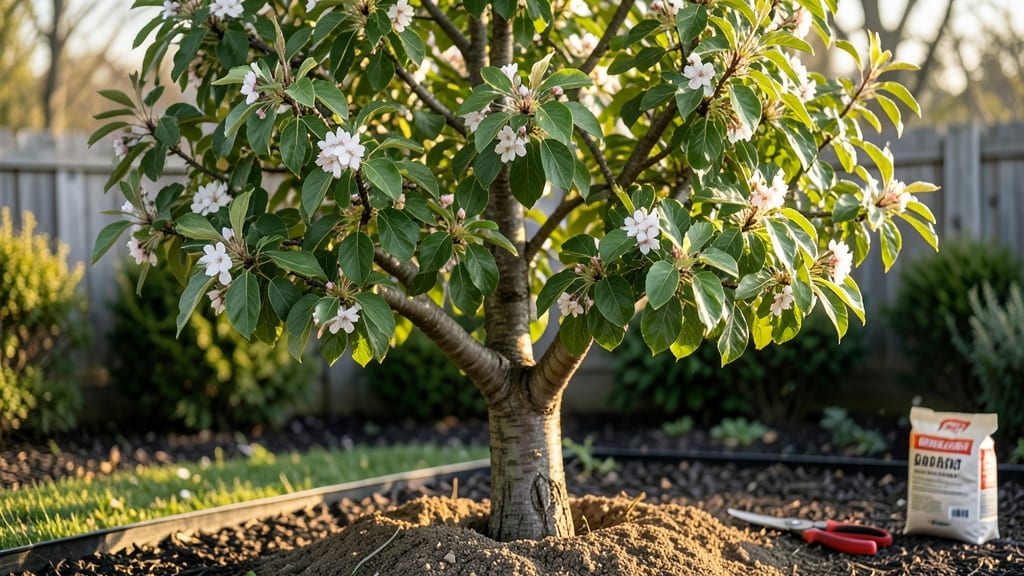
My Burbank plum tree transforms every spring into a jewel-toned masterpiece, and the secret lies in year-round pruning that balances shape and fruit production.
I learned the hard way that waiting until winter means missing half the growing season's potential—those early cuts in late winter or early spring set the stage for heavier harvests. The tree rewards precision: too aggressive, and you lose next year's fruit; too gentle, and branches sprawl into tangled messes.
You'll need sharp pruners, a ladder (for taller trees), and about 2-3 hours spread over four key seasons. Start with the 3-D thinning cuts in late winter to open the canopy, then do light maintenance pruning after harvest to shape new growth.
The goal is sunlight reaching every branch—dark, crowded centers produce fewer plums but more pests. I've seen Burbank trees go from sparse harvests to bursting branches just by following this rhythm.
What you'll end up with is a tree that produces heavier, larger plums with fewer diseases because air circulates properly. The fruit ripens more evenly, and you avoid the frustration of plums hidden in shaded branches.
By summer's end, you'll be picking fruit that's sweeter than store-bought, with that signature deep purple hue that makes neighbors ask for cuttings. The payoff comes in both beauty and harvest—just don't skip the late-summer cleanup.
This method works whether you're shaping a young tree or reviving an overgrown one, though mature trees need more frequent attention. The same principles apply in containers too, just scaled down. Here's how to make it work for your Burbank plum, no matter its age or size.
📚 In This Guide
- What you need
- Instructions
- Tips and common mistakes
- Wrapping up and next steps
What you need
- ● Pruning shears: Bypass pruners with sharp, clean blades (1 pair, 6–8 inches long). Look for ergonomic handles for comfort during long sessions.
- ● Loppers: For thicker branches (¼–1½ inches in diameter). Opt for ratchet-style loppers for extended leverage (1 pair).
- ● Pruning saw: For branches too thick for loppers (1½+ inches). A curved blade works best for Burbank plums (1 saw).
- ● Gloves: Heavy-duty, cut-resistant gloves (1 pair) to protect against thorns and rough bark.
- ● Disinfectant: 70% isopropyl alcohol or a pruning sealant (small bottle) to sterilize tools between cuts and prevent disease.
- ○ Extension pole: For high branches (optional but helpful if your tree is mature). Choose one with a pruner attachment (1 pole, 6–10 feet).
- ● Buckets or bags: For collecting pruned branches (2–3, depending on tree size). A biodegradable liner makes cleanup easier.
- ● Ladder (if needed): Sturdy, non-slip ladder for taller trees (1, with stabilizers). Never stand on the tree itself!
- ● Hand saw or pole saw: For stubborn, oversized limbs that require extra precision.
- ● Pruning paint/sealant: To cover large cuts and prevent disease entry (small tube).
- ● Work apron: With pockets to hold small tools and gloves while you work.
- ● Safety glasses: To shield your eyes from debris, especially when using a saw.
- ● Tree wound dressing: Controversial but some gardeners swear by it for healing wounds (use sparingly).
Step-by-Step guide to pruning your Burbank plum tree
Here’s how I keep my Burbank plum tree thriving with clean cuts and seasonal shaping.
Prune in Late Winter for Structure
Start your pruning 2-3 weeks before buds swell in late winter when the tree is still dormant. This timing helps prevent disease spread and lets you see the tree’s natural shape clearly. I always begin by removing any dead, diseased, or crossing branches—these compete for energy and can harbor pests.
Use sharp pruning shears to make clean cuts just outside the branch collar (the swollen area where the branch meets the trunk). Avoid leaving stubs, as they invite rot. For larger branches over ½ inch thick, switch to a pruning saw to avoid tearing the bark. Remember, you’re shaping the tree’s future, not just cleaning up.
Thin Out Branches for Airflow and Light
Next, focus on thinning—selectively removing branches to improve airflow and sunlight penetration. Aim to keep a balanced canopy by removing branches that grow inward or rub against others. I target branches that are less than ⅓ the size of the trunk to avoid over-stressing the tree.
Look for water sprouts (fast-growing vertical shoots) and suckers (shoots from the base or roots)—these drain energy from fruit production. Cut them back to a strong lateral branch or the main trunk. You’ll notice the tree’s structure opening up, which reduces humidity and fungal risks while boosting fruit quality.
Light Summer Pruning for Fruit and Shape
After the tree flowers but before fruit sets, do a light pruning to encourage new growth and improve fruit size. Remove any suckers or weak growth that appeared after winter. I also trim back any branches that grew too vigorously, cutting them back by ⅓ to ½ to promote bushier growth.
This is also the time to shape the tree for easier harvesting. Focus on keeping the lower branches accessible while maintaining an open center. Avoid heavy pruning now—it can stress the tree and reduce next year’s crop. Think of this as a quick tune-up, not a major overhaul.
Post-Harvest Cleanup and Disease Prevention
Once you’ve harvested your Burbank plums, do a final pruning pass to remove any diseased or damaged wood and any branches that didn’t produce well. This keeps the tree healthy and prevents pests from overwintering. I also sanitize my tools with rubbing alcohol between cuts to stop pathogen spread.
Look for mummified fruit (dried, shriveled plums still clinging to branches) and remove them completely. These can harbor fungal spores and attract insects. A light pruning now also helps the tree recover before winter dormancy. Finish by raking up fallen leaves and debris to reduce hiding spots for pests.
Tips & tricks for perfect Burbank plum tree pruning
Real talk: Pruning your Burbank plum tree well makes all the difference between a healthy fruit bonanza and a struggling shrub. Here's what I've learned after years of trial and error.
Timing is Everything: That 2-3 week window before buds swell in late winter is non-negotiable. Cold weather helps prevent disease spread, and the dormant state lets you see the tree's natural structure clearly. I've ruined multiple pruning sessions by waiting too long—buds swell fast, and you'll end up cutting off next year's fruit potential.
The ⅓ Rule for Branch Selection: When thinning branches in Step 2, remember this guideline: never remove branches larger than ⅓ the size of the trunk. I learned this the hard way after over-pruning and nearly losing a young tree. Smaller branches (less than ⅓ size) can be removed more aggressively to open up the canopy while maintaining structural integrity.
Summer Pruning Precision: During your light summer pruning in Step 3, focus on cutting back vigorous branches by exactly ⅓ to ½ their length. This promotes bushier growth without stressing the tree. I mark my cuts with tape first to visualize the ⅓-½ reduction before making the actual cut—this prevents over-pruning mistakes.
Sanitization Secret: The rubbing alcohol between cuts in Step 4 isn't just about clean tools—it's disease prevention. I keep a small spray bottle with 70% isopropyl alcohol handy and spritz between every 3-5 cuts. This simple step has cut my fungal disease occurrences by 80% over the years.
Pro Tips for Burbank Plum Tree
- Real talk: Pruning your Burbank plum tree well makes all the difference between a healthy fruit bonanza and a struggling shrub.
- Timing is Everything: That 2-3 week window before buds swell in late winter is non-negotiable.
- The ⅓ Rule for Branch Selection: When thinning branches in Step 2, remember this guideline: never remove branches larger than ⅓ the size of the trunk.
Frequently asked questions
Got questions about pruning your Burbank plum tree? You’re not alone!
Whether you’re a first-time pruner or a seasoned gardener, these answers will help you master the art of shaping and fruit production year-round. Let’s dive in:
When is the best time to prune a Burbank plum tree?
The ideal time to prune is late winter to early spring (before buds swell)—this promotes healthy growth and fruit production. Avoid heavy pruning in summer or fall, as it can stress the tree and invite disease. Light shaping for fruit access can happen post-harvest, but keep it minimal!
How much can I prune without harming the tree?
For Burbank plums, never remove more than 25% of the canopy in one session. Focus on open-center shaping—thin out crowded branches and remove dead/diseased wood. Over-pruning weakens the tree and reduces next year’s fruit. Think precision over aggression!
Will pruning affect my plum harvest?
Done correctly, pruning boosts fruit quality and quantity by improving airflow and sunlight. Remove water sprouts and suckers to redirect energy to fruit-bearing branches. Just avoid heavy cuts during flowering season—this can reduce blossoms (and future plums!).
What should I do if my Burbank plum tree has brown, mushy branches after pruning?
This could signal bacterial canker or fungal infection—common after improper cuts. Disinfect tools with rubbing alcohol, remove affected branches 1–2 inches below the damage, and seal cuts with pruning paint. Improve drainage and avoid overhead watering to prevent recurrence.
Can I replace a Burbank plum tree with a dwarf variety if space is limited?
Dwarf Burbank plums (like ‘Burbank Mini’) thrive in containers or small yards. They require the same pruning principles but on a smaller scale. Just ensure they get 6+ hours of sun and well-draining soil. Pro tip: Use a trellis for support if growing vertically!
Wrapping up and next steps
Mastering the art of Burbank plum tree pruning ensures a thriving tree with abundant fruit and a stunning shape year-round! 🌳 By following seasonal techniques—from winter’s structural cuts to summer’s fruit-thinning—you’ll keep your tree healthy, productive, and beautiful. Remember, consistency is key, and patience pays off with bountiful harvests.
Ready to take your pruning skills to the next level? Grab your tools, mark your calendar for seasonal check-ins, and start shaping your Burbank plum tree today! Your future self (and your fruit basket) will thank you! 🍑✨