
Pruning
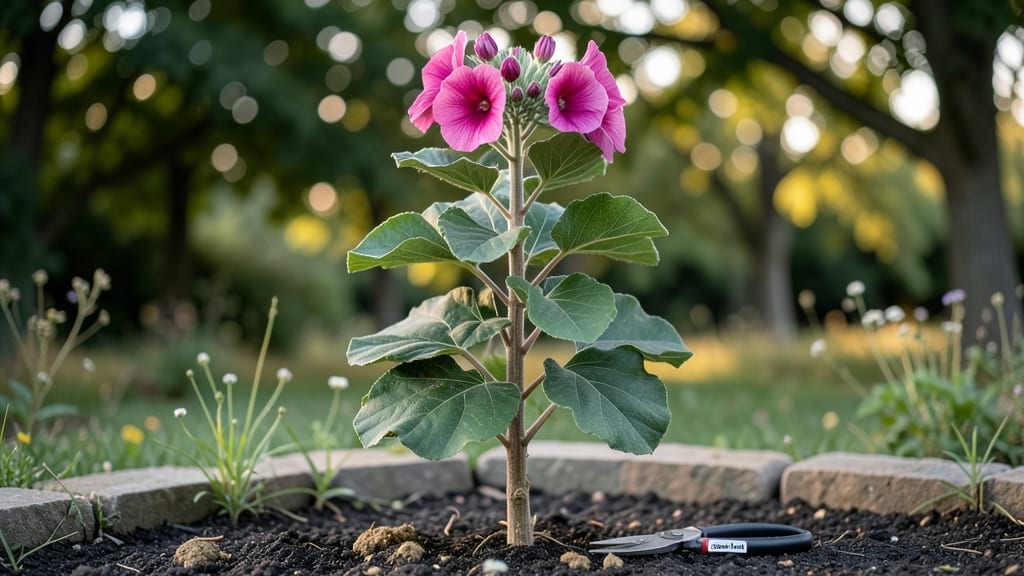
That towering, fragrant lavatera tree mallow can reach 6 feet tall—but only if you prune it right. 🌿 The secret to keeping those velvety blooms coming all summer lies in timing and technique, not brute force.
I’ve watched mine go from leggy and sparse to a lush, flowering powerhouse just by following a few simple rules.
You’ll need sharp pruners, a sunny spot with well-draining soil, and about 30 minutes in early spring to get started. The key is cutting back dead stems first, then shaping the plant to encourage bushier growth.
Lavatera thrives on neglect but rewards precision—think of it as sculpting a living fountain of color rather than hacking at it.
By late summer, you’ll have a plant covered in rosy-pink or white blooms that attract butterflies and hummingbirds. The foliage stays lush, the stems strengthen, and you’ll avoid the sad, woody mess some gardeners end up with.
This is the difference between a garden center plant and a showstopper in your landscape.
Works for borders, cottage gardens, or even as a dramatic backdrop for perennials. Once you master the pruning, you’ll wonder why you didn’t start sooner. Let’s get those vines looking their best!
📚 In This Guide
- What you need
- Instructions
- Tips and common mistakes
- Wrapping up and next steps
What you need
- ● Pruning shears – Bypass pruners (sharp, 6–8" blades) for clean cuts on smaller stems.
- ● Loppers – 18–24" long, for thicker branches (up to 2" in diameter).
- ● Pruning saw – For any branches too thick for loppers (rare for Lavatera but good to have!).
- ● Gloves – Heavy-duty, gardening-grade to protect against thorns or rough stems.
- ● Disinfectant – 70% isopropyl alcohol or pruning sealant to sterilize tools between cuts.
- ● Garden twine or zip ties – To secure heavy branches during pruning (if needed).
- ● Trash bags or bucket – For collecting pruned debris (Lavatera can get very leafy!).
- ● Hand pruners – For precision trimming on delicate stems.
- ● Rubbing alcohol wipes – Quick tool cleanup between cuts.
- ● Plant food or compost – To nourish the tree after pruning (great for post-care!).
- ● Stakes or supports – If your Lavatera needs temporary support after heavy pruning.
Step-by-step pruning guide for lavatera tree mallow
Here's how to keep your towering beauty blooming and healthy all season.
✂️ Step 1: Prune After First Blooms Fade
Wait until 2-3 weeks after flowering—when the first blooms begin to drop naturally. This timing ensures you don't cut off potential rebloom buds hiding in the foliage. I always grab my pruners and scan the plant first: look for spent flower clusters that have turned brown or dried up completely.
Start by cutting back the entire flowering stem down to a strong leaf node or side branch. Lavatera responds well to hard pruning, so don't be shy—cutting back ⅓ of the plant's height is perfectly safe. The key is to make clean cuts at a 45-degree angle, just above an outward-facing leaf or bud. This encourages bushier growth and prevents water from pooling on the cut.
✂️ Step 2: Thin Out Crowded Stems
After the first round of pruning, focus on the plant's structure. Lavatera naturally grows with multiple stems, but too many can lead to weak, leggy growth. I like to work from the bottom up—remove any stems that are thinner than a pencil or growing straight up without branching. These are the stems that won't contribute much to the plant's full, rounded shape.
For each stem you remove, cut it back to the base rather than leaving a stub. This prevents disease from entering through open wounds. If you're dealing with a particularly overgrown plant, you can even remove up to half of the stems if they're weak or diseased. The plant will thank you with stronger, more vigorous new growth.
☀️ Step 3: Shape for Sunlight and Airflow
Now it's time to give your lavatera its signature rounded shape. Step back and visualize how sunlight hits the plant—you want to create an open center that allows air to circulate freely. Start by trimming back any stems that are growing inward or crossing over others. These stems compete for sunlight and can lead to fungal issues.
Use your pruners to gently shape the plant, cutting back stems to just above a leaf node or side branch. Avoid shearing the plant into a perfect ball—lavatera has a natural, slightly wild look that works best when you encourage its organic shape. Once you're happy with the structure, give the plant a final once-over to remove any dead, yellowed, or damaged leaves. This keeps the plant looking tidy and prevents pests from moving in.
⏰ Step 4: Light Summer Maintenance Pruning
About 6-8 weeks after your initial pruning, give your lavatera a quick check-up. This is when you'll see new growth emerging from the pruned stems. Look for any stems that are growing too long or leggy—these are the ones that need a little trim to keep the plant compact. Cut back these stems by about ⅓ of their length, again making clean cuts at a 45-degree angle.
This light pruning encourages a second flush of blooms and keeps the plant from becoming top-heavy. It's also a great time to remove any suckers or basal shoots that appear at the base of the plant. These can drain energy from the main stems, so pinch them off with your fingers or trim them back with pruners. Your lavatera will reward you with a second wave of fragrant flowers and lush foliage.
Tips & tricks for perfect lavatera pruning
Real talk: Pruning lavatera can feel intimidating at first, but these tricks will help you transform your plant from leggy to lush without hesitation.
Timing is Everything: The 2-3 week wait after flowering might feel long, but trust me—this is when your lavatera stores energy for its next bloom cycle. If you prune too early, you risk cutting off potential buds that are already forming. I always mark my calendar after the first flowers fade to avoid rushing this crucial step.
Pruning Angle Matters: That 45-degree cut isn't just for show—it's a water management system. When you make clean cuts at this angle, rainwater runs off instead of pooling on the wound, which dramatically reduces rot risk. I use my pruners to make a small notch just above the outward-facing leaf node, and this simple technique has kept my lavateras thriving for years.
Don't Fear the Hard Cut: Cutting back ⅓ of the plant's height might sound drastic, but lavatera loves aggressive pruning. Think of it like giving your plant a fresh start—those strong leaf nodes you're cutting to will sprout new stems that grow fuller and more robust. The secret is to cut back to a healthy leaf node, not just any old spot on the stem.
Pro Tips for Lavatera Tree Mallow
- Real talk: Pruning lavatera can feel intimidating at first, but these tricks will help you transform your plant from leggy to lush without hesitation.
- Timing is Everything: The 2-3 week wait after flowering might feel long, but trust me—this is when your lavatera stores energy for its next bloom cycle.
- Pruning Angle Matters: That 45-degree cut isn't just for show—it's a water management system.
Frequently asked questions
Got questions about keeping your Lavatera tree mallow thriving with the perfect prune? Here are some common ones—and their answers—to help you grow like a pro!
When is the best time to prune my Lavatera tree mallow?
The ideal time is late winter or early spring, just before new growth begins. This encourages vigorous flowering in summer. Avoid heavy pruning in fall—it can stimulate tender growth that won’t survive winter. For light shaping, you can trim back leggy stems in early summer after blooms fade.
How much can I cut back without harming the plant?
You can prune up to one-third of the plant’s height in late winter. For mature plants, cut back to about 12–18 inches from the ground to rejuvenate growth. Avoid over-pruning—Lavatera is resilient but benefits from some old wood for structure. If you’re unsure, err on the side of caution and trim less!
Will pruning reduce my Lavatera’s flowers?
Not at all! Pruning actually boosts flowering by promoting bushier, denser growth. Cutting back old stems in late winter removes spent wood, redirecting energy to new, vibrant blooms later in the season. Just avoid pruning too late—waiting until after the first flush of flowers can reduce the current year’s display.
What should I do if my Lavatera looks leggy or sparse after pruning?
Leggy growth usually means it needs more sunlight or balanced pruning. Move it to a sunnier spot (at least 6–8 hours of light daily) and fertilize lightly with a balanced, slow-release fertilizer in spring. If the issue persists, try a harder prune in late winter—cutting back to half its height can encourage a fuller shape.
Can I propagate my Lavatera from pruned cuttings?
Softwood cuttings
from early summer (after pruning) root easily. Dip 4–6 inch cuttings in rooting hormone, plant in moist potting mix, and keep them warm and humid (use a plastic bag or propagator). Roots should form in 4–6 weeks. It’s a great way to share your Lavatera with friends—or expand your own garden!
Still stumped? Drop your question in the comments—we’re happy to help your tree mallow reach its full, fragrant potential!
Wrapping up and next steps
The Lavatera tree mallow is a stunning, low-maintenance plant that rewards gardeners with vibrant blooms and fragrant vines—but its magic lies in the care you put into it.
Pruning isn’t just about shaping; it’s about encouraging healthier growth, more flowers, and a showstopping silhouette that steals the spotlight in your garden. With the right tools, timing, and techniques, you’ll transform your tree mallow into a lush, thriving centerpiece that keeps giving all season long!
Ready to roll up your sleeves? Start by reviewing your pruning checklist—then grab those shears and watch your tree mallow flourish like never before! 🌿✨