
Pruning
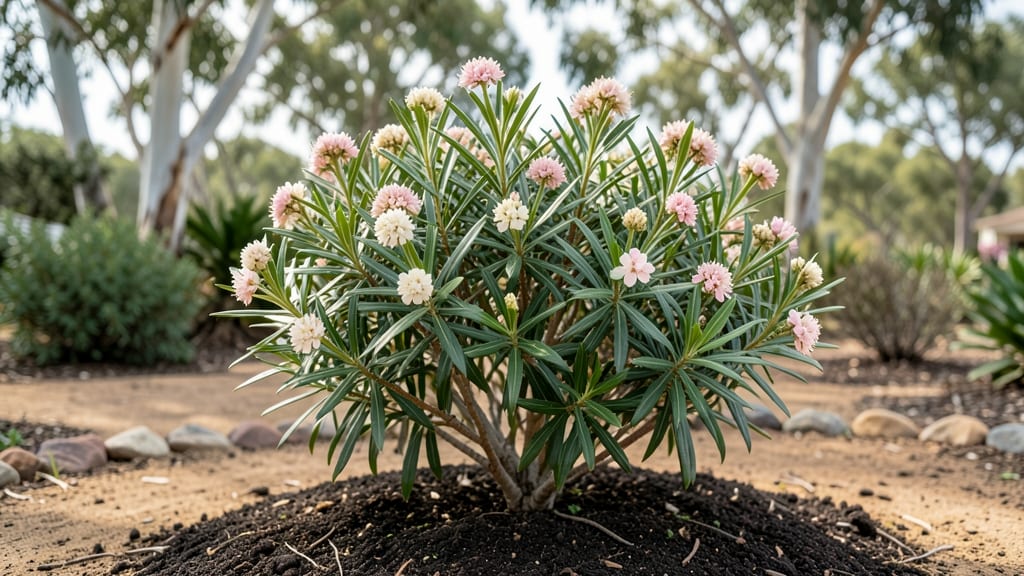
Pruning your coastal tea tree (Leptospermum laevigatum) isn’t just about shaping—it’s about unlocking that signature citrusy fragrance year-round. 🌿 I’ve learned the hard way that skipping the right cuts means missing out on those fragrant new shoots that make this shrub so special.
The key is timing: prune lightly after flowering in late spring, then again in early summer to encourage dense, fragrant growth before winter’s chill sets in.
You’ll need sharp pruners, a clean workspace, and about 30 minutes for a mature shrub. Start by removing any dead or crossing branches first—this opens up airflow and prevents those pesky fungal issues. Then, cut back about one-third of the oldest growth to stimulate fresh, fragrant new stems.
The goal is to keep the shape natural while encouraging that signature coastal tea tree aroma to fill your garden.
What you’ll end up with is a bush that smells like a seaside breeze all season long. The new growth after pruning is especially fragrant, and the plant stays compact and manageable.
Plus, you’ll avoid the leggy, woody look that makes tea trees lose their charm. This method works for both coastal gardens and inland plantings where humidity is lower—just adjust watering slightly.
For those tricky spots like windy coastal areas, prune a bit more aggressively to prevent storm damage. And if you’re growing in containers, prune more frequently to keep the size in check.
The secret to long-term success? Consistency—prune the same way every year, and your tea tree will reward you with that intoxicating scent for decades.
📚 In This Guide
- What you need
- Instructions
- Tips and common mistakes
- Wrapping up and next steps
What you need
- ● Pruning shears: Sharp, bypass-style shears (for clean cuts on small branches). 1 pair (or 2 if you have a large tree).
- ● Loppers: For thicker branches (½"–1.5" diameter). 1 pair (with a ratchet or bypass blade for ease).
- ● Pruning saw: For branches >1.5" in diameter. 1 lightweight folding saw (avoid dull blades!).
- ● Disinfectant: 70% isopropyl alcohol or rubbing alcohol in a spray bottle (to sterilize tools between cuts).
- ● Gloves: Heavy-duty, cut-resistant gloves (to protect from thorns and sap). 1 pair.
- ● Ladder: Sturdy, extendable ladder (if your tree is >6 ft tall). 1 (or a tree pruning pole for safety).
- ● Trash bags: Heavy-duty bags (for debris). 2–3 (or a wheelbarrow if pruning heavily).
- ● Pruning sealant: Tree wound dressing (for large cuts >½" to prevent disease).
- ● Marking spray: Bright paint or chalk (to mark cuts for even shaping).
- ● Safety glasses: Protect your eyes from debris (especially when using a saw!).
- ● Hose or bucket: For rinsing tools post-pruning (keeps sap from clogging blades).
- ● Mulch: Organic mulch (to replenish nutrients after heavy pruning).
Step-by-step pruning guide for coastal tea tree Leptospermum laevigatum
Here's how to keep your fragrant shrub thriving with clean, precise cuts.
✂️ Step 1: Time Your Pruning for Optimal Growth
Prune your coastal tea tree in late winter to early spring—right after your last frost date but before new growth begins. This timing lets you shape the plant while it's still dormant, reducing stress. Avoid pruning in fall or winter when the plant is preparing for dormancy, as this can encourage tender new growth that won't survive cold snaps.
I always check the buds first—if they're still tight and brown, it's too early. Wait until they start swelling slightly, signaling the plant's about to burst into growth. This usually falls between February and March in most coastal climates, but your exact timing depends on local frost patterns.
✂️ Step 2: Remove Dead, Diseased, or Crossing Branches
Start by inspecting the entire plant for branches that are dead, diseased, or rubbing against others. Use clean, sharp pruning shears to make your first cuts—dull tools crush stems and invite infection. I like to sanitize my shears with rubbing alcohol between cuts to prevent spreading any potential pathogens.
Cut back to the nearest outward-facing bud or branch junction. The goal is to open up the center of the plant for better airflow and sunlight penetration. If you see any branches with brown, mushy spots or blackened leaves, remove them immediately. Healthy branches should have a firm green interior when you cut into them.
✂️ Step 3: Shape the Plant for Airflow and Light
Next, focus on shaping the plant by cutting back overly long or leggy branches to maintain a natural, rounded form. I aim to keep the height manageable—typically no taller than 6-8 feet for most garden settings. Cut just above a leaf node or bud, making sure your cuts are at a 45-degree angle to prevent water from pooling.
Step back frequently to visualize the plant's shape. You want to encourage an open, vase-like structure that allows sunlight to reach all parts of the shrub. Avoid cutting into old wood—if a branch is thicker than your thumb, it's likely too mature to respond well to pruning. Focus on newer growth for the best results.
🌿 Step 4: Lightly Prune for Flowering and Fragrance
To encourage abundant flowering and that signature coastal tea tree fragrance, give the plant a light haircut throughout the growing season. After each major flush of flowers fades, trim back about one-third of the current season's growth. This stimulates new growth and more blooms.
Here's the thing—coastal tea trees bloom on both old and new wood, so you don't need to be overly aggressive. Just remove spent flowers and any branches that are growing inward. The more you prune for shape, the more fragrant the foliage becomes as the plant focuses its energy on producing essential oils.
⏰ Step 5: Clean Up and Monitor for New Growth
After pruning, gather all the clippings and dispose of them properly—don't leave them on the ground where they can harbor pests or diseases. I like to use the clippings for mulch or compost, but only if the plant was completely healthy before pruning.
Within 2-3 weeks, you should see new growth emerging from the buds you left behind. This is your signal that the pruning was successful. Keep an eye out for any signs of stress—yellowing leaves or wilting can indicate you pruned too aggressively. Water deeply after pruning to help the plant recover, but avoid overwatering as this can lead to root rot.
Tips & tricks for pruning coastal tea trees
These simple strategies will help you maintain your fragrant shrub's health and beauty year after year.
Timing is Everything: The late winter to early spring window is critical—this is when your coastal tea tree is still dormant but ready to burst into growth. I recommend checking your local frost dates and waiting until buds begin to swell slightly (usually February-March). If you prune too early, you risk encouraging tender new growth that won't survive unexpected late frosts. Confession: I skipped this step for years and wondered why my plants struggled through winter.
Tool Preparation Matters: Your pruning shears should be sharper than a chef's knife. Dull tools crush stems instead of making clean cuts, which stresses the plant and invites infection. I keep a small bottle of rubbing alcohol handy to sanitize my shears between cuts—this prevents spreading any potential pathogens from diseased branches to healthy ones. Real talk: I once used a borrowed, rusty pair and ended up with more problems than I solved.
Shape with Purpose: When shaping your plant in Step 3, think about creating an open, vase-like structure. This isn't just about aesthetics—it's about maximizing airflow and sunlight penetration to all parts of the shrub. I find it helpful to step back every few minutes and visualize how sunlight will move through the plant throughout the day. The goal is to maintain that natural, rounded form while keeping the height manageable (typically 6-8 feet).
Flowering Secret: Coastal tea trees bloom on both old and new wood, which gives you flexibility in your pruning approach. After each major flush of flowers fades, trim back about one-third of the current season's growth to stimulate new blooms. The more you prune for shape, the more fragrant the foliage becomes as the plant focuses its energy on producing those signature essential oils. Here's what nobody tells you—those frequent light prunings throughout the growing season make all the difference in fragrance intensity.
Pro Tips for Coastal Tea Tree Leptospermum Laevigatum
- These simple strategies will help you maintain your fragrant shrub's health and beauty year after year.
- Timing is Everything: The late winter to early spring window is critical—this is when your coastal tea tree is still dormant but ready to burst into growth.
- Tool Preparation Matters: Your pruning shears should be sharper than a chef's knife.
Frequently asked questions
Got questions about pruning your Coastal Tea Tree (Leptospermum laevigatum)? You’re not alone!
Here are answers to the most common queries to keep your fragrant beauty thriving year-round.
When is the best time to prune Coastal Tea Tree?
The ideal time is late winter to early spring (just before new growth starts). However, you can also do light pruning in summer to shape the plant or remove dead branches. Avoid heavy pruning in fall—it can stress the tree before winter.
How much can I prune without harming the tree?
You can safely remove up to 1/3 of the plant’s foliage in one session. For mature trees, aim for 10-20% annual pruning to maintain shape and airflow. Over-pruning can weaken the tree, so always leave some healthy branches intact.
What should I do if my Coastal Tea Tree isn’t blooming after pruning?
If your tree skips blooms, check these fixes:
- Light exposure: Ensure it gets 6+ hours of sun daily—tea trees need full sun to flower.
- Pruning timing: Heavy pruning too late in the season can delay blooms. Stick to winter/early spring cuts.
- Fertilizer: A low-phosphorus, high-potassium fertilizer (like 5-10-10) can encourage flowering.
Can I prune Coastal Tea Tree in wet or rainy weather?
No!
Prune only on dry, sunny days to prevent fungal infections (like root rot) and faster healing. Wet tools or branches can spread disease, and soggy soil makes recovery harder. If rain is forecast, wait 24 hours after pruning.
Are there alternatives to Coastal Tea Tree for fragrant gardens?
If you love the scent but need a low-maintenance or drought-tolerant alternative, consider:
- Lemon Myrtle (Backhousia citriodora) – Citrusy aroma, fast-growing.
- Australian Eucalyptus (Eucalyptus spp.) – Strong fragrance, but needs more water.
- Lavender (Lavandula spp.) – Drought-resistant and fragrant (but not a tree!).
Wrapping up and next steps
Pruning your Coastal Tea Tree Leptospermum laevigatum doesn’t just keep it looking stunning—it unlocks year-round fragrance and vibrant growth! With the right tools, timing, and techniques, you’ll transform this native beauty into a thriving centerpiece for your garden. 🌿✨
Ready to take the next step? Grab your pruners, mark your calendar for late winter or early spring, and give your Coastal Tea Tree the care it deserves. Watch as it rewards you with lush foliage, intoxicating blooms, and that signature coastal charm!