
Trees
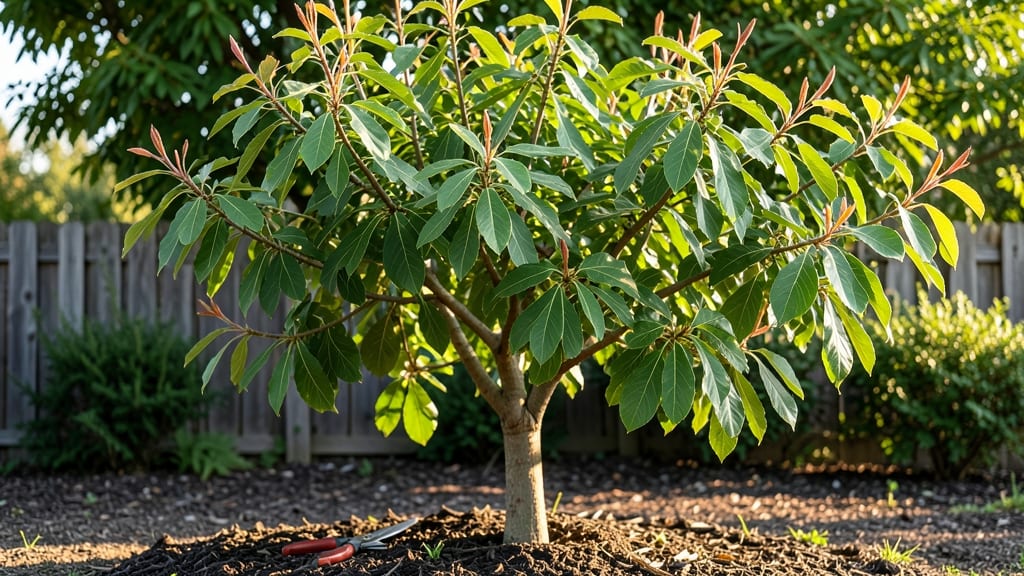
Pistachio tree leaves aren't just fragrant—they're the secret to a productive harvest. 🌿 I've spent years watching these silvery-green leaves transform from delicate sprouts into the sturdy canopies that feed both the tree and its famous nuts.
The key to keeping them healthy lies in understanding what their color, texture, and growth patterns tell you.
Yellowing leaves often mean overwatering or nutrient deficiencies, while browning spots signal fungal issues or pest damage. Pruning at the right time—late winter or early spring—helps improve airflow and sunlight penetration, which keeps leaves vibrant and productive.
The goal isn't just to harvest nuts but to maintain foliage that thrives year after year.
📚 In This Guide
- What you need
- Instructions
- Tips and common mistakes
- Wrapping up and next steps
What you need
- ● Pistachio tree seedlings or saplings: 1–3 plants (depending on space; dwarf varieties like Pistacia vera ‘Kerman’ work well for containers).
- ● Age: 2–5 years old (younger trees may need extra care).
- ● Well-draining soil: 60% sandy loam, 30% perlite/pumice, 10% compost (pistachios hate soggy roots!).
- ● pH: 6.5–8.0 (test with a soil kit or send a sample to a lab).
- ● Sunlight access: Full sun (6+ hours daily).
- ○ Optional: Dappled shade in scorching climates (e.g., <100°F/38°C+).
- ● Watering supplies: Drip irrigation system or hose with a gentle spray nozzle.
- ● Water storage (5–10 gallons per tree during dry spells).
- ● Fertilizer: Balanced 10-10-10 or pistachio-specific blend (apply in early spring).
- ● Micronutrients: Zinc sulfate (0.5 lbs/100 sq ft) and boron (1 lb/acre) for nut production.
- ● Pruning tools: Bypass pruners (for small branches).
- ● Loppers (for thicker branches).
- ● Sterilizing solution (70% isopropyl alcohol or bleach water).
- ● Harvesting gear: Long-handled pruning shears or a harvesting pole.
- ● Gloves (thick, cut-resistant for nut harvesting).
- ● Large buckets or mesh bags (to avoid crushing leaves/nuts).
- ● Mulch (wood chips or straw): 2–3 inches around the base (retains moisture, regulates temperature).
- ● Shade cloth (30–50% coverage) for young trees in hot climates.
- ● Pollination aids: If growing male/female separate trees, a paintbrush or bee-friendly habitat (pistachios are not self-pollinating!).
- ● Leaf analysis kit: For monitoring nutrient levels (especially magnesium and manganese).
- ● Pest control: Neem oil (for aphids/mites) or insecticidal soap (organic option).
Step-by-step guide for harvesting pistachio tree leaves
Here's how to collect fragrant foliage without harming your tree.
🌿 Step 1: Identify the Right Leaves to Harvest
Focus on fully mature leaves—those with a deep green color and leathery texture—found on the outer branches. Young, tender leaves are still developing and won't have the rich aroma. I like to harvest from the lower third of the tree first, as these leaves are often more mature and easier to reach.
Run your fingers along the branch to feel for firm, thick leaves. If a leaf feels soft or has a waxy coating, it's not ready. The best time to harvest is in the morning when essential oils are most concentrated. Avoid harvesting leaves during hot afternoons, as the oils can evaporate quickly.
✂️ Step 2: Use the Proper Tools for Clean Cuts
Grab your sharp pruning shears or clean scissors—never tear leaves by hand. A clean cut prevents damage to the branch and reduces stress on the tree. I like to sterilize my tools with rubbing alcohol before and after harvesting to prevent spreading disease between trees.
Make your cut just above a leaf node (the small bump where the leaf attaches to the branch). This encourages new growth and keeps the tree healthy. Avoid cutting into the main branch—stick to the smaller stems where leaves grow. You'll want to harvest about 4-6 leaves per branch to maintain the tree's health.
💧 Step 3: Store Leaves for Maximum Freshness
Once harvested, spread the leaves out on a clean, dry towel in a single layer. This prevents moisture buildup, which can lead to mold. I like to place them in a well-ventilated area away from direct sunlight for about an hour to let any surface moisture evaporate.
Store the dried leaves in an airtight container, like a glass jar or resealable bag, in a cool, dark place. For best results, use the leaves within 2-3 weeks. If you're drying them for long-term storage, lay them flat in a dry, warm spot (around 70-75°F) for 5-7 days, then crumble them and store in an airtight container.
☀️ Step 4: Maintain the Tree After Harvesting
After harvesting, give your pistachio tree a light watering if the soil feels dry to the touch. The tree will need extra care to recover, especially if you harvested a lot of leaves. I like to add a balanced fertilizer (like a 10-10-10 mix) to help it bounce back.
Keep an eye on the tree for any signs of stress, like yellowing leaves or wilting branches. If you notice any issues, adjust your watering or fertilizing routine. Regular pruning after harvesting also helps encourage new growth and keeps the tree healthy for future harvests.
Tips & tricks for perfect pistachio tree leaf harvesting
Harvesting pistachio leaves the right way makes all the difference for both fragrance and tree health.
Timing Secret: The morning harvest window is non-negotiable for peak aroma. Essential oils are most concentrated right after dew evaporates but before midday heat causes evaporation. I've noticed the leaves smell strongest between 8-10 AM—this is when I do all my harvesting. If you must harvest later, work in the shade to prevent oil loss.
Tool Technique: Sterilizing your pruning shears with rubbing alcohol isn't just about disease prevention—it's about protecting your tree's health. I keep a small bottle of 70% isopropyl alcohol in my harvesting kit. The alcohol kills bacteria that could infect open wounds on the branches, which is especially important if you're harvesting from multiple trees. Don't skip this step, even if your tools look clean.
Storage Wisdom: That one-hour drying time before storage is crucial for preventing mold. I've learned this the hard way—once I skipped it and ended up with a container of slimy leaves. Use a fan on low setting during this hour if your space is humid. For long-term storage, I crush the dried leaves slightly before sealing the container—this helps release more aroma when you open it later.
Tree Care Follow-Up: After harvesting, I always do a quick soil check with my finger—if the top inch feels dry, I give the tree a deep watering. The roots need extra moisture to recover from the stress of leaf removal. I've found that trees recover faster when you water slowly at the base rather than giving a quick surface watering. This encourages deeper root growth for next season's harvest.
Pro Tips for Pistachio Tree Leaves
- Harvesting pistachio leaves the right way makes all the difference for both fragrance and tree health.
- Timing Secret: The morning harvest window is non-negotiable for peak aroma.
- Tool Technique: Sterilizing your pruning shears with rubbing alcohol isn't just about disease prevention—it's about protecting your tree's health.
Frequently asked questions
Got questions about pistachio tree leaves? You’re not alone! Here are some of the most common concerns—plus quick, actionable answers to keep your tree thriving (and your harvest bountiful).
When is the best time to harvest pistachio leaves for fragrance or tea?
The ideal time to harvest pistachio leaves is early morning on a dry, sunny day—just after dew has evaporated but before the sun peaks. This preserves essential oils and fragrance. For tea, pick young, tender leaves (spring/summer) when they’re bright green and free of pests. Avoid harvesting after rain to prevent mold.
Why are my pistachio tree leaves turning yellow or brown?
Yellowing leaves often signal nutrient deficiencies (like nitrogen or magnesium) or overwatering. Brown edges or crispy leaves? That’s usually underwatering or salt buildup (common in container-grown trees). Check soil moisture—pistachios hate soggy roots! Prune affected branches to improve airflow, and adjust watering to deep, infrequent soaks (1–2 inches per week).
Can I use pistachio leaves for anything other than tea or fragrance?
Pistachio leaves are rich in antioxidants and can be:
- Dried for potpourri (mix with lavender for a nutty-sweet scent).
- Used as a natural dye (steep in hot water for a muted greenish hue).
- Composted (they break down quickly and add nitrogen).
- Added to skincare (infuse in oil for anti-inflammatory benefits).
How do I protect pistachio tree leaves from frost or cold damage?
Pistachio trees are hardy to USDA Zone 7–10, but young leaves or tender new growth can suffer in unexpected frosts (<32°F). Cover trees with frost cloth or a lightweight blanket when temps drop below 35°F. Water deeply before cold snaps to insulate roots, and avoid pruning in late fall—wait until spring to encourage vigorous regrowth.
Are there alternatives to pistachio leaves for similar benefits?
If pistachio leaves aren’t available, try these fragrant, antioxidant-rich alternatives:
Leaf Type
Best For
Harvest Tip
Rose leaves
Tea, potpourri
Pick just-opened buds + first leaves (spring/summer).
Lemon balm
Calming tea, pest repellent
Harvest before flowering for max flavor.
Mint leaves
Digestive aid, freshener
Avoid over-harvesting—it spreads aggressively!
Wrapping up and next steps
Harvesting pistachio tree leaves is a rewarding way to enjoy their fragrant foliage and boost your garden’s productivity—whether for culinary, medicinal, or ornamental use. By following the right timing, tools, and techniques, you can ensure a healthy harvest without compromising your tree’s growth.
Now that you’re equipped with the knowledge, why not take the next step? Try harvesting a small batch this season, experiment with drying or preserving the leaves, or even share your bounty with fellow gardening enthusiasts! 🌿✨
Your pistachio tree will thank you—and so will your senses!