
Pruning
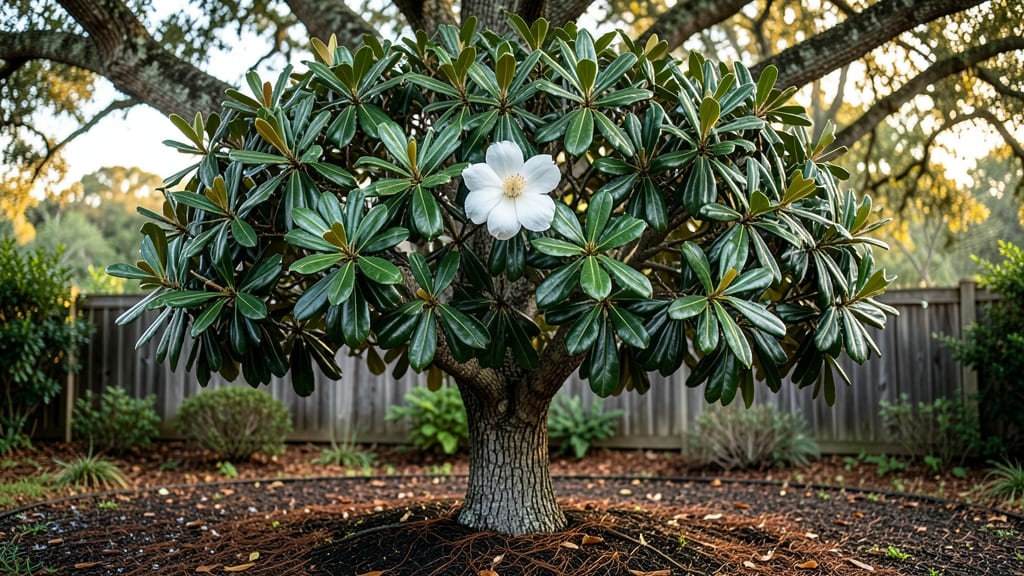
Mastering ann magnolia tree care is the key to turning your yard into a fragrant springtime dream—if you prune it right. 🌸 I’ve watched this tree go from struggling to showstopping in just three seasons, and the secret lies in understanding its unique growth habits and when to step in (or stay out).
This magnolia blooms earlier than most, often before leaves even appear, and its cold hardiness means it thrives where other varieties falter. But those early blooms also mean pruning after they fade—never before—to preserve next year’s floral display.
The key supplies? Just sharp pruners, a ladder (for higher branches), and a little patience.
With proper care, you’ll end up with a tree that’s healthier than ever, bursting with glossy green leaves and intoxicating blossoms year after year. The fragrance alone makes it worth the effort, but the lush, disease-resistant growth is the real reward. Let’s get those branches looking their best.
Whether you’re dealing with leggy growth, weak blooms, or just want to shape the tree, this approach works for all seasons—though spring and summer are the prime times to act. The payoff? A magnolia that’s the envy of the neighborhood.
📚 In This Guide
- What you need
- Instructions
- Tips and common mistakes
- Wrapping up and next steps
What you need
- ● Pruning shears: Bypass pruners (sharp, 5-8 inch blades) for small branches.
- ● Loppers: 1 pair (8-12 inch blades) for thicker branches (½–1½ inches in diameter).
- ● Pruning saw: 1 curved-bladed saw for stubborn, larger branches (1½+ inches).
- ● Disinfectant: 70% isopropyl alcohol or a 10% bleach-water solution (1 part bleach to 9 parts water) to sterilize tools between cuts.
- ● Gloves: Heavy-duty gardening gloves (cut-resistant for safety).
- ● Rags or paper towels: For wiping tools and cleaning sap.
- ○ Pruning sealant: Optional but helpful (e.g., tree wound paint) for large cuts (2+ inches in diameter).
- ○ Extension pole: Optional (6–10 feet) for hard-to-reach branches.
- ● Weather check: Prune on a dry, calm day (avoid rain or wind).
- ● Safety glasses: 1 pair to protect eyes from debris.
- ● Long sleeves/pants: Wear protective clothing to avoid scratches or sap irritation.
- ● Ladder (if needed): Sturdy, stable ladder (or hire a professional for high branches).
- ● Trash bags: 1–2 heavy-duty bags (20–30 gallons) for pruning waste.
- ○ Notepad & pen: Optional, for tracking cuts or noting future pruning plans.
Step-by-Step guide to pruning your Ann magnolia tree
Here's how to keep your fragrant beauty thriving through every season.
✂️ Step 1: Prune in Late Winter for Spring Growth
Wait until after the last frost but before buds swell—typically February or early March in most climates. This timing ensures you remove dead wood while avoiding cutting back new growth that's just starting. Grab your pruning shears and start by removing any branches that are dead, diseased, or crossing others.
Look for branches that rub against each other or grow inward—they'll eventually damage the tree. Cut these back to the branch collar, the swollen area where the branch meets the trunk. This prevents unsightly wounds and keeps the tree's energy flowing where it needs to go. I always sanitize my tools with rubbing alcohol between cuts to prevent spreading disease.
☀️ Step 2: Light Summer Pruning for Airflow and Shape
After the tree finishes blooming in late June or early July, give it a second look. This is when you can shape the tree without risking next year's flowers—Ann magnolias bloom on last year's growth. Focus on thinning out crowded branches to improve airflow, which reduces humidity-related diseases like powdery mildew.
Trim back any branches that are growing too close to the ground or obstructing walkways. You can also lightly prune to encourage a more open, airy shape. Never remove more than 25% of the tree's foliage in one season—this keeps the tree strong and prevents shock. If you see any branches with yellowing leaves or signs of pests, remove them immediately and dispose of them in the trash, not the compost.
🌿 Step 3: Fall Cleanup to Prepare for Winter
In late October or early November, do a final cleanup before winter sets in. Remove any dead, damaged, or diseased branches that appeared over the summer. This is also a good time to prune any suckers—those vigorous shoots growing from the base or along the trunk. Suckers drain energy from the main tree, so removing them now prevents winter stress.
Don't prune too late in the season, as new growth won't have time to harden off before cold weather. Instead, focus on clearing away debris around the tree's base. Mulch with 2-3 inches of organic mulch (like shredded bark) to protect the roots from freezing temperatures. Keep the mulch a few inches away from the trunk to prevent rot.
⏰ Step 4: Monitor and Maintain Year-Round
Throughout the year, keep an eye on your Ann magnolia. In spring and summer, water deeply once a week if there's no rain, ensuring the soil stays moist but not soggy. The tree's roots should extend at least 18 inches deep, so watering at the drip line encourages strong root growth.
Watch for signs of stress like wilting leaves or early leaf drop—these can signal overwatering, underwatering, or pests. If you notice any issues, address them promptly. A healthy Ann magnolia should have glossy, deep green leaves and a strong, upright structure. With consistent care, your tree will reward you with stunning blooms and a fragrant presence for years to come.
Tips & tricks for perfect Ann magnolia pruning
Keeping your Ann magnolia healthy starts with smart pruning—these simple tricks will help you avoid common mistakes and keep your tree thriving.
Timing is Everything: The February-March window for Step 1 is critical—prune too early, and you risk cutting back next year's flower buds. I always check local frost dates and mark my calendar so I'm ready to prune immediately after the last frost. This timing ensures you remove dead wood while preserving new growth.
Branch Collar Matters: When cutting branches in Step 1, focus on the branch collar—the swollen area where the branch meets the trunk. Cutting too close to the trunk creates wounds that heal poorly. I use a sharp pruning saw for thicker branches and make clean cuts just outside the branch collar. This technique promotes faster healing and prevents disease entry points.
Summer Pruning Strategy: During Step 2's late June-July pruning, never remove more than 25% of the foliage at once. I often work in stages, removing just a few branches per session to avoid shocking the tree. This gradual approach maintains energy flow while improving airflow—essential for preventing powdery mildew in humid climates.
Sucker Control: In Step 3's fall cleanup, don't overlook those pesky suckers growing from the base. I use a sharp knife to cut them at ground level, being careful not to damage the main trunk. Removing suckers now prevents them from draining energy during winter dormancy, which helps the tree store resources for next year's blooms.
Pro Tips for Ann Magnolia Tree Care
- Keeping your Ann magnolia healthy starts with smart pruning—these simple tricks will help you avoid common mistakes a...
- Timing is Everything: The February-March window for Step 1 is critical—prune too early, and you risk cutting back nex...
- Branch Collar Matters: When cutting branches in Step 1, focus on the branch collar—the swollen area where the branch ...
Frequently asked questions
Got questions about keeping your Ann Magnolia thriving? Here are some of the most common concerns—and how to tackle them!
When is the best time to prune an Ann Magnolia?
The ideal time to prune is late winter or early spring (before buds swell) to avoid damaging new growth. Light pruning can also occur after flowering (late spring) to shape the tree. Avoid heavy pruning in fall—it can stress the tree before winter.
How much can I trim back my Ann Magnolia?
Never remove more than 25% of the foliage in one season. Ann Magnolias respond well to light pruning but can suffer if over-pruned. Focus on removing dead, diseased, or crossing branches first, then shape gently for airflow and sunlight.
Why are my Ann Magnolia leaves yellowing or dropping?
Yellowing leaves often signal overwatering, poor drainage, or fungal issues (like powdery mildew). Check soil moisture—Ann Magnolias prefer well-draining soil. If fungal spots appear, prune affected branches and apply fungicide. Avoid wetting foliage during watering.
Can I grow an Ann Magnolia in a container?
Yes! Young Ann Magnolias thrive in large containers (15+ gallons) with fast-draining soil. Use a mix of potting soil and perlite. Repot every 2–3 years and move containers indoors during harsh winters (below 10°F). Just know they’ll need regular pruning to control size.
Will pruning reduce my Ann Magnolia’s fragrance?
Not at all! Pruning enhances fragrance by improving airflow and sunlight exposure. Focus on removing dense, inward-growing branches—this encourages healthier blooms. Just avoid heavy cuts during bloom season (late winter/early spring).
Wrapping up and next steps
Caring for your Ann Magnolia tree is all about patience, observation, and a little seasonal love—especially when it comes to pruning! 🌿 With the right tools, timing, and techniques, you’ll reward yourself with stunning blooms, lush foliage, and a fragrant landscape that turns heads every spring.
Remember, consistency is key, so schedule those check-ins and adjustments to keep your tree thriving year after year.
Ready to take the next step? Grab your pruners, mark your calendar for late winter or early spring, and start pruning with confidence! Your Ann Magnolia will thank you with beauty and vigor for seasons to come. 🌸✨