
Pruning
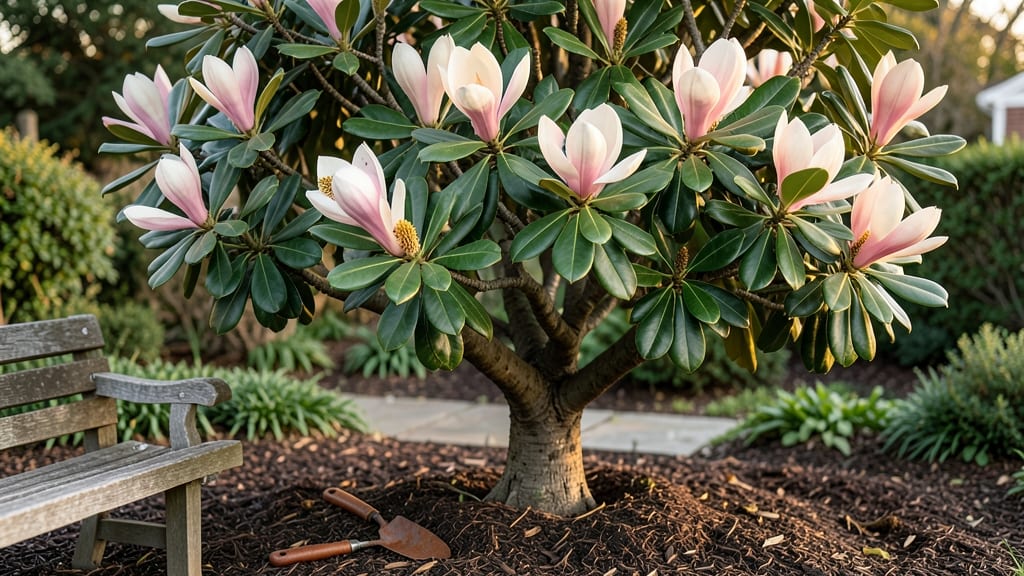
A large pink magnolia tree isn’t just a plant—it’s a statement piece that transforms any yard into a romantic, fragrant retreat. 🌸 I’ve watched mine go from a struggling sapling to a towering centerpiece, its blush-pink blooms stealing the show in spring while its glossy leaves add year-round drama.
The secret isn’t just planting it right; it’s knowing how to shape it so it grows with your landscape, not against it.
This isn’t a one-season wonder—magnolias shine in every season. Prune correctly in late winter to encourage strong new growth, and you’ll get bold, fragrant blooms that last weeks.
Pair it with shade-loving perennials like hostas or ferns at its base, and you’ll create a layered look that feels intentional, not accidental. The key is spacing: give it 15–20 feet of clearance so those branches can spread without crowding your patio or driveway.
Imagine stepping into your garden and being greeted by a cloud of pink that smells like spring, even in summer. That’s the power of a well-placed magnolia—it’s the kind of tree that makes neighbors pause and take photos.
With the right pruning and plant pairings, it becomes the heart of your outdoor space, drawing you outside every season. Let’s make yours the talk of the neighborhood.
The best part? It works in formal gardens, cottage-style yards, or even urban courtyards—just adjust the supporting plants to match your style. Whether you’re trimming for shape or encouraging more blooms, we’ll cover the exact techniques that keep your magnolia thriving for decades.
Ready to turn your yard into a fragrant masterpiece?
📚 In This Guide
- What you need
- Instructions
- Tips and common mistakes
- Wrapping up and next steps
What you need
- ● Pruning shears: Bypass pruners (for cuts up to ½ inch thick) – 1 pair (look for sharp, rust-resistant stainless steel blades).
- ● Loppers: For branches ½ to 2 inches thick – 1 pair (choose lightweight, ergonomic handles).
- ● Pruning saw: For thick branches (2+ inches) – 1 (bow or folding saw with a fine-tooth blade).
- ● Gloves: Heavy-duty, cut-resistant gloves – 1 pair (protects from thorns and sap).
- ● Disinfectant: 70% isopropyl alcohol or bleach solution (1 part bleach to 9 parts water) – small spray bottle (prevents disease spread).
- ○ Pruning sealant: Optional but helpful (e.g., tree wound paint) – small container (for large cuts).
- ● Ladder or step stool: Sturdy, extendable – 1 (ensure it’s rated for your height/weight).
- ● Safety gear: Safety glasses, long sleeves/pants – 1 set (magnolia thorns are no joke!).
- ● Sharpener: File or sharpening stone for tools – keeps blades in top condition.
- ● Work bag: Organizes tools and holds debris.
- ● Rake or tarp: Clears fallen petals/branches – 1 (makes cleanup a breeze!).
- ● Notebook/pencil: For tracking pruning notes (e.g., branch sizes, dates).
Year-round pruning guide for large pink magnolias
Here's how to maintain a stunning, healthy magnolia with seasonal pruning—no guesswork.
🌿 Step 1: Late Winter Cleanup (Before Bud Break)
Prune in late February to early March while the tree is still dormant but before buds swell. This timing prevents stressing the tree during its active growth phase. I use clean, sharp pruning shears to make 45-degree cuts just above outward-facing buds—this encourages strong branch growth and better blooms.
Remove dead, diseased, or crossing branches first. Dead wood is easy to spot—it's brittle, cracked, or lacks bark. Diseased branches often have dark spots or oozing sap. Cut these back to healthy wood at a clean angle. You'll know you're on the right track when you see fresh green tissue inside the branch.
Thin out 10-20% of the canopy by selecting branches that rub against each other or grow inward. Magnolias naturally grow dense, so selective thinning improves airflow and sunlight penetration. Avoid removing more than 25% of the canopy in one season—this stresses the tree and reduces flowering.
✂️ Step 2: Post-Bloom Summer Pruning (After Flowering)
Wait until after all blooms have fallen (typically June to July) before pruning again. This ensures you don't cut off next year's flower buds, which form on old wood. I focus on light shaping—removing only the most unruly branches or those that disrupt the tree's natural form.
Look for water sprouts (fast-growing, vertical shoots) and suckers (shoots from the base). These compete with the main canopy for nutrients. Cut them back to the collar (the swollen area where the branch meets the trunk). Water sprouts often appear bright green and grow much faster than the rest of the tree—don't ignore them.
If any branches are rubbing or crossing, prune the smaller one at its base. Magnolias are slow to heal, so make cuts just outside the branch collar to prevent damage to the tree's protective layers. After pruning, sterilize your tools with rubbing alcohol to prevent spreading disease between cuts.
🌱 Step 3: Light Maintenance in Fall (September-October)
Fall pruning is minimal—just remove any storm-damaged branches or those with diseased foliage. Magnolias are sensitive to late-season cuts, so avoid heavy pruning. Focus on cleaning up rather than shaping. I like to rake up fallen leaves around the base to reduce fungal risks over winter.
Check for mildew or leaf spot (common in fall) and prune affected branches 6 inches below the damage. Dispose of these clippings in the trash—not the compost—since fungal spores can survive and reinfect the tree. Healthy leaves should be dark green and firm; yellowing or spotted leaves signal trouble.
If you notice weak growth or small leaves, the tree may need fertilization in early spring. But for now, just water deeply if the soil feels dry 2 inches below the surface. Magnolias are drought-tolerant once established, but a good soaking in fall helps them prepare for winter.
⏰ Step 4: Winter Inspection (December-January)
This isn't a pruning step, but it's critical. Walk around your magnolia in winter to spot dead branches or pests like scale insects. Magnolias are less active in winter, so they handle minor adjustments better than in spring. If you find dry, cracked bark, gently scrape it away to check for borer holes—small, round exit holes mean it's time to treat.
Use a hose to spray off dust from branches if your tree is near a road. Pollution buildup can reduce flowering. I also check the soil moisture—if the ground is frozen, wait until early spring to water. Magnolias store water in their roots, so they rarely need winter hydration unless you're in an extremely dry climate.
This is also the time to plan next year's pruning. Sketch a rough outline of your tree's shape and note branches that need attention. Magnolias respond best to gradual changes, so avoid drastic reshaping. A well-pruned magnolia will reward you with vibrant pink blooms for decades.
Tips & tricks for perfect large pink magnolia pruning
These seasoned insights will help you maintain your magnolia's majestic form while maximizing those show-stopping blooms.
Timing is Everything: The late February to early March window for Step 1 is non-negotiable—this dormant period lets you prune without triggering stress responses. I've seen magnolias bloom less vigorously when pruned too early, so mark your calendar for when buds are still tight but leaves haven't emerged. For northern climates, aim for the last week of February, while southern regions should wait until early March. The goal is to avoid the tree's active growth phase when buds begin swelling.
Cutting Technique Matters: When making those 45-degree cuts in Step 1, visualize the branch collar—the swollen area where the branch meets the trunk. Cut just outside this collar to prevent damaging the protective layers that prevent disease entry. I use a sharp bypass pruner for clean cuts, and always sterilize between branches with rubbing alcohol. For larger branches, I make the initial cut from below to control the branch's fall, then make the final cut just outside the collar. This two-step method prevents tearing.
Canopy Management: The 10-20% canopy thinning recommendation in Step 1 isn't arbitrary—it's based on magnolia growth patterns. These trees naturally grow dense canopies, and removing too much (over 25%) stresses the tree. Focus on branches that rub against each other or grow inward, as these create weak points. I like to step back every few cuts to visualize the tree's structure—this helps maintain that elegant, natural form while improving airflow that reduces fungal risks.
Seasonal Adaptations: In Step 2, when targeting water sprouts and suckers, remember these are the tree's way of competing for nutrients. Cut them back to the collar immediately—they'll regrow if left even partially attached. For fall maintenance (Step 3), if you notice mildew or leaf spot, prune affected branches 6 inches below the visible damage. This prevents spores from reinfecting the tree. I've found that removing fallen leaves from the base in autumn significantly reduces fungal pressure during winter dormancy.
Pro Tips for Large Pink Magnolia Tree
- These seasoned insights will help you maintain your magnolia's majestic form while maximizing those show-stopping blooms.
- Timing is Everything: The late February to early March window for Step 1 is non-negotiable—this dormant period lets you prune without triggering stress responses.
- Cutting Technique Matters: When making those 45-degree cuts in Step 1, visualize the branch collar—the swollen area where the branch meets the trunk.
Frequently asked questions
Got questions about keeping your large pink magnolia tree thriving with year-round pruning? Here are answers to the most common ones—so you can enjoy that stunning fragrant canopy without the guesswork!
When is the best time to prune a large pink magnolia tree?
The ideal window is late winter to early spring (before buds swell) or right after flowering. Avoid heavy pruning in late summer or fall—it can stimulate tender new growth that won’t survive winter. For minimal stress, light shaping can be done year-round, but major cuts should wait for dormancy.
Can I prune a pink magnolia tree in summer?
Yes, but keep it light! Summer pruning (after flowering) is best for deadwood removal or minor shaping. Avoid heavy cuts—magnolias hate aggressive summer pruning, which can stress the tree and reduce next year’s blooms. If you must prune, do it on a cool, overcast day to minimize shock.
What should I avoid when pruning a large pink magnolia?
Avoid these big no-nos:
- Topping the tree—it ruins the natural shape and invites disease.
- Pruning too late in the season (fall/winter)—new growth may not harden off.
- Over-pruning—never remove more than 25% of the canopy at once.
- Using dull tools—ragged cuts slow healing and attract pests.
Magnolias are sensitive, so patience and precision pay off!
How do I encourage more blooms on my pink magnolia?
To boost flowering, focus on:
- Pruning after blooms—this ensures energy goes to next year’s buds.
- Avoiding heavy spring cuts—blooms form on old wood, so preserve last year’s branches.
- Balanced fertilization—use a low-nitrogen, high-phosphorus formula in early spring.
- Proper watering—deep but infrequent watering (1–2 inches/week) prevents stress.
Pro tip: If your tree isn’t blooming, check for over-fertilization with nitrogen—it promotes leafy growth over flowers!
Why are the leaves on my pink magnolia turning yellow or dropping?
Yellowing or dropping leaves often signal:
- Overwatering or poor drainage—magnolias hate soggy roots.
- Underwatering—especially in container-grown trees.
- Pests like scale or magnolia leaf gall—inspect undersides of leaves.
- Fungal issues (e.g., anthracnose)—common in humid climates.
If leaves drop before turning yellow, it’s likely environmental stress (heat, wind, or pruning shock). Adjust care and monitor for improvement in 2–4 weeks.
Is there a smaller alternative to a large pink magnolia?
If space is limited, consider these compact or dwarf varieties with stunning pink blooms:
- ‘Little Gem’—grows to 20–25 ft, columnar shape, fragrant white flowers.
- ‘Ann’—dwarf hybrid (10–15 ft), deep pink blooms, great for containers.
- ‘Teddy Bear’—slow-growing (8–10 ft), rounded habit, semi-double pink flowers.
- ‘Jane’—small tree (15–20 ft), disease-resistant, vibrant pink blooms.
These still offer year-round interest but with less maintenance!
Wrapping up and next steps
A large pink magnolia tree isn’t just a stunning centerpiece—it’s a year-round commitment to care that rewards you with breathtaking blooms and a fragrant canopy.
Pruning at the right times, using the proper tools, and understanding its unique needs ensures your magnolia thrives for decades. Your effort today will be the beauty tomorrow’s neighbors envy!
Ready to take the next step? Schedule a seasonal pruning session—whether you tackle it yourself or call in a pro—and watch your magnolia flourish like never before. 🌸✂️