
Pruning
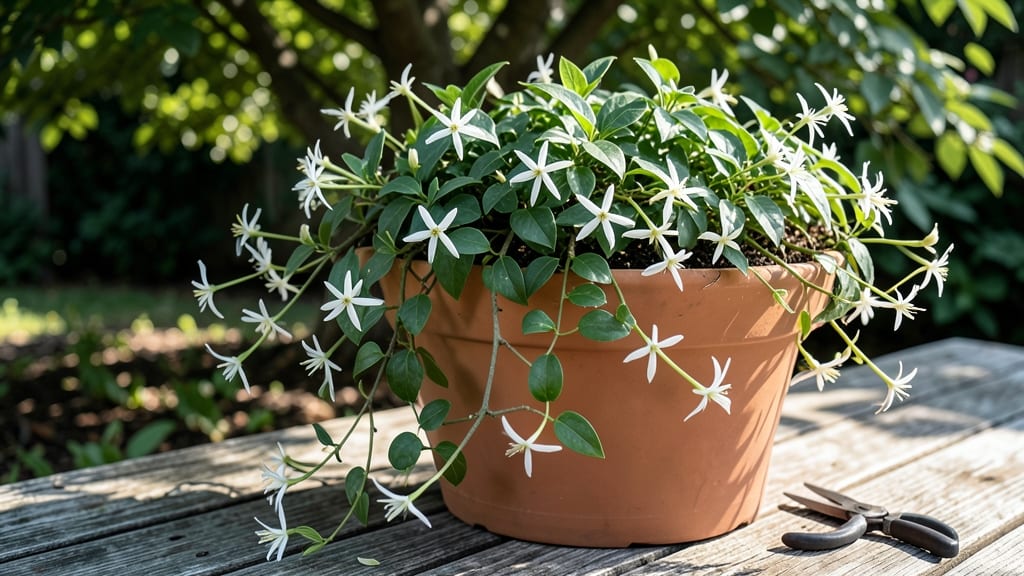
Transform your summer evenings into fragrant escapes with the star jasmine tree, turning that dreamy jasmine scent into a year-round reality. I’ve turned my once-neglected vines into a fragrant, towering masterpiece by pruning them the right way, and the difference is night and day.
The key? Pruning isn’t just about shaping—it’s about encouraging those velvety white blooms and keeping the vine vigorous through all four seasons.
The secret lies in timing and technique. You’ll prune lightly after blooms fade in early summer to shape the vine, then again in late winter to remove dead wood and encourage fresh growth. No fancy tools needed—just sharp pruners, a sunny spot, and a little patience.
Even if you’ve killed plants before, star jasmine is foolproof once you learn its rhythm. The vines are tough, the blooms are prolific, and the scent? Pure magic.
By spring, you’ll see new shoots bursting with life, and by summer, your walls or trellis will be draped in fragrant blossoms that attract hummingbirds. The vine itself becomes a living tapestry, climbing higher each year with minimal effort.
It’s the kind of plant that makes neighbors stop and ask, “What’s that incredible smell?”—and now, you’ll know exactly how to make it happen.
Works in zones 7-10, thrives in containers, and even handles light frost—so whether you’re in a mild coastal climate or a hot inland valley, this vine adapts. Let’s get those pruners out and turn your space into a fragrant retreat.
📚 In This Guide
- What you need
- Instructions
- Tips and common mistakes
- Wrapping up and next steps
What you need
- ● Bypass pruners – Sharp, clean pair for precise cuts (look for ergonomic handles to reduce hand fatigue).
- ● Loppers – For thicker branches (1.5"–2" diameter); choose bypass-style to avoid crushing stems.
- ● Pruning saw – Heavy-duty, curved-tooth saw for stubborn, woody growth (3"–6" blade size).
- ● Gloves – Garden-grade gloves (nitrile-coated for grip + protection from thorns).
- ● Disinfectant (70% isopropyl alcohol or bleach solution) – 1 part bleach to 9 parts water to sterilize tools between cuts.
- ● Rubbing alcohol (70% or higher) – For wiping tools before/after use (small bottle, 8 oz).
- ○ Pruning sealant (optional) – Tree wound dressing (e.g., Tanglefoot Tree Wound Pruning Sealer) for large cuts >1" diameter.
- ● Twine or zip ties – For temporary support if training young vines (10–15 ft roll).
- ● Sharpie or labeling tape – To mark branches for future reference (if pruning in stages).
- ● Safety glasses – Protects eyes from debris (especially when sawing thick branches).
- ● Long sleeves/pants – Lightweight, breathable fabric to shield from thorns and sun.
- ● Sturdy ladder or step stool – Non-slip, rated for your height (extendable ladders work for taller trees).
- ● Water bottle & sunscreen – Pruning in full sun? Stay hydrated and protected! ☀️
- ● Check the weather: Aim for a dry, overcast day—wet conditions can spread disease.
- ● Gather a bucket: Toss trimmings in a labeled bag for composting (avoid piling near the base of the tree).
- ● Wear closed-toe shoes: No sandals! Star jasmine thorns are sneaky.
How to prune star jasmine for lush vines and year-round blooms
This is the pruning routine I’ve used for years to keep my star jasmine thriving—strong, fragrant, and full of flowers.
Prune Lightly After Spring Flush
Once new growth appears in early spring—around March—trim back any dead, crossing, or weak stems. Use clean, sharp pruners to make cuts just above a leaf node or outward-facing bud. This encourages bushier growth and prevents crowded vines that block airflow.
I like to remove no more than 20-25% of the plant’s total volume at this stage. Star jasmine blooms on old wood, so avoid heavy pruning now. Instead, focus on shaping the plant and opening it up for better light penetration. You’ll see fresh, vibrant green leaves within a few weeks as the plant responds to the fresh cuts.
Light Summer Trimming to Encourage Flowers
After the first flush of blooms in late spring or early summer, give your star jasmine a light touch. Pinch back the tips of new growth to promote branching and more flowers. This is also the time to remove any spent blooms—deadheading encourages the plant to produce new flowers instead of setting seed.
I avoid heavy pruning in summer because it can stress the plant, especially in hot climates. Instead, I make small adjustments—maybe just a few inches here and there—to keep the shape neat without sacrificing next year’s blooms. Watch for new buds forming along the stems; these are your signal that the plant is happy and ready for another round of flowers.
Major Pruning in Late Fall or Early Winter
This is the time for more aggressive pruning—November or December, after the plant has finished blooming for the season. Cut back about one-third of the plant’s total growth, focusing on older, woody stems. Remove any dead, diseased, or weak branches first, then thin out the center to improve airflow and sunlight penetration.
I always step back and look at the plant from all angles before making cuts. The goal is to create an open, vase-like shape that allows light to reach the inner branches. This pruning stimulates fresh, vigorous growth in spring. You’ll notice fewer leaves dropping over winter and stronger new shoots emerging in early spring.
Light Maintenance Pruning in Winter
Even in winter, a quick check keeps your star jasmine healthy. Remove any dead or broken branches caused by frost or wind. If you notice any stems growing in the wrong direction—like sprawling too far out—trim them back to encourage a more compact shape. Avoid heavy pruning now, as the plant is semi-dormant and needs to conserve energy.
I also like to give the plant a light shaping trim if it’s grown too wild over the summer. A few strategic cuts can keep it looking tidy without stressing the plant. This is also a good time to check for any signs of pests or disease, like yellowing leaves or unusual spots, and address them before spring.
Tips & tricks for pruning star jasmine trees
Took me years to perfect this routine—here’s what I’ve learned to keep your star jasmine thriving with minimal stress.
Timing is Everything: In Step 1, don’t rush the spring pruning. Wait until you see those first vibrant green leaves in March before touching the plant. I’ve seen people prune too early, and the plant just sits there confused—no new growth, no energy to recover. Those 20-25% cuts are gentle but effective, and they’ll give you that lush spring flush you’re after. The key is patience—let nature signal when it’s ready.
The 45-Degree Rule: When making cuts in Step 3, angle them just above a leaf node or outward-facing bud at about a 45-degree angle. This simple technique prevents water from pooling on the cut and reduces the risk of disease. I learned this the hard way after seeing rot creep into my plant’s cuts—now I make every cut intentional. It’s worth taking that extra second to position your pruners properly.
Deadheading Pays Off: During Step 2’s summer trimming, don’t skip deadheading those spent blooms. I used to think it was optional, but now I do it religiously—it’s the difference between a plant that keeps blooming all summer and one that fizzles out after the first flush. Those spent flowers are sapping energy that could go toward new buds. Snip them off at the base, and you’ll be rewarded with more flowers in just a few weeks.
Winter Inspection Matters: In Step 4, take your time during winter maintenance. I’ve seen people rush through this step, only to miss hidden problems like frost damage or early signs of disease. Grab a small hand lens if you have one—it helps spot tiny issues you might otherwise miss. A few minutes now can save your plant from bigger problems later. Think of it as a health check rather than just a tidying-up session.
Pro Tips for Star Jasmine Tree
- Took me years to perfect this routine—here’s what I’ve learned to keep your star jasmine thriving with minimal stress.
- Timing is Everything: In Step 1, don’t rush the spring pruning.
- The 45-Degree Rule: When making cuts in Step 3, angle them just above a leaf node or outward-facing bud at about a 45-degree angle.
Frequently asked questions
Got questions about keeping your star jasmine tree thriving with year-round pruning? Here are answers to the most common ones—so you can enjoy those fragrant blooms all season long!
When is the best time to prune star jasmine for maximum blooms?
Prune star jasmine after it blooms in spring (around late May to June) to encourage new growth and more flowers. Light trimming can also happen in late winter (before buds swell) to shape the vine. Avoid heavy pruning in fall—it may reduce winter hardiness. Pro tip: Snip just above a leaf node to promote bushier growth!
How much can I trim back star jasmine without harming it?
Star jasmine is tough! You can safely cut back up to one-third of the vine’s length in a single session. For aggressive shaping, spread trimming over 2–3 sessions to avoid stressing the plant. Warning: Never remove more than half—this can stunt flowering for the season.
Can I prune star jasmine in winter? What about frost?
Light pruning in mild winters (above 30°F/-1°C) is fine, but avoid heavy cuts when frost is forecast. Star jasmine is semi-evergreen; prune after hard freezes to check for dead wood. Pro tip: Use sharp shears to make clean cuts—ragged edges invite disease!
What if my star jasmine isn’t blooming after pruning?
Lack of blooms often means over-pruning or poor sunlight. Ensure it gets 6+ hours of sun daily and fertilize lightly in spring with a balanced 10-10-10 formula. If growth is leggy, prune to encourage denser foliage—blooms follow healthy leaves!
Are there alternatives to star jasmine for fragrant vines?
Yes! Try jasmine (Trachelospermum jasminoides) for milder climates or catalpa for fast-growing, fragrant options. Clematis (like ‘Jackmanii’) offers stunning blooms but needs different pruning rules. Pro tip: Star jasmine’s hardiness (USDA Zones 7–10) makes it a top pick for warm climates!
Wrapping up and next steps
The star jasmine tree is a fragrant, low-maintenance beauty that rewards you with year-round blooms and lush greenery when cared for properly. By mastering its pruning routine—whether in spring, summer, or winter—you’ll encourage vigorous growth, stunning flowers, and a well-shaped vine that thrives for decades. 🌿
Ready to transform your space? Start small: pick one season to practice pruning, then expand your skills as you grow more confident. Before you know it, your star jasmine will be the star of your garden—and your neighborhood! 🌟