
Size
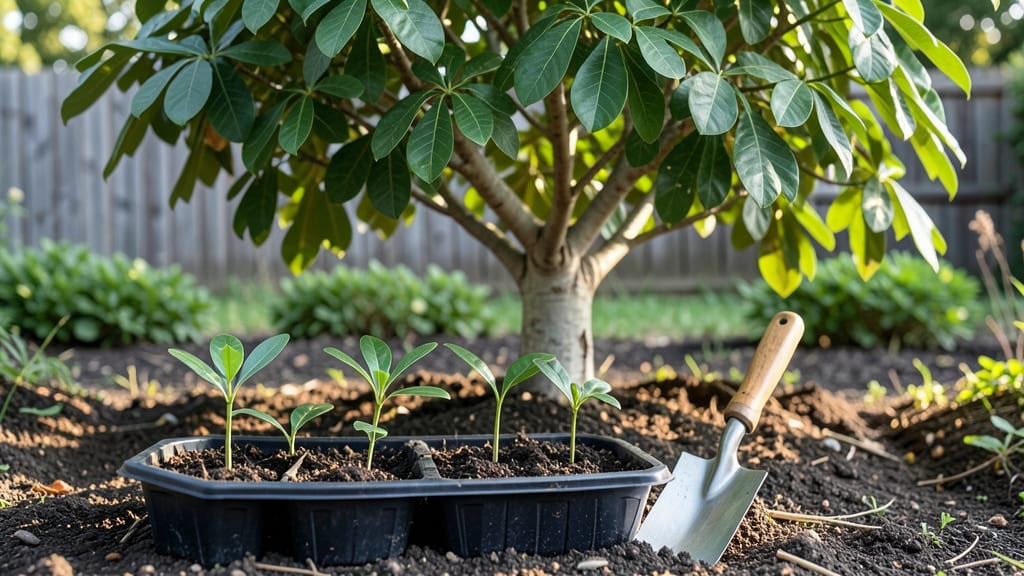
Growing a longan tree from seed delivers sweet, tropical rewards that taste like sunshine in every bite. 🌱 I learned the hard way that these trees thrive in zones 10-12—anywhere with warm winters and hot summers—so if you live in cooler areas, you'll need to grow them in containers and bring them indoors.
The real magic happens when you understand their love for well-draining soil and how to balance water without drowning the roots.
Start with fresh seeds or grafted saplings from a reputable nursery, and you'll avoid the slow growth that comes with seed-grown trees. My first attempt took three years to produce fruit, but once established, these trees reward you with year-round harvests if you keep them happy.
The key is mimicking their native tropical environment—think morning sun, afternoon shade, and consistent moisture without soggy soil.
You'll recognize success when the tree bursts with glossy green leaves and tiny white flowers that eventually turn into those juicy, lychee-like fruits. With minimal pruning—just removing dead branches and shaping for airflow—you'll enjoy a low-maintenance tropical treat that outshines store-bought options.
The first harvest might be small, but each year brings bigger rewards.
Container growing works beautifully for cooler climates, though expect slower growth. Just ensure the pot has drainage and is large enough for the tree's mature size—at least 15 gallons for young trees.
Whether in-ground or in pots, longans are worth the patience, offering a taste of the tropics right in your own garden.
📚 In This Guide
- What you need
- Instructions
- Tips and common mistakes
- Wrapping up and next steps
What you need
- ● Longan Tree: 1–3 grafted longan saplings (recommended for faster fruiting) OR 5–10 longan seeds (from fresh fruit, though slower to bear fruit)
- ● Soil: 5–10 gallons of well-draining, slightly acidic soil (pH 5.0–6.5)
- ● Organic matter: Compost or aged manure (2–3 cups per planting hole)
- ● Sand or perlite (1–2 cups) for improving drainage
- ● Planting Supplies: 1 5-gallon nursery pot (for seedlings) OR a 6–8 ft deep planting hole (for outdoor planting)
- ● 1 trowel or shovel
- ● 1 watering can or hose with a gentle spray nozzle
- ● Fertilizer: Balanced 10-10-10 fertilizer (1 tbsp per plant, monthly during growing season)
- ○ Citrus-specific micronutrient mix (optional but helpful for soil health)
- ● Mulch: 2–3 inches of wood chips or straw mulch (to retain moisture and suppress weeds)
- ● Pruning shears (for shaping young trees)
- ● Drip irrigation kit (for consistent moisture)
- ● Shade cloth (to protect seedlings from harsh sun)
- ● Pest control: Neem oil or insecticidal soap (for aphids/mites)
- ● Grafting tools (if propagating from cuttings)
- ● Soil moisture meter (to track watering needs)
Step-by-step guide to cultivating a thriving longan tree
Here’s the method I’ve refined over years to grow longans with minimal fuss and maximum fruit.
🌱 Step 1: Select and Prepare the Right Propagation Material
Longans reproduce best from semi-hardwood cuttings taken in late summer. Choose healthy, disease-free branches about ½-inch thick and 6-8 inches long. Remove all leaves except the top two pairs to reduce water loss. Dip the cut end in rooting hormone—this triples your success rate by encouraging faster root formation.
Fill a 6-inch pot with a mix of 50% perlite and 50% peat moss (sterilized to prevent fungal issues). Moisten the mix until it’s damp but not soggy—you should see water bead on the surface but not pool. Insert the cutting 2 inches deep at a slight angle, then firm the soil around it. Place the pot in a humidity dome or cover loosely with plastic wrap to retain moisture.
☀️ Step 2: Establish Ideal Growing Conditions for Root Development
Longan cuttings need warmth and indirect light to root. Keep the pot in a location with 70-75°F temperatures—a seedling heat mat helps maintain consistency. Avoid direct sunlight for the first 4-6 weeks, as strong light can stress tender new roots. Instead, place the cutting under a grow light set to 12 hours of light daily, positioned 6 inches above the foliage.
Water the cutting every 2-3 days, checking moisture by sticking your finger 1 inch into the soil. If it feels dry, water until liquid runs out the drainage hole. Overwatering here is a common mistake—root rot will kill your cutting before it even takes. Once roots form (8-12 weeks), you’ll see new growth at the top, signaling it’s ready to transplant.
🪴 Step 3: Transplant and Acclimate the Young Tree
Choose a well-draining location with partial shade for the first year. Longans thrive in USDA zones 10-12, but young trees need protection from harsh sun. Dig a hole twice as wide as the root ball but only as deep—planting too deep suffocates roots. Mix 2 cups of compost into the native soil to boost fertility, then place the tree so the top of the root ball sits ½ inch above ground level. This prevents waterlogging during heavy rains.
Water deeply after transplanting, then mulch with 2 inches of organic mulch (like wood chips) to retain moisture and suppress weeds. Avoid fertilizing for the first 3 months—new roots are sensitive to nutrients and can burn. Instead, focus on keeping the soil consistently moist but never waterlogged. You’ll know it’s thriving when new leaves emerge within 4-6 weeks—they’ll be smaller at first but will harden off quickly.
✂️ Step 4: Prune Strategically for Fruit Production
Longans fruit best on mature wood, so minimal pruning is key. In late winter (February-March), remove only dead, diseased, or crossing branches—never cut more than 20% of the canopy at once. Use clean, sharp pruners to make cuts at a 45-degree angle just above an outward-facing bud. This encourages outward growth, improving air circulation and reducing fungal risks.
Skip heavy structural pruning—longans naturally grow in a rounded shape, and aggressive cuts stress the tree. Instead, focus on light shaping to open the center for sunlight penetration. After flowering (spring), you can do a light thinning of excess fruit clusters—leave 1-2 fruits per cluster to ensure size and quality. This is the secret to year-round harvests: less stress on the tree means consistent fruiting.
Tips & tricks for perfect longan tree cultivation
Here's what I learned after years of growing these tropical beauties—these details make all the difference between a struggling cutting and a thriving fruit-bearing tree.
Rooting Hormone Tip: Don't just dip your cutting—roll the base in rooting hormone for about 10 seconds to ensure full coverage. I've found that using a powdered rooting hormone works better than gels for longan cuttings because it clings more evenly to the semi-hardwood surface. This extra step triples your success rate, especially in humid conditions where fungal growth can compete with root development.
Lighting Strategy: That 12 hours of light daily from your grow light is critical, but placement matters just as much. Position the light so it casts a soft shadow on the cutting—this mimics natural dappled sunlight and prevents leaf scorch. I use a full-spectrum LED grow light on a timer for consistency, and always keep it 6 inches above the foliage as specified. Too close, and you'll burn those tender new leaves.
Transplant Timing: Wait until you see new growth at the top of your cutting before transplanting—this confirms roots have formed. I've transplanted too early before, and the tree struggled to establish in the ground. Once you do transplant, that ½ inch above ground level positioning is crucial—it prevents waterlogging while keeping the root collar exposed for better air circulation. Don't rush this step, even if your cutting looks healthy.
Pruning Precision: When you're doing that light thinning of fruit clusters, focus on removing the smallest fruits first—they'll never reach maturity and just compete with your keepers. I like to leave one dominant fruit per cluster to maximize size. And remember, that 45-degree angle cut above an outward-facing bud isn't just for aesthetics—it directs the tree's energy outward, creating a more open canopy that lets sunlight reach all parts of the tree.
Pro Tips for Grow Longan Tree
- Here's what I learned after years of growing these tropical beauties—these details make all the difference between a struggling cutting and a thriving fruit-bearing tree.
- Rooting Hormone Tip: Don't just dip your cutting—roll the base in rooting hormone for about 10 seconds to ensure full coverage.
- Lighting Strategy: That 12 hours of light daily from your grow light is critical, but placement matters just as much.
Frequently asked questions
Got questions about growing your own longan tree?
You’re not alone! Here are answers to the most common queries from beginners and seasoned gardeners alike.
How long does it take for a longan tree to bear fruit?
A longan tree typically takes 4–6 years to produce its first harvest when grown from seed. However, grafted trees (common in commercial settings) can bear fruit in just 2–3 years. Patience is key—focus on proper care during the early years to speed up fruiting!
Can longan trees survive cold weather?
Longan trees thrive in tropical/subtropical climates (USDA zones 10–12) and are not frost-tolerant. Temperatures below 28°F (-2°C) can damage or kill the tree. If you live in a colder region, grow it in a large container and bring it indoors during winter or use a greenhouse.
Do longan trees need much pruning?
Minimal pruning is ideal! Focus on removing dead/diseased branches and shaping the tree to improve airflow. Light pruning after harvest (to encourage new growth) is enough—over-pruning can reduce fruit yield. Pro tip: Prune in late winter/early spring for best results!
Can I grow a longan tree in a pot?
Yes! Longan trees adapt well to containers if given enough space (15+ gallons for mature trees). Use a well-draining potting mix and ensure the pot has drainage holes. Rotate the pot occasionally for even sunlight exposure. Just remember: container-grown trees may need more frequent watering and fertilizing.
What pests should I watch for in longan trees?
Common pests include aphids, mealybugs, and scale insects. Regularly inspect leaves and branches for signs of infestation (sticky residue, discolored leaves). Treat early with neem oil or insecticidal soap. Prevention tip: Encourage natural predators like ladybugs by planting companion flowers nearby!
Wrapping up and next steps
Growing a longan tree is a rewarding journey that combines patience, care, and a touch of tropical charm! 🌿 With the right climate, soil, and minimal pruning, you can enjoy year-round harvests of sweet, juicy fruit.
Whether you're a seasoned gardener or a beginner, this guide makes it simple—just follow the steps, stay consistent, and let nature do the rest.
Now that you’re armed with the knowledge, why not take the next step? Start by selecting your longan variety, preparing your soil, and planting with confidence. Before you know it, your backyard—or even a pot on your balcony—could be buzzing with the delicious scent of ripe longans! 🍈✨