
Propagation
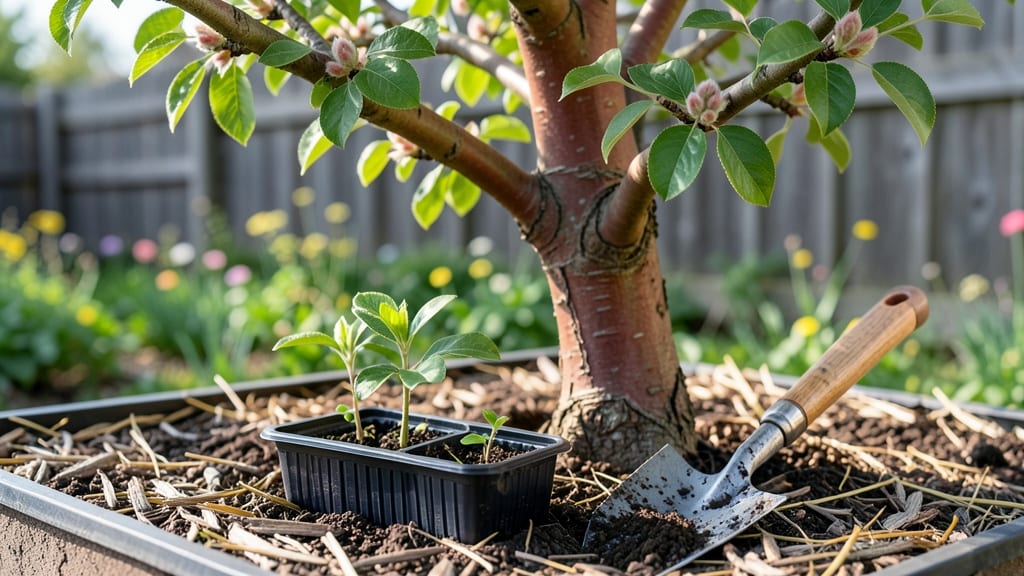
Growing a peach tree from seed to fruit is the ultimate gardening marathon—one that rewards you with sun-warmed fruit straight from your own yard. 🌱 The journey starts with a single pit, but it takes 5-7 years before you see those first juicy peaches, and every step teaches you more about patience and care than you ever expected.
Here's the thing—most gardeners skip this process because it feels too slow, but the payoff is worth it. You'll need a sunny spot, well-draining soil, and a little extra attention during the early years when the tree is still finding its roots.
The first few seasons focus on establishing strong growth, not fruit production, so think of it like building a foundation for a house.
By the time your tree matures, you'll be harvesting sweet, homegrown peaches that taste nothing like store-bought varieties. The process includes everything from soaking pits to hand-pollinating flowers, and each stage brings you closer to that first harvest. It's not just about growing a tree—it's about growing something truly special.
Whether you're in a warm climate or a cooler zone, this blueprint adapts to your conditions. The key is understanding when to prune, how to protect young trees, and what to expect each season. Let's get those seeds started—your future peach harvest depends on it.
📚 In This Guide
- What you need
- Instructions
- Tips and common mistakes
- Wrapping up and next steps
What you need
- ● Peach pit (seed): 1-2 fresh, plump pits from a ripe, organic peach (avoid store-bought pits treated with fungicides).
- ● Potting soil: 1 bag (10-15 lbs) of high-quality, well-draining seed-starting mix (avoid garden soil—it’s too dense!).
- ● Containers: 1 small nursery pot (4-6 inches deep) for germination.
- ● 1 gallon pot (or larger) for the seedling’s first year.
- ○ Grow lights or sunny windowsill: A full-spectrum LED grow light (optional but helpful for indoor starts) or a south-facing window with 6+ hours of sunlight.
- ● Spray bottle: For gentle watering during germination.
- ● Plastic wrap or humidity dome: To create a mini greenhouse effect.
- ● Garden soil: Well-draining, slightly acidic soil (pH 6.0–6.5). Amend with compost if needed.
- ● Fertilizer: Balanced 10-10-10 fertilizer for young trees.
- ○ Slow-release citrus/peach-specific granules (optional but recommended).
- ● Mulch: 2–3 inches of organic mulch (straw or wood chips) to retain moisture.
- ● Pruning shears: Sharp, clean shears for shaping the tree.
- ○ Tree collar: (Optional) A protective guard for young trunks.
- ● ✅ Patience: Peach trees from seed can take 3–5 years to bear fruit (vs. 1–2 years for grafted trees).
- ● 🌡️ Climate: Peach trees thrive in USDA Zones 5–9. If you’re in a cooler zone, consider growing in containers and overwintering indoors.
- ● 💡 Pollination: Most peach trees are self-pollinating, but planting a second tree nearby can boost fruit production.
- ● 🚫 Avoid: Overwatering (root rot risk!) or using chemical pesticides (they can harm bees and fruit quality).
Step-by-step guide to growing a peach tree from seed to fruit
Here's how to nurture a peach tree from a single seed to a fruiting tree—it takes patience, but the sweet reward is worth it.
🌱 Step 1: Extract and Stratify the Seed
Start by extracting a fresh peach pit—avoid those from store-bought fruit, as they’re often treated to prevent sprouting. Crack open the pit with a nutcracker or hammer, then carefully remove the seed inside. Here's the thing—peach seeds need a cold period to break dormancy. Place the seed between two damp paper towels in a sealed plastic bag, then refrigerate for 6-8 weeks. Check weekly to ensure the towels stay moist but not soggy.
After 6-8 weeks, the seed should show a tiny white root breaking through the shell. This is your signal it's ready for planting. If it doesn’t sprout, extend the cold treatment another 2 weeks. Real talk: some seeds take longer, so don’t rush it.
🌿 Step 2: Plant the Germinated Seed
Fill a 4-inch deep biodegradable pot with sterile seed-starting mix—not garden soil, as it may harbor diseases. Make a small hole (½ inch deep) in the center and place the sprouted seed with the root pointing downward. Cover it lightly with mix, then water gently until the soil feels evenly moist. Place the pot in a warm spot (70-75°F) with bright indirect light.
Keep the soil consistently moist but never waterlogged. You’ll see the first true leaves appear in 4-6 weeks. Once they do, move the seedling to a 6-inch pot with fresh potting mix. This is the moment that matters: proper light now prevents leggy growth, which weakens the tree later.
☀️ Step 3: Transition to Outdoor Conditions
After the last frost, when nighttime temperatures stay above 50°F, it’s time to move your seedling outside. Choose a sunny spot with at least 6-8 hours of direct sunlight daily. Harden off the seedling by placing it outdoors for 1-2 hours the first day, gradually increasing time over 10-14 days. Watch for wilting—if it happens, bring it back inside and extend the process.
Plant the seedling in a well-draining garden bed or 10-gallon container with native soil mixed with compost. Dig a hole twice as wide as the root ball but no deeper. Water deeply after planting to settle the soil. Mulch around the base with 2 inches of organic mulch to retain moisture and suppress weeds.
🪴 Step 4: Care for the Young Tree
Water the tree deeply once a week during the first year, ensuring the soil stays moist but not soggy. You’ll know it’s thirsty when the top 2 inches of soil feel dry. Fertilize lightly in spring with a balanced 10-10-10 fertilizer to encourage root and top growth. Avoid heavy feeding—peach trees are sensitive to excess nitrogen, which promotes leafy growth at the expense of fruit.
Prune in late winter or early spring to remove dead or crossing branches. This ensures airflow and reduces disease risk. By year 3, your tree should be 6-8 feet tall with a sturdy trunk. Here’s where it gets fun—watch for tiny pink blossoms in spring. These flowers will eventually turn into fruit, but it takes 4-6 years from seed for a peach tree to bear harvestable fruit.
⏰ Step 5: Support Fruit Development
Once your tree starts flowering, thin the fruit to 6-8 inches apart when they’re 1 inch in diameter. This ensures larger, sweeter peaches. Protect young trees from pests like aphids and peach tree borers with neem oil sprays or beneficial nematodes. In colder climates, wrap the trunk with tree guard to prevent rodent damage.
Peaches ripen in late summer to early fall, depending on your climate. Harvest when the fruit yields slightly to gentle pressure and has a rich, fragrant aroma. Enjoy your homegrown peaches fresh, or save seeds for next year’s crop. You’ve got this—every step brings you closer to that first sweet bite!
Tips & tricks for perfect peach tree growth from seed
Growing a peach tree from seed isn't just about patience—it's about understanding the little details that make all the difference. Here are the tricks I wish I'd known before starting my own peach tree journey.
Stratification Success: The 6-8 weeks of cold treatment is non-negotiable for breaking dormancy, but here's what nobody tells you—place your bagged seed on a paper towel-lined tray in the fridge. This keeps everything contained and makes it easy to check moisture without opening the bag. I learned this the hard way after dealing with moldy towels! The key is maintaining that delicate balance of moisture without sogginess.
Lighting Strategy: That bright indirect light in Step 2 is crucial, but not all windows are created equal. If your seedlings start stretching toward the light (leggy growth), rotate the pot daily and consider supplementing with a grow light. I've seen seedlings go from healthy to sad in just a few days when they're not getting enough light consistently. A simple LED grow light for 12-14 hours daily works wonders.
Outdoor Transition: When hardening off your seedling in Step 3, pay attention to wind exposure. Start with the sheltered side of your yard or use a small windbreak. I've watched seedlings wilt dramatically from unexpected afternoon breezes. Also, avoid placing them in full sun during the hardening process—gradual exposure to direct sunlight is key. The goal is to mimic outdoor conditions without shocking the plant.
Fruit Development: The 6-8 inch spacing for thinning fruit might seem arbitrary, but it's based on the tree's ability to support each peach. Too many fruits compete for nutrients, resulting in smaller, less flavorful peaches. I've found that using a small ruler or even a ruler app on my phone makes this job much easier. Plus, thinning at the 1-inch diameter stage gives you plenty of time to adjust before the fruits get too heavy for the branches.
Pro Tips for Peach Tree From Seed To Fruit
- Growing a peach tree from seed isn't just about patience—it's about understanding the little details that make all the difference.
- Stratification Success: The 6-8 weeks of cold treatment is non-negotiable for breaking dormancy, but here's what nobody tells you—place your bagged seed on a paper towel-lined tray in the fridge.
- Lighting Strategy: That bright indirect light in Step 2 is crucial, but not all windows are created equal.
Frequently asked questions
Got questions about growing peaches from seed to fruit? You’re not alone! Here are some of the most common queries—and their straightforward answers—to help you navigate your peach-growing journey with confidence.
How long does it take for a peach tree grown from seed to bear fruit?
A peach tree started from seed can take 5 to 10 years before producing fruit, depending on the variety and growing conditions. Patience is key—seedlings are unpredictable, and fruit quality may vary. For faster results, consider grafting a known fruit-bearing variety onto your seedling later.
Can I grow a peach tree from any store-bought peach?
Technically, yes! But not all peaches will grow true to type. Many commercial peaches are hybrids or sterile, so your tree may produce small, tart, or even inedible fruit. Save seeds from heirloom or organic peaches for better odds of success.
What’s the best way to speed up germination of peach seeds?
Peach seeds have a hard outer shell, so stratification is your best friend! Soak seeds in warm water for 24 hours, then refrigerate them in a damp paper towel for 3 to 4 months to mimic winter. Plant them in well-draining soil once stratification is complete. Pro tip: Use a heat mat to encourage faster germination!
Why isn’t my peach seedling growing? Troubleshooting tips?
Slow growth? Check these common culprits:
- Poor drainage: Peach trees hate soggy roots—ensure pots or soil have excellent drainage.
- Low light: Seedlings need 6+ hours of sunlight daily; supplement with grow lights if needed.
- Over/under-watering: Keep soil consistently moist but not waterlogged.
- Nutrient deficiency: Use a balanced fertilizer (like 10-10-10) once leaves appear.
Do peach trees grown from seed need special care compared to grafted trees?
Yes! Seed-grown trees are more vulnerable to disease, pests, and inconsistent fruit quality. To boost resilience:
- Prune aggressively to improve airflow.
- Monitor for peach leaf curl and brown rot (common in seedling trees).
- Consider grafting a named variety onto your seedling for better fruit production.
Wrapping up and next steps
Growing a peach tree from seed to fruit is a rewarding journey that blends patience, care, and a touch of nature’s magic! 🌱 From selecting the right seed to nurturing your tree through seasons, each step brings you closer to that sweet, sun-kissed harvest. Remember: consistency is key—whether it’s watering, pruning, or protecting against pests.
Now that you’ve got the blueprint, why not take the next step? Start with a seedling today and watch your peach tree flourish. Share your progress with fellow gardeners, and soon, you’ll be savoring homegrown peaches—one delicious bite at a time! 🍑✨