
Trees
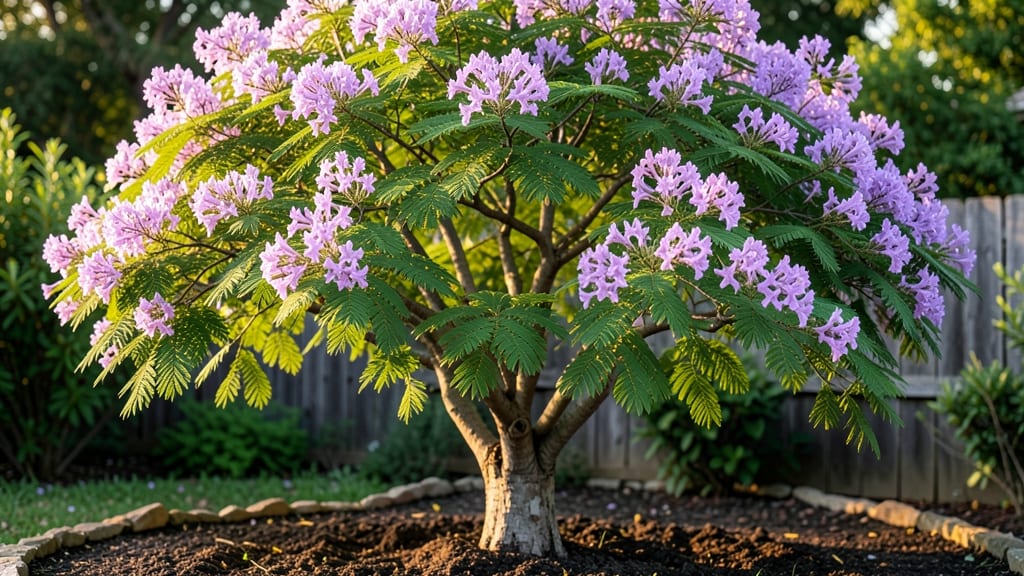
Buenos Aires transforms into a purple paradise every spring when jacaranda trees bloom. 🌿 Their cascading flowers turn streets into dreamy canopies, and I’ve seen firsthand how they elevate urban spaces with just a few well-placed trees.
The magic isn’t just in their beauty—it’s in how effortlessly they adapt to city life, thriving in Buenos Aires’ mild winters and warm summers.
What makes them perfect for local gardens? Jacarandas handle drought once established and tolerate urban pollution better than many trees. Their deep roots also make them stable in windy areas, a plus for Buenos Aires’ breezy neighborhoods.
Planting one near a patio or sidewalk turns any space into a seasonal spectacle, with blooms lasting 3-4 weeks in October-November.
Imagine waking up to fragrant purple clouds drifting over your balcony or driveway. The trees grow 30-50 feet tall, so choose a spot with room to spread, and pair them with native grasses or low shrubs to highlight their grandeur.
Their glossy green leaves provide shade through summer, making them a year-round asset.
For Buenos Aires gardeners, timing is key—spring is ideal for planting, and pruning after blooms keeps them healthy. Whether you’re planting one tree or creating a street-lined avenue, jacarandas bring that iconic South American charm to any urban landscape. Ready to add some color to your cityscape?
📚 In This Guide
- What you need
- Instructions
- Tips and common mistakes
- Wrapping up and next steps
What you need
- ● Jacaranda tree sapling: 1–3 trees (depending on desired canopy size; choose Jacaranda mimosifolia for optimal purple blooms).
- ○ High-quality potting mix: 5–10 gallons (well-draining, slightly acidic, pH 6.0–7.0). Optional: Mix in perlite or sand for aeration.
- ● Container or planting hole: For containers: 15–20 gallon pot (minimum 18" deep) with drainage holes.
- ● For ground planting: Hole twice as wide and deep as the root ball.
- ● Mulch: 2–3 inches of organic mulch (e.g., wood chips or pine bark) to retain moisture and regulate soil temperature.
- ● Hand trowel or spade (for digging and transplanting).
- ● Garden gloves (to protect hands from thorns and rough bark).
- ● Watering can or hose with gentle spray nozzle (jacarandas hate soggy roots!).
- ● Pruning shears (for shaping and removing dead branches; sterilize blades with rubbing alcohol).
- ● Fertilizer: Slow-release granular fertilizer (10-10-10 NPK ratio) or organic options like composted manure. Apply sparingly—jacarandas are light feeders!
- ○ Staking system (optional): 2–3 stakes + soft ties if planting in windy areas.
- ● Sunlight access: Full sun (6+ hours daily) is a must—jacarandas thrive in Buenos Aires’ climate!
- ● Patience & love! 💡 Jacarandas grow slowly but reward you with decades of stunning blooms.
How to cultivate jacaranda trees for Buenos Aires' signature purple blooms
Here's how to grow these showstopping trees that define Buenos Aires' spring skyline.
🌱 Step 1: Select the Right Variety and Planting Location
For Buenos Aires' climate, choose Jacaranda mimosifolia—the classic purple-blooming variety that thrives in the region's mild winters and warm summers. This species reaches 30-40 feet tall with a 30-foot spread, so plant it at least 20 feet from buildings or sidewalks to accommodate its expansive canopy.
Jacarandas demand full sun exposure—6+ hours of direct sunlight daily—to produce their legendary blooms. In Buenos Aires, this means planting on the west or south side of a property to avoid harsh afternoon sun that can scorch leaves. The tree's deep root system also requires well-draining soil—avoid low-lying areas where water pools after rain.
☀️ Step 2: Prepare the Planting Site for Optimal Growth
Dig a hole twice as wide as the root ball but no deeper—this encourages roots to spread horizontally rather than settling too low. Amend the native soil with 3 inches of compost mixed into the bottom and sides of the hole. Jacarandas tolerate a range of soil types but perform best in sandy loam that drains quickly after heavy rains.
Here's the thing—don't fertilize at planting. The shock of transplanting combined with added nutrients can stress young roots. Instead, wait 6-8 weeks after planting before applying a balanced 10-10-10 fertilizer at half-strength. Buenos Aires' urban soils often lack phosphorus, which is critical for root development and flowering.
💧 Step 3: Water Deeply and Establish a Consistent Care Routine
Water newly planted jacarandas deeply 2-3 times per week for the first 3 months, providing 10-15 gallons per watering to saturate the root zone. You'll know it's enough when water drains out the bottom of the hole—this prevents surface roots that can make the tree vulnerable to wind damage. After establishment, reduce to once every 10-14 days unless experiencing a prolonged dry spell.
Mulch the base with 3 inches of organic mulch (like wood chips) within a 3-foot radius, keeping it 6 inches away from the trunk to prevent rot. This mimics the tree's natural habitat in Argentina's dry regions while suppressing weeds. Replenish mulch annually—it breaks down quickly in Buenos Aires' warm climate.
✂️ Step 4: Prune Strategically to Encourage Blooms and Maintain Shape
Prune jacarandas immediately after flowering (typically late November to early December in Buenos Aires) to shape the tree and promote next year's blooms. Remove dead, diseased, or crossing branches first, then thin out 20-30% of the canopy to improve airflow. Never prune in winter or early spring—this removes next season's flower buds.
This is the moment that matters: Never top the tree. Jacarandas produce flowers on new growth, and heavy pruning reduces bloom potential. Instead, focus on selective pruning to maintain an open, vase-like shape that showcases the purple cascades. Buenos Aires' iconic street trees achieve their dramatic look through light, annual pruning rather than aggressive cuts.
⏰ Step 5: Protect Against Urban Challenges and Seasonal Shifts
Jacarandas face two major urban threats in Buenos Aires: wind damage and pest infestations. Young trees benefit from staking during the first growing season, especially if planted near open areas. For pests, monitor for scale insects and borers—treat infestations early with neem oil or horticultural oil sprays applied in early spring before new growth emerges.
In Buenos Aires' hot summers, jacarandas enter dormancy to conserve water. Reduce watering to once every 3-4 weeks and avoid fertilizing entirely during this period. The tree's deciduous nature means it will shed leaves in late autumn, but don't prune until after the first flush of spring growth appears—this ensures you don't remove next year's flower buds.
Tips & tricks for cultivating stunning jacaranda trees
Transforming your Buenos Aires garden into a purple paradise starts with these essential insights—learned from years of watching these trees flourish in the city's unique climate.
Location is Everything: Buenos Aires' west or south-facing spots aren't just about sun exposure—they're about balancing light and temperature. The afternoon sun on west-facing sides can be intense, so consider partial afternoon shade if your tree shows signs of leaf scorch. I've seen trees planted on east-facing sides still bloom beautifully, but the flowers may appear slightly less vibrant due to reduced sunlight intensity.
Soil Science Matters: The sandy loam recommendation isn't arbitrary—it's about drainage. Buenos Aires' urban soils often compact over time, so I always recommend adding a layer of coarse sand mixed with compost when preparing the planting hole. This creates ideal conditions for those deep roots to establish without waterlogging, which is particularly important during the city's occasional heavy rains. Think of it as creating a natural sponge effect that holds moisture while allowing excess to drain.
Pruning Precision: That 20-30% canopy thinning isn't just a number—it's about creating an open structure that allows sunlight to reach all branches. I've watched many well-intentioned gardeners over-prune in their excitement, only to see reduced flowering the next season. The key is to focus on removing branches that cross or rub against each other first, then selectively thin outward. This maintains that iconic vase shape while encouraging new growth where flowers will appear.
Seasonal Adaptation: Buenos Aires' climate shifts create natural growing cycles you should work with. During the hot summer months when watering reduces to every 3-4 weeks, I've noticed trees actually benefit from this dormancy period. The reduced watering mimics their natural environment in Argentina's dry seasons, helping them conserve energy for the next flowering cycle. This is when you'll see the most dramatic leaf drop—don't panic, it's completely normal and prepares the tree for its spectacular spring rebirth.
Pro Tips for Jacaranda Trees Buenos Aires
- Transforming your Buenos Aires garden into a purple paradise starts with these essential insights—learned from years of watching these trees flourish in the city's unique climate.
- Location is Everything: Buenos Aires' west or south-facing spots aren't just about sun exposure—they're about balancing light and temperature.
- Soil Science Matters: The sandy loam recommendation isn't arbitrary—it's about drainage.
Frequently asked questions
Got questions about Buenos Aires’ famous jacaranda trees?
Here are answers to the most common queries—from timing to care tips—so you can make the most of this stunning urban sight.
When is the best time to see jacarandas in full bloom in Buenos Aires?
The jacarandas typically bloom between late September and early November, with peak purple splendor usually in October. Timing can vary slightly by location—check local parks like Bosques de Palermo or Plaza Serrano for real-time updates. Pro tip: Visit on a weekday morning for fewer crowds and the best photo ops!
Why do some jacarandas in Buenos Aires look sickly or have fewer flowers?
Jacarandas are tough but can suffer from pests (like borer beetles), poor soil, or drought stress. Buenos Aires’ urban environment—with compacted soil and pollution—can also stunt growth. Municipal crews prune aggressively to maintain sidewalks, which may reduce flowering. If you spot a struggling tree, report it to Buenos Aires’ Parks Department.
Are there jacaranda trees outside Buenos Aires? Where else can I see them?
Yes! Jacarandas thrive in warm, subtropical climates. You’ll find them in Uruguay (Montevideo), Brazil (São Paulo), Australia (Brisbane), and even parts of California and Florida. For the most iconic experience, though, Buenos Aires remains the gold standard—its massive, historic trees create unmatched purple tunnels.
Can I plant a jacaranda tree in my Buenos Aires garden or balcony?
Jacarandas are drought-tolerant and adaptable, making them great for urban spaces. Choose a well-draining spot (they hate soggy roots) and plant in spring or early autumn. Warning: Their roots can damage pavement or pipes—keep them at least 15 feet from buildings. For balconies, opt for dwarf varieties like Jacaranda mimosifolia ‘Nana’.
What’s the lifespan of a jacaranda tree, and how do I care for one long-term?
With proper care, jacarandas can live 50–100 years! Prune in late winter to shape the tree and encourage blooms. Water deeply but infrequently—they’re resilient but appreciate mulch to retain moisture. Fertilize lightly in spring with low-phosphorus options to avoid leafy growth over flowers. Cold snaps? Young trees may need frost protection.
Are there jacaranda-themed events or tours in Buenos Aires?
Yes! During peak bloom, many guided tours (like those by Buenos Aires Secret Tours) highlight the best jacaranda spots, often paired with tango shows or wine tastings. Some parks, like Parque 3 de Febrero, host photography workshops during the purple season. Follow @BAjardineria for updates on official events.
Wrapping up and next steps
The jacaranda trees of Buenos Aires aren’t just a sight—they’re a celebration of nature’s artistry in the heart of the city. Their vibrant purple blooms transform streets into dreamy canopies, offering shade, beauty, and a touch of magic to urban life.
Whether you’re admiring them from a café or planning to grow your own, these trees remind us how a little color can brighten even the busiest corners.
Ready to dive deeper? Visit Buenos Aires in spring (September–November) to witness the spectacle firsthand, or start researching how to cultivate jacarandas in your own backyard. The world’s most stunning streets are waiting—¡vamos! 🌸