
Pruning
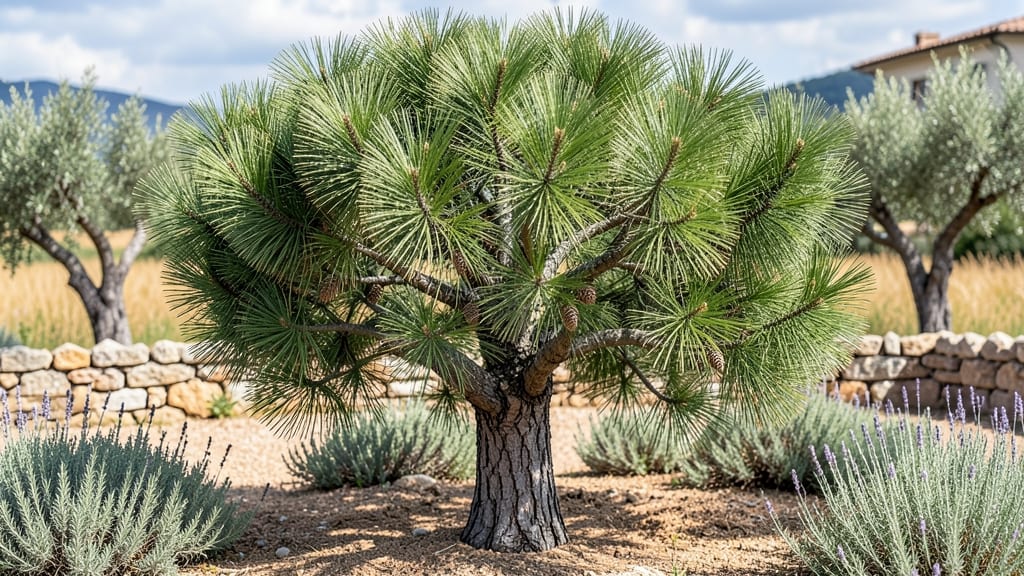
Elevate your yard with a stunning Italian pine Christmas tree that stays breathtaking long after the holidays fade. The Italian pine (Pinus pinea) brings year-round evergreen elegance with its silvery-blue needles and elegant, umbrella-like shape—perfect for both festive displays and everyday beauty.
Unlike traditional Christmas trees, it thrives outdoors, offering three-season interest with its pinecones, soft foliage, and graceful form.
This Mediterranean native handles pruning like a pro, making it ideal for shaping into a living centerpiece or holiday focal point. Plant it where it gets full sun, and watch it grow into a 15- to 30-foot stately tree that doubles as a natural holiday backdrop.
With the right care, it becomes a low-maintenance star of your landscape, not just a seasonal decoration.
Imagine wreaths made from its pinecones in winter, then fresh greenery for spring bouquets. The scent alone—fresh, resinous, and crisp—transforms any space. Plus, its drought tolerance means less work for you and more beauty for your yard. Let’s turn your Italian pine into the ultimate year-round holiday tree.
Whether you prune it into a tapered Christmas tree shape or let it grow wild for natural charm, this tree adapts to your vision. For best results, prune in late winter before new growth starts—just a few strategic cuts keep it lush and festive.
Ready to elevate your yard’s holiday (and everyday) appeal?
📚 In This Guide
- What you need
- Instructions
- Tips and common mistakes
- Wrapping up and next steps
What you need
- ● Italian Pine Tree (Pinus nigra): 1 mature tree (6–15 ft tall, depending on desired size)
- ● OR 3–5 young saplings (3–5 ft tall) for a clustered look
- ● High-quality potting soil or native soil mix (50 lbs, well-draining)
- ● Organic mulch (3–4 bags, 2–3 ft spread)
- ● Slow-release fertilizer (10–10–10 NPK ratio, 5 lbs)
- ○ Tree stakes (optional but recommended) (2–4 stakes, 6 ft long)
- ● Tree ties or soft garden twine (1 roll)
- ● Shovel or spade (for digging)
- ● Pruning shears (bypass, sharp and sanitized)
- ● Loppers (for thicker branches, if needed)
- ● Gloves (heavy-duty work gloves)
- ● Measuring tape (for spacing and pruning)
- ● Watering can or hose with nozzle (for deep watering)
- ○ String trimmer or hedge shears (for shaping, optional)
- ● Decorative lights or solar-powered path lights (for holiday or seasonal flair)
- ● Ornamental accents (e.g., birdhouses, wind chimes, or themed garden stakes)
- ● Tree guard or protective wrap (for young trees in harsh climates)
- ● Seasonal mulch colors (e.g., red or gold for holidays)
How to cultivate and maintain an Italian pine Christmas tree for year-round beauty
This evergreen stunner thrives with minimal fuss—here’s how to coax its signature elegance from seedling to showstopper.
Select and Prepare the Planting Site
The Italian pine (Pinus nigra var. calabrica) demands full sun—at least 6 hours daily—to develop its iconic blue-green needles and sturdy form. Scout your yard for a spot with well-draining soil and shelter from harsh winds, which can stress young trees. Avoid low-lying areas where cold air pools, as Italian pines dislike soggy roots.
Dig a hole twice as wide as the root ball but only as deep as the container’s base. Loosen the sides of the hole with a shovel to encourage root spread. If your soil is heavy clay, amend it with 2-3 inches of compost mixed into the top 12 inches of native soil. This improves drainage and nutrient availability—critical for a tree that can grow 20-30 feet tall if given space.
Plant with Proper Spacing and Support
Italian pines grow slow to moderate but develop a wide canopy, so space them 15-20 feet apart for mature growth. If planting multiple trees, arrange them in a semi-sheltered grouping to mimic their natural Mediterranean habitat. The root ball should sit 1-2 inches above ground level—never deeper, or you’ll suffocate the roots and invite rot.
Backfill the hole with native soil, tamping gently to remove air pockets. Water deeply until moisture reaches 6 inches down, then add a 2-inch layer of mulch (wood chips or pine straw) around the base, keeping it 3 inches away from the trunk to prevent moisture buildup. Stake only if your region experiences strong winds—use two stakes and a soft tree tie, not wire, to avoid girdling the trunk.
Water and Fertilize for Optimal Growth
Italian pines are drought-tolerant once established, but young trees need consistent moisture for the first 2-3 years. Water deeply once a week during dry spells, aiming for 1-1.5 inches of water per session. Check moisture by digging 4 inches down—soil should feel damp but not soggy. Overwatering is the fastest way to kill these trees, so prioritize deep, infrequent watering over light surface sprinkles.
Fertilize in early spring with a slow-release, balanced fertilizer (10-10-10 or 8-8-8). Scatter ½ cup per inch of trunk diameter around the drip line, then water in thoroughly. Avoid high-nitrogen fertilizers, which promote leafy growth at the expense of structural strength. Italian pines reward patience—3-5 years of proper care yields a tree with strong branches and dense foliage, perfect for year-round interest.
Prune and Protect for Long-Term Health
Prune only to remove dead, diseased, or crossing branches—never for shape. Italian pines develop a natural, picturesque form, and aggressive pruning weakens their resilience. Use clean, sharp shears to make cuts just outside the branch collar in late winter or early spring, before new growth begins. Disinfect tools with rubbing alcohol between cuts to prevent fungal spread.
Watch for bark beetles, a common threat to pines. Healthy Italian pines resist infestations, but stressed trees (from drought or poor drainage) become vulnerable. If you spot sawdust-like frass or exit holes, treat with neem oil or invite woodpeckers—their natural predators—to your yard. Mulch annually in early spring to suppress weeds and retain moisture, but avoid piling it against the trunk.
Enjoy Year-Round Structure and Seasonal Interest
Italian pines shine in all four seasons. Their blue-green needles provide soft contrast against evergreens like spruce or fir, while their orange-brown bark adds winter texture. In fall, cones mature from green to brown, offering winter interest when most gardens fade. Plant near decorative grasses or broadleaf evergreens to highlight their upright, pyramidal shape—ideal for privacy screens or focal points in large landscapes.
For holiday charm, adorn branches with twinkling lights or ornaments—their sturdy limbs hold decorations better than many ornamentals. Just avoid heavy decorations, which can bend branches permanently. With proper care, your Italian pine will outlive generations, becoming a living legacy of evergreen elegance.
Tips & tricks for perfect Italian pine Christmas tree cultivation
Transforming your Italian pine into a stunning year-round centerpiece takes more than just planting—it’s about creating the ideal conditions for its natural beauty to flourish.
Site Selection Secrets: While the instructions emphasize full sun, I’ve found that Italian pines actually thrive with morning sun and afternoon shade in hotter climates. This prevents needle scorch while still maintaining their vibrant blue-green color. In Step 1, when assessing your site, also check for underground utility lines—Italian pines have aggressive root systems that can damage buried infrastructure over time.
Planting Precision: The 15-20 foot spacing recommendation in Step 2 is perfect for mature trees, but if you’re planting near a property line, reduce spacing to 10-12 feet. Just be prepared for slower growth in the first 2-3 years. For container-grown trees, gently loosen the root ball before planting to encourage root spread into the surrounding soil—this helps compensate for the root disturbance from transplanting.
Watering Wisdom: The deep, infrequent watering approach in Step 3 is spot-on, but here’s the detail most people miss: water in the early morning to allow foliage to dry completely by evening. Wet needles overnight create perfect conditions for fungal diseases. I’ve seen Italian pines develop needle cast when this basic rule is ignored—it’s heartbreaking to watch a healthy tree decline from something so simple.
Fertilizer Strategy: When applying that ½ cup per inch of trunk diameter in early spring, focus the fertilizer on the outer half of the root zone rather than directly under the trunk. This encourages outward root growth, which helps stabilize the tree against wind. Also, consider a soil test before fertilizing—Italian pines often perform better with slightly acidic soil (pH 5.5-6.5), and lime may be needed if your soil is too acidic.
Pro Tips for Italian Pine Christmas Tree
- Transforming your Italian pine into a stunning year-round centerpiece takes more than just planting—it’s about creating the ideal conditions for its natural beauty to flourish.
- Site Selection Secrets: While the instructions emphasize full sun, I’ve found that Italian pines actually thrive with morning sun and afternoon shade in hotter climates.
- Planting Precision: The 15-20 foot spacing recommendation in Step 2 is perfect for mature trees, but if you’re planting near a property line, reduce spacing to 10-12 feet.
Frequently asked questions
Got questions about keeping your Italian pine Christmas tree looking lush and healthy year-round? Here are some answers to common concerns—whether you're a first-time grower or a seasoned pruning pro!
How often should I prune my Italian pine to keep it shaped like a Christmas tree?
Prune your Italian pine once a year, ideally in late winter or early spring before new growth begins. For a classic Christmas tree shape, trim back about 10-20% of the new growth each year. Avoid heavy pruning in fall, as it can stress the tree before winter. Use sharp shears to make clean cuts just above a bud or branch collar.
When is the best time to plant an Italian pine for a Christmas tree look?
Plant your Italian pine in early fall or late winter for the best establishment. This gives roots time to settle before summer heat or winter cold. If planting in spring, water deeply for the first two weeks to reduce transplant shock. Choose a spot with full sun (6+ hours/day) and well-draining soil—Italian pines hate soggy roots!
Can I use an Italian pine as a temporary Christmas tree indoors?
While Italian pines are stunning outdoors, they’re not ideal for indoor use as traditional Christmas trees. Their needles are softer and more flexible than Norway spruce or Fraser fir, making them prone to shedding. If you must bring it inside, keep it in a cool, humid room (like a sunroom) for no more than 1-2 weeks and water it thoroughly before moving it back outdoors.
What pests should I watch for on my Italian pine, and how do I treat them?
Italian pines are generally pest-resistant, but keep an eye out for pine needle scale or spider mites, which thrive in dry conditions. Treat infestations early with neem oil or insecticidal soap. For severe cases, consult a local arborist. Prevention tip: Water deeply during droughts and mulch around the base to retain moisture—healthy trees repel pests!
What are some alternatives to an Italian pine for a Christmas tree shape?
If Italian pines aren’t available in your area, consider these ornamental evergreens for a similar look:
- Austrian pine – Faster-growing with a classic pyramid shape.
- Scots pine – Hardy and drought-tolerant with stiff needles.
- Eastern white pine – Soft needles and a graceful, airy form.
- Leyland cypress – Grows quickly but needs more pruning.
All thrive in similar conditions—just adjust pruning frequency based on growth rate!
Wrapping up and next steps
An Italian pine Christmas tree isn’t just a holiday centerpiece—it’s a year-round investment in beauty, sustainability, and curb appeal. 🌲 With the right pruning techniques, you’ll keep it lush, healthy, and full of character for decades.
Whether you’re trimming for shape, safety, or seasonal style, remember: patience and precision pay off in a stunning, evergreen masterpiece.
Ready to transform your yard? Start small—pick one season to practice pruning, then gradually refine your skills. Before you know it, your Italian pine will be the talk of the neighborhood! Grab your tools and get growing! ✂️🌿