
Pruning
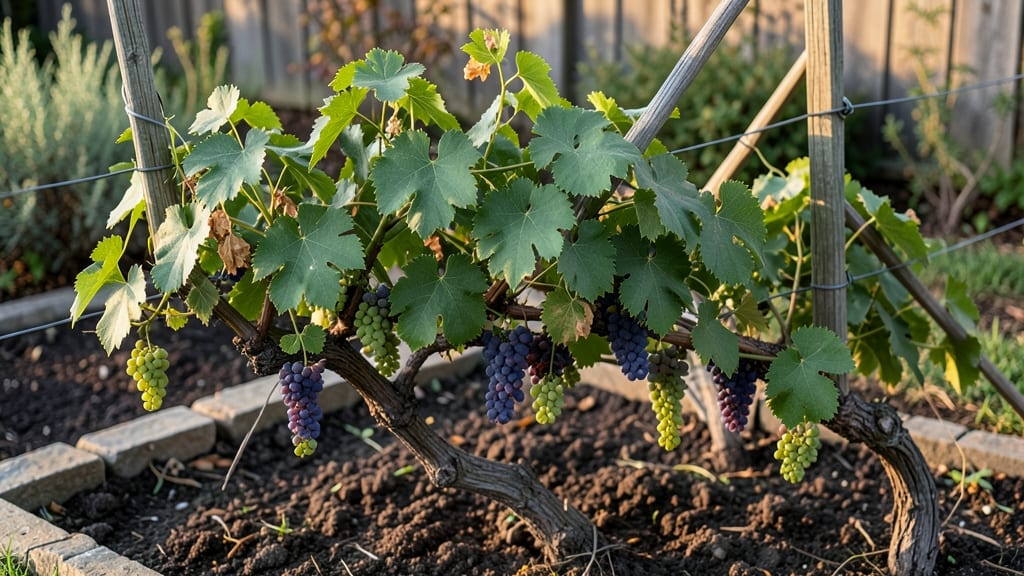
Taking care of a grape tree isn’t just about pruning—it’s about unlocking a harvest that tastes like summer in every bite. 🌿 I’ve watched my own vines transform from tangled messes into productive, sun-drenched giants by following a few key rules, and the difference in fruit quality is night-and-day.
The secret isn’t complicated: it’s about timing, tools, and understanding what your tree actually needs—not what you think it should.
Most grape trees thrive in well-draining soil with plenty of sunlight, but the real magic happens in the pruning. You’ll need sharp pruners, a clear day for visibility, and patience—because this isn’t a one-time job.
My vines now produce cluster after cluster of sweet grapes because I prune twice a year: once in late winter to shape the structure, and again in summer to encourage new growth. The first year is the hardest, but after that, it becomes second nature.
By summer’s end, you’ll be harvesting grapes that burst with flavor, their skins deepening from green to purple as they ripen. The key is balancing fruit load—too many grapes mean small, tart berries, while just the right amount gives you those juicy, plump clusters everyone dreams of.
And yes, even in small spaces or containers, you can grow grapes—just choose compact varieties and prune aggressively.
Whether you’re dealing with powdery mildew, uneven ripening, or just curious about why your grapes aren’t sweetening up, we’ll cover it. The goal isn’t perfection—it’s abundance, and with the right care, your grape tree will deliver every season. Let’s get those vines in shape!
📚 In This Guide
- What you need
- Instructions
- Tips and common mistakes
- Wrapping up and next steps
What you need
- ● Pruning shears: Bypass pruners (sharp, clean, and sterilized with rubbing alcohol or bleach) for small branches (2–3" cutting capacity). Quantity: 1 pair.
- ● Loppers: For thicker branches (up to 2" diameter). Quantity: 1 pair.
- ● Pruning saw: For large branches (2" and above). Quantity: 1.
- ● Disinfectant: 70% isopropyl alcohol or 10% bleach solution (1 part bleach to 9 parts water) to sterilize tools between cuts. Quantity: Small bottle or spray.
- ● Gloves: Heavy-duty gardening gloves (cut-resistant for safety). Quantity: 1 pair.
- ○ Pruning sealant: Optional but helpful for sealing large cuts (e.g., Tanglefoot Pruning Seal). Quantity: Small tube.
- ● Twine or zip ties: For temporary support if needed (e.g., 1/4" nylon twine). Quantity: Small roll.
- ● Grapes variety guide: Know your grape type (e.g., Concord, Thompson Seedless, Cabernet Sauvignon) for pruning-specific needs.
- ● Pruning paint: For marking cuts on older trees (e.g., white or green latex paint).
- ● Tree ties or rubber bands: For securing branches during pruning.
- ● Ladder or step stool: For reaching higher branches safely (if tree is >6 ft tall).
- ● Notebook & pen: To sketch your pruning plan or track progress.
- ● Compost bin: For collecting pruned branches (can be used as mulch or compost).
- ● Know your grape tree’s age and variety—young trees (1–3 years) need lighter pruning than mature ones.
- ● Check the last frost date in your area (prune after dormancy but before buds swell in early spring).
- ● Ensure the tree has access to sunlight (at least 6–8 hours daily) and well-draining soil.
- ● Have a clear day for pruning (avoid rain or high humidity to prevent disease).
Step-by-Step guide to year-round grape tree care
Here's how to keep your grapevine thriving through every season—pruning, feeding, and protecting it the right way.
🌱 Step 1: Winter Pruning for Structure and Growth
Start in late winter or early spring before buds swell. This is when you'll shape your grape tree for maximum fruit production. Use clean, sharp pruning shears to cut back last year's growth to about 1/3 of its length. I like to leave 2-4 strong buds on each cane—these will become this year's fruiting arms.
Remove any dead, diseased, or crossing branches first. These compete with healthy growth and invite pests. You'll know a cane is healthy when it snaps cleanly and has smooth bark. Weak canes will feel mushy or have cracks. After pruning, apply a thin layer of dormant oil spray to protect against overwintering pests.
Here's the thing—grapevines are aggressive growers, and winter pruning is your chance to control that energy. If you skip this step, you'll end up with a tangled mess and fewer grapes. I always prune on a dry day to prevent fungal spread through open wounds.
☀️ Step 2: Spring Growth and Pest Prevention
Once buds break in early spring, switch to maintenance mode. Watch for new shoots emerging from the base—these are called suckers. Remove them immediately unless you're training new canes, as they drain energy from fruit production. You'll also want to thin out any crowded shoots to improve airflow and sunlight penetration.
Apply a balanced 10-10-10 fertilizer when shoots reach 6-8 inches tall. I scatter it evenly around the drip line (about 18 inches from the trunk) and water it in well. This feeds the roots without burning tender new growth. Mulch with 2-3 inches of organic mulch to retain moisture and suppress weeds.
This is the moment that matters: if you see yellowing leaves or stunted growth, your vine might be struggling with nutrient deficiency or disease. I've found that a foliar spray of seaweed extract gives a quick boost when roots aren't keeping up with top growth.
✂️ Step 3: Summer Maintenance for Fruit Quality
During the growing season, focus on watering and thinning fruit clusters. Grapevines need 1-2 inches of water weekly, especially during fruit set. Water deeply at the base in the morning to prevent fungal diseases. You'll know your watering is right when the soil feels moist 6 inches down.
When grapes form, thin clusters to 1/2 their original size to improve size and quality. I use clean pruning shears to snip excess fruit—this might seem harsh, but fewer grapes mean bigger, sweeter ones. Watch for powdery mildew on leaves, especially in humid climates. A weekly spray of neem oil keeps it at bay.
Real talk: if you see birds pecking at your grapes, cover clusters with netting as soon as they form. I've lost entire harvests to hungry sparrows before I learned this trick. The netting lets sunlight and water through while keeping pests out.
🌿 Step 4: Fall Preparation for Winter Dormancy
In late fall, after leaves drop, give your grapevine one last pruning to remove any remaining fruit clusters and dead wood. This prevents disease from overwintering in the vine. I also apply a thick layer of mulch—about 4 inches deep—to insulate roots from freezing temperatures.
If you're in a cold climate, wrap the trunk with burlap or use tree guards to protect it from gnawing animals. I've seen rabbits completely strip bark from young grapevines in winter. You'll know your vine is ready for dormancy when all leaves have fallen and new growth has stopped.
Don't skip this step (I learned the hard way). A well-prepped vine handles winter stress better and bursts into growth faster in spring. I also take this time to clean up all fallen leaves and debris from under the vine—this reduces overwintering pests dramatically.
Tips & tricks for perfect grape tree care
Common pitfalls—and how to sidestep every one when growing grapevines that produce like champions.
Pruning Precision: When you're cutting back last year's growth to about 1/3 of its length in Step 1, focus on making clean cuts just above a bud that faces outward on the cane. This creates better airflow and sunlight penetration for new growth. I've seen people accidentally cut too close to the trunk or leave too many buds—both lead to crowded, weak canes that produce smaller fruit. Use a sharp pair of pruning shears and make cuts at a 45-degree angle to prevent water from pooling at the cut site.
Seasonal Timing Secret: The late winter/early spring timing in Step 1 is crucial because it's when your grapevine is still dormant but about to wake up. If you prune too early, you risk exposing fresh cuts to harsh winter winds that can dry out the vine. If you wait too late, you'll encourage new growth that gets damaged by late frosts. I mark my calendar for the first week of February—this gives me a buffer if we get an unexpected warm spell. For Step 4's fall pruning, aim for after the first hard frost when leaves have completely dropped.
Watering Wisdom: That 1-2 inches of water weekly in Step 3 is non-negotiable during fruit set, but how you deliver it matters just as much. I've learned the hard way that surface watering creates soggy soil and encourages fungal diseases. Instead, use a soaker hose placed at the base of the vine to deliver water slowly and deeply. The goal is to keep the soil moist 6 inches down, not just wet at the surface. Early morning watering is best—it gives leaves time to dry before evening, reducing mildew risk.
Pest Prevention: The dormant oil spray in Step 1 and neem oil spray in Step 3 are your first line of defense against pests, but don't stop there. In Step 2, I always add a layer of reflective mulch around the base of young vines—it confuses aphids and other pests that use the vine as a landmark. For birds in Step 3, I've found that netting works best when you secure it tightly around the clusters and leave enough room for the grapes to grow without tearing the netting. The trick is to install it as soon as you see the first flower clusters appear.
Pro Tips for Take Care Of A Grape Tree
- Common pitfalls—and how to sidestep every one when growing grapevines that produce like champions.
- Pruning Precision: When you're cutting back last year's growth to about 1/3 of its length in Step 1, focus on making clean cuts just above a bud that faces outward on the cane.
- Seasonal Timing Secret: The late winter/early spring timing in Step 1 is crucial because it's when your grapevine is still dormant but about to wake up.
Frequently asked questions
Got questions about keeping your grape tree thriving?
Here are answers to the most common ones—so you can grow healthy vines and sweet harvests with confidence!
How often should I prune my grape tree?
Prune grape trees once a year, ideally in late winter or early spring (before buds swell). This keeps the structure healthy and encourages strong fruit production. If your tree is young, prune lightly to shape it—older vines may need more aggressive trimming to remove dead or weak wood.
Can I prune a grape tree in summer?
Summer pruning is possible, but it’s best for corrective trimming (like removing suckers or water sprouts). Avoid heavy pruning in summer—it can stress the tree and reduce yield. If you must prune, do it after harvest to let the tree recover before dormancy.
What if my grape tree isn’t producing fruit?
Check these first:
- Pruning—too much or too little can stunt fruit.
- Sunlight—grape trees need 6+ hours of direct sun daily.
- Fertilizer—low nitrogen or phosphorus can reduce fruit. Finally, ensure it’s the right variety—some grapes (like ornamental types) focus on foliage, not fruit.
Do grape trees need special soil?
They thrive in well-draining, slightly acidic soil (pH 6.0–6.5). Amend heavy clay with compost or sand, and avoid soggy spots (root rot is a risk!). Mulch around the base to retain moisture and regulate temperature—just keep mulch 3–4 inches away from the trunk.
What should I do if my grape tree gets pests or diseases?
Common issues include aphids, powdery mildew, or Japanese beetles. Treat aphids with soapy water; for mildew, use neem oil or fungicide early in the season. Prune infected leaves immediately, and ensure good airflow by spacing vines properly. Prevention is key!
Still stumped? Drop your question below—we’re happy to help!
Wrapping up and next steps
Caring for a grape tree is a rewarding journey that blends patience, skill, and a little love—just like nurturing any prized plant!
By mastering the art of year-round pruning, you’ll unlock lush canopies, bountiful harvests, and healthier vines for years to come. 🍇 Whether you’re a seasoned gardener or a beginner, every snip brings you closer to that sweet, sun-ripened fruit.
Now that you’re armed with the know-how, roll up your sleeves and get pruning! Start small, observe your tree’s progress, and adjust your techniques as you go.
Before you know it, you’ll be the proud owner of a thriving grape tree—and maybe even a few grateful neighbors who’ll envy your harvest. 🌱