
Propagation
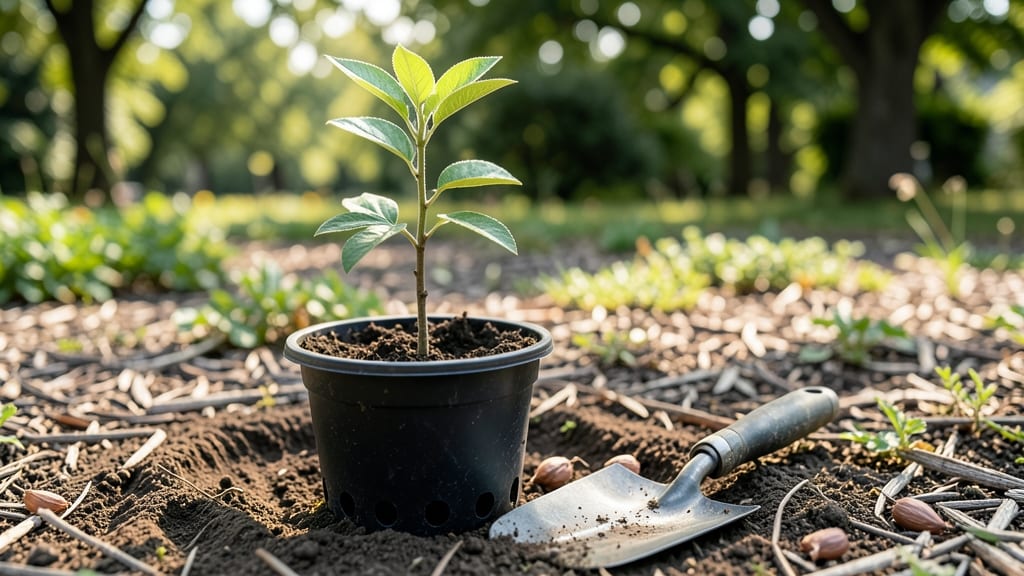
Planting an apple tree from seed feels like betting on a future orchard—your patient path to fruit begins with a single core. 🌱 The seeds from store-bought apples rarely grow true-to-type fruit, but the journey of watching a seedling grow into a tree is its own reward.
This method teaches you the slow magic of nature, where years of care lead to that first homegrown apple.
You'll need a fresh seed (no dried-out cores), a small pot with drainage, and well-draining soil mixed with compost. The trick is keeping seeds moist and warm—think of it like creating a tiny greenhouse.
Germination can take weeks or even months, so patience is your best tool. Unlike grafted trees that bear fruit in 3-5 years, seed-grown trees may take a decade or more before producing apples.
What you'll end up with is a sturdy young tree with its own unique character—perhaps a different leaf shape or growth habit than the parent. The roots will spread deep, making it drought-resistant once established.
Just be ready for the long game: this isn't about instant gratification, but about nurturing a legacy that could outlive you.
Here's the catch: most seed-grown apples won't taste like their parent tree, but the experience of growing from seed builds skills for grafting later. Start indoors in spring, then transplant outside after the last frost.
The real work begins when the seedling reaches 12 inches tall—then you'll need to protect it from pests and give it space to grow.
📚 In This Guide
- What you need
- Instructions
- Tips and common mistakes
- Wrapping up and next steps
What you need
- ● Apple seeds – 3–5 fresh, viable seeds (from a ripe, organic apple if possible). Pro tip: 💡 Store seeds in a damp paper towel in the fridge for 4–6 weeks to break dormancy!
- ○ Small pots or seed trays – 3–4 (4–6 inches deep) with drainage holes. Optional: Biodegradable peat pots for easy transplanting.
- ● High-quality potting mix – 2–3 bags (sterile, well-draining blend for seedlings). Look for: 🌱 "Seed starting mix" or "organic potting soil."
- ● Plastic wrap or humidity dome – To retain moisture while seeds germinate.
- ● Spray bottle – For gentle watering (avoid over-saturating seeds!).
- ● Grow lights or sunny windowsill – A south-facing window or LED grow lights (12–16 hours/day) for seedlings.
- ● Pruning shears or scissors – For trimming seedlings as they grow.
- ○ Garden soil – 1–2 bags (nutrient-rich, well-draining). Optional: Compost or aged manure for extra nutrients.
- ● Stakes or small wooden dowels – 2–3 (for support when transplanting outdoors).
- ● Mulch – Straw or wood chips to retain moisture and regulate soil temperature.
- ● Seed germination kit – For faster, more controlled sprouting.
- ● pH test kit – To ensure soil pH is ideal (6.0–7.0 for apples).
- ● Fertilizer (balanced or organic) – Like fish emulsion or worm castings (use sparingly!).
- ● Tree guards or mesh – To protect young saplings from pests.
- ● Notebook or journal – To track growth stages and care notes!
Step-by-Step guide to growing an apple tree from seed
Here's how to start your apple journey—it takes time, but the reward is worth it.
🌱 Step 1: Select and Prepare the Seed
Choose a fresh, organic apple from a variety you love—store-bought apples are often treated to prevent sprouting. Cut the apple in half, remove the seeds, and rinse them thoroughly to clean off any fruit residue. Real talk: not all seeds will sprout, so plant 4-5 seeds to maximize your chances.
Here's the thing—apple seeds need a period of cold stratification to break dormancy. Place the cleaned seeds in a sealed plastic bag with a damp paper towel. Store them in your refrigerator's crisper drawer for 6-8 weeks. Check weekly to ensure the paper towel stays moist but not soggy. You'll know stratification worked when tiny roots (called radicles) begin to emerge from the seeds.
💧 Step 2: Start the Seeds Indoors
Fill small pots (2-3 inches deep) with sterile seed-starting mix—avoid garden soil, which can introduce pathogens. Plant each seed about ½ inch deep, spacing them 1 inch apart in their pots. Gently press the soil around the seeds to ensure good contact but don't pack it down too firmly. I like to use biodegradable pots so I can transplant without disturbing the roots later.
Cover the pots with clear plastic wrap or a humidity dome to retain moisture and warmth. Place them in a warm spot (65-75°F) with bright, indirect light—a south-facing windowsill works well. Keep the soil consistently moist but never waterlogged. You'll see tiny sprouts emerge in 2-4 weeks, though some seeds may take longer. Don't rush germination by overwatering; damping-off disease will wipe out seedlings overnight.
☀️ Step 3: Transplant and Harden Off Seedlings
Once seedlings reach 3-4 inches tall and develop their first true leaves, it's time to transplant them into slightly larger pots (4-6 inches deep). Use the same seed-starting mix to avoid shocking the roots. Handle the seedlings carefully—they're fragile at this stage. Water them gently after transplanting to help settle the soil around the roots.
Move the pots outdoors to a sheltered spot during the day for 1-2 hours the first week, gradually increasing their time outside over 2-3 weeks. This hardening-off process prepares them for life in the garden. Watch for signs of stress like wilting or yellowing leaves—these mean they're not ready for longer outdoor exposure yet. You'll know they're ready when they bounce back quickly after a full day outside.
🪴 Step 4: Plant Outdoors in Permanent Location
Choose a sunny spot in your yard with well-draining soil and at least 6 hours of direct sunlight daily. Dig a hole twice as wide as the root ball but only as deep as the pot. Gently remove the seedling from its pot and place it in the hole, ensuring the top of the root ball sits 1 inch above ground level. This prevents rot as the tree grows.
Fill the hole with soil, pressing lightly to remove air pockets. Water deeply to settle the soil and encourage root growth. Mulch around the base with 2-3 inches of organic mulch, keeping it 3 inches away from the trunk to prevent rot. Water the tree once a week for the first month, then taper off as it establishes. The first year is all about root development—don't expect fruit for 5-10 years, but the wait is worth it.
Tips & tricks for growing an apple tree from seed
These simple tricks will help you avoid common pitfalls and maximize your apple tree's potential from the very first seed.
Stratification Success: During the 6-8 week cold stratification in Step 1, place a small piece of tape with the seed variety name on each bag. This prevents mix-ups if you're working with multiple apple varieties. I learned this the hard way after accidentally planting Granny Smith seeds as if they were Honeycrisp—big difference in flavor!
Lighting Hack: For Step 2's bright, indirect light requirement, I use a simple LED grow light on a timer for 12 hours daily. Position it 6-12 inches above the seedlings to prevent legginess. If you don't have grow lights, a well-lit bathroom with a south-facing window works surprisingly well—just rotate pots weekly for even growth.
Transplanting Tip: When transplanting in Step 3, water the seedlings thoroughly the day before moving them to larger pots. This reduces transplant shock by keeping roots hydrated during the transition. I also find it helpful to firm the soil gently around the base after planting—this creates better root-to-soil contact.
Outdoor Prep: Before planting outdoors in Step 4, prepare your planting hole by mixing in a handful of compost or well-rotted manure. This gives your young tree an immediate nutrient boost in its permanent home. Just avoid fresh manure—the high nitrogen can burn tender roots.
Pro Tips for Plant An Apple Tree From Seed
- These simple tricks will help you avoid common pitfalls and maximize your apple tree's potential from the very first seed.
- Stratification Success: During the 6-8 week cold stratification in Step 1, place a small piece of tape with the seed variety name on each bag.
- Lighting Hack: For Step 2's bright, indirect light requirement, I use a simple LED grow light on a timer for 12 hours daily.
Frequently asked questions
Got questions about growing an apple tree from seed? You’re not alone—this method takes time and patience! Below, we’ve answered the most common questions to help you navigate the process with confidence.
How long does it take for an apple seedling to bear fruit?
Apple trees grown from seed can take 5–10 years (or even longer) to produce fruit, if they do at all. Unlike grafted trees, seedlings may not grow true to the parent variety—expect surprises in flavor, size, or even fruit type. For faster results, consider grafting or buying a young tree from a nursery.
What’s the best time of year to plant apple seeds?
The ideal time to plant apple seeds is late winter or early spring, after the last frost but before active growth begins. If you’re starting seeds indoors, sow them in fall or winter (8–12 weeks before the last frost) to give seedlings a head start. Outdoor planting in fall (after leaves drop) also works in mild climates.
Can I plant apple seeds straight from a store-bought apple?
Yes, but with a few caveats! Store-bought apples are often treated with growth inhibitors or fungicides to prevent sprouting during transit. To improve germination, stratify seeds (mix with moist sand, refrigerate for 2–3 months) before planting. Avoid seeds from hybrid or proprietary varieties—they may not grow true.
Why aren’t my apple seeds germinating?
Common reasons for failed germination include:
- Improper stratification: Seeds need cold treatment to break dormancy.
- Poor soil conditions: Use well-draining, slightly acidic soil (pH 6.0–7.0).
- Overwatering or rot: Keep soil moist but not soggy.
- Old or low-quality seeds: Fresh seeds germinate better.
Should I graft my seedling later for better fruit?
Most seed-grown apple trees are rootstocks—meaning they lack desirable fruit traits. Grafting a scion (a cutting from a known variety) onto your seedling in late winter or early spring can yield fruit in 2–4 years. It’s a great way to combine the hardiness of your seedling with the flavor of a favorite apple.
What climate is best for growing apple trees from seed?
Apple trees thrive in USDA Zones 4–8, with chill hours (300–1,000 hours below 45°F) needed for proper fruit development. If you live in a warm climate, choose low-chill varieties like ‘Anna’ or ‘Dorsett Golden’. Seedlings may struggle in tropical or desert regions—consider microclimates or greenhouses.
Wrapping up and next steps
Growing an apple tree from seed is a rewarding journey that blends patience, curiosity, and a touch of green-thumb magic! 🌱 While it may take years to bear fruit, the process itself is a fascinating lesson in nature’s timing.
Now that you’re armed with the right techniques—from seed selection to nurturing young saplings—take that first step and plant your seed today.
Ready to watch your tiny seedling grow into a towering tree? Start small, dream big, and enjoy the process! 🍏🌿