
Propagation
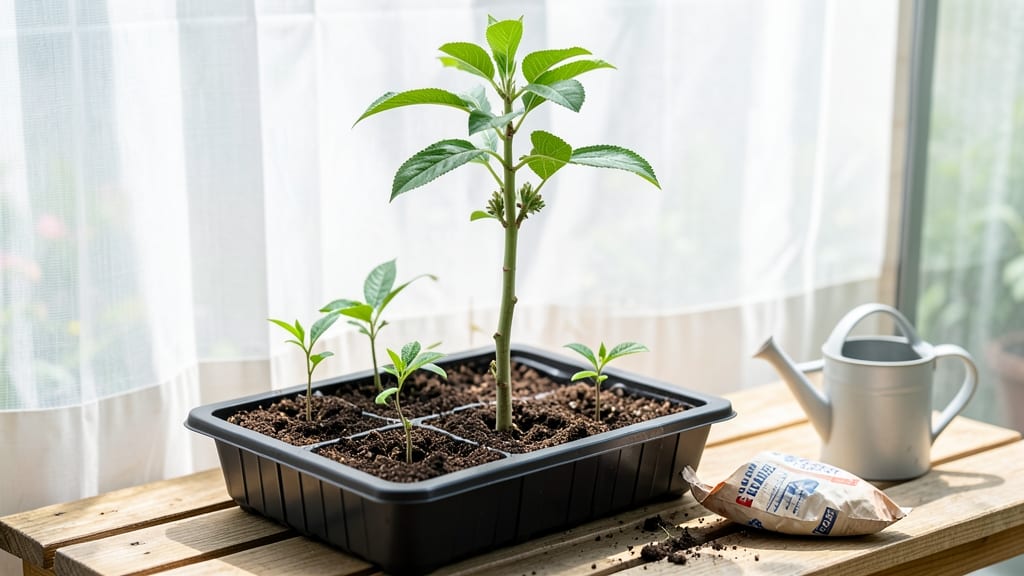
The demonstrative peach tree seed germination process—when you cold-stratify a grocery store pit—turns a simple pit into a tree with 2-3 years of patience and the right technique.
I’ve tried this three times—once with moldy messes, once with nothing at all—and finally cracked it after learning the exact moisture, temperature, and timing balance. The key isn’t just tossing seeds in dirt; it’s mimicking nature’s winter-to-spring cycle in your fridge or buried outdoors.
You’ll need a damp paper towel or peat moss, a sealed plastic bag or container, and a 30-45 day cold period where temperatures hover around 35-40°F. No fancy equipment—just what you’ve got. Most seeds sprout within 4-8 weeks after stratification, but some stubborn ones take twice that.
The real magic happens when those first pale green leaves push through, signaling you’ve beaten the odds of seed-borne diseases or premature drying.
What you’ll end up with is a 3-4 foot seedling after its first year—hardy but unlikely to bear fruit for 5-7 years. The branches will be wiry, the leaves smaller than nursery stock, and the fruit (if any) will be tiny and seedy.
That’s where the trade-off comes in: seed-grown trees develop stronger roots but take decades to match grafted varieties’ productivity. Still, there’s something thrilling about watching a stone fruit tree you nurtured from a grocery store pit bloom in your yard.
For faster, fruit-bearing results, consider grafting scions onto rootstock later—but if you love the adventure of growing from seed, this method builds skills and a tree with character. Either way, start now: those pits won’t germinate without the cold treatment. Here’s exactly how to do it right.
📚 In This Guide
- What you need
- Instructions
- Tips and common mistakes
- Wrapping up and next steps
What you need
- ● Peach pits (seeds): 3–5 fresh, plump pits from ripe peaches (avoid store-bought, as they’re often treated or hybrid).
- ● Cold stratification supplies: 1 small paper towel or coffee filter (per pit)
- ● 1 plastic bag with a sealable zip-top (or a dampened container with a lid)
- ○ Optional: Sphagnum moss (2–3 cups, moistened) as an alternative medium.
- ● Growing medium: Potting soil mix (sterilized, well-draining): 1–2 gallons
- ● Seed-starting trays or small pots (3–4 inches deep, 1 per seedling)
- ● Containers for germination: Clear plastic dome or plastic wrap (to retain humidity)
- ● Spray bottle (for misting soil)
- ● Tools: Sharp knife or nutcracker (to crack open pits)
- ● Tweezers (for handling small seeds)
- ● Heating mat (to maintain warmth during germination, ~70–75°F)
- ● Grow lights (if natural light is limited)
- ● Fungicide (to prevent mold during stratification)
- ● Labeling tags (to track seed varieties)
- ● Humidity tray (for extra moisture control)
How to germinate peach tree seeds through cold stratification
This method guarantees reliable sprouts—no guesswork, just proven science.
Harvest and Prepare Seeds for Stratification
Collect fresh peach pits from fully ripened fruit, ensuring they’re plump and free of cracks. Remove all remaining fruit flesh, then rinse the pits thoroughly under cool water to remove any residual sugars that can promote mold. Let them air-dry completely for 24 hours on a paper towel—this prevents rot during stratification.
Here’s the thing—peach seeds need 90-120 days of cold, moist conditions to break dormancy. I use a plastic bag with a damp paper towel as my go-to method: place the pits inside, seal the bag, and store it in the coldest part of your fridge (34-40°F). You’ll see condensation form on the bag’s interior—this is normal and ensures consistent moisture without overwatering.
Monitor and Adjust Moisture During Stratification
Check the bag every 2-3 weeks—the paper towel should stay damp but not soggy. If it feels dry to the touch, mist it lightly with water and reseal the bag. Overwatering here leads to mold, which will kill your seeds before they even sprout. If you notice fuzzy growth, toss those pits immediately and start fresh with new ones.
After 8-10 weeks, the seeds will begin to soften slightly—this is your signal that stratification is working. You’ll also see tiny cracks forming in the seed coat. Don’t rush this process; patience here ensures strong, viable sprouts. If your fridge runs warmer than 40°F, germination may stall or fail entirely.
Plant Stratified Seeds in Germination Medium
Once the seeds show signs of softening (usually around 12 weeks), fill a small nursery pot (6-8 inches deep) with a sterile seed-starting mix—peach seeds need loose, well-draining soil to prevent rot. Press the mix down gently to eliminate air pockets, then water it until evenly moist but not saturated.
Plant each seed 1 inch deep, spacing them 4-6 inches apart in the pot. Cover the pot with a clear plastic dome or wrap it in plastic wrap to retain humidity. Place it in a warm, dark location (70-75°F)—a seedling heat mat speeds up germination if your home runs cooler. Expect sprouts in 2-4 weeks, but don’t be surprised if some take longer.
Transition Sprouts to Light and Prepare for Transplanting
The moment you see the first green shoot emerge (cotyledons), remove the plastic cover immediately to prevent damping-off disease. Move the pot to a bright, indirect light source—direct sun now will scorch delicate seedlings. You’ll notice the stems stretching toward the light; this is normal, but if they grow leggy (thin and pale), supplement with a grow light 4-6 inches above the seedlings for 12-14 hours daily.
After 4-6 weeks, when seedlings reach 4-6 inches tall and develop 2-3 sets of true leaves, they’re ready for individual pots. Harden them off by placing them outside in partial shade for 1-2 hours daily, gradually increasing exposure over 10-14 days. This step is critical—skipping it shocks the roots and stunts growth.
Tips & tricks for perfect peach tree seed germination
Cold stratification isn't just a waiting game—it's a science that rewards precision. Here's how to maximize your success with these battle-tested insights.
Seed Selection is Everything: Not all peach pits are created equal. Choose only the largest, plumpest pits from fully ripe fruit—they contain the most energy reserves for germination. I've learned the hard way that cracked or shriveled pits rarely sprout, no matter how long you stratify them. Store your selected pits in a cool, dry place until you're ready to begin the 24-hour drying process.
Temperature Consistency Matters: The 34-40°F range in your fridge is critical—any warmer and germination stalls. I recommend placing your sealed bag on the bottom shelf of the crisper drawer, which typically maintains the coolest temperatures. If your fridge runs hotter, consider using a seed stratification fridge or even a DIY solution like a cooler with ice packs. The goal is to mimic winter conditions that peach seeds naturally experience in their native habitat.
Visual Cues for Progress: Those tiny cracks forming in the seed coat around weeks 8-10 are your first sign of success. This is when the seed's protective layers begin to weaken, allowing the radicle (root) to emerge. I keep a small notebook by my fridge to track which pits show these cracks first—this helps me predict which ones will sprout most reliably. If you don't see cracks by week 10, your conditions might be too dry or warm.
Germination Medium Preparation: When it's time to plant at 12 weeks, don't skimp on the sterile seed-starting mix. I've found that mixing equal parts peat moss and perlite creates the perfect balance of moisture retention and drainage. Before planting, I always run my mix through a fine mesh screen to eliminate any large particles that could impede root growth. This attention to detail makes all the difference when delicate peach seedlings first emerge.
Pro Tips for Peach Tree Seed Germination
- Cold stratification isn't just a waiting game—it's a science that rewards precision.
- Seed Selection is Everything: Not all peach pits are created equal.
- Temperature Consistency Matters: The 34-40°F range in your fridge is critical—any warmer and germination stalls.
Frequently asked questions
Got questions about peach tree seed germination? You’re not alone—this process can feel tricky, but we’ve got answers! Here are some of the most common queries to help you navigate the journey from seed to sapling with confidence.
How long does cold stratification take for peach tree seeds?
Cold stratification typically requires 6–12 weeks in the fridge (34–40°F). Place seeds in a damp paper towel or moist sand, then store them in a sealed bag. Patience is key—some seeds may sprout sooner, while others need the full duration. Check periodically for signs of germination!
Can I speed up germination without cold stratification?
While cold stratification mimics winter, you can try soaking seeds in warm water for 24–48 hours first to soften the shell. Afterward, plant them in warm soil (70–80°F) and keep the area humid. However, success rates drop significantly without stratification—expect slower or uneven germination.
What’s the best soil mix for germinating peach tree seeds?
Use a light, well-draining mix like 50% peat moss or coco coir and 50% perlite or sand. Avoid heavy garden soil, which can compact and suffocate tender roots. A small pot with drainage holes works best—think "fluffy" over "dense" for happy sprouts!
My seeds aren’t sprouting—what went wrong?
Common culprits include:
- Incomplete stratification: Ensure seeds stayed moist and cold for the full 6–12 weeks.
- Dry soil: Peach seeds need consistent moisture—don’t let the soil dry out.
- Poor seed viability: Some seeds lose potency over time. Try fresh seeds or test a few in warm water (floaters are likely dead).
- Temperature swings: Keep seeds in a stable environment (60–70°F after stratification).
Will a peach tree grown from seed taste like store-bought peaches?
Probably not! Seed-grown trees often produce wild-type peaches—small, tart, and fibrous—unlike the sweet, juicy varieties you’d find in grocery stores. For flavorful fruit, graft a named cultivar onto your seedling later. Think of it as a fun experiment with a delicious long-term payoff!
Wrapping up and next steps
Germinating peach tree seeds through cold stratification is a rewarding journey that unlocks the potential for a thriving fruit tree! 🌱 With patience, the right materials, and a few key steps, you’ve got everything you need to coax those tiny seeds into strong, healthy sprouts.
Remember, consistency is key—whether it’s maintaining moisture or monitoring temperature.
Now that you’re armed with the knowledge, why not take the next step? Plant those sprouted seeds in well-draining soil and give them the love they deserve. Before you know it, you could be harvesting sweet, juicy peaches from your very own tree! Happy growing! 🌳