
Pruning
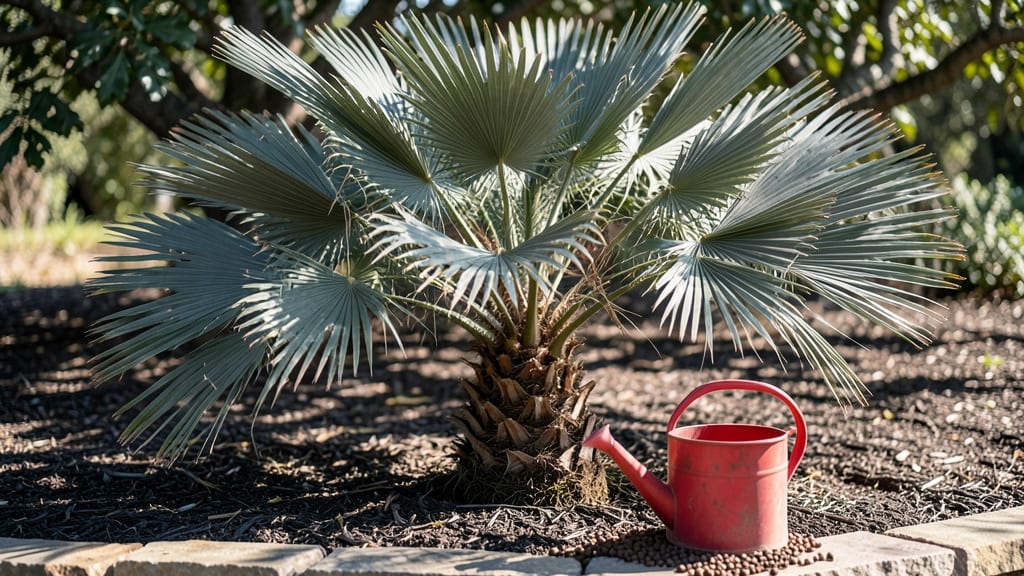
Maintaining a palm tree isn’t just about watering and hoping for the best—it’s about understanding its unique needs to keep it thriving year after year. 🌴 I’ve learned the hard way that skipping pruning or overwatering can turn a stunning centerpiece into a struggling plant, but with the right care, your palm can grow tall and healthy for decades.
The key is balancing water, sunlight, and soil while adjusting for your climate. In hot, dry areas, deep watering once a week keeps roots happy, while cooler zones may need less. Pruning dead fronds isn’t just for looks—it prevents pests and disease, ensuring your palm stays strong.
I’ve seen palms go from ragged to vibrant just by cutting back the old growth at the right time.
You’ll notice the difference in just a few months: glossy new fronds, a sturdy trunk, and a palm that stands out in your landscape. The best part?
Once you master the basics, maintenance becomes simple—just a little attention and a sharp eye for what’s changing seasonally. Let’s get your palm looking its best.
Whether you’re in a tropical paradise or a temperate zone, these tips adapt to your environment. Avoid common mistakes like overwatering or ignoring pest signs, and your palm will reward you with lush, tropical beauty all year. Ready to dive in?
📚 In This Guide
- What you need
- Instructions
- Tips and common mistakes
- Wrapping up and next steps
What you need
- ● Pruning tools: Sharp pruning shears (for small fronds) – 1 pair
- ● Heavy-duty pruning saw (for thick trunks or large fronds) – 1
- ● Loppers (for medium-sized branches) – 1 pair
- ● Extension pole (for hard-to-reach fronds) – 6–10 ft
- ● Safety gear: Work gloves (cut-resistant) – 1 pair
- ● Safety goggles – 1 pair
- ● Sturdy ladder (if needed) – 1
- ● Cleanup supplies: Heavy-duty trash bags – 2–3
- ● Disposable pruning shears (for diseased fronds) – 1–2 pairs
- ● Rake or broom (for debris removal) – 1
- ● Fungicide spray (for preventing infections) – 1 bottle
- ● Slow-release palm fertilizer (e.g., 8-2-12 or 6-3-3 blend) – 1 bag
- ● Mulch (organic, like pine bark) – 2–3 cubic feet
- ● Pest control spray (for aphids, scales, or spider mites) – 1 bottle
- ● Soil moisture meter (to check watering needs) – 1
Step-by-step guide to year-round palm tree maintenance
Here's how I keep my palms lush and healthy—no guesswork, just proven care.
🌿 Step 1: Water Deeply but Infrequently
Palms hate soggy roots, so I water only when the top 6 inches of soil feels completely dry. Stick your finger in—if it's dry past your first knuckle, it's time. I use a hose with a gentle spray nozzle to soak the root zone thoroughly, not just a quick sprinkle. This encourages deep root growth, which is key for stability.
Real talk: Overwatering kills palms faster than drought. If you're unsure, underwater slightly. Yellowing fronds often mean too much water, not too little. In winter, cut back to every 3-4 weeks unless your climate stays warm year-round.
☀️ Step 2: Provide the Right Light Balance
Most palms crave full sun (6+ hours daily), but some varieties like the Majesty Palm tolerate partial shade. Watch your tree's fronds—if they're stretching or turning pale, it's not getting enough light. If the tips start browning, it might be too much direct sun, especially in hot afternoons.
Here's the thing—young palms need gradual sun exposure. If you're moving a potted palm outdoors, start with 2-3 hours of morning sun and increase by an hour daily over 10 days. Sudden full sun burns leaves faster than you can react.
🪴 Step 3: Fertilize Seasonally for Strong Growth
Feed your palm twice a year: once in early spring when new fronds start emerging, and again in late summer. I use a balanced palm fertilizer (8-2-12 NPK ratio) mixed at half-strength to avoid salt buildup. Spread the granules evenly around the root zone and water deeply to activate them.
Don't skip the winter months—palms rest but still need nutrients. In mild climates, a light application in February keeps them energized for spring growth. If you see brown spots on older fronds, that's normal aging, but new fronds should stay vibrant.
✂️ Step 4: Prune Dead Fronds and Protect New Growth
Remove only fully brown, dry fronds—never healthy green ones. Use clean, sharp pruners to cut at the base where the frond meets the trunk. Wear gloves; palm fronds have sharp serrations that draw blood. I prune in late winter or early spring before new growth starts.
Watch for fronds that turn yellow but stay flexible—those are still alive. Only remove what's completely crispy. And here's a pro tip: If you see black spots or mold on the trunk, that's a sign of overwatering or poor air circulation. Trim back nearby plants to improve airflow.
🌱 Step 5: Monitor for Pests and Diseases Early
Check the undersides of fronds weekly for spider mites, scale, or palm aphids. Wipe them off with a damp cloth or spray with neem oil mixed with water (1 tbsp per quart). I catch problems early by inspecting new growth first—pests love tender leaves.
If you see sticky residue on fronds, that's honeydew from sap-sucking insects. Treat it immediately—left unchecked, it attracts ants and sooty mold. For fungal issues like leaf spot, remove infected fronds and apply a copper fungicide as a preventative spray.
Tips & tricks for perfect palm tree maintenance
These game-changing insights will help you keep your palm thriving year-round with minimal effort.
Soil Test Trick: Before watering, stick your finger into the soil—if it's dry only to your first knuckle (about 1 inch), wait another week. I use a moisture meter for potted palms to avoid guessing. The key is letting the soil dry completely between waterings, especially in winter when growth slows. This prevents root rot while encouraging deeper root development.
Sun Transition Hack: When moving potted palms outdoors, I start with just 2-3 hours of morning sun and gradually increase exposure. Watch for fronds that look pale or stretched—they're begging for more light. For shade-tolerant varieties like the Majesty Palm, you can slowly increase to partial shade over 2 weeks instead of full sun. The gradual approach prevents sunburn that can kill fronds overnight.
Fertilizer Timing Tip: The twice-a-year feeding schedule works best when timed with new growth. In spring, look for fresh fronds emerging from the center—this is your cue to fertilize. For the late summer feeding, I mark my calendar for August to catch the second growth spurt. Always water deeply after fertilizing to prevent salt buildup that can burn roots.
Pruning Precision: Never cut healthy green fronds—only remove completely dry, brown ones. I test by gently tugging: if it resists, it's still alive. For stubborn fronds, I use a clean pruner to cut at the base where it meets the trunk. This prevents disease entry points while keeping your palm looking tidy. And here's the secret: I prune in late winter when new growth is about to begin, giving the tree energy for the season ahead.
Pro Tips for Maintain A Palm Tree
- These game-changing insights will help you keep your palm thriving year-round with minimal effort.
- Soil Test Trick: Before watering, stick your finger into the soil—if it's dry only to your first knuckle (about 1 inch), wait another week.
- Sun Transition Hack: When moving potted palms outdoors, I start with just 2-3 hours of morning sun and gradually increase exposure.
Frequently asked questions
Got questions about keeping your palm tree healthy and happy? You’re not alone—palm care can be tricky! Here are some of the most common concerns and straightforward answers to help you troubleshoot and thrive.
How often should I water my palm tree?
Watering depends on your climate and soil type, but a general rule is deep watering 1-2 times per week during dry spells. Stick your finger 2-3 inches into the soil—if it’s dry, it’s time to water. Overwatering is worse than underwatering, so always check for soggy roots or yellowing fronds.
When is the best time to prune a palm tree?
Prune dead or damaged fronds year-round, but avoid heavy pruning during extreme heat or cold. The ideal time is early spring or late fall, when the tree is actively growing but not stressed. Never remove more than one-third of the fronds at once—this helps maintain energy balance.
What are signs of pest infestation in palm trees?
Watch for yellowing fronds, sticky residue (honeydew), or tiny holes in leaves—common signs of pests like palm weevils or spider mites. If you spot small, brown larvae or chewed fronds, act fast with insecticidal soap or neem oil. Severe cases may need professional help.
Can palm trees survive cold weather? What should I do?
Most palms thrive in USDA Zones 8-11, but if temps drop below 28°F (-2°C), take action! Wrap the trunk with burlap, cover with frost cloth, or use Christmas lights for gentle warmth. Never use open flames—they can dry out the tree.
What’s the easiest palm tree for beginners?
If you’re new to palm care, start with Pygmy Date Palm or Areca Palm—they’re hardy, adaptable, and forgiving. Avoid tropical giants like Royal Palms unless you’re in a warm climate. Always check your local nursery for cold-hardy varieties suited to your zone!
Wrapping up and next steps
Maintaining a palm tree isn’t just about aesthetics—it’s about nurturing a stunning, long-lived centerpiece for your landscape! 🌴 With the right tools, seasonal care, and a watchful eye for pests or disease, your palm can thrive year-round.
Whether you’re trimming fronds, fertilizing wisely, or protecting against harsh weather, every effort contributes to its health and beauty.
Ready to give your palm tree the love it deserves? Start by scheduling a quick check-up this weekend—inspect its fronds, test the soil, and adjust your care routine as needed.
A little consistency goes a long way, and soon, you’ll be rewarded with lush, vibrant growth that turns heads (and maybe even some green-thumb envy)!