
Pruning
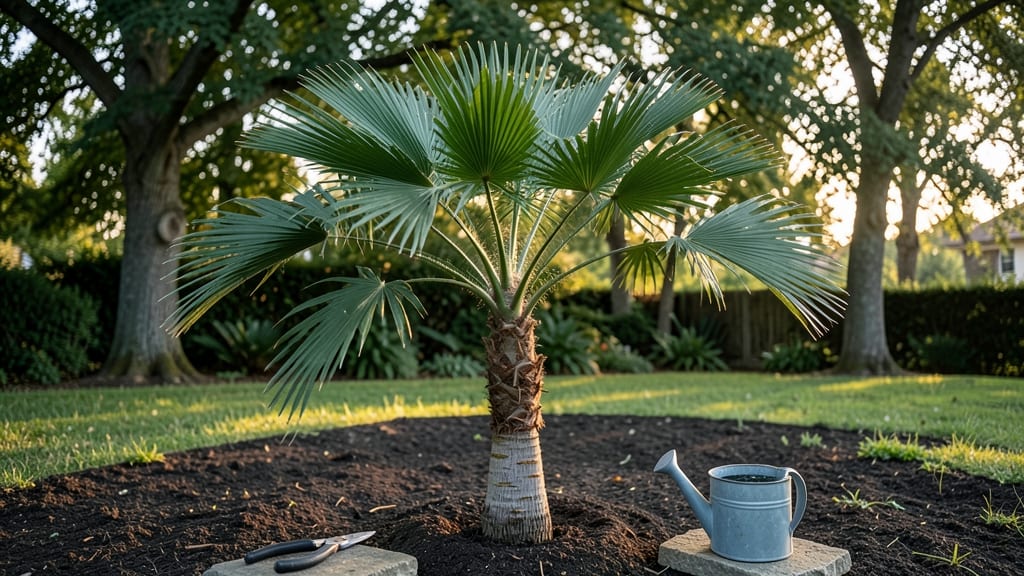
Mastering majesty palm tree care outdoor ensures this striking tree stays vibrant year-round—no matter your climate. I’ve learned the hard way that these palms thrive with the right balance of pruning, water, and light, especially in zones 10-11 where they’re happiest.
The key isn’t just trimming dead leaves; it’s understanding when to prune for new growth and when to let nature take its course.
You’ll need basic tools—a sharp pruning saw, gloves, and disinfectant—but the real secret is patience. Majesty palms reward consistent care with velvety new fronds that unfurl slowly, and they’re surprisingly forgiving once you get the rhythm right.
Overwatering or neglecting pests like spider mites can derail progress, though, so we’ll cover those pitfalls too.
By the end, you’ll spot the difference between healthy yellowing (natural shedding) and warning signs like brown patches or slow growth. A well-pruned Majesty palm becomes the centerpiece of any outdoor space—dramatic, low-maintenance, and full of life—if you time your cuts correctly.
Whether you’re dealing with a young sapling or a mature tree, the same principles apply. Let’s get those fronds growing strong, season after season.
📚 In This Guide
- What you need
- Instructions
- Tips and common mistakes
- Wrapping up and next steps
What you need
- ○ Pruning shears or loppers: Bypass pruners (sharp, 6-8" blades) for clean cuts on smaller fronds. Optional: Loppers (for thicker stems, 12-16" reach).
- ● Pruning saw: Heavy-duty, curved blade (for stubborn, thick fronds or trunks).
- ● Disinfectant (70% isopropyl alcohol or bleach solution): 1 part bleach to 9 parts water (to sterilize tools and prevent disease).
- ● Heavy-duty gloves: Cut-resistant, waterproof (to protect from sharp fronds and sap).
- ● Ladder or step stool: Sturdy, extendable (8-12 ft height, depending on tree size). Safety first!
- ● Trash bags or compost bin: 2-3 large bags (for pruned debris; Majesty Palms are not compostable if diseased).
- ● Hose with nozzle: For rinsing tools and cleaning up sap.
- ● Pruning sealant: Tree wound dressing (for large cuts on the trunk; use sparingly—Majesty Palms heal well on their own).
- ● Work boots or closed-toe shoes: For stability on uneven ground.
- ● Safety goggles: To shield eyes from debris.
- ● Notebook & pen: To track pruning dates and growth patterns.
- ● Fertilizer (balanced palm fertilizer): 8-8-8 or 6-6-6 NPK ratio (apply post-pruning for a growth boost!).
Step-by-step guide to pruning Majesty palm trees for healthy growth
This method keeps your palm thriving year-round by targeting the right cuts at the right times.
Assess the Palm’s Growth Cycle and Prune at the Right Time
Majesty palms (Ravenea rivularis) respond best to pruning after their natural growth flush, typically in late spring or early summer when new fronds unfurl. This timing ensures you remove dead fronds without disrupting the plant’s energy reserves. Avoid pruning in winter, as the palm enters dormancy and wounds take longer to heal.
Look for brown, dry fronds that hang limp or crackle when touched—these are ready for removal. Healthy fronds remain vibrant green and slightly flexible. If you see yellowing fronds with green streaks, wait a few weeks; they may still recover. Never prune more than one-third of the frond mass in a single session, as this stresses the palm.
Gather the Right Tools and Prepare for Pruning
Use sterilized, sharp pruning shears or a pruning saw for thicker fronds. Disinfect your tools with 70% isopropyl alcohol before and after use to prevent fungal or bacterial infections. Wear gloves—palm fronds can be abrasive, and some varieties have small spines.
Lay down cardboard or a tarp beneath the palm to catch debris, making cleanup easier. Have a bucket of soapy water nearby to clean tools mid-pruning if sap or dirt accumulates. Work on a dry, calm day—wind can make cutting difficult, and wet conditions increase disease risk.
Remove Dead and Damaged Fronds Safely
Start by cutting dead fronds at their base, where the frond meets the trunk. Make a clean, angled cut about ½ inch above the trunk to prevent water from pooling and causing rot. Avoid tearing the frond—this leaves jagged edges that invite pests. If a frond is partially dead but still attached, trim only the brown sections, leaving the green parts intact.
For hanging or broken fronds, use a pruning saw to sever them at the trunk. If a frond is too large to cut cleanly, score the base with the saw to weaken it, then pull it free by hand. Never leave stubs longer than ½ inch, as they can harbor pests or disease. After each cut, wipe your tools to remove sap or debris.
Monitor for Pests and Disease After Pruning
Inspect the palm’s trunk and remaining fronds for signs of pests like spider mites or scale insects, which thrive in stressed palms. Look for sticky residue (honeydew) or tiny webs on the undersides of fronds. If you spot pests, treat with neem oil or insecticidal soap according to package instructions.
Keep the base of the palm clear of debris for at least 2 weeks after pruning to allow wounds to heal. Water the palm deeply but infrequently—Majesty palms prefer well-draining soil and moderate moisture, so avoid overwatering. If the trunk shows dark spots or oozing sap, apply fungicide to prevent infection.
Schedule Maintenance Pruning for Year-Round Health
Perform light maintenance pruning every 4-6 weeks to remove any new dead fronds or yellowing leaves. This keeps the palm looking tidy and prevents overgrowth. In fall, reduce watering slightly to prepare the palm for dormancy, but avoid heavy pruning until spring.
Fertilize once in early spring with a balanced palm fertilizer (e.g., 8-2-12) to support new growth. Majesty palms grow slowly, so over-fertilizing can burn roots—follow label instructions closely. With consistent care, your palm will develop a full, symmetrical canopy and remain healthy for decades.
Tips & tricks for perfect Majesty palm tree outdoor care
These expert insights will help you maintain your palm’s health and beauty without the guesswork.
Seasonal Timing Matters: The late spring to early summer window for major pruning is non-negotiable for Majesty palms. This timing aligns with their natural growth cycle, ensuring you remove only dead fronds without disrupting their energy reserves. I’ve seen palms stressed beyond recovery after winter pruning—never make that mistake. If you miss this window, wait until the next growth flush rather than pruning at random times.
Tool Preparation is Critical: Sterilizing your pruning tools with 70% isopropyl alcohol isn’t just about cleanliness—it’s about preventing infections that can kill your palm. I learned this the hard way after seeing a palm develop fungal spots weeks after pruning with unsterilized shears. Also, keep your tools sharp; dull blades tear fronds, creating jagged wounds that invite pests. A quick test: if your shears struggle to cut through a dry newspaper cleanly, they’re too dull.
Cutting Technique Prevents Rot: That half-inch clearance above the trunk when cutting dead fronds isn’t arbitrary—it creates the perfect angle for water runoff. I’ve seen too many palms develop rot from water pooling at the cut site. For stubborn fronds, the scoring technique with a pruning saw works wonders, but always follow up by pulling cleanly. The goal is a smooth cut that heals quickly, not a ragged stub that becomes a pest magnet.
Post-Pruning Care is Half the Battle: The two-week debris clearance period after pruning is your palm’s chance to recover. I recommend setting a calendar reminder—many people forget this crucial step. During this time, reduce watering to prevent over-saturation of fresh wounds. And if you notice dark spots appearing, act immediately with fungicide. Prevention is easier than treating an established infection in a stressed palm.
Pro Tips for Majesty Palm Tree Care Outdoor
- These expert insights will help you maintain your palm’s health and beauty without the guesswork.
- Seasonal Timing Matters: The late spring to early summer window for major pruning is non-negotiable for Majesty palms.
- Tool Preparation is Critical: Sterilizing your pruning tools with 70% isopropyl alcohol isn’t just about cleanliness—it’s about preventing infections that can kill your palm.
Frequently asked questions
Got questions about keeping your Majesty Palm thriving outdoors? You’re not alone!
Here are answers to the most common concerns—from pruning to pests—so you can enjoy a lush, healthy palm year-round.
How often should I prune my Majesty Palm?
Prune your Majesty Palm lightly every 6–12 months to remove dead fronds and encourage new growth. Focus on brown, dry fronds—never cut more than ⅓ of the fronds at once. Timing matters too: spring or early summer is ideal for outdoor palms in most climates. Avoid heavy pruning in winter, as it stresses the tree.
Can I prune Majesty Palms in winter?
Winter pruning is not recommended unless you’re in a tropical climate with no frost. Cold weather slows growth, and pruning can leave the tree vulnerable to fungal infections or frost damage. If you must prune in winter, do so mildly (only remove dead fronds) and avoid cutting into the trunk or healthy fronds.
What should I do if my Majesty Palm has brown fronds that won’t fall off?
Brown fronds that cling stubbornly may signal underwatering, pests, or disease. First, check the soil—Majesty Palms hate soggy roots but also drought stress. If the fronds are dry and crispy, it’s likely a watering issue. For soft, mushy fronds, overwatering or fungal issues (like Ganoderma butt rot) may be the culprit. Trim them carefully with sterilized tools and improve drainage.
Are there alternatives to Majesty Palms for low-maintenance outdoor spaces?
Yes! If Majesty Palms seem high-maintenance, consider these low-maintenance palm alternatives:
- Pygmy Date Palm – Thrives in containers, drought-tolerant, and cold-hardy to 20°F.
- Mediterranean Fan Palm – Slow-growing, pest-resistant, and handles dry climates well.
- California Fan Palm – Native to deserts, needs minimal water once established.
How do I protect my Majesty Palm from frost or cold snaps?
Majesty Palms are tender and suffer damage below 30°F. To shield yours:
- Wrap the trunk in burlap or frost cloth for light protection.
- Mulch the root zone with 3–4 inches of organic mulch (like pine bark).
- Water deeply before a freeze to reduce cold stress (but avoid soggy soil).
- Move potted palms to a sheltered area or indoors if possible.
Wrapping up and next steps
Caring for your Majesty Palm doesn’t have to be intimidating—with the right tools, timing, and techniques, you’ll enjoy a year-round tropical oasis! 🌿 Whether you’re trimming for aesthetics, health, or growth, remember: consistency is key. Prune regularly, watch for pests, and give your palm the love it deserves.
Ready to level up your green thumb? Start by scheduling your first pruning session—your Majesty Palm will thank you with vibrant, lush foliage for seasons to come! 🌟