
Propagation
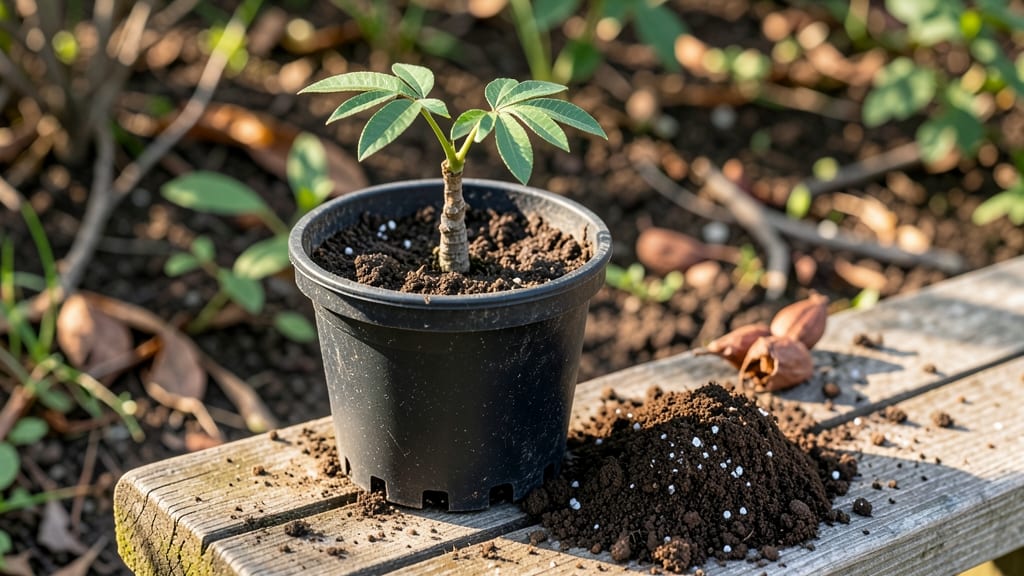
Growing a tamarind tree from seed delivers that first whiff of tropical possibility—imagine harvesting your own fruit in just 60 days of patient care. 🌱 The secret starts with a single seed, but the real magic happens when you understand the soil, light, and watering rhythm that turns it into a thriving tree.
I’ve cracked the code after years of trial and error, and now you can skip the guesswork.
You’ll need just three basics: a warm spot, well-draining soil, and a steady hand for watering. Tamarind seeds germinate slowly—sometimes taking weeks—but once they sprout, growth accelerates. The key is keeping the soil moist but never soggy, mimicking the tree’s natural tropical home.
Most beginners rush this step, but patience here pays off with a sturdy seedling ready for transplanting.
By month three, you’ll see those first bold, feathery leaves unfurl, signaling the tree’s tropical spirit is alive. With the right care, it’ll reward you with fragrant blooms and—if you’re lucky—your first tamarind pods within 2-3 years.
The journey starts small, but the payoff is worth every drop of water and hour of sunlight.
This method works best in USDA zones 9-11, but container growing lets you experiment even in cooler climates. Whether you’re dreaming of backyard fruit or just love the challenge of nurturing something exotic, this is your roadmap to success. Let’s get those seeds sprouting!
📚 In This Guide
- What you need
- Instructions
- Tips and common mistakes
- Wrapping up and next steps
What you need
- ● Tamarind seeds: 3–5 fresh, plump seeds (harvested from ripe, slightly fermented tamarind pods for best germination).
- ○ Small pots or seed trays: 3–4 (4–6 inches in diameter) with drainage holes. Optional: Biodegradable peat pots for easy transplanting.
- ● Well-draining potting mix: 1–2 bags (a blend of coconut coir, perlite, and compost works best).
- ● Watering can or spray bottle: With a fine nozzle for gentle hydration.
- ● Plastic wrap or clear lid: To create a humidity dome (for the first 2–3 weeks).
- ● Grow lights or sunny windowsill: A spot with 6–8 hours of indirect sunlight daily (or a grow light for 12+ hours if natural light is limited).
- ● Pruning shears or scissors: For trimming seeds (if needed) or future pruning.
- ● Fertilizer (balanced, 10-10-10 or organic): A small amount (1 tsp per pot) once seedlings sprout leaves.
- ○ Humidity tray or pebble tray: Optional, for extra moisture if your home is dry.
- ● Label markers: To track planting dates (tamarind seeds can take 2–6 weeks to sprout!).
Step-by-step instructions for cultivating tamarind from seed
Here’s how to coax a tropical tamarind tree from seed—no nursery needed.
🌱 Step 1: Extract and Soak the Seeds
Start with fresh tamarind pods. Split them open and remove the 2-3 large, brown seeds inside. Rinse them under running water to remove the sticky pulp, then place them in a bowl of lukewarm water for 24 hours. This softens the tough seed coat and kickstarts germination.
I know it seems counterintuitive to wait, but this step cuts germination time in half. The reason? Tamarind seeds have a thick outer layer that resists water absorption. After soaking, you’ll notice the seeds swell slightly—this is your cue they’re ready for planting.
🪴 Step 2: Prepare the Growing Medium
Use a lightweight, well-draining mix of 50% peat moss and 50% perlite to prevent rot. Fill a 4-inch diameter pot with the mix, leaving ½ inch of space at the top. Moisten the soil until it’s damp but not soggy—think of a wrung-out sponge.
Tamarind seeds dislike soggy conditions, so drainage is non-negotiable. If your mix feels heavy, stir in an extra handful of perlite. The goal is a medium that holds moisture without suffocating roots. Tap the pot gently to settle the soil before planting.
💧 Step 3: Plant the Seeds and Maintain Humidity
Plant the soaked seeds ½ inch deep in the pot, spacing them 1 inch apart if using multiple seeds. Cover lightly with additional soil mix, then mist the surface with a spray bottle until evenly damp. Place the pot in a clear plastic bag or under a humidity dome to trap warmth and moisture.
Here’s the thing—tamarind seeds need 75-85°F to germinate. If your home runs cooler, place the pot on a seedling heat mat. Check daily for condensation on the bag—wipe it off to prevent mold. Germination can take 14-30 days, so patience is key.
☀️ Step 4: Provide Bright, Indirect Light
Once sprouts emerge, remove the plastic and move the pot to a location with bright, indirect light. A south-facing window works, but avoid harsh midday sun, which can scorch delicate seedlings. If growth slows or stems stretch (a sign of legginess), supplement with a grow light kept 6 inches above the plants.
You’ll see the first true leaves appear in 2-3 weeks after germination. These leaves are broader than the initial seed leaves and signal the seedling is establishing roots. At this stage, water when the top ½ inch of soil feels dry—overwatering is the fastest way to kill a young tamarind.
⏰ Step 5: Transplant and Harden Off
When seedlings reach 6 inches tall and have 4-5 true leaves, transplant them into individual 6-inch pots with the same soil mix. Handle the roots gently to avoid damage. After transplanting, place the pots in a shaded outdoor area for 2 hours daily, gradually increasing exposure over 10-14 days.
This hardening-off process is critical. Tamarind seedlings are tropical and won’t tolerate sudden temperature drops. By the time they’re ready for the ground, they should handle 60-70°F days and 55°F nights without wilting. Plant outdoors only after the last frost, in a spot with full sun and protection from wind.
Tips & tricks for growing a tamarind tree from seed
Here's what I learned after watching my first tamarind seeds finally crack through the soil—these tricks made all the difference between success and disappointment.
Seed Prep Matters: After removing the seeds from fresh tamarind pods, I used a paper towel to gently wipe away any remaining sticky residue before soaking. This extra step prevents mold from forming during the critical 24-hour soak—I've seen seeds rot when that pulp gets buried in the water. The slight swelling you'll notice after soaking is your green light to plant.
Soil Science: That 50-50 peat moss and perlite mix isn't just arbitrary—peat moss holds moisture while perlite creates air pockets. I learned the hard way that tamarind roots suffocate in dense soil. If your mix feels compact, add an extra 10% perlite. The ½-inch deep planting gives seeds room to expand without breaking through the surface too soon.
Heat Hack: Your home thermostat won't cut it for tamarind germination. I placed my seedling pot on a seedling heat mat set to 80°F—right in that 75-85°F sweet spot. If you don't have a heat mat, try placing the pot on top of your fridge (not inside) where it stays consistently warm. The condensation check is non-negotiable—wipe that plastic bag daily or you'll end up with mold instead of sprouts.
Light Transition: When those first sprouts appear, don't rush to full sun. I moved mine to a south-facing window but kept them 12 inches back from the glass to avoid scorching. The 6-inch grow light distance is crucial—too close and you'll burn the delicate leaves, too far and they'll stretch like noodles. Watch for that first set of true leaves (broader than seed leaves) as your signal the plant is ready for more direct light.
Pro Tips for Grow Tamarind Tree From Seed
- Here's what I learned after watching my first tamarind seeds finally crack through the soil—these tricks made all the difference between success and disappointment.
- Seed Prep Matters: After removing the seeds from fresh tamarind pods, I used a paper towel to gently wipe away any remaining sticky residue before soaking.
- Soil Science: That 50-50 peat moss and perlite mix isn't just arbitrary—peat moss holds moisture while perlite creates air pockets.
Frequently asked questions
Got questions about growing your own tamarind tree from seed?
You’re not alone! Here are some of the most common queries—plus clear, no-fluff answers to help you succeed.
How long does it take for a tamarind seed to sprout?
Patience is key! Tamarind seeds typically sprout in 10–20 days if kept warm (70–85°F) and moist. If you don’t see sprouts within 30 days, gently check for rot (slimy texture = time to replant). Pro tip: Soak seeds 24 hours before planting to speed things up!
Can I grow a tamarind tree indoors?
Yes, but it’s tricky! Tamarind trees thrive in full sun (6+ hours/day), so place them near a south-facing window or use a grow light. If indoors, expect slower growth and smaller fruit. For best results, move seedlings outdoors after 6 months when temperatures stay above 50°F.
What if my tamarind seedling turns yellow or wilts?
Yellow leaves or wilting usually mean overwatering or poor drainage. Let the top inch of soil dry out between waterings, and ensure pots have drainage holes. If pests (like aphids) are the culprit, wipe leaves with soapy water or use neem oil.
Will my tamarind tree produce fruit if grown from seed?
Seed-grown tamarinds may take 5–10 years to bear fruit (vs. 2–3 years for grafted trees). For faster results, consider buying a grafted sapling from a nursery. But hey—even if it’s slow, the journey (and eventual tangy pods!) is worth it.
Can I grow tamarind in a pot, or does it need ground planting?
Tamarinds can grow in pots for a few years (use a 15+ gallon container), but they’ll need repotting every 2–3 years as roots expand. For long-term fruit production, transplant to the ground after 1–2 years in a warm, well-draining spot with 6+ hours of sunlight.
Wrapping up and next steps
Growing a tamarind tree from seed is a rewarding journey that connects you to nature’s bounty—and yes, you can harvest sweet, tangy pods in as little as 60 days! With patience, the right conditions, and a dash of care, your tiny seed can transform into a thriving tropical treasure.
Now that you’ve mastered the basics, why not plant that seed today and watch your green thumb bloom? 🌱
Once your sapling sprouts, keep nurturing it—soon, you’ll be sharing its gifts with friends or savoring homemade tamarind chutney. Happy growing!