
Propagation
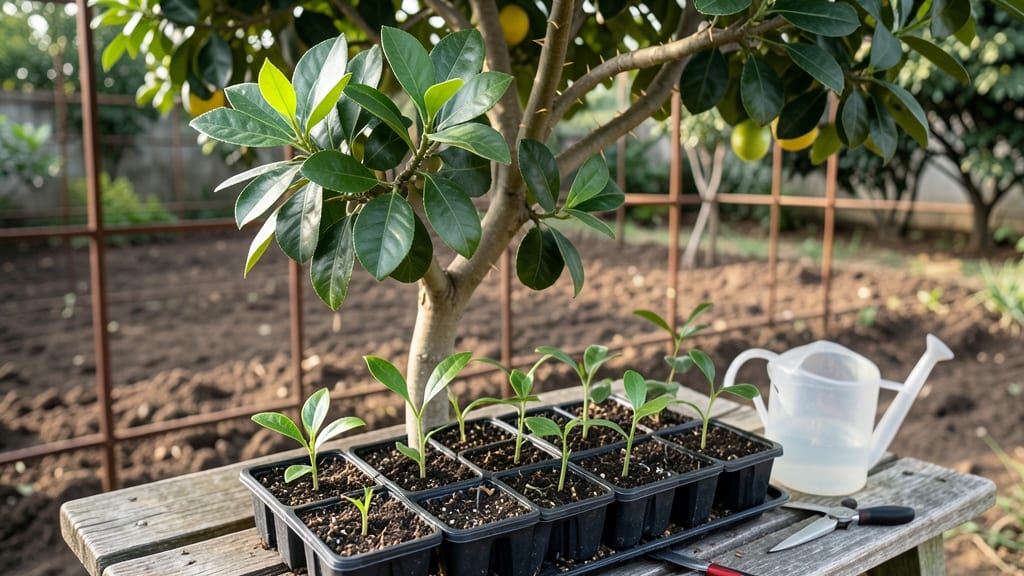
Growing a grapefruit tree from seed means waiting years for fruit—but the journey starts with one tiny seed and a sunny spot. 🌱 I’ve grown several from grocery store seeds, and while they won’t bear fruit for 3-5 years, the satisfaction of nurturing a tropical tree indoors or out is worth the patience.
The key is starting right: choosing plump seeds, giving them warmth, and avoiding common pitfalls like overwatering or poor drainage.
You’ll need a few simple supplies: a small pot with drainage holes, well-draining potting mix, and a warm location (70-80°F is ideal). Seeds germinate in 2-4 weeks if kept consistently moist—not soggy—and exposed to bright, indirect light.
Once sprouted, the seedlings need regular watering (let the top inch dry between drinks) and a balanced fertilizer every few months to encourage steady growth.
By year two, your treelet will reach 2-3 feet tall with glossy leaves, but it won’t fruit for years. That’s normal—citrus trees take time. The payoff? A hardy, disease-resistant tree that thrives in containers or the ground, even in mild climates.
With proper care, you’ll eventually have a tree that’s both a conversation piece and a kitchen staple.
For best results, protect young trees from cold drafts and pests like scale insects. Patience is the real secret—these trees grow slow but reward you with lush foliage and, one day, sweet, tangy fruit. Ready to start your citrus adventure?
📚 In This Guide
- What you need
- Instructions
- Tips and common mistakes
- Wrapping up and next steps
What you need
- ● Grapefruit seeds: 3–5 fresh, plump seeds (harvested from a ripe, organic grapefruit—avoid hybrid varieties like Ruby Red for best results).
- ● Well-draining potting mix: A 50/50 blend of cactus/succulent mix and perlite or coarse sand (about 2–3 cups per 4-inch pot).
- ● Small pots or seed trays: 4-inch diameter pots with drainage holes (1–2 per seed) or a seed tray with individual cells.
- ● Drainage trays or saucers: To catch excess water and prevent root rot.
- ● Spray bottle: For gentle watering (avoid over-saturating seeds).
- ○ Plastic wrap or humidity dome: To create a mini greenhouse effect (optional but highly recommended).
- ● Grow lights or sunny windowsill: A warm, bright spot (70–85°F) with at least 6–8 hours of light daily.
- ○ Fertilizer (optional but helpful): A balanced liquid fertilizer (10-10-10) diluted to half-strength for young seedlings.
- ● Seed germination kit: For faster, more controlled sprouting.
- ● Heating mat: Speeds up germination (75–85°F is ideal).
- ● Larger pots (6–8 inches): For transplanting once seedlings are 3–4 inches tall.
- ● Mulch or pebbles: To retain moisture and regulate soil temperature.
- ● pH test kit: Ensures soil pH is slightly acidic (5.5–6.5) for optimal growth.
Step-by-step instructions for growing a grapefruit tree from seed
Here's how I turn a simple seed into a thriving citrus tree—patience is key.
🌱 Step 1: Extract and Prepare the Seed
Start with a fresh grapefruit seed—older seeds germinate poorly. Cut the fruit open carefully (the knife will thank you) and remove a seed without any pulp clinging to it. Rinse it under cool water to remove all residue, then let it air-dry on a paper towel for 24 hours. This prevents rot later.
Here's the thing—grapefruit seeds have a hard outer shell. To speed up germination, I soak the dried seed in lukewarm water for 12-24 hours. Place it in a small bowl, cover it completely, and let it sit. You'll see tiny cracks appear in the shell—that's your signal it's ready for planting.
🪴 Step 2: Plant in a Well-Draining Mix
Use a 4-inch diameter pot with sterile seed-starting mix (never garden soil—it's too dense and can rot seeds). Fill the pot halfway, then create a small hole about ½ inch deep with your finger. Place the soaked seed inside, covering it with ½ inch of mix, and gently pat it down. The goal is light coverage—don't bury it too deep.
Water lightly until the soil feels evenly moist but not soggy. Place the pot in a warm spot (around 75-85°F)—a sunny windowsill or seedling heat mat works best. A clear plastic bag loosely draped over the pot traps humidity, which helps germination. Check daily and mist if the soil feels dry at the surface.
☀️ Step 3: Wait for Germination and Provide Light
Germination can take 2-4 weeks, depending on warmth and humidity. You'll know it's working when a tiny sprout breaks through the soil—usually the first sign is a small loop of green peeking out. Once you see this, remove the plastic bag immediately to prevent fungal issues.
Move the seedling to a bright, indirect light spot right away. A south-facing window is ideal, but if your light is weak, supplement with a grow light kept 4-6 inches above the plant. Too little light causes leggy growth (thin, stretched stems), while too much direct sun can scorch the delicate new leaves.
🌿 Step 4: Transplant and Care for Young Growth
After 4-6 weeks, when the seedling has 3-4 true leaves (not the initial seed leaves), it's time to transplant into a 6-inch pot. Use the same well-draining mix, and this time, plant it deeper—up to the first set of leaves. This encourages a stronger stem. Water thoroughly after transplanting to help it settle in.
Grapefruit seedlings grow slowly at first, but once they're established, they need full sun (6+ hours daily) and regular watering—keep the soil evenly moist but never waterlogged. Fertilize lightly every 4-6 weeks with a balanced citrus fertilizer (half-strength) once the plant is 6 months old. Over-fertilizing burns young roots.
⏰ Step 5: Plan for Long-Term Growth and Fruit
Your little tree will take 3-5 years to bear fruit, so be patient. By year 2, it may need a 10-12 inch pot to accommodate its roots. Prune leggy growth in early spring to encourage bushier growth, and watch for pests like aphids—spray with neem oil if you spot them early.
Real talk: Most homegrown grapefruit trees from seed won't produce fruit as sweet or large as grafted varieties, but the process is rewarding. If you want better fruit, consider grafting a citrus scion onto your seedling later—but that's a story for another time. For now, enjoy watching your tropical tree grow!
Tips & tricks for growing a grapefruit tree from seed
Turning a grapefruit seed into a thriving tree takes more than just patience—it requires a few smart tricks to avoid common pitfalls.
Seed Selection: Don't grab just any seed! Choose seeds from a ripe, organic grapefruit if possible—they tend to germinate faster. I've found that seeds from the center of the fruit (closer to the membrane) often sprout more reliably than those from the outer sections. If you're using store-bought fruit, pick seeds that are plump and firm, not shriveled or discolored.
Germination Environment: The 12-24 hours of soaking is crucial, but what happens after that makes all the difference. Place your planted seed in a clear plastic bag (not airtight!) to create a humid greenhouse effect. I like to prop up one side of the bag with a toothpick to prevent condensation from sitting on the soil. Keep it in that warm 75-85°F spot—under a heat lamp works wonders if your home stays cool.
Light Management: That bright, indirect light in Step 3 is non-negotiable. If you're using a grow light, I recommend a full-spectrum LED—it mimics natural sunlight better than cheap clip-on bulbs. Watch for leggy growth as your first warning sign of insufficient light. Rotate your seedling quarter-turns daily so it grows straight rather than leaning toward the light source.
Transplant Timing: Wait until you see those 3-4 true leaves before transplanting—don't rush it! I've seen seedlings collapse after being moved too soon because their delicate root systems weren't established enough. When you do transplant, use the same well-draining mix you started with. The deeper planting (up to first leaves) helps anchor the stem and prevents it from toppling as it grows.
Pro Tips for Grapefruit Tree From Seed
- Turning a grapefruit seed into a thriving tree takes more than just patience—it requires a few smart tricks to avoid common pitfalls.
- Seed Selection: Don't grab just any seed!
- Germination Environment: The 12-24 hours of soaking is crucial, but what happens after that makes all the difference.
Frequently asked questions
about growing a grapefruit tree from seed—here’s what you need to know before diving in!How long does it take for a grapefruit seed to sprout?
A grapefruit seed typically sprouts within 2–4 weeks if kept in warm, moist conditions (70–85°F). Patience is key—some seeds may take up to 6 weeks! Ensure your seedling pot stays consistently damp (not soggy) and place it in indirect light until germination.
Will my homegrown grapefruit tree produce fruit?
Yes, but it may take 3–5 years (or longer) for a seed-grown tree to bear fruit—and even then, the quality and size won’t match grafted varieties. Seedlings often produce small, seedy, tart fruit. For sweeter, commercial-quality grapefruits, consider grafting or buying a nursery tree.
Can I speed up the growth process?
While you can’t rush nature, you can optimize growth! Provide full sun (6+ hours/day), well-draining soil, and regular fertilizing (balanced citrus fertilizer in spring/summer). Prune to encourage bushiness, and protect young trees from frost. With ideal care, you might see faster development—but expect years before harvest.
What if my seedling turns yellow or wilts?
Yellow leaves or wilting often signal overwatering, underwatering, or pests. Check soil moisture (top inch should be dry), ensure proper drainage, and inspect for aphids or mites. Adjust watering (water deeply but infrequently) and use neem oil if pests appear. Move the plant to brighter light if growth stalls.
Can I grow a grapefruit tree indoors?
Possible, but challenging! Grapefruit trees thrive outdoors in warm climates (USDA Zones 9–11). Indoors, they’ll need a large pot, grow lights (14+ hours/day), and humidity control. Expect slower growth and smaller fruit. If you live in a cold climate, grow it in a container and overwinter it indoors near a sunny window.
Wrapping up and next steps
Growing a grapefruit tree from seed is a rewarding journey that blends patience with the joy of nurturing life. While it may take 3-5 years for your seedling to bear fruit, every step—from planting to pruning—is a chance to connect with nature’s cycle.
Don’t let the wait discourage you; instead, celebrate the progress and the tropical promise unfolding in your own backyard!
Ready to take the next step? Once your tree is thriving, explore grafting for faster fruit production or share your newfound knowledge with fellow plant enthusiasts. 🌱✨ Your citrus adventure starts now!