
Size
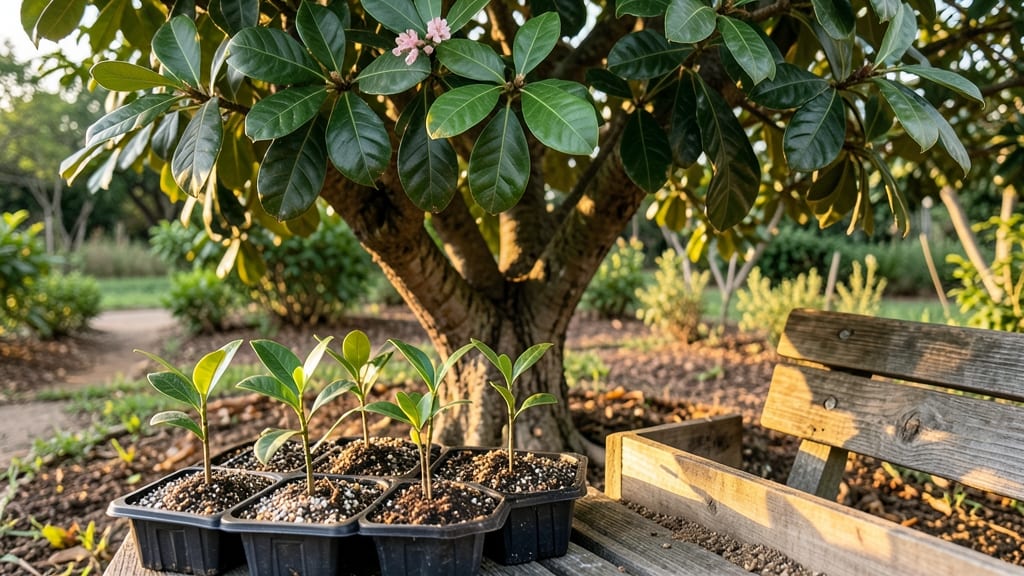
Growing a lychee fruit tree from seed feels like bringing a piece of Hawaii to your backyard—if you live in the right climate. 🌺 The sweet, fragrant fruit is worth the patience, but it takes 10-15 years before your tree bears its first harvest.
That said, the journey is half the fun, especially when you see those glossy leaves unfurl in the heat.
You’ll need a frost-free zone (10-12), well-draining soil, and either a large container or a sunny spot in the ground. Lychees thrive in hot, humid summers and mild winters—think Florida, Southern California, or a greenhouse in cooler climates.
Start with fresh seeds (they won’t sprout from store-bought fruit), and keep them warm and moist until they germinate in 2-3 months.
Once established, your tree will reward you with aromatic white blooms in spring, followed by those iconic spiky fruit pods. With proper pruning and a little help from bees (lychees aren’t self-pollinating), you’ll eventually harvest juicy, snow-white flesh that tastes like a mix of grape and rosewater. Patience pays off—literally.
Container growers can keep their trees in 15-gallon pots for years, while in-ground plants need space to spread. Either way, the key is consistent warmth, good drainage, and protection from cold snaps. Ready to start your tropical obsession?
📚 In This Guide
- What you need
- Instructions
- Tips and common mistakes
- Wrapping up and next steps
What you need
- ● Lychee seeds or saplings: 1-2 fresh lychee seeds (if starting from seed)
- ● OR 1 healthy lychee sapling (3-5 years old for faster fruiting)
- ● Well-draining potting mix: 50% coco coir or peat moss
- ● 30% perlite or coarse sand
- ● 20% compost or organic matter (avoid fresh manure)
- ● Pot or container: 5-7 gallon pot for seedlings (minimum 12" diameter)
- ● OR in-ground planting spot (if in USDA zones 10-12)
- ● Fertilizer: Balanced organic fertilizer (e.g., 6-6-6 or 8-3-9)
- ○ Citrus-specific fertilizer (optional but helpful)
- ● Pruning tools: Sharp bypass pruners (for saplings)
- ● Sterilized saw (for larger branches)
- ● Mulch: 2-3 inches of organic mulch (straw, wood chips, or pine needles)
- ● Watering can or hose with gentle spray nozzle
- ○ pH testing kit (optional but recommended)
- ● Grow lights or shade cloth: For seedlings needing extra protection from direct sun.
- ● Humidity tray or misting bottle: Lychees love humidity!
- ● Slow-release fertilizer tablets for steady nutrient supply.
- ● Pollination aid (paintbrush or small insect attractant) if growing indoors.
- ● Trellis or support stakes: For young trees needing structure.
Step-by-step instructions for cultivating a lychee tree at home
Growing lychees from seed is a rewarding challenge—here’s how to nurture a tropical fruit tree indoors or in warm climates.
🌱 Step 1: Extract and Prepare the Seed
Start with a fresh lychee fruit—choose one with a firm, plump seed inside. Gently twist the seed free from the flesh, then rinse it under cool water to remove any remaining pulp. The key here is timing: plant the seed within 24 hours of extraction for the best germination success. Lychee seeds lose viability quickly once removed from the fruit.
Use a sharp knife to carefully slice the seed’s outer shell without damaging the inner kernel. This step is crucial—if you nick the seed too deeply, it won’t sprout. Place the exposed seed in a small container of lukewarm water for 24-48 hours to soften the shell further. You’ll know it’s ready when the seed feels slightly softer to the touch and the water remains clear (not cloudy from decay).
🪴 Step 2: Plant in a Moist, Well-Draining Medium
Fill a 4-inch diameter pot with a mix of 50% peat moss and 50% perlite—this lightweight blend prevents root rot while retaining enough moisture for germination. Press the softened seed ½ inch deep into the soil, ensuring the pointed end faces upward. Cover the pot loosely with clear plastic wrap to create a humid microclimate, but leave a small gap for airflow.
Place the pot in a location with constant warmth (75-85°F)—a seedling heat mat works wonders here. Keep the soil consistently moist but never soggy; mist the plastic wrap lightly every 2-3 days to maintain humidity. Germination can take 4-12 weeks, so patience is key. You’ll spot the first sign of life when a tiny sprout pushes through the soil, followed by two glossy cotyledons.
☀️ Step 3: Provide Warmth and Bright Light for Seedlings
Once the seedling emerges, remove the plastic wrap immediately to prevent fungal growth. Move the pot to a spot with bright, indirect light—a south-facing window or grow light positioned 6-12 inches away is ideal. Lychee seedlings crave warmth; if your home dips below 65°F at night, use a small space heater or heat lamp to keep temperatures stable.
Water the seedling only when the top inch of soil feels dry, using room-temperature water to avoid shocking the roots. Overwatering is the fastest way to kill a young lychee—yellowing leaves or a mushy stem are red flags. Fertilize lightly with a balanced liquid fertilizer (5-5-5) diluted to half-strength once a month starting at 3 months old. You’ll notice stronger growth and darker green leaves within weeks.
⏰ Step 4: Transplant and Encourage Robust Growth
When the seedling reaches 6-8 inches tall and has 4-6 true leaves, transplant it into a 1-gallon pot with well-draining cactus/succulent mix. Handle the roots gently—lychees are sensitive to disturbance. Prune any leggy stems by pinching back the top set of leaves to encourage bushier growth. This step is often skipped, but it’s what transforms a spindly sapling into a sturdy tree.
After transplanting, place the pot in partial shade for 1 week to help it acclimate. Gradually introduce it to morning sun over the next 2 weeks, then move it to full sun (6+ hours daily) once fully hardened. Lychee trees thrive in USDA Zones 10-12, but with careful winter care (like moving indoors near a sunny window), you can grow one in cooler climates too.
✂️ Step 5: Prune and Care for Fruit Production
By year 3-5, your lychee tree should start flowering—though seed-grown trees may take longer to bear fruit than grafted varieties. Prune in late winter to remove dead or crossing branches, and thin out crowded growth to improve airflow. Lychees need cross-pollination, so if you have only one tree, hand-pollinate flowers with a soft brush in the morning when they’re open.
Fruit will form in spring, but don’t expect a bountiful harvest until years 7-10. To ensure success, maintain consistent moisture (but never waterlogged soil) and fertilize every 2 months with a low-nitrogen, high-potassium blend (like 2-4-4) during fruiting season. Patience pays off—once established, a healthy lychee tree can produce hundreds of fruits annually in the right climate.
Tips & tricks for growing a thriving lychee tree
Growing a lychee tree from seed demands precision—here’s how to avoid common pitfalls and maximize your success.
Seed Preparation: Confession: I skipped the 24-48 hour lukewarm water soak for years and wondered why my seeds never sprouted. That soaking period isn't just about softening the shell—it's a critical hydration step that activates the seed's metabolic processes. Use a clear container so you can monitor the water for cloudiness, which signals decay. If the water stays clear, you're golden—your seed is ready for planting.
Germination Environment: The 75-85°F warmth requirement isn't just a suggestion—it's the sweet spot for lychee seed activation. I learned this the hard way when my first attempt in a 68°F basement took 16 weeks instead of the expected 4-12 weeks. Invest in a seedling heat mat if your home can't maintain this temperature range. And remember: that plastic wrap creates a humid microclimate, but leave that tiny gap for airflow—condensation buildup leads to fungal issues faster than you can say "root rot."
Light Transition Strategy: The instructions mention moving from indirect to direct light, but here's what nobody tells you—lychee seedlings hate sudden light changes. After removing the plastic wrap in Step 3, I recommend a gradual transition: place your seedling near a north-facing window for the first week, then slowly rotate it toward brighter light over 7-10 days. This prevents leaf scorch, which I've seen turn beautiful seedlings into crispy critters overnight.
Transplanting Technique: When your seedling reaches 6-8 inches, that transplant is delicate. The key is to water the original pot thoroughly 24 hours before transplanting—this makes the roots more pliable and reduces shock. As you handle those tiny roots, think "gentle as a whisper" rather than "quick and firm." I've found that using a small trowel to lift the root ball rather than pulling from the bottom preserves more root structure, which translates to faster recovery.
Pro Tips for Grow Lychee Fruit Tree
- Growing a lychee tree from seed demands precision—here’s how to avoid common pitfalls and maximize your success.
- Seed Preparation: Confession: I skipped the 24-48 hour lukewarm water soak for years and wondered why my seeds never sprouted.
- Germination Environment: The 75-85°F warmth requirement isn't just a suggestion—it's the sweet spot for lychee seed activation.
Frequently asked questions
Got questions about growing your own lychee tree? You’re not alone! Here are answers to some of the most common concerns—from patience to pests—so you can nurture your tropical treasure with confidence.
How long does it take for a lychee tree to bear fruit?
A lychee tree grown from seed can take 5–15 years to produce fruit, while grafted trees may bear fruit in 3–5 years. Patience is key—focus on creating ideal conditions (warmth, humidity, and well-draining soil) to speed up the process.
What are the most common pests or diseases affecting lychee trees?
Watch for lychee borers (larvae that tunnel into trunks), scale insects (sticky sap on leaves), and root rot (from overwatering). Prune infected branches, use neem oil for pests, and ensure proper drainage. Early intervention keeps your tree thriving!
Can I grow a lychee tree indoors or in a container?
Lychee trees thrive outdoors in tropical climates, but you can try container growing in a greenhouse or sunroom with bright, indirect light and high humidity. Choose a large pot (15+ gallons) with drainage holes and move it outside during warm months for pollination.
How do I know if my lychee tree is healthy?
A healthy lychee tree has glossy green leaves, no yellowing or wilting, and new growth in spring. Check for pests regularly, water deeply but infrequently, and fertilize with citrus-friendly nutrients. If leaves drop suddenly, it may signal overwatering or nutrient deficiency.
Are there easier tropical fruits to grow for beginners?
If lychees seem too challenging, try papaya (fast-growing, self-pollinating) or guava (hardy and prolific). Both tolerate slightly cooler temps and produce fruit sooner. Lychees are rewarding but require more patience—perfect for intermediate growers!
Wrapping up and next steps
Growing a lychee fruit tree from seed to harvest is a rewarding journey that brings a taste of the tropics to your backyard! With the right climate, soil, and care, you’ll enjoy sweet, fragrant fruit in just a few years.
Start small—plant your seedling, nurture it with patience, and soon you’ll be savoring homegrown lychees straight from the tree.
Ready to take the next step? Order your lychee seeds or saplings today and begin your tropical adventure! 🌱🍈 Whether you’re a seasoned gardener or a curious beginner, your lychee tree awaits—happy growing!