
Propagation
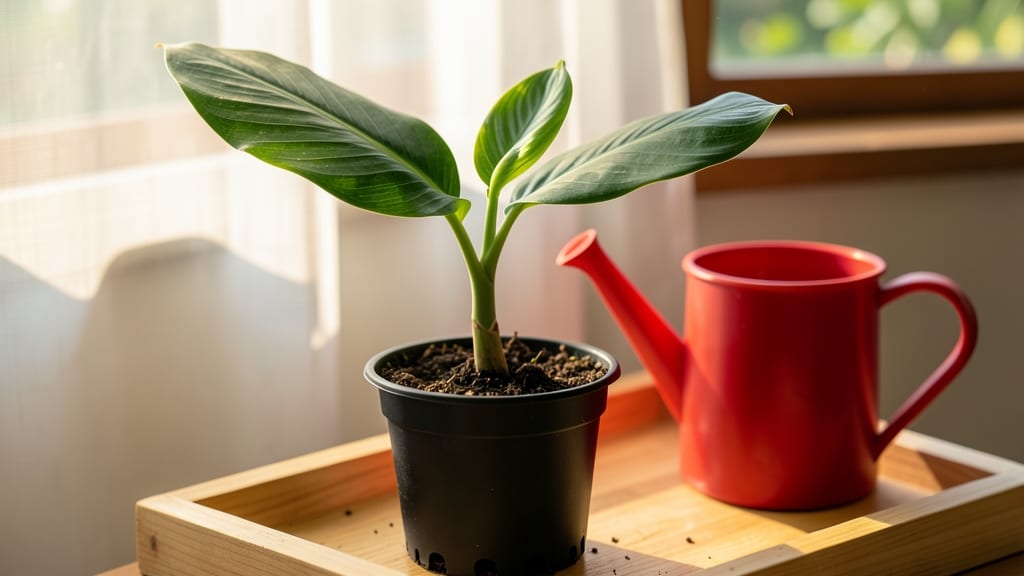
Growing a banana tree from seed unlocks the dream of tropical fruit in your own backyard—even if you live in a cooler climate. 🌱 I’ve watched these plants shoot from a tiny seed into a 6-foot-tall tropical statement piece, and the process is simpler than you’d think, especially with the right prep.
The key to success starts with the right seed—look for fresh, plump seeds from a grocery-store banana (yes, the ones you peel and toss). You’ll need a warm spot (70°F+), a shallow tray with damp paper towels, and patience, since germination can take 4-8 weeks.
Once sprouted, transplant into well-draining soil and keep it moist but not soggy.
By summer, you’ll see broad, glossy leaves unfurling, and with proper care, your seedling could produce small fruit within 3-5 years. Even if you never get bananas, the sheer drama of a banana tree—its towering leaves, dramatic growth, and exotic vibe—makes it worth every step.
Indoor growers can keep their tree near a sunny window, while outdoor gardeners in zones 10-12 can plant it directly in the ground. Just be ready for winter surprises: if frost threatens, bring it inside or protect it with burlap.
The journey from seed to tree is where the real magic happens.
📚 In This Guide
- What you need
- Instructions
- Tips and common mistakes
- Wrapping up and next steps
What you need
- ● Banana seeds: 2–3 fresh, viable seeds (harvested from ripe banana pulp or purchased from a specialty supplier). Pro tip: 💡 Some seeds may not germinate—start with a few!
- ● Seed-starting mix: 1 small pot (4–6 inches in diameter) filled with well-draining, sterile potting soil (or a 50/50 blend of peat moss and perlite).
- ● Plastic wrap or humidity dome: To create a mini greenhouse effect and retain moisture.
- ● Spray bottle: For gentle watering (avoid over-saturating the soil).
- ● Grow lights or sunny windowsill: A spot with warmth (75–85°F) and bright, indirect light (6+ hours daily).
- ● Small plastic container: With a lid (e.g., a takeout container) to hold the seed-starting mix and seeds before planting.
- ● Heating mat: Keeps soil warm (ideal for faster germination).
- ● Fertilizer (balanced, water-soluble): Diluted to half-strength for young seedlings (e.g., 10-10-10 NPK).
- ● Tweezers or toothpick: For carefully placing tiny seeds into the soil.
- ● Labels & marker: To track planting dates and seed varieties.
- ○ Fungicide (optional): A light spray to prevent mold if humidity is high.
Step-by-step instructions for growing banana trees from seed
Here's how to turn a tiny seed into a towering tropical plant—with patience and the right care.
🌱 Step 1: Extract and Soak the Seed for Germination
Banana seeds are encased in a thick, fibrous husk. Carefully peel it back to reveal the seed inside—it looks like a small, hard bean. Place the seed in a small bowl and cover it with lukewarm water (about 80°F). Soak it for 3-5 days, changing the water daily. You'll see the outer coating soften and the seed swell slightly, signaling it's ready to sprout.
I know it seems counterintuitive to wait this long, but soaking breaks dormancy. Without this step, germination can take months—or never happen at all. Keep the bowl in a warm spot, like near a sunny window or on top of a refrigerator. The seed is ready when it feels slightly spongy to the touch and you see a tiny crack forming.
☀️ Step 2: Plant the Germinated Seed in Moist Potting Mix
Fill a small 4-inch pot with a well-draining seed-starting mix. Press the mix down gently so it's firm but not compacted—you want roots to push through easily. Make a small hole about ½ inch deep in the center of the pot. Place the soaked seed inside, covering it with just enough mix to hold it in place (don't bury it deeply).
Water the pot gently until the soil feels evenly moist but not soggy. The key here is consistency—banana seeds hate drying out. Place the pot in a warm, humid spot, like a greenhouse or a sealed plastic bag with a few air holes. Keep the soil temperature around 75-85°F for best results. You should see sprouts emerge within 2-4 weeks, though some seeds take longer.
💧 Step 3: Provide Warmth and Humidity for Seedling Growth
Once the seedling breaks through the soil, remove any plastic cover immediately to prevent fungal growth. Place the pot under bright, indirect light—a south-facing window or a grow light set to 12-14 hours daily. Banana seedlings are tropical and need warmth to thrive. If your home runs cooler than 65°F, consider using a seedling heat mat to keep the soil warm.
Water the seedling when the top inch of soil feels dry to the touch. Mist the leaves lightly with water a few times a week to maintain humidity, especially if your home is dry. You'll notice the first true leaves (not the initial seed leaves) appear in about 4-6 weeks. These leaves are broad and dark green—your signal that the plant is establishing its energy system.
🪴 Step 4: Transplant and Gradually Acclimate to Outdoor Conditions
When the seedling reaches about 6 inches tall and has 4-5 true leaves, it's time to move it to a larger pot, around 6-8 inches in diameter. Use a well-draining potting mix and water the seedling thoroughly before transplanting. Handle the pot gently to avoid disturbing the roots—banana plants are sensitive to root damage.
If you're in a warm climate, you can gradually introduce the seedling to outdoor conditions by placing it in a sheltered spot for a few hours a day. Start with 1-2 hours of morning sun and increase the time slowly over 2-3 weeks. Watch for signs of stress, like yellowing leaves or wilting, which mean it's adjusting too quickly. Once the seedling tolerates full sun without wilting, it's ready for its permanent outdoor home.
✂️ Step 5: Maintain and Protect Your Young Banana Tree
Banana trees need full sun (6+ hours daily) and protection from frost. If temperatures drop below 50°F, bring the pot indoors or cover it with a frost cloth. Water deeply when the top 2 inches of soil feel dry, but avoid letting the plant sit in standing water—root rot is a common issue. Fertilize lightly every 2 months with a balanced, water-soluble fertilizer to encourage healthy growth.
Here's the thing—banana trees grow fast, but they take years to produce fruit. Be patient. You'll know you're on the right track when the plant develops a pseudostem (the thick, false trunk) and large, dramatic leaves. With the right care, your seedling could reach 10 feet tall within a few years, bringing that tropical promise to life.
Tips & tricks for growing banana trees from seed
Patience is your biggest ally when nurturing a banana tree from seed—here's how to maximize your chances of success.
Soaking Strategy: The 3-5 day soaking period isn't just about breaking dormancy—it's about preparing the seed for germination. I've found that changing the water daily isn't just about cleanliness; it's about maintaining consistent oxygen levels around the seed. If you notice mold developing, simply rinse the seed and start fresh. The key visual cue is when the seed feels spongy and you see that first tiny crack—this is your signal to plant immediately.
Pot Selection: While the instructions call for a 4-inch pot, I recommend using a slightly larger container (5-6 inches) if possible. Banana roots grow quickly and can become root-bound surprisingly fast. Make sure the pot has drainage holes—banana seeds and seedlings are particularly susceptible to root rot if they sit in soggy soil. Terracotta pots work beautifully as they allow excess moisture to evaporate.
Light Management: The 12-14 hours of daily light is crucial, but don't be fooled into thinking more is better. Banana seedlings are tropical plants that prefer bright, indirect light. If you're using a grow light, position it about 6-12 inches above the plant and adjust as it grows. Direct sunlight through a window can scorch delicate seedlings—watch for leaves that turn yellow or crispy at the edges. Rotate your pot every few days to ensure even growth.
Transplant Timing: Waiting until your seedling reaches 6 inches with 4-5 true leaves ensures it has enough energy reserves to handle the transplant shock. I've seen many growers rush this step and end up with stunted growth. When moving to the larger 6-8 inch pot, use the same well-draining mix and water thoroughly before transplanting. The first few days after transplanting are critical—keep the soil consistently moist but not waterlogged during this adjustment period.
Pro Tips for Grow A Banana Tree From Seed
- Patience is your biggest ally when nurturing a banana tree from seed—here's how to maximize your chances of success.
- Soaking Strategy: The 3-5 day soaking period isn't just about breaking dormancy—it's about preparing the seed for germination.
- Pot Selection: While the instructions call for a 4-inch pot, I recommend using a slightly larger container (5-6 inches) if possible.
Frequently asked questions
Got questions about growing banana trees from seed? You’re not alone!
Here are answers to the most common concerns—so you can grow with confidence and avoid pitfalls.
How long does it take for a banana seed to sprout?
A banana seed (or "heart") typically sprouts within 2–4 weeks if kept warm (70–85°F) and moist. Patience is key—some stubborn seeds take up to 6–8 weeks. If nothing happens after 2 months, check moisture levels or try a fresh seed (some may be non-viable).
Will my banana tree from seed ever produce fruit?
Probably not in your lifetime! Seed-grown banana trees are sterile (they won’t bear fruit) because they’re triploid hybrids. For edible bananas, you’ll need to propagate from suckers or buy a mature tree. Think of seed-grown trees as ornamental tropical plants with huge leaves!
Can I grow a banana tree indoors?
Yes, but it’s tricky! Banana trees need bright, indirect light (a south-facing window or grow lights) and high humidity (mist leaves or use a pebble tray). They’ll grow slower indoors and may not reach full height. If space is tight, opt for dwarf varieties like Musa acuminata or keep it in a large pot (15+ gallons).
Why are my banana tree leaves turning yellow or brown?
Yellow/brown leaves usually signal overwatering, underwatering, or nutrient deficiencies. Check the soil—it should stay evenly moist but not soggy. Brown edges? Low humidity or fluoride in tap water. Feed with a balanced fertilizer (20-20-20) every 2–3 months. Pests like spider mites can also cause stress—spray with neem oil if needed.
What’s the best alternative if I can’t find banana seeds?
No banana seeds? No problem! Try these easy alternatives:
- Buy a potted banana tree (check local nurseries or online retailers).
- Propagate from suckers (shoots at the tree’s base)—this guarantees fruit!
- Grow other tropical plants from seed, like bird of paradise or monstera.
Wrapping up and next steps
Growing a banana tree from seed is a rewarding journey that blends patience, care, and a little tropical magic! 🌱 With the right conditions—warmth, humidity, and consistent attention—you’ll witness firsthand how a tiny seed can transform into a thriving plant.
Remember, even if your first attempt isn’t perfect, each step teaches you more about nurturing life from scratch.
Ready to take the next step? Once your seedling is strong and healthy, consider transplanting it into a larger pot or garden bed to give it room to grow. And who knows? With time, you might just harvest your own bananas—what a delicious (and satisfying!) payoff! 🍌✨