
Trees
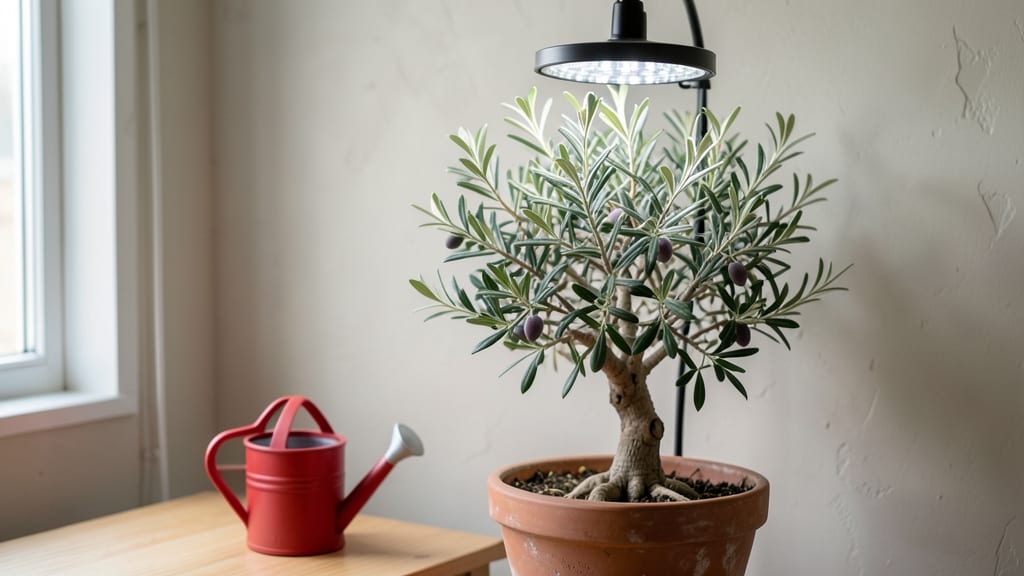
Growing an olive tree indoors isn't just possible—it's your chance to bring Mediterranean charm to any windowsill. 🌿 I've nurtured mine through three winters now, and the secret isn't complicated: it's about mimicking the tree's natural environment without the full sun or dry heat of the outdoors.
The right dwarf variety in a well-draining pot transforms what could be a high-maintenance project into something surprisingly manageable, even for beginners.
Start with a dwarf Arbequina or Little Ollie variety—they stay compact (under 6 feet tall) and thrive in containers.
You'll need a 10-15 gallon pot with drainage holes, a mix of cactus soil and perlite for airflow, and a south-facing window where the tree gets 6-8 hours of sunlight daily. The biggest mistake?
Letting the soil dry out completely between waterings—olives hate soggy roots but also can't tolerate thirst. A moisture meter helps, but I've learned to check the top inch of soil with my finger instead.
With the right care, your olive tree will reward you with silver-green leaves, occasional white flowers, and—if you're patient—tiny, dark purple olives. Mine produced its first harvest last year, and the flavor was shockingly rich for a houseplant.
The key is consistency: regular pruning to maintain shape, occasional fertilizing in spring/summer, and keeping humidity up with a pebble tray during dry winter months. It's not instant gratification, but the payoff makes it worth every bit of attention.
Works beautifully in kitchens, sunrooms, or even bright offices—just avoid drafty spots. Here's where we'll cover everything from selecting your first tree to troubleshooting yellowing leaves, so you can enjoy sun-kissed perfection year-round without the Mediterranean climate. Let's get started!
📚 In This Guide
- What you need
- Instructions
- Tips and common mistakes
- Wrapping up and next steps
What you need
- ● Olive Tree Seedling or Grafted Plant: 1 dwarf olive tree (e.g., Olea europaea 'Arbequina' or 'Frantoio'—look for "dwarf" or "miniature" varieties). Age: 1–3 years old (younger plants adapt better to indoor conditions).
- ○ Container: 1 pot with drainage holes (10–15 inches in diameter for mature trees). Material: Terracotta (breathable) or ceramic (aesthetic + durable). Optional: A cache pot (decorative outer pot) for style points.
- ● Well-Draining Soil: 1 bag of cactus/succulent mix (or regular potting soil + 30% perlite/pumice). pH: 6.0–8.0 (olives prefer slightly alkaline soil).
- ● Grow Lights (if natural light is limited):strong> 1 full-spectrum LED grow light (12–16 hours/day, 12–18 inches above the plant).
- ● Basic Tools: 1 small trowel or spoon (for planting). 1 pair of pruning shears (sterilized with rubbing alcohol). 1 spray bottle (for misting).
- ● Sunlight: A south- or west-facing window (6+ hours of direct light daily). No sunny spot? A grow light saves the day!
- ● Temperature: Keep it cozy—60–75°F (15–24°C). Avoid drafts or cold windowsills.
- ● Patience: Olive trees grow slowly! Expect 1–2 inches of growth per year (but they live for decades—worth it!).
- ● Watering Knowledge: Overwatering is the #1 killer. Let the top 1–2 inches of soil dry out before watering again.
Step-by-Step instructions for cultivating a thriving indoor olive tree
Here’s how to coax a sun-loving olive tree to flourish indoors—no outdoor space required.
🪴 Step 1: Select the Right Container and Soil Mix
Choose a 12-15 inch diameter pot with drainage holes—olive trees hate soggy roots. I opt for terracotta because it breathes and prevents moisture buildup. The well-draining soil mix is critical: combine 50% cactus/succulent mix, 30% perlite, and 20% coarse sand (or pumice). This mimics the Mediterranean soil olives thrive in.
Fill the pot halfway with your mix, then tap the container gently to settle it. The goal is a loose, aerated medium that lets excess water drain away immediately. If you skip this step, roots will suffocate and rot within weeks. I always add a handful of granular fertilizer (low nitrogen, high phosphorus) to the bottom layer for a slow-release boost.
☀️ Step 2: Position for Maximum Light Exposure
Olives demand full sun—at least 6-8 hours daily—so place your tree within 2 feet of a south-facing window or under a grow light (LED full-spectrum, 12-14 hours/day). Without enough light, leaves yellow and growth stalls. I’ve seen olives stretch toward windows like desperate sun-worshippers, so rotate the pot a quarter turn weekly to encourage even growth.
If natural light is weak, supplement with a 15-watt LED bulb positioned 6-8 inches above the canopy. You’ll notice new leaves emerging bright green and compact—a sign your light is perfect. If leaves pale or grow leggy, your tree needs more intensity. Real talk: Indoor olives often struggle with light, so don’t skimp here.
💧 Step 3: Master the Watering Schedule
Water when the top 2-3 inches of soil feel dry—olives despise soggy conditions. Stick your finger in: if it’s damp below 1 inch, wait another day. I use the "soak-and-dry" method: water deeply until it drains from the bottom, then let excess pool in the saucer evaporate before emptying it. Overwatering is the #1 killer of indoor olives.
Reduce watering in winter when growth slows—every 10-14 days is often enough. You’ll spot underwatering as crispy leaf edges or drooping branches, while overwatering shows as yellowing leaves or mushy stems. Here’s the thing—olives store water in their trunks, so they’d rather thirst than drown. Adjust based on your home’s humidity; dry air means more frequent checks.
✂️ Step 4: Prune for Shape and Health
Prune twice yearly: in early spring to shape and in late winter to remove dead growth. Use clean, sharp pruners to snip just above a leaf node (where new growth emerges). I cut back 1/3 of the new growth annually to encourage bushiness. Never prune in fall—it stresses the tree before dormancy.
Watch for suckers (shoots growing from the base) and remove them immediately—they drain energy from fruit production. After pruning, give your tree a balanced fertilizer (like 10-10-10) to fuel recovery. You’ll see compact, sturdy branches within months if you prune correctly. Skip this, and your olive becomes a lanky, unruly mess.
🌿 Step 5: Encourage Flowering and Fruit (With Patience)
Indoor olives rarely fruit without cold treatment: mimic winter by moving the tree to 50-55°F for 4-6 weeks in late fall. This triggers flowering. Afterward, return it to 65-75°F and resume normal care. Flowers appear as tiny white clusters—don’t panic if they drop; olives are finicky about pollination indoors.
If fruit forms, leave 2-3 olives per branch to mature; the rest will fall naturally. Harvest when fully black and plump (about 6-8 months after flowering). Here’s the catch: Indoor olives may never fruit heavily, but the process is rewarding. I’ve had one tree produce a dozen olives in a single season—proof it’s possible with the right conditions.
Tips & tricks for perfect indoor olive trees
Between us, growing an olive tree indoors isn't just about following steps—it's about understanding the subtle cues your tree gives. Here's what nobody tells you about keeping your Mediterranean beauty thriving in pots.
Soil Mix Secrets: The 50-30-20 soil ratio in Step 1 isn't just arbitrary—it's about mimicking the olive's native rocky terrain. I've found that adding a handful of crushed granite grit (available at garden centers) to the mix improves drainage even further. This prevents that dreaded "soggy root" scenario while keeping the soil structure perfect for olive roots. The key is to mix thoroughly so every part of the pot benefits from this aeration.
Light Exposure Hack: That 6-8 hours of daily light in Step 2 is non-negotiable, but here's the thing about indoor light: it's rarely consistent. I've solved this by placing my olive tree on a rotating plant stand that turns automatically every 12 hours. This ensures all sides get equal exposure without me having to remember to rotate it weekly. You'll notice leaves developing more uniformly and that telltale bright green color we're all chasing.
Watering Wisdom: The "soak-and-dry" method in Step 3 works wonders, but timing is everything. I've learned to water in the morning so any excess moisture has all day to evaporate. Here's what I watch for: if condensation forms on the inside of the pot after watering, that's your sign you're overdoing it. Also, use room temperature water—cold water can shock the roots, especially in winter when growth slows.
Pruning Pro Tip: When you're pruning that 1/3 of new growth in Step 4, save those trimmings! Place them in a jar of water with a drop of rooting hormone, and you'll have baby olive trees in about 6-8 weeks. I've propagated three successful trees this way. Just be patient—olive cuttings are slow to root compared to other plants. The best time to do this is right after your spring pruning when the tree is full of energy.
Pro Tips for Grow An Olive Tree Indoors
- Between us, growing an olive tree indoors isn't just about following steps—it's about understanding the subtle cues your tree gives.
- Soil Mix Secrets: The 50-30-20 soil ratio in Step 1 isn't just arbitrary—it's about mimicking the olive's native rocky terrain.
- Light Exposure Hack: That 6-8 hours of daily light in Step 2 is non-negotiable, but here's the thing about indoor light: it's rarely consistent.
Frequently asked questions
Got questions about nurturing your own indoor olive tree? You’re not alone—many first-time growers wonder how to keep their leafy friend thriving! Here are answers to the most common queries to help you master this sun-soaked adventure.
How much sunlight does an indoor olive tree really need?
Olive trees are sun-worshippers! Aim for 6–8 hours of bright, indirect light daily—think south- or west-facing windows. If natural light is scarce, supplement with a grow light (12–14 hours/day). Yellowing leaves? It’s a cry for more light!
How long does it take for an olive tree to bear fruit indoors?
Patience, young gardener! Indoor olive trees (especially dwarf varieties) may take 5–10 years to produce fruit—if they’re happy and well-cared-for. Focus on healthy growth first; fruit is the cherry on top! Pro tip: Prune regularly to encourage bushier, fruit-bearing branches.
Why are my olive tree’s leaves turning brown and crispy?
Brown, crispy leaves usually mean overwatering or underwatering. Olive trees prefer well-draining soil and water only when the top 1–2 inches are dry. Check for root rot if soil stays soggy. Too much sun can also scorch leaves—adjust their spot if they’re near a hot window!
Can I grow a full-sized olive tree indoors, or should I stick to dwarf varieties?
Full-sized olive trees (20+ feet tall) are not practical indoors—they’ll outgrow your space fast! Opt for dwarf varieties like ‘Arbequina’ or ‘Little Ollie,’ which max out at 6–8 feet with proper pruning. Bonus: They’re easier to harvest and maintain!
What’s the best soil mix for an indoor olive tree?
Olive trees hate soggy roots, so use a fast-draining mix: Combine 50% potting soil, 30% perlite or pumice, and 20% sand. Add a handful of orchid bark for extra aeration. Terracotta pots help wick away excess moisture—perfect for preventing root rot!
Are indoor olive trees prone to pests, and how do I prevent them?
Indoor olive trees can attract spider mites, mealybugs, or scale, especially in dry air. Prevent pests by:
- Misting leaves occasionally (but avoid overwatering).
- Wiping leaves with neem oil (diluted) every 2–3 months.
- Isolating new plants for 2 weeks to spot hitchhikers.
Wrapping up and next steps
Growing an olive tree indoors isn’t just a hobby—it’s a rewarding journey that brings a taste of the Mediterranean to your home. 🌿 With the right dwarf variety, sunlight, and care, you’ll nurture a thriving plant that offers beauty, fresh olives, and even fragrant blossoms.
The key is patience and consistency, but trust us: every prune, water, and sunny window is worth it!
Ready to take the next step? Start with a healthy sapling, set up your ideal growing spot, and watch your olive tree flourish. Share your progress with fellow plant lovers—your green thumb will inspire others! 🌱