
Size
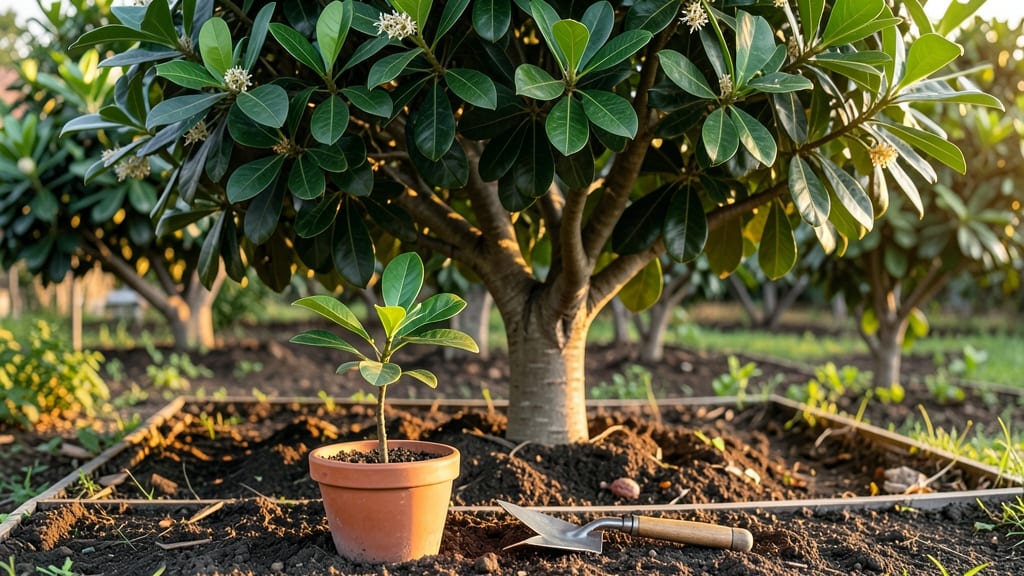
Growing a lychee tree from seed is like nurturing a tiny tropical dream—one that can actually bear fruit in your backyard. 🌱 I’ve watched these delicate seedlings transform into towering trees heavy with fragrant, spiky-skinned gems, and I’m here to share the exact steps that work, even in less-than-ideal climates.
The key? Patience, the right soil mix, and a few clever tricks to fool Mother Nature into thinking she’s in Southeast Asia.
You’ll need a warm spot—lychees thrive in USDA zones 10-12, but with container growing or microclimates, you can push the limits. Start with a seed (or a nursery tree if you’re impatient), a well-draining potting mix, and a sunny window or greenhouse.
The first year is all about establishing roots, not fruit—think of it as laying the foundation for a future harvest of sweet, jelly-like perfection. Even in cooler zones, a large pot near a south-facing wall can work, though you’ll need to bring it indoors before frost.
By year three, with proper care, you might see your first blossoms—tiny white flowers that smell like honey. With consistent watering (but never soggy soil) and monthly feedings of citrus-specific fertilizer, those flowers could turn into lychees. The payoff?
Homegrown fruit that tastes nothing like the canned version, with a texture like a cross between a grape and a peach. The journey takes years, but the reward is worth every pruning session and frost watch.
Container growing is totally doable—just plan for a 15-gallon pot minimum and upgrade as the tree grows. In colder climates, overwintering indoors with bright light is a must.
And yes, it’s worth the wait: even a single lychee plucked fresh from your tree changes how you think about tropical fruit forever. Ready to start your own?
📚 In This Guide
- What you need
- Instructions
- Tips and common mistakes
- Wrapping up and next steps
What you need
- ● Lychee seeds: 2–3 fresh, plump seeds (harvested from ripe fruit within 24 hours).
- ● Seed-starting mix: 1 small pot (4–6 inches wide) filled with well-draining, sterile potting soil (e.g., 50% peat moss, 30% perlite, 20% coconut coir).
- ● Plastic wrap or humidity dome: To create a mini greenhouse effect.
- ● Spray bottle: For gentle watering (avoid soaking the soil).
- ● Grow lights or sunny windowsill: A south-facing window or LED grow light (12–16 hours/day) for seedlings.
- ● Fertilizer: Balanced liquid fertilizer (10-10-10) or organic options like fish emulsion (diluted to half-strength).
- ● Permanent pot or garden space: A 5-gallon container (for containers) or well-draining soil (for in-ground planting) with a pH of 5.5–6.5.
- ● Pruning shears: For shaping and maintaining the tree as it grows.
- ● Rooting hormone: Speeds up germination (dip seeds before planting).
- ● Soil moisture meter: Ensures optimal hydration without overwatering.
- ● Mulch (e.g., pine bark or straw): Retains moisture and regulates soil temperature.
- ● Pest control (neem oil or insecticidal soap): Protects against aphids, scale, or mites.
- ● Trellis or support stake: Helps young trees stand upright as they grow.
Step-by-step instructions for cultivating lychee trees from seed
Here's how I've successfully sprouted lychee seeds into sturdy saplings—even in cooler climates.
🌱 Step 1: Extract and Prepare the Seed
Start with a fresh lychee fruit and remove the large, dark seed. Rinse it thoroughly under running water to remove any remaining fruit pulp. Here's the thing—lychee seeds have a hard outer shell that needs to soften before sprouting. I soak mine in warm water for 24-48 hours, changing the water every 12 hours to prevent mold. You'll know it's ready when the shell feels slightly softer and the seed begins to sink.
After soaking, gently rub the seed between two paper towels to remove the outer skin. This exposes the inner seed coat, which will help with faster germination. Place the prepared seed between two damp paper towels in a sealed plastic bag. Keep it in a warm spot—around 75-80°F—and check daily. You should see the first signs of sprouting in 7-14 days, when a tiny white root emerges.
🪴 Step 2: Plant the Germinated Seed
Once the root reaches about ½ inch long, it's time to plant. Use a small pot—3-4 inches deep—filled with a well-draining tropical potting mix. I like to mix in a little perlite or sand to ensure excess water drains quickly. Make a small hole in the center of the pot, about 1 inch deep, and place the seed root-down into the hole.
Cover the seed lightly with soil, leaving the top half exposed. Press gently around the seed to secure it without compacting the soil too much. Water lightly until the soil feels evenly moist but not soggy. Place the pot in a warm, bright spot—indirect sunlight is best at first. Avoid direct sun until the seedling is established, as it can scorch the tender new growth.
☀️ Step 3: Provide Ideal Growing Conditions
Lychee seedlings thrive in warmth and humidity, so keep the pot in a location where temperatures stay between 70-85°F. If your home runs cooler, consider using a seedling heat mat to maintain consistent warmth. You'll notice the first true leaves emerge in 4-6 weeks—these will be small and delicate, so avoid disturbing them.
Water the seedling when the top ½ inch of soil feels dry to the touch. Overwatering is a common mistake—lychee roots are sensitive to rot, so always ensure the pot has drainage holes. Once the seedling reaches 6 inches tall, you can gradually introduce it to morning sunlight for a few hours a day. This helps harden the plant for future outdoor conditions.
🌿 Step 4: Transplant and Care for Long-Term Growth
After 3-4 months, when the seedling has 4-5 true leaves, it’s ready for its first transplant. Choose a slightly larger pot—5-6 inches deep—and use the same tropical potting mix. Gently remove the seedling from its original pot, being careful not to damage the roots. Place it in the new pot and fill in around the base with soil, pressing lightly to secure it.
Continue keeping the lychee tree in a warm, humid environment. If you plan to grow it outdoors eventually, wait until temperatures stay consistently above 60°F at night. Lychee trees are tropical and won’t tolerate frost. In cooler climates, you may need to grow it in a large container and bring it indoors during winter. Prune any leggy growth to encourage a bushier shape, and fertilize lightly with a balanced 20-20-20 fertilizer every 2 months during the growing season.
Tips & tricks for growing lychee trees from seed
These practical insights will help you turn that single seed into a thriving tropical tree—even if you're not in a warm climate.
Soaking Strategy: The 24-48 hour soaking period is crucial for breaking down the seed's tough outer shell. I've found that using lukewarm water (around 80°F) speeds up the process—cold water can slow germination. Change the water every 12 hours to prevent bacterial growth, which I learned the hard way after seeing mold develop on my first attempt. Once the seed begins to sink, it's ready for the next step, and you'll notice the shell feels noticeably softer when you gently press it between your fingers.
Germination Environment: While the instructions mention keeping the seed in a warm spot (75-80°F), I've had better success using a seedling heat mat set to 80°F. This consistent warmth mimics tropical conditions and speeds up germination to about 7-10 days instead of the full 14 days. Place the sealed bag with the damp paper towels on the heat mat, and you'll see that first white root emerge faster. Just be sure to check daily for condensation—if the bag gets too damp, open it slightly to prevent mold.
Transplant Timing: The 3-4 month mark for the first transplant might feel like forever, but patience pays off here. I've seen seedlings that were transplanted too early struggle with root shock. Wait until you have 4-5 true leaves and the plant reaches about 6 inches tall—this indicates strong enough roots to handle the move. When transplanting to the 5-6 inch pot, I like to add a handful of perlite to the new mix to ensure excellent drainage, which prevents the root rot that's killed many of my early attempts.
Outdoor Transition: When moving your lychee tree outdoors, don't rush into full sun exposure. I gradually introduce my seedlings to morning sunlight over a week, starting with just an hour or two. This hardening process helps prevent sunburn on the tender leaves. And remember, those nighttime temperatures must stay above 60°F—lychee trees are tropical through and through, so be prepared to bring potted trees indoors if frost threatens in your area.
Pro Tips for Grow A Lychee Tree
- These practical insights will help you turn that single seed into a thriving tropical tree—even if you're not in a wa...
- Soaking Strategy: The 24-48 hour soaking period is crucial for breaking down the seed's tough outer shell. I've found...
- Germination Environment: While the instructions mention keeping the seed in a warm spot (75-80°F), I've had better su...
Frequently asked questions
Got questions about growing your own lychee tree? You’re not alone—this tropical fruit is fascinating but comes with unique challenges! Below, we’ve answered the most common questions to help you troubleshoot, plan, and succeed in your lychee-growing journey.
Can I grow a lychee tree from seed in my climate?
Lychees thrive in USDA Zones 10-12 (tropical/subtropical climates), but with patience and care, you can try growing them in cooler zones (7-9) as a container plant. Start seeds indoors in spring, then move outdoors during warm months. Expect slower growth and smaller fruit—lychees need warmth, humidity, and full sun (6+ hours daily) to flourish.
How long does it take for a lychee tree to bear fruit?
Patience is key! Seed-grown lychee trees typically take 5–10 years to bear fruit, while grafted trees may fruit in 3–5 years. Factors like soil quality, sunlight, and temperature accelerate the process. Prune regularly to encourage strong growth, and fertilize with citrus-specific nutrients (high in nitrogen early, potassium later).
Why isn’t my lychee tree growing? Troubleshooting tips
Slow growth often stems from poor drainage, cold drafts, or nutrient deficiencies. Check these fixes:
Yellow leaves? Overwatering or root rot—let soil dry slightly between waterings.
Dropping buds? Low humidity or sudden temperature drops (keep above 50°F/10°C).
Leggy or weak? Needs more sunlight—move to a sunnier spot or supplement with grow lights.
Pro tip: Lychees love acidic soil (pH 5.5–6.5). Test your soil and amend with peat moss or pine needles if needed.
Do lychee trees need a pollinator to produce fruit?
Most lychee varieties are self-pollinating, but cross-pollination can boost yields. If growing multiple trees, plant different varieties (like ‘Brewster’ or ‘Kwai Mai Pink’) nearby. For container growers, gently shake branches during bloom to aid pollination.
What’s the best alternative if lychees won’t grow in my area?
If your climate is too harsh for lychees, try these low-maintenance tropical alternatives:
- Longan (lychee’s cousin, more cold-hardy).
- Mangosteen (slower-growing but stunning fruit).
- Citrus trees (lemons, oranges—easier for beginners).
- Pitaya (dragon fruit) (grows well in containers).
Bonus: Some nurseries sell dwarf lychee varieties better suited for pots and cooler climates!
Wrapping up and next steps
Growing a lychee tree from seed is a rewarding journey that blends patience with tropical charm!
With the right climate, soil, and care, you’ll nurture a plant that could one day bear those sweet, fragrant fruits. Remember: it takes years for a seedling to mature, but every watering, pruning, and sunny day brings you closer to success.
Ready to take the next step? Start small: plant your seedling in a pot to monitor its progress, then gradually transition it to the ground once it’s strong enough. And if you’re eager for faster results, consider grafting—it speeds up fruiting! 🌱✨ Happy growing!