
Propagation
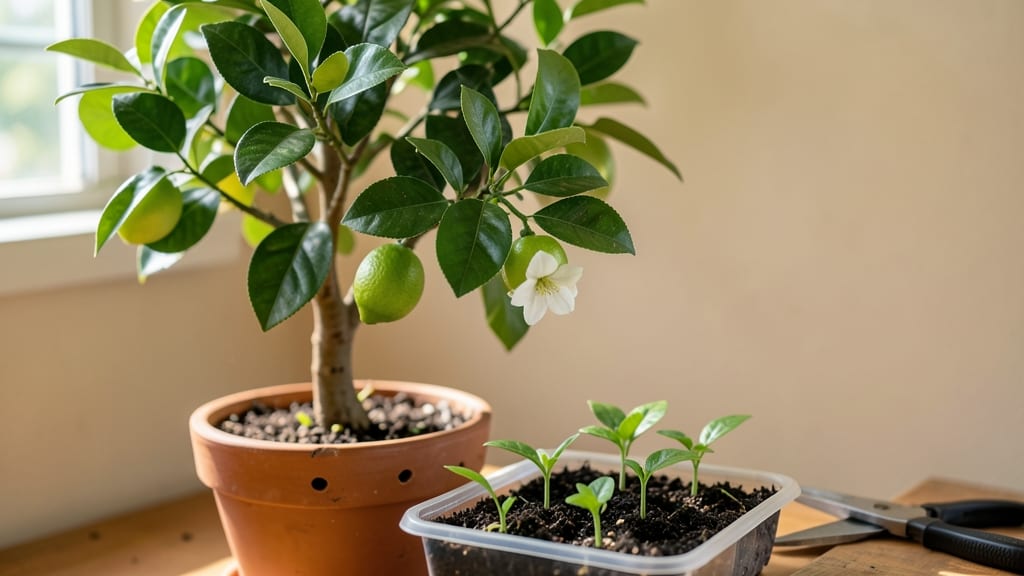
Growing a lemon tree indoors from seed is the ultimate patience test—and the most rewarding gardening project you’ll ever tackle. 🌱 The first green shoot after six weeks of waiting feels like magic, especially when you realize this tiny seed could one day produce real lemons.
I’ve grown three from seed, and while they won’t bear fruit for years, the journey is worth every day spent watching roots tangle through clear plastic cups.
The secret to success starts with the right setup: a sunny south-facing window, a mix of potting soil and perlite for drainage, and a spray bottle to keep seeds moist without drowning them. Most beginners overwater, thinking citrus needs tropical humidity—actually, soggy soil is the #1 killer of young seedlings.
My first attempt failed because I used regular garden soil, which compacted and suffocated the roots. Since then, I’ve perfected a light, airy mix that lets roots breathe while holding enough moisture to prevent wilting.
By day 60, you’ll have a 6-inch sapling with glossy leaves that could easily pass for a nursery plant. The real payoff comes in years three to five, when you’ll finally see those first tiny white flowers—though fruit may take even longer.
Even if it never bears lemons, the tree becomes a living centerpiece, its fragrant leaves filling your home with a zesty scent that’s pure summer in a pot. The key is consistency: same spot, same watering routine, and no rushing the process.
This method works for Meyer lemons, Eureka, or any citrus seed you can find—just know that seed-grown trees take 5-10 years to fruit, while grafted trees produce in 2-3 years. If you’re impatient, I’ll share my go-to grafting shortcut in the troubleshooting section.
For now, focus on giving your seedling the same care you’d offer a delicate houseplant—because that’s exactly what it is, in its early days.
📚 In This Guide
- What you need
- Instructions
- Tips and common mistakes
- Wrapping up and next steps
What you need
- ● Lemon seeds: 3–5 fresh, organic seeds (from a ripe, organic lemon for best results).
- ● Seed-starting mix: 1 small bag (1–2 quarts) of sterile, well-draining potting soil (look for a mix labeled for seeds or seedlings).
- ● Small pots or seed trays: 2–4 biodegradable pots (2–3 inches wide) or a seed tray with cell inserts.
- ● Plastic wrap or humidity dome: A small plastic bag or a clear lid to create a mini greenhouse effect.
- ● Spray bottle: For gently misting seeds (8–12 oz size).
- ○ Grow lights (optional but helpful): A compact LED grow light (12–15 watts) or a simple fluorescent bulb if natural light is limited.
- ● Small hand trowel or spoon: For planting seeds without disturbing them.
- ● Label markers & tags: To track planting dates (waterproof markers work best!).
- ○ Heat mat (optional): A seedling heat mat (set to 70–75°F) to speed up germination.
- ● Fertilizer (after germination): A balanced, water-soluble fertilizer (5-5-5 or 10-10-10) for young seedlings.
- ○ Misting sprayer (optional): For maintaining humidity if your space tends to dry out.
Step-by-step instructions for growing lemon trees indoors from seed
Here's how to coax a citrus tree from seed—no green thumb required.
🌱 Step 1: Extract and Prepare the Seed
Start with a fresh lemon seed—pick one from a ripe fruit you've eaten (the ones floating in your water glass are perfect). Rinse it thoroughly to remove all fruit residue, then let it dry completely for 24 hours. This prevents mold and speeds up germination.
Here's the thing—lemon seeds have a tough outer coating. I like to nick the seed lightly with a sharp knife or sandpaper on one side to help water penetrate. Don't slice through it completely, just scratch the surface. Soak the seed in lukewarm water for 12-24 hours until it plumps up noticeably. You'll see it swell slightly—this is your signal it's ready to plant.
🪴 Step 2: Plant in Moistened Starting Mix
Fill a small pot (3-4 inches deep) with well-draining potting mix—I use a blend of 50% peat moss and 50% perlite for citrus. Moisten the mix until it feels like a damp sponge, but not soggy. Press it down gently to remove air pockets, then make a ¼-inch deep hole in the center.
Place your prepared seed in the hole with the nick facing downward. Cover it with just enough mix to hide it completely—no need to bury it deep. Water lightly until the surface looks evenly moist. Here's the trick: place the pot in a clear plastic bag and seal it loosely. This creates a mini greenhouse that keeps humidity high and warmth consistent.
☀️ Step 3: Provide Warmth and Indirect Light
Lemon seeds germinate best in warmth (70-80°F). I place mine on top of my refrigerator or near a heat vent—just avoid direct drafts. Keep the bagged pot in bright, indirect light (like an east-facing window) for 7-14 days. You'll know it's working when you see a tiny sprout pushing through the soil.
Once the seedling emerges, remove the plastic bag immediately. Too much humidity now causes damping-off, a fungal disease that rots stems overnight. Move the pot to a south-facing window where it gets 4-6 hours of sunlight daily. Rotate the pot quarter-turn weekly so the seedling grows straight instead of leaning toward the light.
💧 Step 4: Care for the Seedling Through Early Growth
Water when the top inch of soil feels dry—stick your finger in the mix to check. Lemon seedlings hate soggy roots, so always use a pot with drainage holes. I water from the bottom by placing the pot in a shallow tray of water for 10 minutes, then letting it drain completely. This prevents overwatering while keeping roots moist.
After 4-6 weeks, when the seedling reaches 3-4 inches tall, transplant it into a 5-inch pot with fresh potting mix. Gently loosen the roots before placing it in the new container—this encourages them to spread outward. Fertilize lightly with a balanced citrus fertilizer (5-5-5 ratio) diluted to half-strength. You'll see new leaves emerge within 2-3 weeks—that's your signal everything is working.
⏰ Step 5: Transition to Mature Care
By 60 days, your lemon tree should have 5-7 leaves and be ready for its final pot (7-8 inches deep). Use the same well-draining mix and add 1 cup of perlite to the bottom for extra aeration. Prune any leggy growth by cutting just above a leaf node—this encourages bushier growth. Real talk: Your tree won't produce fruit for 3-5 years, but the journey is worth it.
Keep it in bright light (6+ hours daily) and water when the top 2 inches of soil dry out. Mist the leaves weekly to combat dry indoor air. Here's where it gets fun—watch for the first signs of blooms (tiny white flowers) in 2-3 years. With patience, you'll have homegrown lemons!
Tips & tricks for growing lemon trees indoors from seed
Here’s what nobody tells you about growing a lemon tree from seed—these tricks will help you avoid the most common pitfalls and get the best start possible.
Seed Prep is Everything: That 24-hour drying time isn’t just about preventing mold—it’s also about breaking down the seed’s natural dormancy. I’ve found that placing seeds on a paper towel in a warm, dry spot (like on top of your fridge) speeds up this process. After drying, the nick you make should be just enough to scratch the seed’s surface—think of it like opening a sealed envelope. Too deep, and you risk damaging the embryo inside.
Warmth Matters More Than You Think: The instructions call for 70-80°F warmth, but here’s the thing: most indoor spaces hover around 68°F. If your home runs cooler, place your seedling on top of a refrigerator or near a heat vent. I’ve seen germination times double when seeds are kept in cooler conditions. Pro tip: Use a small heating pad on low under the pot if you’re in a chilly climate—just make sure it’s thermostatically controlled to avoid overheating.
Light Rotation is Non-Negotiable: Those 4-6 hours of sunlight are crucial, but the weekly quarter-turn rotation makes all the difference. Without it, your seedling will stretch toward the light like a sleepy cat reaching for the sun. I set a reminder on my phone to rotate the pot every Sunday morning—it takes less than 30 seconds and prevents that awkward leaning growth. Think of it as giving your tree a gentle massage to keep it balanced.
Transplanting Timing is Critical: The 4-6 week window for the first transplant might seem flexible, but waiting too long can stress the seedling. Look for those 3-4 inch height markers, but also check the roots—if they’re circling the bottom of the pot, it’s time to move up. I’ve learned the hard way that overcrowded roots lead to stunted growth. When transplanting, use your finger to gently tease apart any tangled roots before placing it in the new pot—this encourages outward growth instead of a tangled mess.
Pro Tips for Grow Lemon Tree Indoors From Seed
- Here’s what nobody tells you about growing a lemon tree from seed—these tricks will help you avoid the most common pitfalls and get the best start possible.
- Seed Prep is Everything: That 24-hour drying time isn’t just about preventing mold—it’s also about breaking down the seed’s natural dormancy.
- Warmth Matters More Than You Think: The instructions call for 70-80°F warmth, but here’s the thing: most indoor spaces hover around 68°F.
Frequently asked questions
Got questions?
Growing a lemon tree from seed indoors is exciting, but it’s natural to have doubts along the way. Here are answers to the most common queries to keep your citrus adventure on track!
How long does it take for a lemon seed to sprout?
Patience is key! Most lemon seeds sprout within 2–4 weeks if kept warm (around 70°F) and moist. If nothing happens after 6 weeks, gently check for mold or rot—sometimes seeds need a little coaxing. Keep the soil damp but not soggy!
Will my indoor lemon tree ever produce fruit?
Probably not in the first few years! Seed-grown lemon trees take 3–5 years (or longer) to bear fruit indoors, and even then, they may not be as sweet or abundant as grafted varieties. Focus on enjoying the greenery first—citrus trees are stunning houseplants too!
Why are my lemon tree leaves turning yellow?
Yellow leaves usually signal overwatering, underwatering, or nutrient deficiency. Check the soil—it should be slightly moist but never waterlogged. Move your tree to a sunny spot (6+ hours of light/day) and fertilize lightly with citrus-specific food every 2–3 months.
Can I use store-bought lemon seeds, or do I need organic?
Store-bought seeds work fine! However, organic or home-grown seeds may have a slightly higher germination rate since they’re untreated. If you’re using a seed from a conventional lemon, just ensure it’s fresh (plant it within 1–2 weeks of purchase for best results).
What’s the best alternative if my seed doesn’t sprout?
No worries—try these backups:
- Buy a grafted lemon tree (faster fruiting, more reliable).
- Propagate from cuttings (if you have a friend with a lemon tree).
- Grow another citrus seed (like lime or orange—they’re just as fun!).
Wrapping up and next steps
Growing a lemon tree indoors from seed is a rewarding journey that brings a taste of sunshine into your home—literally! 🌱 With patience, the right care, and a sunny spot, you’ll soon enjoy fresh lemons (or at least a stunning houseplant).
Start small, stay consistent, and don’t forget to celebrate each milestone, like those first leaves or buds.
Ready to take the next step? Try propagating a few seeds—experiment with different varieties or even gift a sapling to a fellow plant lover! 🎉 Whether you’re aiming for fruit or just greenery, your indoor lemon tree is a living reminder that great things grow with time and care.