
Propagation
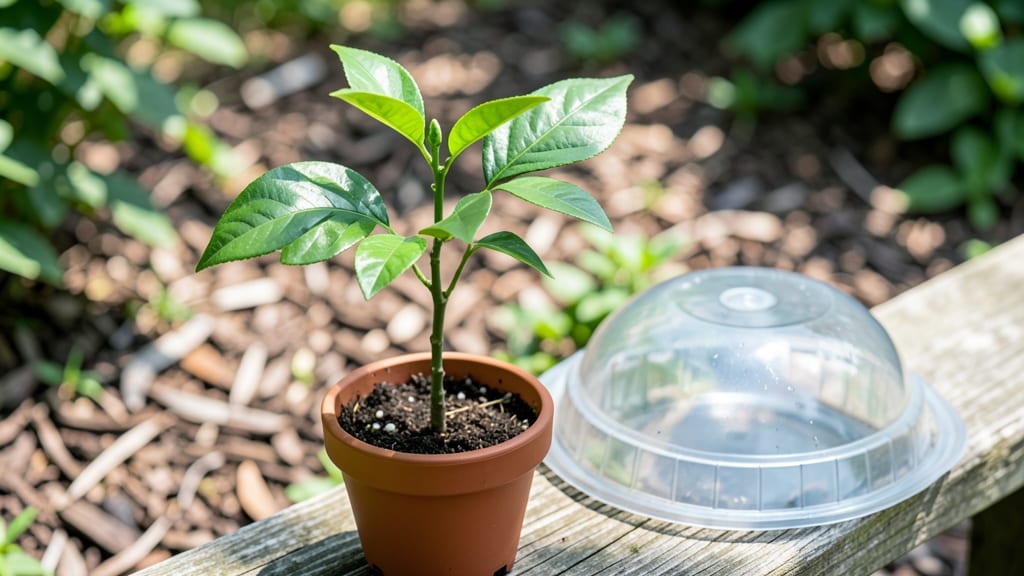
Growing a lemon tree from seed feels like betting on a future harvest—one that might take 5-10 years before you see fruit. 🌱 I’ve started seeds that took six months just to crack through the soil, but when they finally do, the glossy new leaves make every wait worthwhile.
The key isn’t rushing; it’s creating the perfect conditions for that first stubborn sprout to break through.
You’ll need a sunny window or grow light, well-draining potting mix, and a pot with drainage holes—no shortcuts here. The soil should stay moist but never soggy, and warmth (70°F or higher) speeds up germination.
Most seeds sprout within 2-4 weeks, though some stubborn ones take twice as long. Patience isn’t just a virtue; it’s the secret to success with citrus.
Once those first leaves appear, you’ll watch your seedling transform into a 3-foot-tall sapling in just a year or two. With consistent care—bright light, occasional pruning, and protection from frost—your tree could eventually produce lemons, though fruit may take 5-10 years to appear.
The journey itself becomes the reward, especially when you’re nurturing something that might outlive you.
This method works best in USDA zones 9-11, but container growing lets you try it almost anywhere. Even if your tree never bears fruit, the fragrant leaves and tropical vibe make it worth growing. Let’s get those seeds started—the hardest part is waiting.
📚 In This Guide
- What you need
- Instructions
- Tips and common mistakes
- Wrapping up and next steps
What you need
- ● Lemon seeds: 2–4 fresh, plump seeds (from organic lemons for best results).
- ● Small pots (3–4 inches in diameter): 2–3 pots with drainage holes (plastic or biodegradable options work).
- ● Well-draining potting mix: A blend of cactus/succulent mix or regular potting soil mixed with perlite or sand (1:1 ratio). Avoid heavy clay soil.
- ● Seed-starting tray or tray with saucers: To catch excess water and maintain humidity.
- ● Spray bottle: For gentle watering (avoids disturbing seeds).
- ○ Plastic wrap or clear lid: To create a mini greenhouse effect (optional but helpful for germination).
- ● Grow lights or sunny windowsill: A spot with 6–8 hours of indirect light daily (south-facing window or LED grow lights).
- ● Fertilizer (balanced, water-soluble): 10-10-10 or 20-20-20 (diluted to half-strength) for seedlings (start after 4–6 weeks).
- ● Tweezers or toothpick: For carefully placing seeds in soil.
- ● Small hand trowel: For transplanting seedlings.
- ○ Humidity dome or plastic bag: To retain moisture during germination (optional).
- ○ Thermometer (optional): Ideal germination temp: 70–85°F (21–29°C).
- ● Larger container (1–2 gallons): For transplanting once seedlings are 6+ inches tall.
- ○ Citrus-specific fertilizer (optional): For faster growth once established (e.g., citrus micronutrient blend).
Step-by-step instructions for cultivating a lemon tree from seed
Here's how to nurture a citrus sapling into a thriving homegrown lemon tree.
🌱 Step 1: Extract and Prepare the Seed
Start with a fresh, organic lemon—conventional store-bought fruit often has wax coatings that inhibit germination. Cut the lemon in half and locate the seeds (usually 3-5 per half). Scoop them out with a spoon, being careful not to damage the seed coat.
Rinse the seeds thoroughly under cool water to remove any pulp residue. Place them on a paper towel and let them air-dry for 24 hours. This prevents mold while keeping the seed viable. I like to label them with the date—tracking germination time helps me remember when to expect sprouts.
💧 Step 2: Germinate the Seeds Indoors
Fill a small container (like a yogurt cup) with 2-3 inches of moistened seed-starting mix. Press the mix down gently to remove air pockets, then make a ¼-inch-deep hole with your finger. Place 1-2 seeds per hole—more than two can lead to overcrowding later.
Cover the container with plastic wrap or a clear dome to retain humidity, then place it in a warm spot (70-80°F). Keep the soil consistently moist but not soggy—water from the bottom by placing the container in ½ inch of warm water for 10 minutes daily. Germination typically takes 2-4 weeks, though some seeds may take longer.
☀️ Step 3: Transplant and Provide Optimal Light
Once the seedling develops 2-3 true leaves (the first set are cotyledons), carefully remove it from the germination container. Gently tease apart any sibling seedlings if they’re competing for space. Transfer the seedling to a 4-inch pot filled with well-draining potting mix.
Place the pot in bright, indirect light—a south-facing window works best. Avoid direct sunlight at first, as young seedlings can scorch. If the leaves start stretching or turning pale, your plant needs more light. A grow light can supplement natural light, especially in winter.
🪴 Step 4: Pot Up and Care for the Sapling
When the seedling reaches 6-8 inches tall, move it to a 6-inch pot with fresh potting mix. Lemon trees thrive in well-draining soil with a slightly acidic pH (6.0-7.0). Water when the top inch of soil feels dry, but avoid letting the roots sit in water—root rot is a common killer of young citrus.
Fertilize lightly every 4-6 weeks with a balanced citrus fertilizer (10-10-10 or similar). Over-fertilizing can burn tender roots, so always follow the package instructions. Keep the environment humid—mist the leaves occasionally or place a tray of water nearby to mimic tropical conditions.
⏰ Step 5: Prepare for Outdoor Transition
After 6-12 months, when the tree is 1-2 feet tall and sturdy, it’s ready for outdoor exposure. Start by placing it in a sheltered, shaded spot for 2-3 hours daily, gradually increasing time over 2-3 weeks. This process, called hardening off, helps the tree adjust to outdoor conditions.
Once fully acclimated, move the tree to a sunny, protected spot (like a patio or balcony) where it gets 6+ hours of sunlight daily. Lemon trees love warmth but can’t tolerate frost—bring it indoors if temperatures drop below 40°F. Patience here pays off—it may take 3-5 years before the tree produces fruit, but the journey is worth it.
Tips & tricks for growing a lemon tree from seed
Real talk: Growing a lemon tree from seed is more about patience than perfection, but these small tweaks can make all the difference.
Seed Selection Matters: Not all lemons are created equal! Choose organic, seedless varieties like Meyer lemons for better germination rates. I've found that larger seeds (about the size of a pea) tend to sprout more reliably than tiny ones. If you're using store-bought lemons, look for ones with visible seeds—sometimes they're hidden in the pulp. The 24-hour drying period is crucial—this prevents mold while keeping the seed viable for planting.
Germination Environment: That warm spot between 70-80°F is key, but don't overlook humidity. I've had the best success using a clear plastic dome or even a sealed plastic bag to create a mini greenhouse effect. The 10-minute daily watering from below ensures consistent moisture without waterlogging. Pro tip: Place your germination container near a kitchen appliance that generates warmth, like the top of your fridge or near a sunny window during the day.
Light Transition Strategy: When moving your seedling to brighter light in Step 3, ease into it gradually. Start with just a few hours of indirect light and watch for signs of stress—yellowing leaves or stretching toward the light mean it's getting too much too soon. I've seen seedlings go from thriving to wilting overnight when moved to direct sun too quickly. A grow light on a timer can be a game-changer during winter months when natural light is scarce.
Pot Size Upgrade: The jump from 4-inch to 6-inch pots might seem small, but it's critical for root development. When your seedling reaches 6-8 inches, choose a pot with drainage holes and fill it with a mix of potting soil and perlite (about 70/30 ratio). This improves drainage while maintaining moisture. Remember, lemon trees hate soggy roots—always let the top inch dry out between waterings. The slightly acidic pH (6.0-7.0) is non-negotiable for citrus trees.
Pro Tips for Grow A Lemon Tree From Seed
- Real talk: Growing a lemon tree from seed is more about patience than perfection, but these small tweaks can make all the difference.
- Seed Selection Matters: Not all lemons are created equal!
- Germination Environment: That warm spot between 70-80°F is key, but don't overlook humidity.
Frequently asked questions
Got questions about growing a lemon tree from seed? You’re not alone—this process takes time and care! Here are some of the most common queries to help you navigate your citrus-growing journey with confidence.
How long does it take for a lemon seed to sprout?
A lemon seed typically sprouts within 2 to 4 weeks if kept in warm, moist conditions. Keep the soil consistently damp (not soggy) and place the pot in a bright, indirect light spot. Patience is key—some seeds may take longer, especially if the environment isn’t ideal.
Will a lemon tree grown from seed produce fruit?
While it’s possible, it’s unlikely to get fruit from a seed-grown lemon tree. Most commercial lemon varieties are grafted for consistency and quality. Seed-grown trees may take 5–10+ years to fruit (if they do at all) and won’t match the flavor or yield of grafted trees.
What’s the best temperature for germinating lemon seeds?
Lemon seeds thrive in warmth—aim for 70–85°F (21–29°C). If your home is cooler, place the pot near a heat source (like a sunny windowsill or under a grow light). Avoid cold drafts, as they can slow or stop germination entirely.
Can I grow a lemon tree indoors year-round?
Yes! With the right care, a lemon tree can thrive indoors. Place it near a south- or west-facing window for 6–8 hours of sunlight daily. Supplement with a grow light if natural light is limited. Watch for signs of stress (dropping leaves) and adjust care as needed.
Why are my lemon seedling’s leaves turning yellow?
Yellow leaves often signal overwatering, underwatering, or nutrient deficiency. Check the soil—it should be moist but not waterlogged. If the roots feel mushy, reduce watering. Yellowing can also mean low light or pests (like spider mites). Adjust care and inspect leaves for bugs.
Can I use lemon seeds from store-bought lemons?
Store-bought lemons are fine for growing seeds—just wash them thoroughly to remove any wax or residue. Avoid seeds from organic or heirloom lemons if you suspect they’ve been treated, but conventional grocery-store seeds work well for propagation.
Wrapping up and next steps
Growing a lemon tree from seed is a rewarding journey that blends patience with the joy of nurturing life.
While it may take years for your seedling to bear fruit, every step—from planting to pruning—is a chance to connect with nature and witness growth firsthand. Now that you’re armed with tips and insights, why not take the first step today? Grab a lemon seed, a pot, and let your green thumb shine! 🌱
🌟 Next Steps:
- Start with one seed and track its progress—documenting milestones can make the process even more exciting!
- Share your experience with fellow plant lovers or join gardening communities for support.
- Experiment with different citrus varieties (like limes or oranges) to expand your citrus garden!