
Propagation
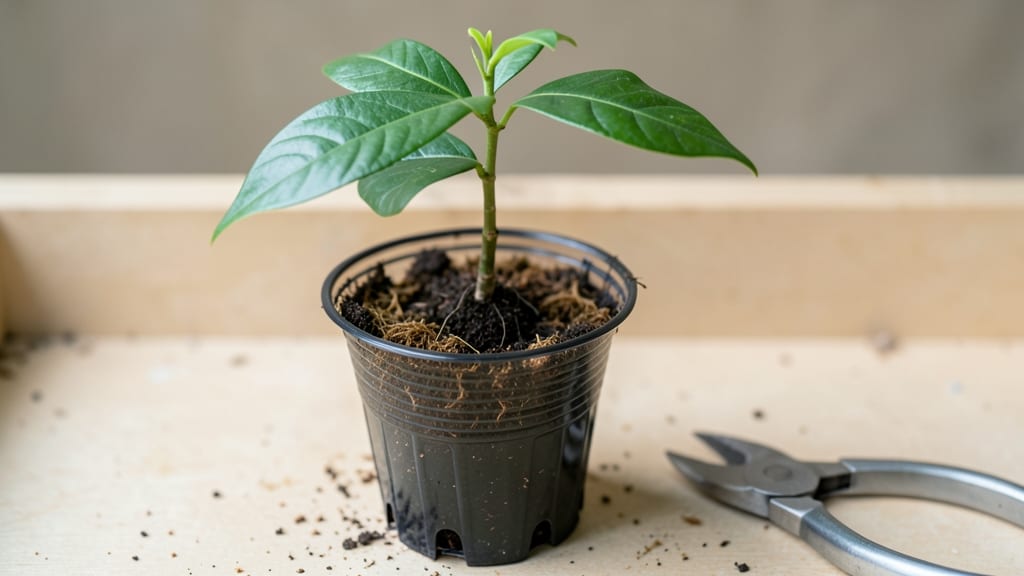
Growing a mango tree from seed is like planting a tiny piece of tropical paradise in your backyard—though it’ll take patience to see those sweet, juicy rewards. 🌱 The journey starts with a single seed, but with the right care, you’ll watch it grow into a sturdy sapling that could one day bear fruit.
My first attempt took root in a sunny windowsill, and now I’ve got a thriving young tree that reminds me of summer every time I pass it.
The secret to success lies in mimicking the tree’s natural environment right from the start. You’ll need a warm spot (70°F or warmer), well-draining soil, and a container with drainage holes to prevent rot.
Most people rush the germination process, but the key is consistency—not overwatering and keeping the soil evenly moist. Within 6 months, you could have a sapling tall enough to transplant outdoors, though true fruiting takes 3-5 years (or longer).
What makes this project special is the transformation: from a small pit to a towering tree. Imagine the first time you see those glossy green leaves unfurl or the moment you spot your first tiny blossoms.
The real magic happens when you realize this tree could live for decades, providing shade and maybe even fruit someday. It’s a long game, but one worth playing.
This method works best in warm climates (USDA zones 10-11), but even cooler regions can try it indoors with grow lights. Just be prepared for slower growth and potential winter dormancy. The payoff? A living piece of tropical history growing right in your own space.
📚 In This Guide
- What you need
- Instructions
- Tips and common mistakes
- Wrapping up and next steps
What you need
- ● Mango seed: 1 fresh, healthy seed (from a ripe, organic mango—avoid hybrid varieties if you want true fruit later!)
- ● Potting soil: 1 bag (5-10 lbs) of well-draining, organic potting mix (or a blend of 50% peat moss, 30% perlite, and 20% coconut coir)
- ● Small pots: 2-3 (4-6 inch diameter) with drainage holes (plastic or biodegradable options work)
- ● Spray bottle: 1 (for gentle watering)
- ● Plastic wrap or humidity dome: 1 (to retain moisture during germination)
- ● Grow lights or sunny windowsill: Access to indirect sunlight (6+ hours/day) or a 10W-20W LED grow light
- ○ Watering can (optional but helpful): 1 (for larger pots later)
- ● Seedling heat mat: 1 (to speed up germination in cooler climates)
- ● Fertilizer: Balanced liquid fertilizer (5-5-5 NPK) or compost tea (start after 3-4 months)
- ● Pruning shears: Small pair (for shaping the tree as it grows)
- ● Mulch: Organic mulch (like straw or wood chips) for outdoor planting later
- ● pH testing kit: 1 (to monitor soil pH, ideal range: 5.5–7.0)
- ● Trellis or stakes: 1-2 (for support as the tree matures)
Step-by-step instructions for growing a mango tree from seed
Here's how I turn a single mango seed into a thriving young tree—no green thumb required.
🌱 Step 1: Extract and Prepare the Seed
Save a fresh mango seed from a ripe fruit—avoid store-bought ones treated to prevent sprouting. Rinse the seed gently to remove any pulp, then let it dry for 24 hours at room temperature. This prevents mold while keeping the seed viable.
I like to soak the seed in lukewarm water for 24-48 hours before planting. This softens the hard outer shell and kickstarts germination. You’ll know it’s ready when you see a tiny crack appear—this is your signal to plant immediately.
🪴 Step 2: Plant the Seed in a Moist Growing Medium
Fill a 4-inch diameter pot with well-draining potting mix (I use a blend of 50% peat moss, 30% perlite, and 20% coconut coir). Moisten the mix until it’s damp but not soggy—you should be able to squeeze a handful without water dripping out.
Plant the seed 1 inch deep, pointed end up, in the center of the pot. Press the soil lightly around it to ensure good contact. Place the pot in a warm spot (75-85°F)—a seedling heat mat works wonders if your home runs cooler.
☀️ Step 3: Provide Warmth and Indirect Light
Cover the pot loosely with plastic wrap to retain moisture, but leave a small gap for airflow. Mango seeds thrive in warmth and humidity, so a clear plastic bag over the pot (with a few air holes) speeds up germination. Expect sprouts in 2-4 weeks—patience is key here.
Once the seedling emerges, remove the cover immediately. Place the pot near bright, indirect light—direct sun can scorch tender new leaves. A south-facing window with filtered light works best. You’ll notice the first true leaves (not the initial seed leaves) in 4-6 weeks—this is when the real growth begins.
💧 Step 4: Water and Transplant When Ready
Keep the soil evenly moist but never waterlogged—mango seedlings hate soggy roots. Water when the top inch of soil feels dry, using room-temperature water to avoid shocking the plant. A spray bottle helps prevent disturbing the delicate stem.
When the seedling reaches 6-8 inches tall (usually 3-4 months in), it’s time to transplant into a 6-inch pot with fresh potting mix. Handle the root ball gently—mango trees resent being uprooted, so keep the soil intact. This is also when you can introduce balanced fertilizer (10-10-10) at half strength every 4-6 weeks to encourage strong growth.
✂️ Step 5: Prune and Harden Off for Outdoor Life
Once your mango tree hits 12 inches tall, it’s time to prune. Pinch back the top set of leaves to encourage bushier growth—this prevents leggy, weak stems. Use clean, sharp scissors to make cuts just above a leaf node.
If you’re in a warm climate (USDA Zone 10+), you can move the tree outdoors after hardening off for 2 weeks. Start by placing it in partial shade for a few hours daily, then gradually increase sun exposure. In cooler zones, keep it indoors near a grow light until spring.
Tips & tricks for growing a mango tree from seed
Here's what I learned after watching my first mango seedling emerge—these little tricks make all the difference between a thriving plant and a sad, wilted failure.
Seed Selection: Not all mango seeds will sprout, so choose wisely! The seed should feel plump and firm, not hollow or shriveled. I always test viability by dropping the seed in water—if it sinks immediately, it's a good candidate. Avoid seeds from store-bought mangos treated to prevent sprouting, as they often won't germinate.
Soaking Strategy: The 24-48 hour soaking period is crucial for breaking the seed's dormancy. I use lukewarm water because cold water can shock the seed while hot water might damage it. Change the water halfway through if it becomes cloudy—this keeps the environment clean and prevents mold. Once you see that tiny crack, plant immediately!
Light Management: Those first 6 weeks with bright, indirect light are non-negotiable. I've seen seedlings get sunburned when placed too close to windows, so I use sheer curtains to diffuse the light. A grow light on a timer (12-14 hours daily) works wonders if natural light is insufficient. The goal is to encourage strong stem development without scorching delicate leaves.
Transplant Timing: Waiting until the seedling reaches 6-8 inches before transplanting gives it enough strength for the move. I always use a pot just 2 inches larger than the current one—too big can lead to soggy soil and root rot. When repotting, gently loosen the root ball to encourage outward growth rather than circling roots.
Pro Tips for Grow A Mango Tree From Seed
- Here's what I learned after watching my first mango seedling emerge—these little tricks make all the difference between a thriving plant and a sad, wilted failure.
- Seed Selection: Not all mango seeds will sprout, so choose wisely!
- Soaking Strategy: The 24-48 hour soaking period is crucial for breaking the seed's dormancy.
Frequently asked questions
Got questions about growing a mango tree from seed? You’re not alone!
Here are answers to the most common queries—so you can skip the guesswork and dive right into your tropical adventure.
How long does it take for a mango seed to sprout?
A mango seed typically sprouts within 2–4 weeks if kept in warm, moist conditions. Patience is key—some seeds take up to 6 weeks, especially if they’re not fresh. Keep the soil consistently damp (not soggy) and place the pot in a warm spot, like near a sunny window or under a grow light.
Will my mango tree grown from seed produce fruit?
Yes, but it may take 3–5 years (or longer) before your tree bears fruit—and even then, it might not be as sweet or abundant as grocery-store varieties. Mango trees grown from seed are often unpredictable in terms of flavor, size, and yield. For reliable fruit, consider grafting later or buying a grafted sapling.
What’s the best temperature for growing a mango seed?
Mango seeds thrive in warmth (70–90°F / 21–32°C). If your home is cooler, use a seedling heat mat or place the pot near a sunny window. Avoid drafts or cold spots—seeds may rot or fail to sprout if temperatures drop below 60°F (15°C). A mini greenhouse or clear plastic bag can help trap heat.
Can I grow a mango tree indoors, or does it need to be outside?
You can start a mango seed indoors, but it’ll need to move outside permanently once it’s 1–2 feet tall. Mango trees are tropical and crave full sun (6+ hours daily), warmth, and humidity. If you live in a cold climate, grow it in a large container and bring it inside during winter or plant it in a greenhouse.
Why is my mango seedling wilting or turning yellow?
Wilting or yellowing usually means overwatering, underwatering, or poor drainage. Check the soil—it should be moist but not soggy. If the leaves are crispy, it’s thirsty; if they’re mushy, it’s drowning. Repot in well-draining soil (like a mix of potting soil and perlite) and ensure the pot has drainage holes. Pests like fungus gnats can also cause stress—use neem oil if needed.
Can I use any mango seed, or does it matter?
You can use seeds from any ripe mango, but store-bought varieties (like Tommy Atkins or Keitt) may not produce true-to-type fruit. For better odds, save seeds from heirloom or local varieties if available. Avoid seeds from overripe or fermented fruit—they may not sprout well. Rinse the seed gently before planting to remove excess pulp.
Wrapping up and next steps
Growing a mango tree from seed is a rewarding journey that connects you to nature’s sweetest gifts! 🌱 With patience, the right care, and a sunny spot, you’ll watch your tiny seedling transform into a thriving plant—even if it takes years for fruit. Celebrate every milestone, from the first sprout to the first leaves, and remember: every gardener starts somewhere.
Now that you’re armed with tips, take the next step—plant that seed today! Whether you’re growing for shade, beauty, or future harvests, your mango tree’s adventure begins with a single pit. Share your progress or explore more propagation projects—your green thumb is about to shine brighter than ever! 🌟