
Propagation
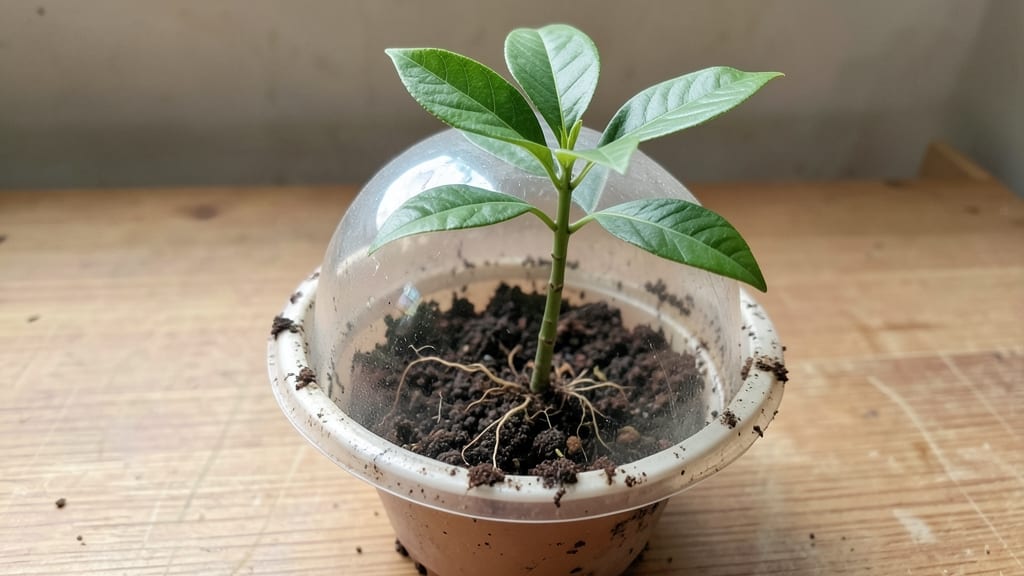
Starting a mango tree from seed unlocks a tropical adventure right in your backyard—imagine that first ripe fruit years from now. 🌱 I’ve grown three from grocery store seeds, and while they won’t match grocery-store quality, the journey makes every slow-growing stage worthwhile.
The key is patience: these trees take 3–5 years just to flower, but the process itself is surprisingly simple once you know the tricks.
You’ll need just three things to begin: a fresh seed (no dried-out store rejects), a small pot with drainage, and a sunny spot. The seed needs to soak overnight, then plant ½-inch deep in moist potting mix. Keep it warm—above 70°F—and expect your first sprouts in 2–4 weeks.
Most beginners overwater at this stage, which is why so many seedlings fail. Let the top inch dry between waterings, and you’ll avoid the dreaded moldy seedling syndrome.
By the time your seedling hits 12 inches tall, it’s ready for a bigger pot and outdoor life—though only if your climate stays above 20°F year-round. That’s when the real fun begins: pruning for shape, fertilizing lightly, and watching those first leaves unfurl.
The first fruit? Don’t hold your breath—it’ll take 5–7 years of care before you even see a blossom. But the joy of growing something this exotic from nothing? Priceless.
This method works best in USDA Zones 10–11, but container growers in cooler zones can overwinter their trees indoors. The biggest challenge? Grafting later for true fruit quality, but we’ll cover that when your seedling hits 3 feet tall.
For now, just focus on keeping it alive—and dreaming of that first harvest.
📚 In This Guide
- What you need
- Instructions
- Tips and common mistakes
- Wrapping up and next steps
What you need
- ● Mango seeds: 1–3 fresh, plump seeds (harvested from ripe, organic mangoes—avoid store-bought ones treated to prevent sprouting).
- ○ Small pots or seed trays: 3–4 (4–6 inches deep) with drainage holes. Optional: Biodegradable peat pots for easy transplanting.
- ● Well-draining potting mix: 2–3 bags (sterile, seed-starting mix or a blend of coconut coir, perlite, and compost).
- ● Spray bottle: 1 (for gentle watering).
- ● Clear plastic wrap or humidity dome: 1–2 sheets (to create a mini greenhouse effect).
- ● Grow lights or sunny windowsill: Access to 6–8 hours of indirect light daily (or a LED grow bulb if natural light is limited).
- ● Fertilizer: Balanced, water-soluble fertilizer (e.g., 10-10-10) or organic options like fish emulsion (start after 4–6 weeks).
- ● Larger container or garden bed: 1 (1–2 gallons) for transplanting once the seedling grows 6+ inches tall.
- ● Seedling heat mat ($10–$20) to speed up germination in cooler climates.
- ● pH testing kit ($5–$10) to monitor soil acidity (ideal range: 5.5–7.0).
- ● Mulch (e.g., straw or wood chips) for moisture retention after transplanting.
- ● Pruning shears (for future shaping—sterilize with rubbing alcohol!).
Step-by-step instructions for growing a mango tree from seed
Here's how to nurture a tropical mango tree from seed—patience and warmth are your best tools.
🌱 Step 1: Select and Prepare the Seed
Choose a fresh, plump mango seed—avoid dried or cracked ones. Rinse it thoroughly to remove any fruit residue, then let it air-dry for 24 hours. This prevents mold while keeping the seed viable. I like to soak the seed in lukewarm water for 24 hours before planting; this softens the outer shell and speeds up germination.
After soaking, gently scrape away the hard outer layer with a knife—just enough to expose the inner seed. This step mimics natural erosion and helps the seedling break through faster. Place the prepared seed in a small biodegradable pot filled with moistened seed-starting mix (never garden soil—it’s too dense). Press it ½ inch deep into the soil, leaving the pointed end facing upward.
Here's the thing—mango seeds germinate best in warmth (75-85°F). If your home runs cooler, place the pot on a seedling heat mat or near a sunny window. Cover the pot loosely with plastic wrap to retain moisture, but leave a small gap for airflow. Check daily for condensation; if the wrap fogs up, remove it for 30 minutes to prevent fungal issues.
💧 Step 2: Maintain Ideal Moisture and Warmth
Keep the soil evenly moist but not soggy—mango seeds rot if overwatered. I water from the bottom by placing the pot in ½ inch of water for 10 minutes, then letting it drain completely. This method prevents seed displacement and ensures consistent moisture without drowning the seed.
Germination can take 2-6 weeks, depending on warmth and humidity. You’ll know it’s working when you see a tiny white root emerge first, followed by a green shoot. Once the shoot reaches 2 inches, remove the plastic wrap entirely—this prevents the seedling from becoming leggy as it stretches toward light.
Real talk: If the seed doesn’t sprout after 6 weeks, it may not be viable. Don’t force it; start fresh with another seed. Patience here separates successful growers from frustrated ones. Once sprouted, move the seedling to a bright, indirect light spot—direct sun now will scorch the delicate leaves.
☀️ Step 3: Transition to Light and Nutrients
After the first true leaves (not the initial seed leaves) appear, it’s time to introduce full-spectrum grow lights for 12-14 hours daily. Mango seedlings need bright, indirect light to prevent etiolation (the leggy, weak growth that happens when plants stretch for light). Place the light 4-6 inches above the seedling and adjust as it grows.
When the seedling reaches 6 inches tall, transplant it into a 5-inch pot with well-draining potting mix. Gently loosen the roots if they’re circling the original seed shell—this prevents root-bound stress. Add a balanced fertilizer (10-10-10) at half-strength to encourage strong root and leaf development.
This is the moment that matters: harden off the seedling before moving it outdoors. Start by placing it outside in dappled shade for 1 hour daily, then gradually increase exposure over 2 weeks. Watch for wilting or leaf drop—signs it’s not ready. Once it tolerates 4-6 hours of sun without stress, it’s ready for a permanent spot in USDA Zones 10-11 (or a greenhouse in cooler climates).
⏰ Step 4: Long-Term Care for Fruit Production
Mango trees from seed take 5-10 years to bear fruit—yes, that’s a long wait, but the reward is worth it. During the first 2 years, focus on slow, steady growth. Prune leggy branches to encourage a compact, bushy shape, and fertilize every 6 weeks with a citrus/mango-specific fertilizer (high in potassium and magnesium).
Once established, mango trees need full sun (6+ hours daily) and deep watering (1-2 inches per week). Mulch the base with 2-3 inches of organic mulch to retain moisture and regulate soil temperature. Here’s the trick: cross-pollination is rare in home gardens, so if you want fruit, plant two mango trees of compatible varieties (like ‘Keitt’ and ‘Haden’) for better pollination.
Don’t skip this (I learned the hard way): protect young trees from frost. Even a light freeze can kill a seed-grown mango. If you live in a cooler climate, grow it in a large container and overwinter indoors near a sunny window. With time, your seedling will mature into a tropical centerpiece—and maybe even a fruiting tree.
Tips & tricks for growing a mango tree from seed
Here's what nobody tells you—these insights will help you avoid the common pitfalls that trip up even experienced plant parents.
Seed Selection and Prep: The 24-hour soaking period in lukewarm water isn't just about softening the shell—it's also a test of viability. Drop your seed in water and watch: if it sinks immediately, it's likely viable. If it floats, try another seed. I've found that seeds from ripe, organic mangoes (like the 'Haden' variety) tend to germinate more reliably than those from store-bought fruit. The key is that gentle scraping of the outer shell—don't go too deep or you'll damage the seed's protective layers.
Germination Environment: Creating that ideal 75-85°F environment is crucial, but don't overlook the importance of consistent moisture without soggy conditions. I've had success using a clear plastic bag with small holes instead of plastic wrap—it creates a greenhouse effect while allowing better airflow. The 30-minute ventilation when condensation appears is your early warning system for potential fungal issues. Think of it like giving your seed a mini spa treatment: warm, moist, but never waterlogged.
Light Transition Strategy: When your seedling reaches that 2-inch height and you remove the plastic, be prepared for a growth spurt. This is when seedlings often become leggy as they stretch toward any available light. The 12-14 hours of full-spectrum grow lights should be positioned just above the plant's height—about 4-6 inches away. I've found that rotating the pot daily (a quarter turn each time) helps prevent the seedling from growing crooked as it reaches for the light source. This creates a more balanced, sturdy plant from the start.
Hardening Off: The 2-week hardening off process is where many growers rush and end up with stressed seedlings. Start with that 1 hour in dappled shade, then gradually increase exposure. I've seen seedlings that were perfectly fine in containers suddenly wilt when moved too quickly to full sun. Watch for those subtle signs—slight wilting, leaf curling, or even a slight yellowing at the edges. These are your plant's way of saying "slow down." The goal is to get it accustomed to outdoor conditions without shock.
Pro Tips for Start A Mango Tree From Seed
- Here's what nobody tells you—these insights will help you avoid the common pitfalls that trip up even experienced plant parents.
- Seed Selection and Prep: The 24-hour soaking period in lukewarm water isn't just about softening the shell—it's also a test of viability.
- Germination Environment: Creating that ideal 75-85°F environment is crucial, but don't overlook the importance of consistent moisture without soggy conditions.
Frequently asked questions
Got questions about growing your own mango tree from seed? You’re not alone! Here are answers to the most common concerns—so you can dive in with confidence.
How long does it take for a mango seed to sprout?
A mango seed typically sprouts within 2–4 weeks if kept moist and warm (70–85°F). Patience is key—some seeds take longer, especially if they’re dried out. Keep the soil consistently damp (not soggy) and place the pot in a bright, indirect-light spot to encourage germination.
Will a mango tree grown from seed produce fruit?
Yes, but it may take 5–10 years (or longer) before your seedling bears fruit—and the quality won’t match grafted trees. Seedlings often produce small, less flavorful mangoes. If you want reliable, high-quality fruit, consider grafting a known variety onto your seedling later.
What’s the best climate to grow a mango tree from seed?
Mango trees thrive in tropical or subtropical climates (USDA Zones 10–11) with warm temperatures year-round. If you live in a cooler zone, grow it in a large container and bring it indoors during winter. Young seedlings are sensitive to frost—protect them with mulch or move them to a greenhouse.
Can I plant a mango seed directly in the ground?
It’s not recommended for seeds—direct planting can lead to poor germination. Start indoors in a small pot with well-draining soil to give the seedling a strong head start. Once it’s 12–18 inches tall (usually after 3–6 months), you can transplant it outdoors or into a larger container.
Why did my mango seed rot instead of sprouting?
Overwatering or poor drainage is the #1 culprit! Mango seeds need moisture but not soggy conditions. If the seed feels mushy or smells foul, it’s rotting. To fix this, use a mix of potting soil and perlite, and ensure the container has drainage holes. Let the top inch of soil dry slightly between waterings.
Can I grow a mango tree from seed in a pot?
Mango trees adapt well to containers if given enough space (at least 15–20 gallons for mature trees). Use a fast-draining mix (like cactus soil) and a pot with drainage. Place it in full sun and fertilize lightly during growing season. Just be prepared to move it indoors if winters dip below 50°F.
Wrapping up and next steps
Starting a mango tree from seed is a rewarding journey that connects you to nature’s sweet promise! 🌱 With patience, care, and the right steps—like selecting healthy seeds, nurturing your sapling, and providing the ideal growing conditions—you’re well on your way to cultivating your own tropical treasure.
Even if it takes years for fruit to appear, the joy of watching your seedling grow into a thriving tree makes every effort worthwhile.
Now that you’re armed with the know-how, take the next step: plant your seed today and let the adventure begin! Share your progress with fellow gardeners or research local climate tips to give your mango tree the best start. Happy growing! 🌴