
Size
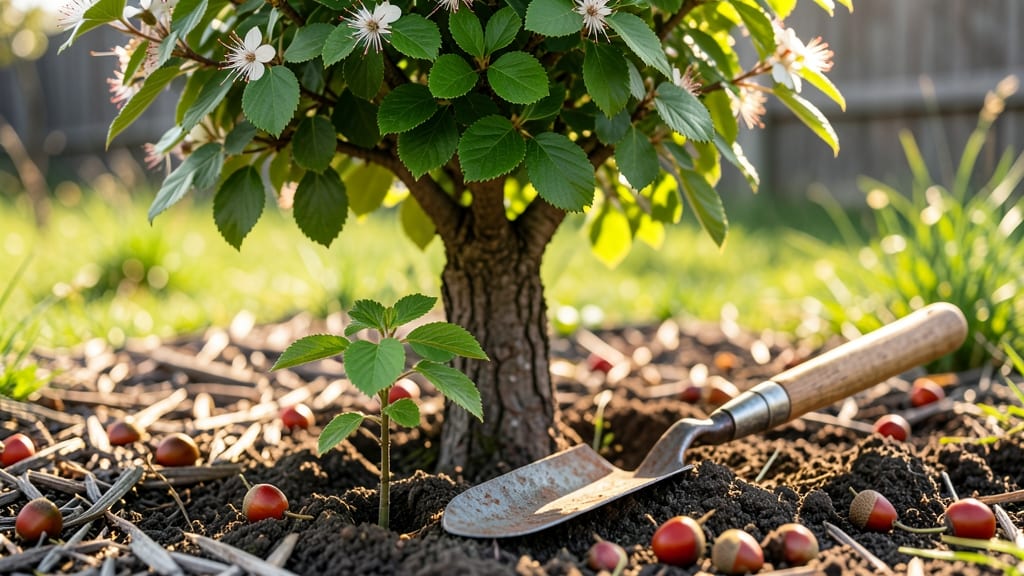
Growing a hawthorn tree means welcoming fragrant spring blooms and wildlife-friendly foliage into your yard—these trees thrive where many fail. I planted mine in a full-sun spot last fall, and by summer, it was already sending out sturdy new branches.
The key starts with the right location and soil prep, not some mysterious gardening skill.
Hawthorns love sun and tolerate poor soil, making them perfect for tough spots. You’ll need 6-8 hours of sunlight daily, well-draining soil, and plenty of space—these trees can grow 15-25 feet tall over time.
The first year is all about establishing roots, so water deeply once a week unless rain does the work for you.
By spring, you’ll see clusters of white or pink blooms that smell like spring itself. Birds and bees adore them, and the berries later in the season feed wildlife. Prune in late winter to shape the tree and remove dead branches—just a few cuts keep it healthy and bushy.
They’re tough once established, but watch for fire blight or aphids early on. A quick spray of neem oil usually clears pests before they become a problem. With minimal effort, you’ll have a tree that outlasts fads and looks stunning for decades.
📚 In This Guide
- What you need
- Instructions
- Tips and common mistakes
- Wrapping up and next steps
What you need
- ● Hawthorn seedlings or saplings: Choose cold-hardy varieties like Crataegus phaenopyrum (Washington Hawthorn) or Crataegus laevigata (English Hawthorn). Buy 1–3 plants, depending on your desired hedge or standalone tree.
- ● High-quality potting soil or native soil: A mix of 60% topsoil, 30% compost, and 10% perlite (for drainage) works well. For in-ground planting, amend clay-heavy soil with 2–3 inches of compost.
- ● Organic fertilizer: A balanced 10-10-10 or 5-5-5 fertilizer (slow-release) to kickstart growth. Use ½ cup per plant at planting time.
- ● Mulch: 2–3 inches of wood chips or straw to retain moisture and suppress weeds. Avoid piling mulch against the trunk.
- ● Watering can or hose with a gentle spray nozzle: Hawthorns need 1–2 gallons of water per week during the first year.
- ● Shovel and garden fork: For digging holes and loosening soil. A 12-inch-wide shovel is ideal.
- ● Pruning shears: Sharp, bypass-pruning shears (for clean cuts) to shape young trees or remove dead branches.
- ● Garden gloves: Heavy-duty gloves to protect against thorns and rough bark.
- ○ Stakes and twine (optional but helpful): If planting in windy areas, use 2–3 stakes per sapling and secure with twine for support.
- ● Sunlight: Full sun (6+ hours daily) for optimal blooms and berries.
- ● Soil pH: Slightly acidic to neutral (6.0–7.5). Test your soil with a pH test kit if unsure.
- ● Hardiness zone: Hawthorns thrive in USDA Zones 3–8. Verify your zone here.
- ● Space: Allow 10–15 feet between trees for hedges or 20+ feet for standalone specimens.
- ● Epsom salt (1 tablespoon per plant) for magnesium-rich soil.
- ● Slow-release plant food (e.g., Osmocote) for seasonal feeding.
- ● Bird netting (to protect berries from wildlife if desired).
- ● Soil moisture meter (to monitor watering needs during droughts).
Step-by-Step instructions for planting a cold-hardy hawthorn tree
These steps will get your hawthorn thriving in even the toughest climates.
Choose the Right Location and Prepare the Site
Hawthorn trees love full sun but tolerate partial shade, though they’ll produce fewer blooms in low light. Pick a spot with at least 6 hours of direct sunlight daily—south or west-facing exposures work best. The tree’s mature size matters too: most varieties reach 20-30 feet tall, so give it 25-30 feet of space from buildings, fences, or other trees.
Test your soil’s drainage by digging a 12-inch deep hole—if water pools after 30 minutes, amend the soil with 2-3 inches of compost and a mix of sand or gravel to improve drainage. Hawthorns hate soggy roots, and poor drainage is the #1 reason they fail. I always dig a 6-inch deep basin around the planting area to help water soak in evenly.
Plant at the Right Time and Depth
Spring or early fall are the best times to plant—avoid extreme heat or frost. Dig a hole twice as wide as the root ball but no deeper. The top of the root ball should sit 1-2 inches above ground level—burying it too deep suffocates the tree. If your soil is heavy clay, loosen the sides of the hole with a shovel to encourage root spread.
Place the tree in the hole and backfill with native soil, tamping down gently to remove air pockets. Water deeply to settle the soil, then add a 2-3 inch layer of mulch (avoid wood chips—use straw or shredded leaves instead) around the base, keeping it 6 inches away from the trunk. Mulch helps retain moisture and regulate soil temperature, but too much can smother the roots.
Water and Support for the First Critical Year
Water your hawthorn deeply once a week during the first growing season, providing 10-15 gallons total per watering. You’ll know it’s enough when water drains 6 inches deep into the soil. Overwatering is just as bad as underwatering—let the top 2 inches of soil dry out between waterings. In hot summers, you may need to water every 5-7 days, but always check the soil first.
Young hawthorns benefit from staking if your area gets strong winds. Use two sturdy stakes driven 12 inches apart and tie the trunk loosely with soft tree ties—too tight, and you’ll restrict growth. Prune any broken branches immediately, but avoid heavy pruning in the first year. The goal is to let the tree establish its root system before stressing it further.
Fertilize and Prune for Long-Term Health
Skip fertilizer the first year—hawthorns grow slowly and don’t need extra nutrients. In year two, apply a balanced, slow-release fertilizer (10-10-10) in early spring, following the package rates. Over-fertilizing leads to weak, disease-prone growth. I like to mix ½ cup of compost into the top 6 inches of soil annually to boost soil health naturally.
Prune in late winter or early spring before new growth starts. Remove dead, diseased, or crossing branches first, then thin out any branches that rub against each other. Hawthorns bloom on old wood, so avoid heavy pruning—just shape lightly to maintain an open canopy. If you see suckers sprouting at the base, remove them promptly to keep energy focused on the main trunk.
Tips & tricks for perfect hawthorn tree planting
Between us, these little details make the difference between a hawthorn that thrives and one that struggles. Here's what I've learned from years of planting these tough but finicky trees.
Sunlight Secret: While hawthorns tolerate partial shade, I've found that trees in less than 6 hours of sun often develop sparse blooms. If your yard only gets morning sun, consider planting near a south-facing wall that reflects light back to the tree. The extra sunlight in those critical afternoon hours makes a surprising difference in flower production.
Drainage Test: That 30-minute water test in Step 1 is non-negotiable. I've seen hawthorns planted in "well-drained" soil that still failed because the water test wasn't done properly. Use a trowel to make a small trench around your test hole—if water disappears within 30 minutes, you're good. If not, amend with sand or gravel until it passes. Trust me on this, soggy roots will kill your tree faster than anything else.
Mulch Mastery: The 2-3 inch layer of mulch is perfect—but placement matters just as much as thickness. Create a donut shape around the trunk, keeping mulch 6 inches away from the base. This prevents moisture buildup against the bark that can cause rot. I also avoid wood chips because they can compact and suffocate roots over time. Straw or shredded leaves break down more evenly.
Watering Wisdom: Those 10-15 gallons per week might seem like a lot, but hawthorns need deep watering to establish strong roots. I use a soil probe to check moisture—if it's dry 6 inches down, it's time to water again. In hot summers, I increase to every 5-7 days but always check first. Overwatering is just as deadly as underwatering for these trees.
Pro Tips for Grow Hawthorn Tree
- Between us, these little details make the difference between a hawthorn that thrives and one that struggles.
- Sunlight Secret: While hawthorns tolerate partial shade, I've found that trees in less than 6 hours of sun often develop sparse blooms.
- Drainage Test: That 30-minute water test in Step 1 is non-negotiable.
Frequently asked questions
Got questions about growing a hawthorn tree? You’re not alone! Here are answers to the most common queries—from planting tips to troubleshooting—so you can cultivate a thriving, fragrant addition to your landscape.
When is the best time to plant a hawthorn tree?
The ideal time is early spring or fall, when soil temperatures are cool but workable. This gives roots time to establish before extreme heat or cold. Avoid planting in summer—drought stress can stunt growth. For container-grown hawthorns, you can plant year-round (except winter in freezing zones).
Can hawthorn trees survive harsh winters?
Hawthorns are extremely cold-hardy, thriving in USDA zones 3–8. Their dense wood and deep roots protect them from frost, snow, and even urban pollution. Just ensure they’re planted in well-draining soil to avoid winter rot. Mulch lightly in late fall for extra protection.
Do hawthorn trees attract bees or pests?
Yes! Their spring blooms are a magnet for bees and pollinators—great for gardens. However, they’re low-maintenance for pests: deer usually avoid them, and few insects target healthy hawthorns. Watch for aphids (rare) and treat with soapy water if needed. Birds love the berries too!
How fast do hawthorn trees grow, and how big do they get?
Growth is moderate: expect 12–24 inches per year under ideal conditions. Mature hawthorns range from 15–30 feet tall, with some varieties staying compact (like ‘Red Sentinal’ at 6–10 feet). Prune annually to shape them—especially if near sidewalks or power lines.
What if my hawthorn isn’t blooming?
Lack of flowers often means poor sunlight (they need full sun, 6+ hours/day) or young age (some take 3–5 years to bloom). Check soil pH too—slightly acidic (6.0–7.0) is best. If established but still bare, fertilize lightly in early spring with balanced 10-10-10 and water deeply.
Are there dwarf or container-friendly hawthorn varieties?
Yes! For small spaces, try:
- ‘Red Sentinal’ – 6–10 ft tall, upright, great for hedges.
- ‘Waterer’s Wonder’ – 8–12 ft, columnar shape, perfect for tight yards.
- ‘Crimson Cloud’ – 10–15 ft, compact with vibrant foliage.
Wrapping up and next steps
Growing a hawthorn tree is a rewarding journey—whether you’re drawn to its fragrant blossoms, ornamental value, or wildlife benefits. With the right soil, sunlight, and a little patience, you’ll soon enjoy its stunning spring flowers and resilient nature in your landscape. 🌸
Ready to take the next step? Start by choosing your location and planting your sapling—then watch your hawthorn thrive for years to come! For extra guidance, explore seasonal care tips or connect with local gardening groups for hands-on advice.
Happy planting—your future hawthorn awaits! ✨