
Pruning
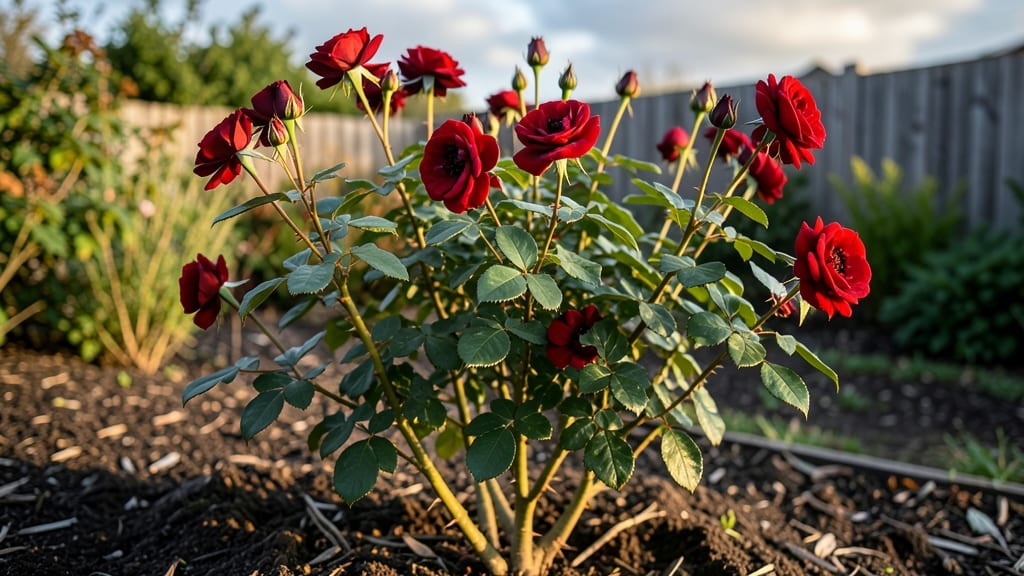
The Red Drift rose tree transforms any space into a fragrant, vertical masterpiece—its deep red blooms cascading like living curtains. 🌿 I’ve pruned mine every winter for five years, and each time, the transformation is nothing short of magical: what once looked like a tangled mess becomes a structured, flowering showstopper by spring.
The key isn’t just cutting back—it’s understanding when, where, and how to shape those canes for maximum blooms.
This rose thrives in full sun and well-draining soil, but its real secret lies in pruning after dormancy—typically in late winter or early spring. Grab your pruners, disinfect them with rubbing alcohol (trust me, this prevents disease), and focus on removing dead wood first.
Then, cut back last year’s growth by about one-third, always making clean cuts just above an outward-facing bud. It’s not rocket science, but it does require patience—those thick canes put up a fight!
What you’ll end up with is a towering, fragrant centerpiece that blooms from early summer through fall, with minimal fuss. The flowers smell like a summer evening in a rose garden, and the plant itself becomes a natural trellis for climbing vines or a stunning focal point in your landscape.
Just avoid over-pruning in the first year—let it establish its structure before you get aggressive with the shears.
Works equally well as a standalone specimen, against a fence, or even in large containers. The beauty of the Red Drift is that it forgives mistakes—so long as you prune after the worst cold snaps, you’ll still get those lush, repeat blooms.
Ready to turn your rose tree into the star of the show?
📚 In This Guide
- What you need
- Instructions
- Tips and common mistakes
- Wrapping up and next steps
What you need
- ● Pruning shears: Sharp, bypass-style shears (2-3 pairs, one for thick branches and one for precision cuts). 🔪
- ● Loppers: Heavy-duty, ratcheting loppers (1 pair) for branches ½-inch to 1½-inch thick.
- ● Hand pruners: Bypass-style for small stems (¼-inch or less).
- ● Disinfectant: 70% isopropyl alcohol or rubbing alcohol (small bottle) to sterilize tools between cuts.
- ● Garden gloves: Heavy-duty, cut-resistant (1 pair) to protect hands from thorns.
- ● Pruning saw: Curved-tooth saw (1) for branches 1½-inch or thicker.
- ● Rake or broom: For cleaning up fallen debris (1).
- ○ Pruning sealant: Tree wound dressing (optional for large cuts to prevent disease).
- ● Marking spray: Non-toxic paint (for tagging branches to prune later).
- ● Safety glasses: To shield eyes from debris.
- ● Knee pads: For comfort during long pruning sessions.
- ● Bucket of water: To rinse tools and dispose of clippings.
Step-by-step pruning guide for your Red Drift rose tree
Here's how I keep my Red Drift roses blooming nonstop while staying healthy and compact.
✂️ Step 1: Prune Dead or Diseased Wood First
Start by removing any branches that look brown, mushy, or have black spots—these are dead or infected. Use clean, sharp pruners to make cuts at a 45-degree angle about ¼ inch above a healthy bud facing outward. This prevents water from pooling and encourages new growth in the right direction.
I always work from the bottom up, so I can see the full structure as I go. If you spot any cankers (sunken, cracked areas), cut back 6 inches beyond the affected spot to ensure you remove all infected tissue. The goal here is to give your rose a clean slate before we shape it.
✂️ Step 2: Thin Out Crowded Branches for Better Airflow
Look for branches that cross or rub against each other—they'll eventually damage each other and create weak spots. Remove 1-2 branches per cluster, cutting all the way back to the main stem or a strong lateral branch. This opens up the center of the plant, which is crucial for preventing fungal diseases like black spot.
I like to step back every few cuts to assess the shape. Your Red Drift should have an open vase-like structure with no dense clusters. If you're unsure which to remove, pick the thinner or weaker branch—it's less likely to produce strong blooms anyway.
✂️ Step 3: Shape the Tree for Even Growth
Now focus on creating a balanced shape by cutting back overgrown branches. For upright stems, trim just above an outward-facing bud to encourage new growth that fills gaps. For horizontal branches, shorten them by ⅓ to ½ their length to promote bushier growth.
Here's the thing—your Red Drift naturally grows upward, so I never cut more than ⅓ of the branch length at once. This prevents shocking the plant. After each cut, I wipe my pruners with rubbing alcohol to avoid spreading any potential diseases between branches.
✂️ Step 4: Encourage More Blooms with Strategic Cuts
To maximize those fragrant red blooms, cut back the oldest wood first. Look for branches that flowered last season—they're often thicker and woodier. Trim these back by ⅓ to ½ to stimulate new growth that will produce this year's flowers.
For newer growth, I make lighter cuts just above a set of leaves to encourage more branching. You'll see new buds forming within 4-6 weeks—that's your signal the pruning worked. Avoid cutting into the center too much, or you'll create a "donut" shape with poor airflow.
⏰ Step 5: Clean Up and Maintain Year-Round
After pruning, gather all the clippings and dispose of them in the trash—not your compost bin. Rose debris can harbor diseases that might reinfect your plant. I also sterilize my pruners with rubbing alcohol one last time before putting them away.
Water deeply right after pruning to help the plant recover. Then, feed with a balanced rose fertilizer every 4-6 weeks during the growing season. Your Red Drift will reward you with continuous blooms if you keep up with light pruning every 3-4 months to maintain its shape and health.
Tips & tricks for pruning your Red Drift rose tree
Here's what I learned after years of keeping my Red Drift roses thriving—these little details make all the difference.
Tool Prep is Everything: Before you even touch your rose, sterilize your pruners with rubbing alcohol. I do this between every 3-4 cuts to prevent spreading diseases like black spot. Also, sharpen your blades monthly—dull pruners crush stems instead of making clean cuts, which stresses the plant and invites infection. A quick test: if your pruners struggle to cut through a pencil, they need sharpening.
Timing Your Cuts for Maximum Blooms: The best time to prune is right after the first hard frost when the plant is dormant, or in early spring before new growth begins. In warmer climates, you can do light pruning every 3-4 months to maintain shape. I've found that pruning just after blooming encourages another flush of flowers—this works especially well for Red Drifts that love to keep blooming all season.
Visual Cues for Perfect Cuts: When making your 45-degree cuts, imagine you're creating a tiny roof that sheds water away from the bud. The outward-facing bud is your target—this ensures new growth will angle away from the center, creating that beautiful open vase shape. For thicker branches, make the cut just above a bud that's pointing slightly outward, not straight up or down. This simple detail prevents the "donut" shape that traps moisture and promotes disease.
Post-Pruning Care That Makes a Difference: After you've finished pruning, give your rose a deep watering to help it recover. I always add a handful of compost to the soil around the base—this provides nutrients while the plant focuses on new growth. Then, I wait 2-3 weeks before fertilizing again. The shock of pruning means your rose needs time to adjust before taking on extra nutrients.
Pro Tips for Red Drift Rose Tree
- Here's what I learned after years of keeping my Red Drift roses thriving—these little details make all the difference.
- Tool Prep is Everything: Before you even touch your rose, sterilize your pruners with rubbing alcohol.
- Timing Your Cuts for Maximum Blooms: The best time to prune is right after the first hard frost when the plant is dormant, or in early spring before new growth begins.
Frequently asked questions
Got questions about keeping your Red Drift Rose Tree thriving? You’re not alone! Here are answers to the most common concerns—from pruning to care—so you can enjoy those stunning blooms all year.
When is the best time to prune my Red Drift Rose Tree?
Prune your Rosa ‘Dr. Huey’ (Red Drift Rose) in early spring (before new growth starts) or late winter to encourage vigorous blooms. Light trimming after major blooms (summer) helps maintain shape. Avoid heavy pruning in fall—it can stress the plant before dormancy.
How much should I cut back during pruning?
For first-time pruning, remove up to 1/3 of the plant’s height to open the center for airflow. Focus on dead, crossing, or weak branches—never cut more than 1/3 of the total foliage in one session. Pro tip: Use clean, sharp shears to make angled cuts just above an outward-facing bud.
My Red Drift Rose Tree isn’t blooming much—what’s wrong?
Lack of blooms often stems from over-pruning, poor sunlight, or nutrient deficiency. Ensure it gets 6+ hours of sun daily and fertilize with rose-specific feed in spring/early summer. If branches are leggy, prune back to healthy buds—this stimulates new growth and flowers!
Can I grow a Red Drift Rose Tree in a container?
Choose a large pot (15+ gallons) with drainage holes and use well-draining soil mixed with compost. Container-grown Red Drift Roses need regular watering (keep soil moist but not soggy) and annual pruning to control size. Move indoors in winter if temps drop below 20°F (-7°C).
What pests should I watch for on my Red Drift Rose Tree?
Common culprits include aphids, spider mites, and rose slugs. Check undersides of leaves for sticky residue or tiny webs. Treat with neem oil or insecticidal soap early. For rose slugs (sawfly larvae), handpick or use Bt (Bacillus thuringiensis) spray. Healthy plants are less vulnerable—prune for airflow!
Wrapping up and next steps
Your Red Drift Rose Tree is now primed for a lifetime of lush, fragrant blooms—no more guesswork, just stunning results! 🌹 With the right tools, timing, and technique, you’ve mastered the art of pruning to encourage vibrant growth and year-round beauty. Remember: consistency is key!
Ready to take it further? Monitor your tree’s response after each trim, and don’t hesitate to adjust your approach based on its unique needs. Next up? Explore companion plants to enhance its fragrance or schedule seasonal care for a thriving, showstopping centerpiece. Happy gardening!