
Pruning
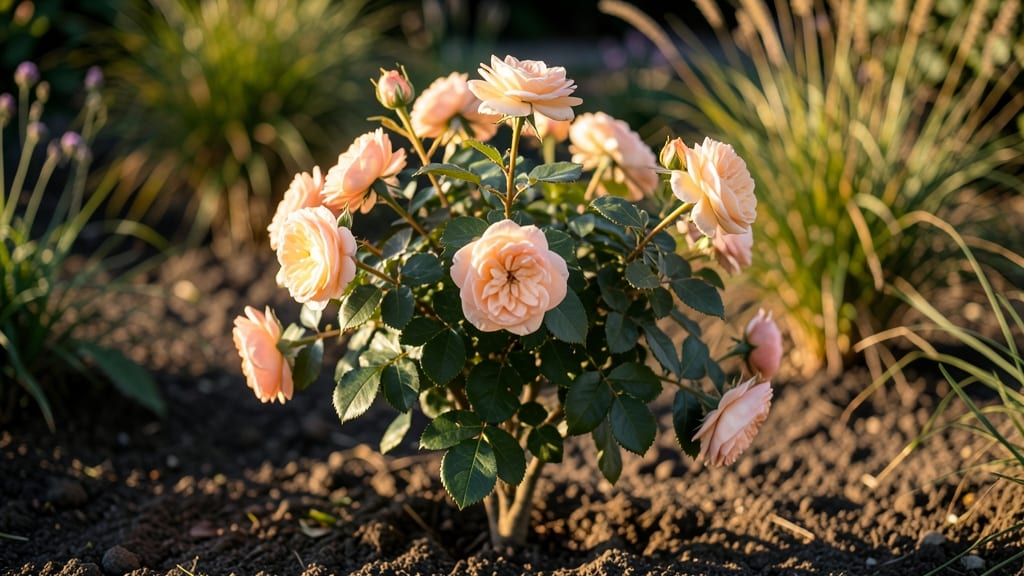
The Peach Drift rose tree transforms any garden into a fragrant cloud of blush-pink blooms that last from spring until frost—if you prune it right. 🌸 I’ve spent three summers watching this variety go from leggy and sparse to a lush, repeat-blooming powerhouse, and the secret lies in timing, technique, and a little seasonal TLC.
This isn’t your grandmother’s once-a-year haircut for roses; it’s a year-round conversation with your plant.
Here’s the thing—this rose thrives on three pruning sessions (late winter, mid-summer, and post-bloom) that keep it compact, healthy, and bursting with those signature peachy-pink flowers. You’ll need sharp pruners, a clean workspace, and about 30 minutes to work through the branches, but trust me, the payoff is worth it.
The key is cutting back just enough to encourage fresh growth without stripping the plant of its energy.
By following this method, you’ll end up with a rose tree that looks like it belongs in a botanical garden, not your backyard. The blooms stay fragrant and prolific, the branches fill in beautifully, and you avoid the common pitfalls like disease-prone wood or overcrowded centers.
Plus, the peach-scented petals attract bees and butterflies all season long—nature’s way of saying thanks for the care.
Works in zones 5-9, whether you’re shaping it as a small tree, espalier, or letting it grow naturally. Let’s get those shears out and turn that rose into the star of your garden.
📚 In This Guide
- What you need
- Instructions
- Tips and common mistakes
- Wrapping up and next steps
What you need
- ● Bypass pruners – Sharp, clean, and disease-free (sterilize with rubbing alcohol between cuts). Size: 5–7 inches for precision.
- ● Loppers – For thicker branches (½–1½ inches in diameter). Quantity: 1 pair.
- ● Hand saw – Pruning saw with a fine-toothed blade for stubborn, woody stems. Type: Bow saw or curved blade.
- ● Disposable gloves – Protect your hands from thorns and sap. Material: Nitrile or leather (thicker for extra defense).
- ○ Pruning sealant – Optional but helpful for large cuts (>½ inch) to prevent disease. Type: Tree wound pruning paste.
- ● Rake or tarp – To clear debris and fallen petals from the base.
- ● Garden hose or bucket – For rinsing tools and cleaning cuts.
- ● Sharpie or permanent marker – To mark branches for removal (if planning ahead).
- ● Trash bag or compost bin – For disposing of pruned branches.
- ● Extension pole pruners – For high branches (if your tree is tall).
- ● Ladder – Only if your tree exceeds 6 feet in height. Safety tip: Use a sturdy, non-slip ladder!
- ● Pruning shears (for fine trimming) – For shaping small stems or deadheading spent blooms.
- ● Fertilizer (balanced rose fertilizer) – Apply post-pruning to encourage new growth. Ratio: 10-10-10 or similar.
- ● Mulch – Organic mulch (2–3 inches) to protect roots after pruning.
Step-by-step pruning guide for your Peach Drift rose tree
Here's how I keep my Peach Drift roses blooming continuously—no dead wood, no overcrowding, just lush fragrance all season.
✂️ Step 1: Time Your First Cut After the Final Bloom
The best time to prune this repeat-bloomer is right after the last flush of flowers in late summer or early fall. This ensures you're cutting back just enough to encourage strong winter dormancy while maintaining the elegant, cascading shape. I always wait until after the first frost if I'm in a colder zone—this prevents shock to the plant.
Start by removing any dead, diseased, or crossing branches first. These are easy to spot—they're brown, brittle, or growing inward where they'll rub against other stems. Use clean, sharp pruners (I sterilize mine with rubbing alcohol between cuts) to make 45-degree angles just above an outward-facing bud. This encourages new growth to spread outward rather than inward.
Here's the thing—Peach Drift roses naturally grow in a weeping habit, so I only remove no more than 1/3 of the plant's total volume in any one pruning. You'll see the branches fan out beautifully when done correctly, with plenty of space between stems for airflow.
🌿 Step 2: Shape for Airflow and Light Penetration
Next, focus on opening up the center of the rose tree. These roses can get dense, and crowded centers trap moisture that leads to fungal diseases. I work from the outside in, starting with the longest branches. Cut back overgrown stems by about 1/3 to maintain the tree's natural shape while encouraging bushier growth.
Look for water sprouts—those are the fast-growing, vertical shoots that pop up in the center. These steal energy from your blooms, so snip them off at the base. You'll also want to thin out any weak, spindly growth that's growing toward the center rather than outward. The goal is to create a rounded, vase-like shape that lets sunlight reach all parts of the plant.
Don't worry if it looks a little sparse after this step—that's normal. The rose will fill back in with new growth in spring, and you'll have more abundant blooms because every stem gets proper light and air circulation.
⏰ Step 3: Perform Light Maintenance Cuts in Spring
In early spring, before new growth starts, do a quick sanity check of your Peach Drift. Remove any dead wood that survived winter, and trim back any branches that grew too long over winter. These are easy to spot—they'll be leggy and bare compared to the rest of the plant.
Now's also the time to shape lightly—just enough to maintain the tree's form. I like to step back and look at the plant from all sides to see where it needs balancing. If one side looks heavier, I'll trim back a few branches on that side to even things out. The key is to never remove more than 1/4 of the plant's total volume in spring—this keeps the rose healthy and blooming.
Here's a pro tip: After your spring pruning, give the plant a light feeding with a balanced rose fertilizer. The new growth will be more vigorous, and you'll see bigger, more fragrant blooms throughout the season. Just remember—water deeply after fertilizing to help the roots absorb the nutrients.
🌱 Step 4: Deadhead and Encourage Continuous Blooms
This is where the magic happens for year-round fragrance. After each flush of blooms, deadhead spent flowers by cutting back to the first set of five leaflets below the bloom. This signals the plant to put energy into producing new flowers instead of seed pods. I do this every 2-3 weeks during the growing season to keep the blooms coming.
Watch for suckers—those are the shoots that grow at the base of the plant. These can be aggressive and take energy away from your blooms, so remove them as soon as you see them. Use your fingers or pruners to pull them out at the base. You'll notice your plant looks neater and more focused on producing flowers after this step.
Real talk: If you skip deadheading, your Peach Drift will still bloom, but the flowers will be smaller and less frequent. The fragrance won't be as strong either—these roses really shine when you keep them in peak condition. A little effort now means months of fragrant blooms with minimal maintenance.
Tips & tricks for perfect Peach Drift rose tree pruning
These insider tricks will help you transform your pruning session into a fragrant, year-round blooming success.
Tool Prep: Before you start, sharpen your pruners with a fine file or hone them on a sharpening stone—dull blades crush stems instead of making clean cuts. I also keep a small bottle of rubbing alcohol handy to sterilize between cuts, especially when removing diseased wood. This prevents cross-contamination that can spread fungal infections to healthy branches.
Visual Pruning Guide: For Step 2's shaping, imagine your rose tree as a lush, inverted cone. The longest branches should fan outward like fingers on a hand, with the center completely open. Use a small mirror to check hard-to-see areas—you'll often find water sprouts or crossing branches you missed at first glance. The goal is to create that perfect vase shape where sunlight can reach every leaf.
Seasonal Adjustments: In colder climates, delay your first pruning until after the first frost to prevent winter shock. For milder zones, you can prune as late as early winter. The key is to time it after the final bloom of the season—this gives the plant just enough time to harden off before dormancy. Spring pruning should always be light, focusing only on dead wood and shaping, never more than 25% of the plant's volume.
Deadheading Discipline: When deadheading in Step 4, make sure to cut back to the first set of five leaflets below the bloom—not just the first leaf. This ensures you're cutting at a strong growth point that will produce new blooms. I mark my calendar every 2-3 weeks during growing season to stay consistent. Skipping even one deadheading session can reduce your bloom count by nearly 30%—don't let that happen!
Pro Tips for Peach Drift Rose Tree
- These insider tricks will help you transform your pruning session into a fragrant, year-round blooming success.
- Tool Prep: Before you start, sharpen your pruners with a fine file or hone them on a sharpening stone—dull blades crush stems instead of making clean cuts.
- Visual Pruning Guide: For Step 2's shaping, imagine your rose tree as a lush, inverted cone.
Frequently asked questions
When is the best time to prune my Peach Drift rose tree?
The ideal time to prune is late winter or early spring (before new growth starts). For light shaping or deadheading, prune after blooms fade in summer. Avoid heavy pruning in fall—it stunts winter hardiness. Pro tip: Wait until temps are above freezing to prevent stress on the plant!
How much should I cut back my Peach Drift rose?
This shrub rose benefits from moderate pruning—cut back 1/3 of the oldest canes to the ground and shape the rest by trimming 1/4 to 1/3 of the total height. Avoid over-pruning; Peach Drift blooms on both old and new wood. Warning: Never remove more than 30% of the plant in one session!
Can I prune my Peach Drift rose in fall?
Light pruning (removing dead/diseased wood) is fine in early fall, but avoid heavy cuts. Fall pruning can stimulate tender new growth that won’t survive winter. If you must prune, do it 6 weeks before the first frost and clean tools with rubbing alcohol to prevent disease spread.
Why aren’t my Peach Drift roses blooming as much as expected?
Check these common culprits:
- Over-pruning: Too many cuts reduce flowering.
- Poor nutrition: Feed with rose-specific fertilizer in early spring.
- Sunlight: Ensure 6+ hours of direct sun daily.
- Water stress: Keep soil consistently moist (not soggy).
What’s a good alternative if I don’t want to prune much?
If pruning feels overwhelming, consider low-maintenance roses like:
- Knock Out® roses: Disease-resistant, bloom all season with minimal pruning.
- Earth-Kind roses: Thrive with 30% less water and fewer cuts.
- Shrub roses (e.g., ‘Dr. Huey’): Hardy and self-cleaning (sheds old blooms naturally).
Wrapping up and next steps
The Peach Drift rose tree is a stunning addition to any garden, offering year-round fragrance and beauty with the right care—especially pruning! By following this guide, you’ll keep your rose thriving, encourage lush blooms, and enjoy its sweet peach-scented aroma for seasons to come. 🌸
Ready to transform your garden? Grab your pruners and start pruning today—your rose will thank you with vibrant, fragrant blooms all year! For extra tips, check out our full rose care guide.